Proteomic analysis reveals how phosphite contributes to the fight against chemically resistant dieback

Having previously confirmed dieback is resistant to chemical control on crops such as avocados, stone fruits and pines, Curtin University researchers have gained new insights into how phosphite works against the fungus-like disease, in a potential breakthrough for growers.

Phys.org

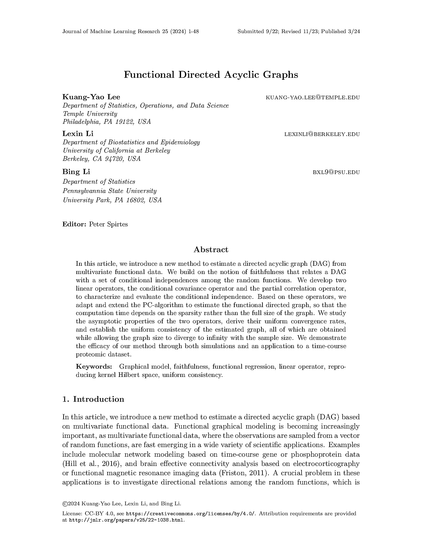
'Functional Directed Acyclic Graphs', by Kuang-Yao Lee, Lexin Li, Bing Li.

http://jmlr.org/papers/v25/22-1038.html

#graphs #graph #proteomic

Functional Directed Acyclic Graphs

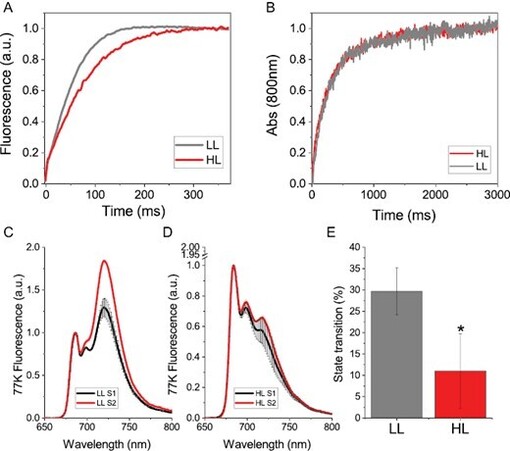
'#Acclimation strategies of the green alga #Chlorella vulgaris to different #light regimes revealed by #physiological and comparative #proteomic analyses'

https://doi.org/10.1093/jxb/erad170

#AbioticStress #carotenoids #microalgae #photosynthesis #proteomics

Acclimation strategies of the green alga Chlorella vulgaris to different light regimes revealed by physiological and comparative proteomic analyses

Acclimation to different irradiances was investigated in the fast-growing green alga Chlorella vulgaris, focusing on photosynthetic and mitochondrial activities

OUP Academic
RT @NCIDataSci: #CPTAC researchers have produced a resource of global #proteomic and post-translational modifications, whole genome and whole exome, miRNA and totalRNA sequencing, DNA methylation, imaging & clinical information for cancer patients across 10 tumor types. https://proteomics.cancer.gov/news_and_announcements/introducing-suite-pan-cancer-multi-omic-papers-cptac
Introducing a Suite of Pan-Cancer Multi-omic Papers from CPTAC | Office of Cancer Clinical Proteomics Research

Researchers from the National Cancer Institute’s (NCI) Clinical Proteomic Tumor Analysis Consortium (CPTAC) have produced a resource of global proteomic and post-translational modifications, whole genome and whole exome sequencing, miRNA and totalRNA sequencing, DNA methylation, imaging, and clinical information for more than 1,000 cancer patients across 10 tumor types. A

RT @NCIJBSloan: New resource coming from #CPTAC! It includes #proteomic and post-translational modifications, whole genome and whole exome sequencing, miRNA and totalRNA sequencing, imaging, and clinical information for over 1,000 cancer patients across 10 tumor types. https://proteomics.cancer.gov/news_and_announcements/introducing-suite-pan-cancer-multi-omic-papers-cptac
Introducing a Suite of Pan-Cancer Multi-omic Papers from CPTAC | Office of Cancer Clinical Proteomics Research

Researchers from the National Cancer Institute’s (NCI) Clinical Proteomic Tumor Analysis Consortium (CPTAC) have produced a resource of global proteomic and post-translational modifications, whole genome and whole exome sequencing, miRNA and totalRNA sequencing, DNA methylation, imaging, and clinical information for more than 1,000 cancer patients across 10 tumor types. A

RT @NCIDataSci: Access, analyze, & store #proteomic data in the updated search engine, PepQuery2! The tool was designed to empower proteomics researchers with quick #DataAnalysis. See how you can access it: https://datascience.cancer.gov/news-events/news/search-engine-tool-targets-peptide-mass-spectrometry-proteomic-data-sets
Search Engine Tool Targets Peptide in Mass Spectrometry Proteomic Data Sets | CBIIT

PepQuery2 is a proteomics tool that enables rapid and targeted identification of both known and novel peptide sequences in proteomics data sets. The tool aims to provide valuable data sets for the broader research community by making public proteomics data more accessible and user-friendly.

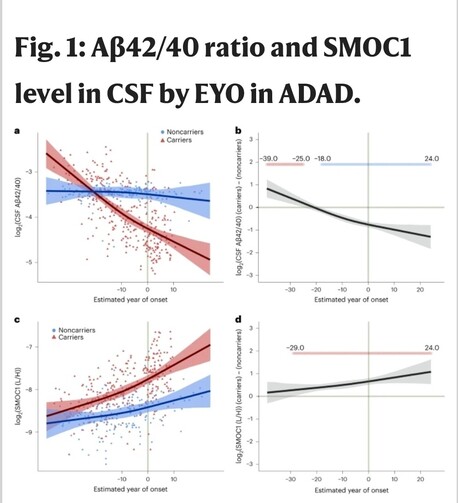
#Proteomic analysis of cerebrospinal fluid from individuals with autosomal dominant #Alzheimers disease reveals how this complex and chronic disease evolves over many decades

"Our results highlight the multifaceted landscape of AD pathophysiology and its temporal evolution. Such knowledge will be critical for developing precision therapeutic interventions and biomarkers for AD beyond those associated with Aβ and tau."
@naturemedicine

https://www.nature.com/articles/s41591-023-02476-4

Cerebrospinal fluid proteomics define the natural history of autosomal dominant Alzheimer’s disease - Nature Medicine

Proteomic analysis of cerebrospinal fluid from individuals with autosomal dominant Alzheimer’s disease reveals how this complex and chronic disease evolves over many decades.

Nature

A @pastelbio favourite #proteomic post from the last couple of months …

Pastel BioScience on Twitter https://twitter.com/PastelBio/status/1669273550065225729

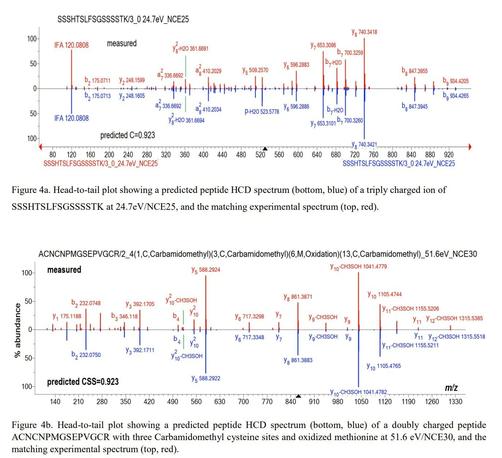
UniSpec: A Deep Learning Approach for Predicting Energy-Sensitive Peptide Tandem Mass Spectra and Generating Proteomics-Wide In-Silico Spectral Libraries | https://www.biorxiv.org/content/10.1101/2023.06.14.544947v1 #proteomics

Pastel BioScience on Twitter

“UniSpec: A Deep Learning Approach for Predicting Energy-Sensitive Peptide Tandem Mass Spectra and Generating Proteomics-Wide In-Silico Spectral Libraries | https://t.co/YwxEMdZ9pV #proteomics”

Twitter

A @pastelbio favourite #proteomic post from the last couple of months …

Pastel BioScience on Twitter https://twitter.com/PastelBio/status/1666359345498722306

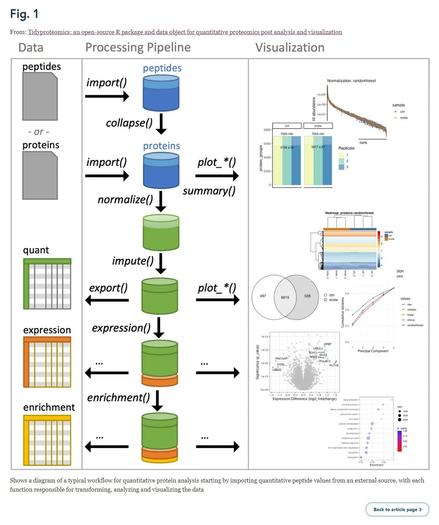
Tidyproteomics: an open-source R package and data object for quantitative proteomics post analysis and visualization | https://bmcbioinformatics.biomedcentral.com/articles/10.1186/s12859-023-05360-7 #proteomics

Pastel BioScience on Twitter

“Tidyproteomics: an open-source R package and data object for quantitative proteomics post analysis and visualization | https://t.co/aioLUnYTnW #proteomics”

Twitter

A @pastelbio favourite #proteomic post from the last couple of months …

Pastel BioScience on Twitter https://twitter.com/PastelBio/status/1669308792746520577

Evaluation of the Limit of Detection of Bacteria by Tandem Mass Spectrometry Proteotyping and Phylopeptidomics | https://www.mdpi.com/2076-2607/11/5/1170 #proteomics

Pastel BioScience on Twitter

“Evaluation of the Limit of Detection of Bacteria by Tandem Mass Spectrometry Proteotyping and Phylopeptidomics | https://t.co/gWKIPV74iv #proteomics”

Twitter