"I would say it's no longer a technical challenge. It becomes an economic challenge, right? Do we have the money to pay for it and do we want to pay for it."

That’s James Willcocks, project director of Predator Free Wellington (PFW), reflecting on how native bird numbers have more than doubled on Wellington’s Miramar Peninsula suburb. That’s because of the intensive control of predatory pest mammals. Pest control technologies are at a point that NZ cities can be filled with many more native birds, if enough of us want it.

https://www.rnz.co.nz/news/national/581731/native-bird-numbers-double-in-miramar-peninsula

#conservation #birds #nz #PredatorControl #RNZ

Native bird numbers double in Miramar Peninsula

Predator Free Wellington says efforts to eliminate predators have led to increased numbers of kōtare (kingfisher), pīwakawaka (fantail), riroriro (grey warbler), and tūi being observed.

RNZ
Sausage used as secret weapon in war against feral cats

Sausage baits to control feral cat numbers are producing exciting results, DOC says.

RNZ

We've got two new chickens, which my wife yesterday named Buffy and Willow. By strange coincidence a miniature vampire (AKA a stoat) showed up in our garden this morning, so we set out our trap to do some slaying.

I'm not sure if Buffy and Willow have quite got this figured out as they've settled down on top of the trap.

#chickens #garden #nz #PredatorControl

@rnzbot_nz That’s a great story about someone on the front line of conservation in Aotearoa-NZ.

“Stoats are truly incredible creatures and they are taonga to their home ecosystems and their home indigenous people. Same with possums. Many Aboriginal people really revere the possum … When I trap a possum, I make sure that I treat it the way that I think those Indigenous peoples would see fit."

#conservation #PredatorControl #trapping #hunting #nz #Aotearoa #nature

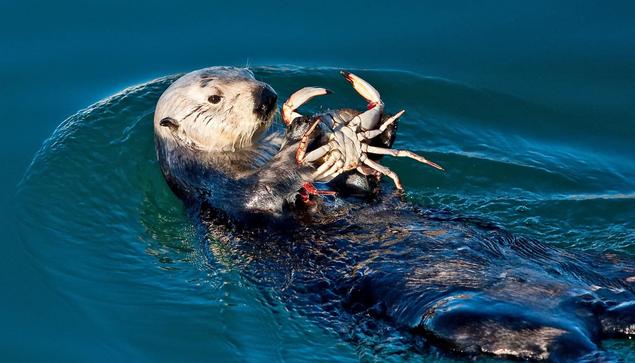
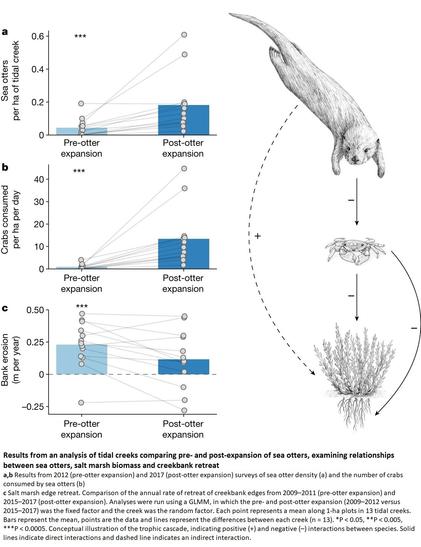
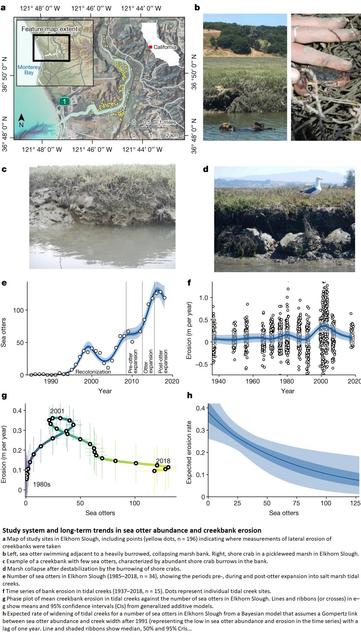
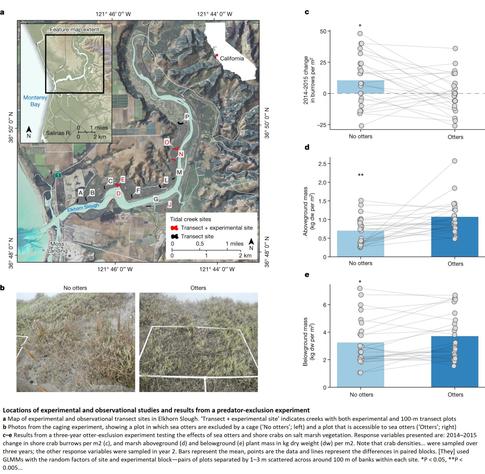
Top-predator recovery abates geomorphic decline of a coastal ecosystem - Nature

Sea otters recolonizing an estuary in California indirectly reduce erosion by reducing burrowing crab abundance, suggesting that restoring predators could be a key mechanism to improve the stability of coastal wetlands and other ecosystems.

Nature