5/
The "Bodyguard" Bonus
Additionally, tiny crustaceans love to graze on the algae that grows on the #seagrass, which can block sunlight. By using the grass as a hunting ground, the #pipefish acts as a miniature pest-control unit, keeping the blades clean so the plant can photosynthesize efficiently.

So while the classic definition leans toward "no harm, no foul," the reality is a beautiful, circular economy where the plant provides the home, and the fish pays rent in fertilizer and security!

4/
Seagrass beds often grow in nutrient-poor, sandy waters. The droppings from pipefish, seahorses, and other residents provide a direct, localized source of vital nutrients like nitrogen and phosphorus.

The pipefish eats tiny, free-swimming crustaceans (amphipods and copepods).

It digests them and releases waste right among the blades of grass.

The seagrass absorbs these nutrients directly through its leaves and root systems, fueling its growth.

#mutualism
#seagrass
#pipefish

2/
The pipefish gets immense benefits: an flawless hiding spot from larger predators, a stable hunting ground filled with microscopic crustaceans, and shelter from strong ocean currents.

The seagrass, meanwhile, is completely unaffected by the tiny, lightweight fish hitching a ride in its leaves.It is the ultimate "free rider" strategy of the ocean.

#biology
#commensal
#pipefish

In biology, a commensal relationship is a type of symbiotic interaction where one organism benefits, while the other is neither helped nor harmed.

For the spotted pipefish (Stigmatopora argus), these relationships are usually forged with marine plants like seagrasses or large seaweeds.

#biology
#commensal
#pipefish

Pipe Dream
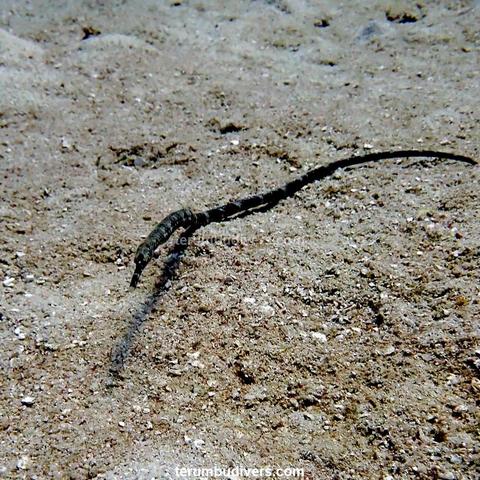
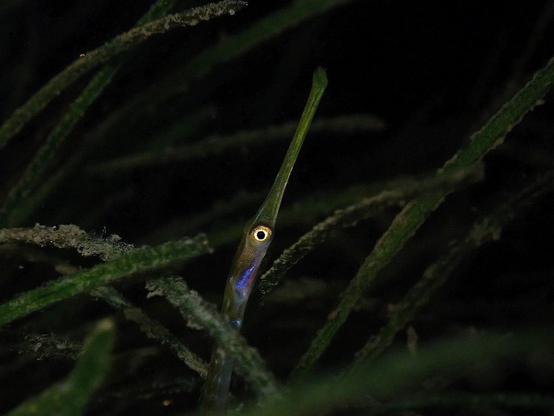
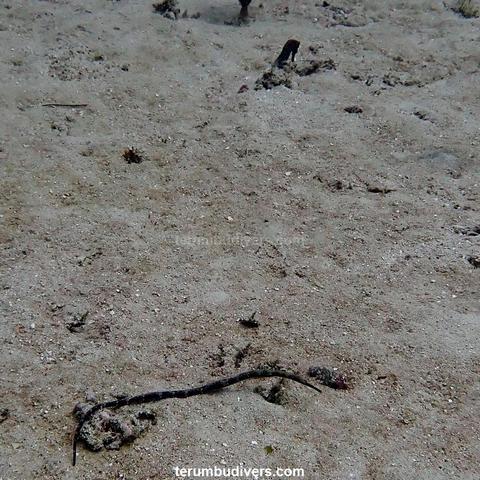
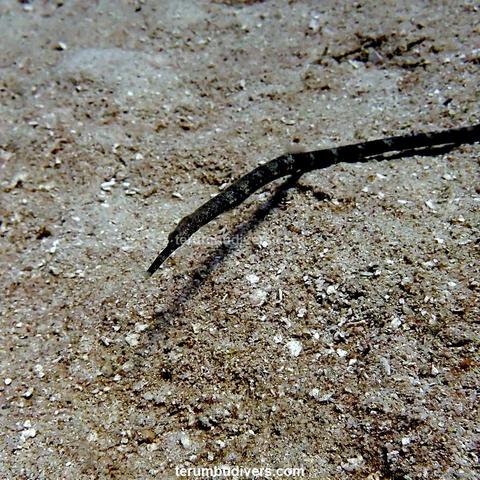
#Pipefish share the family Syngnathidae with seahorses, seadragons and pipehorses, all possessing the same tubular jaws and limited swimming ability. Like their relatives, pipefish have evolved sophisticated camouflage, mimicry and commensal relationships that help them survive in complex habitats. This spotted pipefish (Stigmatopora argus), photographed in the shallow seagrass beds of Trial Bay, Tasmania, is one such master of disguise.
Photograph: Nicolas Horniblow

#photography

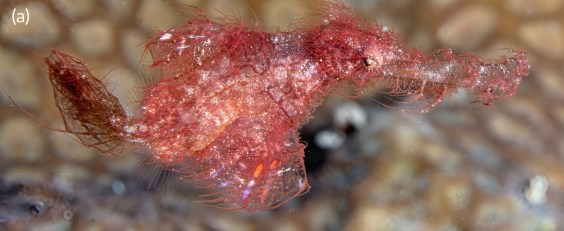
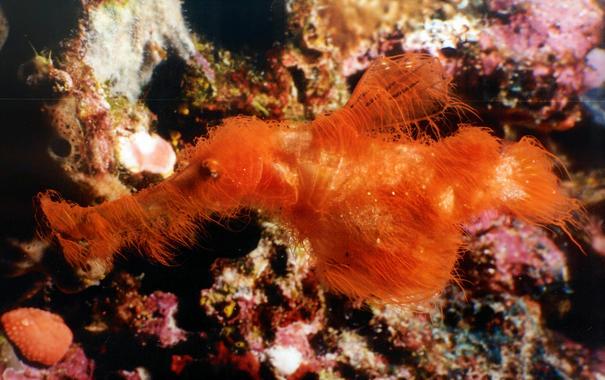
Hairy new #fish species discovered in the Great Barrier Reef https://phys.org/news/2026-05-hairy-fish-species-great-barrier.html

Solenostomus snuffleupagus sp. nov., a hairy ghost #pipefish from the Southwest Pacific, with an integrative comparison to S. paegnius https://onlinelibrary.wiley.com/doi/10.1111/jfb.70497

"These close relatives of seahorses and sea dragons often closely match the color of their surroundings and develop skin filaments that look like algae or coral."

#NewSpecies #GreatBarrierReef #CoralReefs