#techethics #aiethics #democraticresilience #ethicalinnovation #aiforhumanrights #misinformation | TechEthics
𝐓𝐡𝐞 𝐀𝐯𝐚𝐥𝐚𝐧𝐜𝐡𝐞 𝐨𝐟 𝐌𝐢𝐬𝐢𝐧𝐟𝐨𝐫𝐦𝐚𝐭𝐢𝐨𝐧: 𝐖𝐡𝐲 𝐆𝐨𝐨𝐝 𝐀𝐜𝐭𝐨𝐫𝐬 𝐌𝐮𝐬𝐭 𝐃𝐨 𝐌𝐨𝐫𝐞
The avalanche of misinformation is impending; faster, smarter, and harder to stop. The question is: are good actors doing enough to defend against it?
We are entering an era where misinformation is no longer crude, clumsy, or easily dismissed. Text, images, audio, and video can now be generated or manipulated with astonishing realism. These tools, in the hands of “bad actors”, pose a profound threat, not just to politics or public debate, but to every industry and to our personal lives.
The risk is clear: misinformation erodes trust. It undermines reputations, distorts decision-making, destabilises institutions, and spreads confusion in spaces where clarity is essential. A fake executive statement can move markets. A falsified medical advisory can endanger lives. A fabricated video can spark unrest. Once trust collapses, it is slow and painful to restore.
Despite this looming danger, our collective response remains inadequate. Much of the effort from “good actors” has taken the form of guidelines, rules, and voluntary codes of conduct. These initiatives have value, but they are far from sufficient. They act as paper shields against a digital storm.
What is urgently missing are structural counter-measures:
· Robust verification systems that help people distinguish fact from fabrication in real time.
· Scalable frameworks that industry and governments can adopt to identify, track, and counter harmful content before it spreads uncontrollably.
· Collaborative technologies that strengthen trust in digital interactions rather than weaken it.
Without these, the advantage lies firmly with the bad actors, who are agile, well-equipped, and unconstrained by ethics.
This is where organisations like TechEthics have a critical role to play. TechEthics exists to be a good actor in this space: spotlighting the dangers, challenging complacency, and pushing beyond guidelines to create real solutions. Our work is rooted in the conviction that technology can and should serve society, but only if we confront uncomfortable truths about how it is misused.
By fostering dialogue, highlighting risks, and advocating for accountability, TechEthics is helping to build the foundation good actors will need if we are to withstand the onslaught of misinformation.
Deepfakes, false narratives, and weaponised disinformation are not future problems; they are here now, scaling fast, and set to accelerate. The question is whether we will act decisively or remain paralysed by guidelines while bad actors exploit the vacuum.
We need urgency, innovation, and leadership from good actors prepared not just to talk about ethics, but to build real-world systems that can protect trust in the digital age.
The avalanche is coming. The time to act is now.
#TechEthics #AIEthics #DemocraticResilience #EthicalInnovation #AIforHumanRights #Misinformation
 Josef Muehlbauer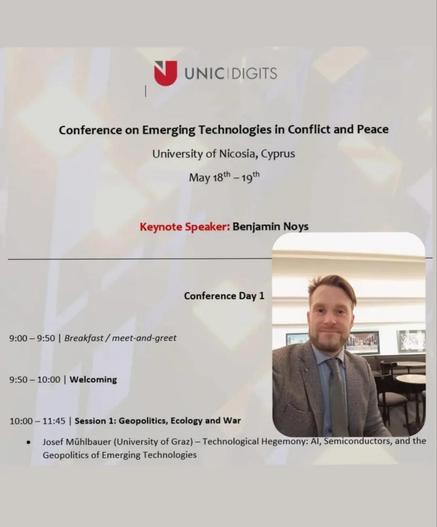
 Techethics Limited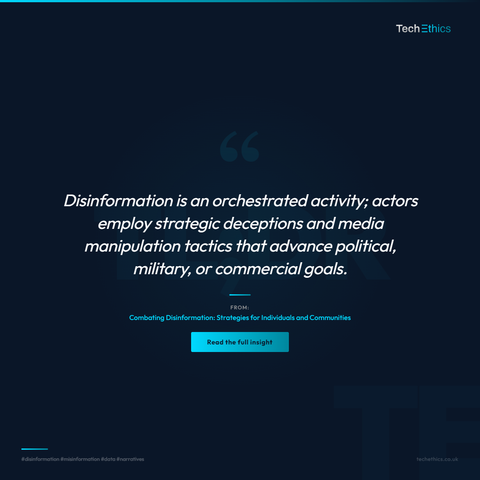
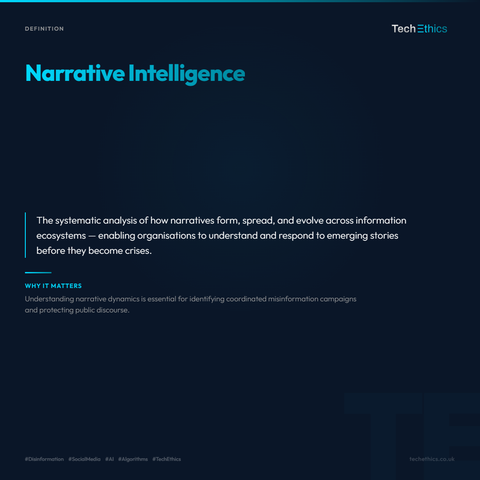
 Harald Klinke
 Harald Klinke
 The Internet is Crack
 Professor Brandon Hamber
 John Lazaridis

 Guy Patrick Banim