Friedrich Wilhelm Murnau. Il primo Oscar della storia

TERZA PARTE Negli anni Venti e Trenta del secolo scorso le cosiddette

la Sinistra quotidiana

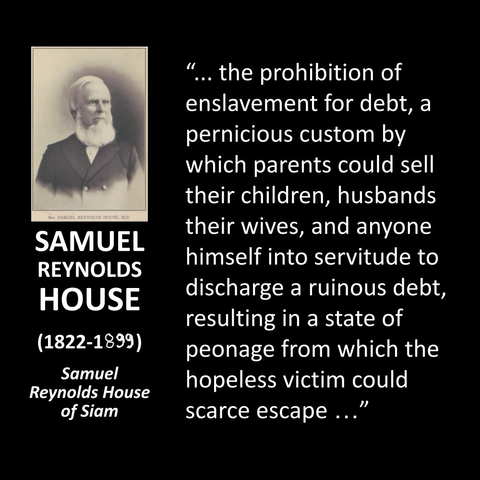
Samuel Reynolds, Presbyterian missionary to Thailand, reflects on effects on the culture of his ministry, such as how debt was handled. It was effectively a life sentence to slavery. Ended as a result of the preaching of the gospel.

Today, would we be more likely to look for a gospel that frees us from criticism of banking?

How can you preach an old time gospel, that could be measured in less debt exploitation?

#christian #ourdailybread #rewireyourbrain #humanity #lovegodslaw

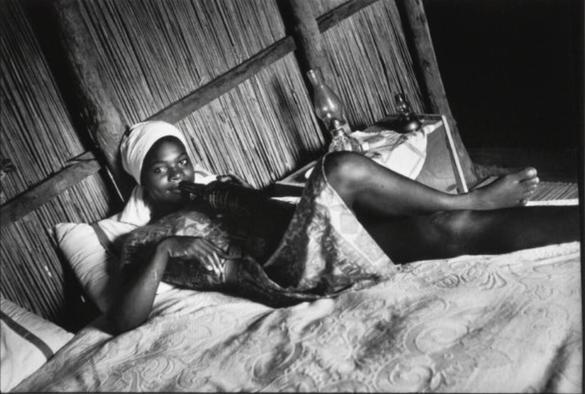
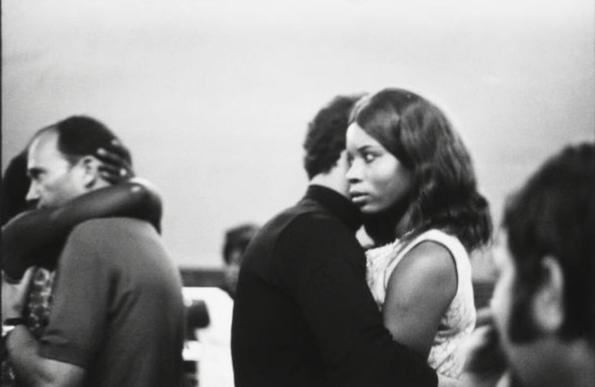
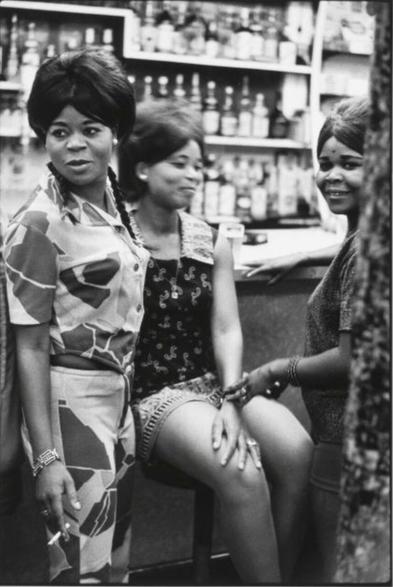
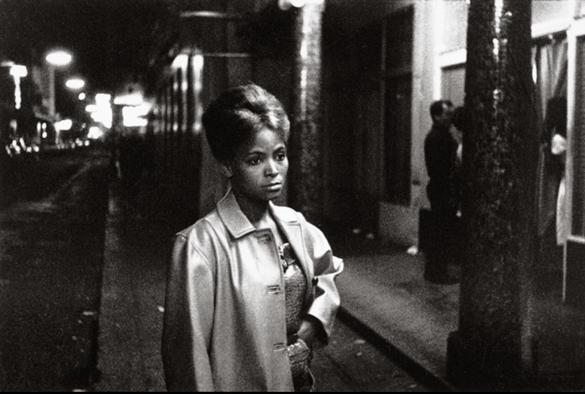
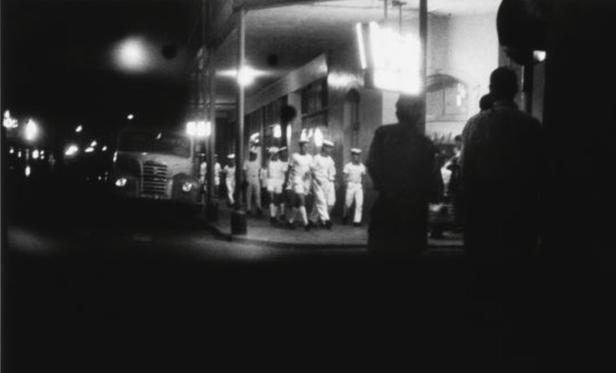
Rua de Araújo, “Pão Nosso de Cada Noite” (Our Nightly Bread)

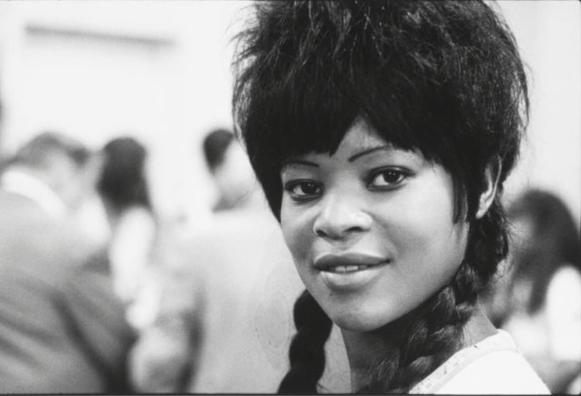
Photographs by Mozambican Photojournalist Ricardo Rangel. Rua de Araújo, the red light district, attracted South Africans and Rhodesians escaping their puritanical regimes at home.

Born in Maputo, Rangel was of African, European and Chinese descent and raised by his African grandmother in the impoverished suburbs surrounding Maputo. Rangel joined with four other Mozambican journalists in 1970 to found a weekly magazine called Tempo, which in effect acted as the only publication in opposition to Portuguese rule. Many of Rangel’s colonial era photographs were banned or destroyed by Portuguese government censors, and could not be published or exhibited until Mozambique's independence in 1975.

“Social injustices—I had to denounce them and the most damning denunciation is visual.”

#ricardorangel #photojournalist #mozambique #africanphotographer #africanphotography #ourdailybread #ruadearaujo #maputo #pãonossodecadanoite #mozambicanphotographer #fotografia #fotografie #bwphotography #bwphoto #schwarzweiss #pretoebranco #noirblanc

Rua de Araújo, “Pão Nosso de Cada Noite” (Our Nightly Bread)

Photographs by Mozambican Photojournalist Ricardo Rangel. Rua de Araújo, the red light district, attracted South Africans and Rhodesians escaping their puritanical regimes at home.

Born in Maputo, Rangel was of African, European and Chinese descent and raised by his African grandmother in the impoverished suburbs surrounding Maputo. Rangel joined with four other Mozambican journalists in 1970 to found a weekly magazine called Tempo, which in effect acted as the only publication in opposition to Portuguese rule. Many of Rangel’s colonial era photographs were banned or destroyed by Portuguese government censors, and could not be published or exhibited until Mozambique's independence in 1975.

“Social injustices—I had to denounce them and the most damning denunciation is visual.”

#ricardorangel #photojournalist #mozambique #africanphotographer #africanphotography #ourdailybread #ruadearaujo #maputo #pãonossodecadanoite #mozambicanphotographer #fotografia #fotografie #bwphotography #bwphoto #schwarzweiss #pretoebranco #noirblanc