Sometimes #art and #criticalconversations need to be obvious to ensure the message is understood...take from Maacah Davis on the Grada Kilombo #oBarco piece from Portugal (via London) to undo the erasure of the history of the slave trade on their shores...
https://www.instagram.com/reel/ClJv4WZreRx/?igshid=YzFkMDk4Zjk=

Maacah Davis on Instagram: "Portugal Part 2: a serendipitous connection from London to Lisbon.
In my first year as a global arts funder, I’ve done a lot of my work through a philanthropy lens. I needed to tune into the conversation happening in the art space. So, I went to London and Paris for two of the biggest international art fairs in the world. Everything around that was spontaneous. For instance, while I was in London, my art adviser @highbrowrambler told me to try to make it to @154artfair “if I could.” I did.
One piece I experienced is “The Boat” by @grada.kilomba, in the courtyard of @somersethouse. While I appreciated the aesthetic beauty of the piece and the historical significance of the location, as a woman who grew up in West Africa, I originally felt like the piece was a little ~obvious.~ There was nothing to interpret: “The Boat” was a slave ship, and the performance piece told a story of the enslaved. “[The piece] wasn’t that deep,” was my first reaction. Who was this for?
I’d never heard of Grada before London, and I didn’t yet know that I would meet activist @myriamtaylorofficial, so it wasn’t until I went to Lisbon weeks after that I understood just how cleanly Portugal has erased its role in that part of history. Miryam chose our dinner venue because @espacoespelhodeagua is currently a Black-owned restaurant on the port where the #PadraodosDescobrimentos stands, celebrating the Portuguese as “explorers.” 🫠 She echoed the sentiment I’d felt (see: my last reel), and she called Portugal “the Silicon Valley of the slave trade.”
Something about having another black woman I’d never met name the discomfort I’d been feeling unlocked something in me. I wasn’t alone and my grief wasn’t irrational.
My visit to Lisbon reframed my London experience of Grada’s piece, giving it a new complexity. It needed to be as unambiguous and “obvious” as it is, and displayed in places that have erased and pretended and forgotten. Sometimes, presence *is* the impact. Especially when you consider the source: a Lisboa-West African creator telling you to stop hiding history and face it. Grieve it. Honor it.
“The Boat” is exactly what it needs to be.
—
#travelthoughts#blackgirlswhotravel"
Maacah Davis shared a post on Instagram: "Portugal Part 2: a serendipitous connection from London to Lisbon.
In my first year as a global arts funder, I’ve done a lot of my work through a philanthropy lens. I needed to tune into the conversation happening in the art space. So, I went to London and Paris for two of the biggest international art fairs in the world. Everything around that was spontaneous. For instance, while I was in London, my art adviser @highbrowrambler told me to try to make it to @154artfair “if I could.” I did.
One piece I experienced is “The Boat” by @grada.kilomba, in the courtyard of @somersethouse. While I appreciated the aesthetic beauty of the piece and the historical significance of the location, as a woman who grew up in West Africa, I originally felt like the piece was a little ~obvious.~ There was nothing to interpret: “The Boat” was a slave ship, and the performance piece told a story of the enslaved. “[The piece] wasn’t that deep,” was my first reaction. Who was this for?
I’d never heard of Grada before London, and I didn’t yet know that I would meet activist @myriamtaylorofficial, so it wasn’t until I went to Lisbon weeks after that I understood just how cleanly Portugal has erased its role in that part of history. Miryam chose our dinner venue because @espacoespelhodeagua is currently a Black-owned restaurant on the port where the #PadraodosDescobrimentos stands, celebrating the Portuguese as “explorers.” 🫠 She echoed the sentiment I’d felt (see: my last reel), and she called Portugal “the Silicon Valley of the slave trade.”
Something about having another black woman I’d never met name the discomfort I’d been feeling unlocked something in me. I wasn’t alone and my grief wasn’t irrational.
My visit to Lisbon reframed my London experience of Grada’s piece, giving it a new complexity. It needed to be as unambiguous and “obvious” as it is, and displayed in places that have erased and pretended and forgotten. Sometimes, presence *is* the impact. Especially when you consider the source: a Lisboa-West African creator telling you to stop hiding history and face it. Grieve it. Honor it.
“The Boat” is exactly what it needs to be.
—
#travelthoughts#blackgirlswhotravel". Follow their account to see 582 posts.
Incendio de
#OBarco de
#ValdeorrasImágenes RGB e Infrarroja del 8 De julio y el 23 de Julio.
 Vinetur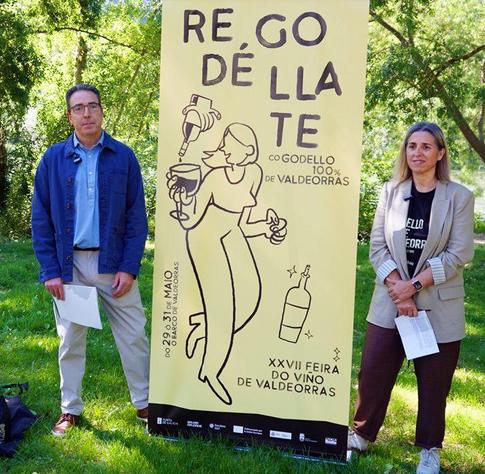

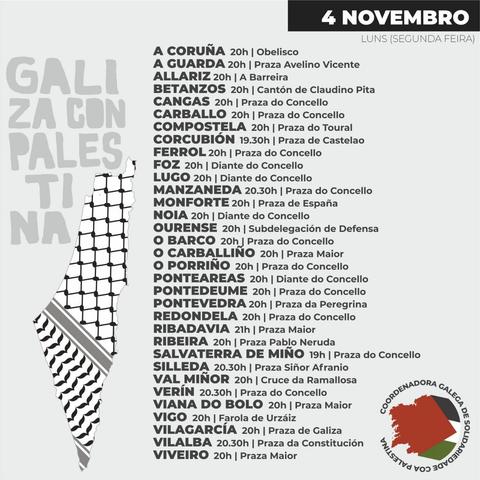
 BDS Galiza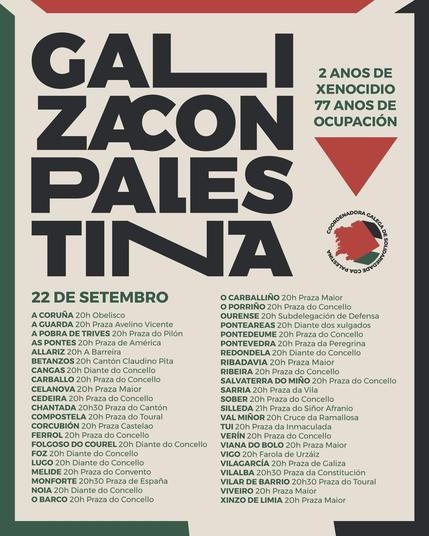

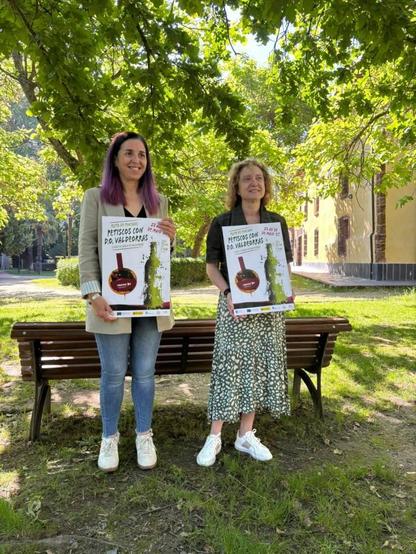
 ALKAT
ALKAT IMVEC
IMVEC