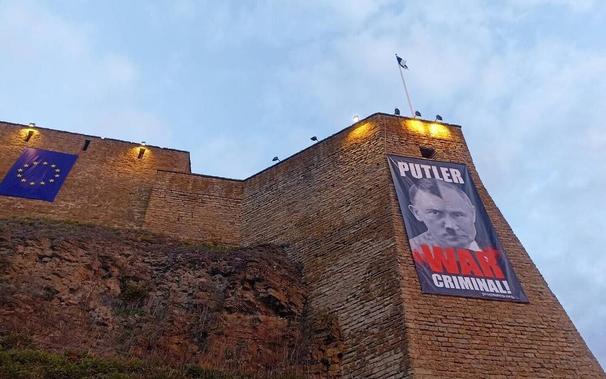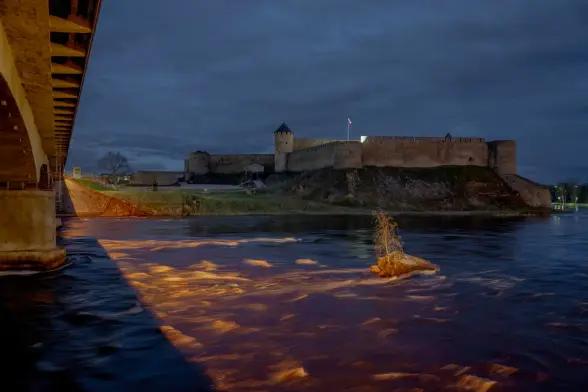
Commenting on media reports about #Narva #Estonia separatist movements claiming they want to go to #Russia, Estonian journalist Toomas Hendrik Ilves produced this comparison[^1]
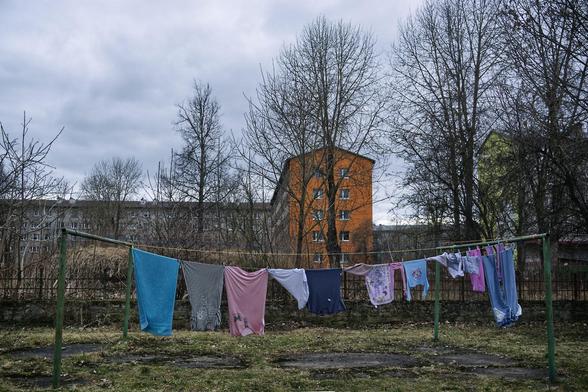
Average monthly salary in Narva: €1472, across the river in Ivangorod: 200-400 USD, i.e. 180-360€. In Estonia: quality education, healthcare.
Estonian basic pension, 817€/mo. Russia 240€
In Ivangorod, young men get sent to fight in Ukraine. In Estonia young men and women go study in Italy under the EU Erasmus programme
Estonia: #2 in freedom of the press. Russia: #171 out of 180 countries.
All permanent residents of Estonia, i.e. everyone in Narva enjoy free movement within the EU, i.e. you can live and work anywhere in the European Union. In Russia, well, there’s always Kamchatka.
This is all very rational and questions the sanity of any person that would really call for Narva to join Russia. The obvious problem here is in how many people actually think rationally in the area in question?
There’s an excellent book by Vorotyntseva & Kazansky “How Ukraine lost Donbas?” that shows all the complexity of the situation in #Donbas before 2014.[^2]
Technically, Donbas was richer than many Ukrainian and Russian regions in vicinity, at least on macroeconomic scale. But that’s where macro reality starts to diverge from the physical reality on the ground, because Donbas also concentrated all the typical problems of Russia & Ukraine of that time - huge income disparities and mafia controlling most state & private enterprises.
On top of that, add Kyiv practically giving up any attempts to regain political control over the whole Donbas for years, tolerating the local ‘elites’ who they believed aren’t a threat. Yet, Russians clearly found a vector on these elites that somehow bypassed their purely financial motives.
Can’t speak of Narva, so just adding this comment here for possible discussion from people who know more.
[^1]: https://xcancel.com/IlvesToomas/status/2034738061376925895?s=20
[^2]: https://bookwyrm.social/book/1761859/s/how-ukraine-lost-donbas