 am730
am730新一代便攜式藍牙喇叭 Harman Kardon Luna 2正式發售
https://www.am730.com.hk/市場資訊/1030591/新一代便攜式藍牙喇叭-harman-kardon-luna-2正式發售
https://www.am730.com.hk/市場資訊/1030591/新一代便攜式藍牙喇叭-harman-kardon-luna-2正式發售
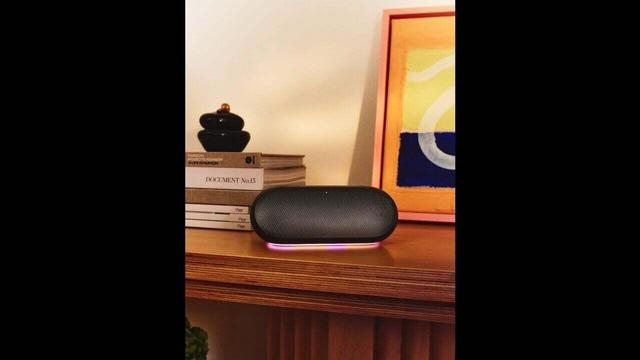
Nowa Luna 2 od Harmana debiutuje w Polsce. Sprawdzamy, co faktycznie kryje się za hasłem „AI Sound Boost”
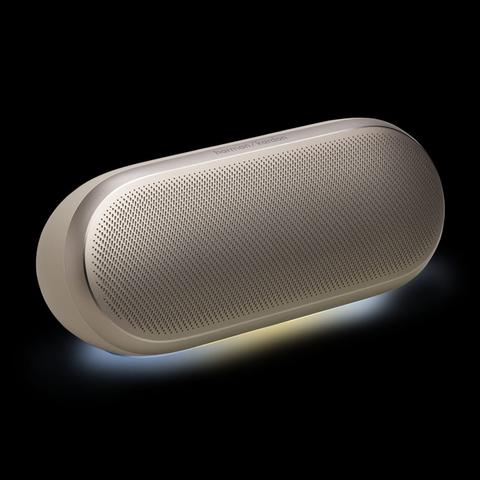
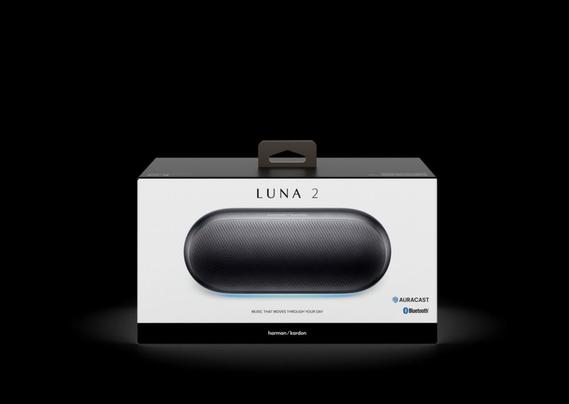
Na polski rynek oficjalnie trafia Harman Kardon Luna 2 – najnowsza odsłona przenośnego głośnika Bluetooth od uznanego producenta.
W zalewie podobnych do siebie urządzeń audio, marka próbuje przyciągnąć klientów modnym ostatnio dodatkiem sztucznej inteligencji oraz rozbudowanymi opcjami łączenia wielu głośników. Zdejmujemy warstwę marketingowych obietnic i sprawdzamy na papierze, co faktycznie oferuje ten sprzęt.
Dźwięk pod dyktando algorytmów
Głównym technologicznym wyróżnikiem nowej Luny ma być system AI Sound Boost. Producent deklaruje, że oprogramowanie analizuje sygnał audio w czasie rzeczywistym, optymalizując jego parametry. W praktyce ma to chronić dźwięk przed zniekształceniami przy wysokich poziomach głośności, zapewniając bardziej zrównoważone brzmienie i głębszy bas. Tego typu algorytmiczne „wspomagacze” coraz częściej pojawiają się w nowoczesnym sprzęcie audio, ale ich realna skuteczność bywa bardzo różna i często zależy od gatunku odtwarzanej muzyki.
Odkładając jednak sztuczną inteligencję na bok i patrząc na twarde, fizyczne dane: za brzmienie odpowiada tu 62-milimetrowy przetwornik niskotonowy (o mocy 25 W RMS) wspierany przez 20-milimetrowy przetwornik wysokotonowy (15 W RMS). Taki układ pokrywa pasmo przenoszenia w zakresie od 58 Hz do 20 kHz.
Nowoczesna łączność i „zbliżeniowe” parowanie
Luna 2 nadrabia zaległości w kwestii standardów komunikacji bezprzewodowej. Na pokładzie znalazł się nowszy moduł Bluetooth w wersji 5.4, pozwalający m.in. na jednoczesne podłączenie dwóch urządzeń mobilnych.
Zdecydowanie najciekawiej prezentują się dwie technologie stworzone z myślą o rozbudowie domowego systemu:
Solidny, choć nie wybitny standard plenerowy
Jak przystało na sprzęt przenośny, obudowa ważąca niespełna 735 gramów uzyskała certyfikat IP67. Gwarantuje to całkowitą odporność na wodę i kurz. Wbudowany akumulator ma według specyfikacji producenta wystarczyć na 12 godzin nieprzerwanego odtwarzania muzyki. To solidny, branżowy standard, choć warto zaznaczyć, że w tej klasie cenowej na rynku znajdziemy rywali, którzy potrafią zagrać o kilka godzin dłużej.
Głośnik został wyposażony w zintegrowane oświetlenie ambientowe z sześcioma różnymi motywami świetlnymi. Całością funkcji zarządzamy z poziomu dedykowanej aplikacji Harman Kardon One.
Cena i bezpośrednia konkurencja
Sugerowana cena detaliczna modelu Luna 2 została w Polsce ustalona na 759 zł. W segmencie kompaktowych głośników do 800 złotych panuje potężny ścisk, co oznacza, że nowość Harmana będzie musiała zmierzyć się bezpośrednio z takimi hitami sprzedażowymi jak JBL Charge 5, Sony z serii ULT Field czy Ultimate Ears (UE Boom).
Solidne wykonanie, nowoczesne standardy na czele z Auracast i mocna marka mogą sprawić, że nowość od Harmana obroni swoją pozycję na półkach – o ile obietnice dotyczące działania sztucznej inteligencji AI Sound Boost faktycznie potwierdzą się podczas niezależnych, redakcyjnych odsłuchów.
Ikona designu w nowym świetle. Harman Kardon Aura Studio 5 debiutuje w Polsce
#AISoundBoost #Auracast #głośnikBezprzewodowy #głośnikBluetooth #HarmanKardon #JBLChargeKonkurencja #Luna2 #nowościTechnologiczne #sprzętAudio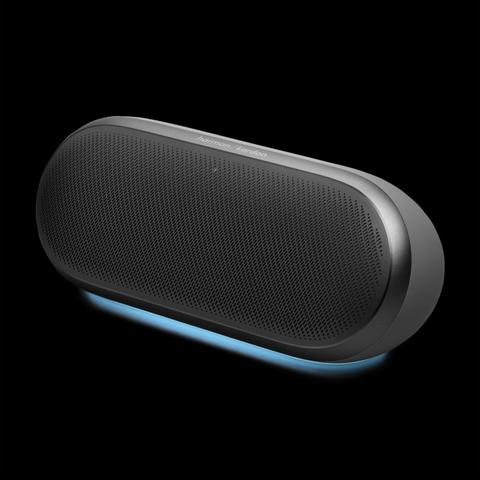
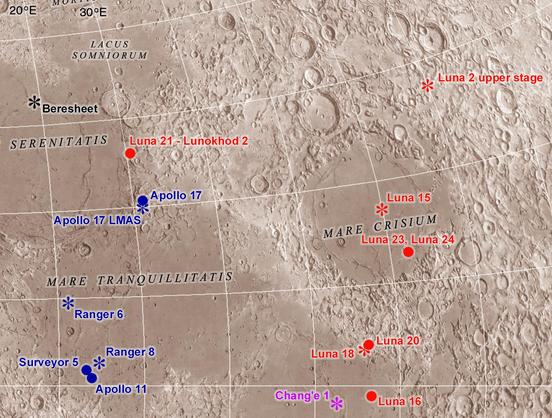
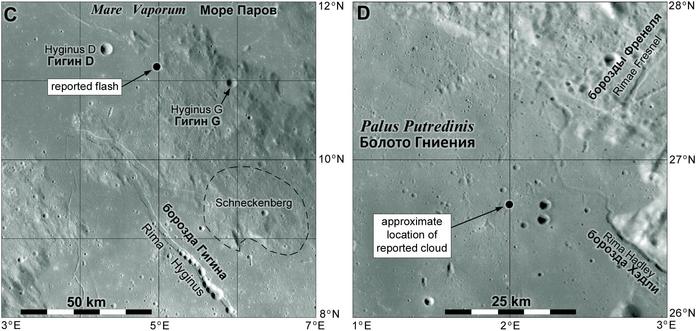
I linked to Don Mitchell's Luna 2 site, but in a reply Nick Stevens gave a link to his substack, and it's very useful, that post and earlier ones (I really like the space propaganda posters). Well worth a look.
Back to Luna 2 - where did it hit the Moon? Don Mitchell mapped the location constraints, and my map here is only a redrawing of that. Basically there was a target, and tracking suggested the impact was northwest of it, a square on the map... #maps #moon #luna2
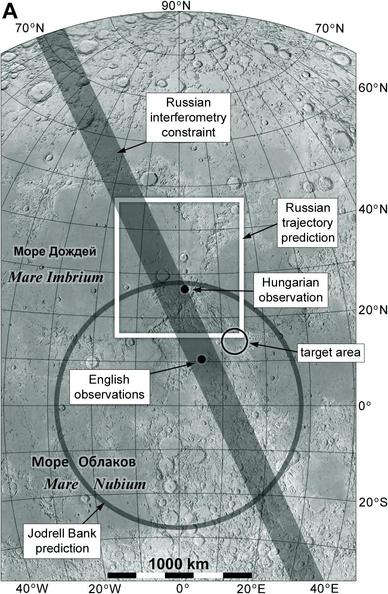
A very good site for Luna 2 is this by Don Mitchell:
http://mentallandscape.com/L_Luna2.htm
So, we have a spherical shell with several antennae and a magnetometer on a boom. See the trajectory diagram - the trajectory is a plane inclined to the Moon's orbit plane - it's not perpendicular to the orbit plane. Luna 2 and other attempts to do the same thing always approached the Moon from a position north of the orbit and a bit to the right of the Moon's prime meridian. #moon #Luna2
 Agnieszka Serafinowicz
 Phil Stooke