Modern problems with scientific naming: Example – Bigfoot
An article advanced-published on 14 November 2024 in the Journal of Mammalogy calls out the problem with poor naming practices of proposed new species in our internet age. One of the most famous examples of poor practice was that of Melba Ketchum, et al., who not only did a terrible job analyzing DNA from “Bigfoot” but also used a pop-up journal to give Bigfoot another useless name.
The “Perspective” piece by Ruedas, Norris, and Timm, titled “Best practices for the naming of species“, explains that there are set rules to effectively naming new species. Naming is governed by the International Commission on Zoological Nomenclature (ICZN) based on the 10th edition of Linnaeus’s Systema Naturæ published likely in 1758. Linnaeus’s system of nature called a consistent use of two Greek or Latin words to denote genus and species.
A person who wishes to designate an organism as a new species must publish the name and description according to the rules in the code of the ICZN. But that frequently does not happen as it should leading to “descriptions that fail to meet standards outlined in the Code” that “can create problems for years afterwards, with any number of unfortunate—and often unforeseen—consequences.”
For example, when authors propose new names that fail to meet the standards in the Code, these names are unavailable. They are called “naked names” (singular = nomen nudum; plural = nomina nuda). The description and name is invalid. The real world effect of these errors is that, if we cannot clearly define the organism we are talking about, we can’t effectively study or protect it.
Ruedas, et al. goes on to describe what makes a good naming process. Additionally, they note issues with electronic publications, which are more prevalent now than in… uh… 1758. The ICZN Code addresses that. It might be argued, they say, that an HTML version of the description can never be the version of record because it’s impermanent.
When you don’t have an actual Bigfoot
There is also a problem with not having a holotype specimen when we now have photographic, video, and DNA evidence instead of a collected sample. While it’s not prohibited, things can get messy if you only have a photo or video to document the find. The example given of an “absurd situation” is that of Bigfoot/Sasquatch. I don’t think the paper’s authors were aware of (or maybe they chose not to go down that hole) of the many instances of people proposing names for Bigfoot and other cryptids on a whim and thinking those names would be valid. This happened before that of the infamous Melba Ketchum and her Bigfoot DNA/Sasquatch Genome debacle. But Ketchum was name-checked in this article because, out of all the rules she didn’t follow, she DID register Homo sapiens cognatus with the ZooBank, the official registry of the ICZN. The name is a nomen nudem because it was missing every other requirement, including a description. Not mentioned in the article is the fact that the Denovo journal that she created herself to publish this one paper (after failing to get it into Nature because the science was so bad), has now disappeared from the internet. It no longer exists.
A second example related to Bigfoot is that of the Patterson-Gimlin Film which is the visual of this creature that everyone recognizes, seemingly from childhood. If a name was given to the creature based on this film, and it turned out that it was a man in horsehide suit as suspected, the name would apply possibly either to the man or to the horsehide as a holotype! That spirals even further into nomenclature chaos, but you can read the article if you want to hear what would happen regarding synonyms.
Unsurprisingly, this tactic has been attempted! In 2017, an alternative healer, Dr. Erich Hunter, described and named the animal based on the 1967 film. He self-published a document on CreateSpace calling the creature Kryptopithecus gimlinpattersonorum (Hunter 2017). The document, “Kryptopithecus gimlinpattersoni, A New Species of Bipedal Primate (Primates: Hominidae) From Humboldt County, California USA” (later edited to “gimlinpattersonorum” as noted above), is a legitimate way to declare a species – since it was printed and could be archived. But Hunter couldn’t follow the rules, either. The original species name was “gimlinpattersoni” which appeared on the cover and in the released print/Kindle copy. That is incorrect Latinization and there is no legitimate way to fix it. Sloppy Latin was just one of the problems in this Bigfoot naming ceremony.
Like Ketchum, Hunter registered the name in ZooBank. That makes no difference. The Code or the registration of the name includes no judgment on the validity of the species description or characterization. The ICZN code, however, explicitly prohibits naming hypothetical concepts. Until a part of a body is found and clearly documented by a professional who knows what they are doing, Bigfoot remains hypothetical. No past used name would legitimately apply unless (I think) it could be proven that the previous name was referring to the same creature. Considering all the things out there that are called a Bigfoot, but aren’t, that’s a heavy lift.
Finally, this process reminds me of the ridiculous stunt pulled as part of the Lost Monster Files show where they named a chupacabra by plucking fun, cool words out of the air. That was just idiotic. There have been past attempts to name the Loch Ness Monster and Cadborosaurus, too. Some of those names are still circulating in the cryptid literature today, misleading the audience to assume that such names are valid and represent a creature yet to be captured. Since there is no distinct description of what the creature was (they possibly could have been just a wave or an already named big fish), the suggested name means nothing without the definitive description. Don’t let amateurs play the zoological name game.
#Bigfoot #binomialNomenclature #Cryptozoology #howToNameNewSpecies #ICZN #MelbaKetchum #newSpecies #Sasquatch #science #scientific #scientificName #scientificProcess #zoology
https://sharonahill.com/?p=8948
 Rod Page
 Richard Littauer
 Sharon A. Hill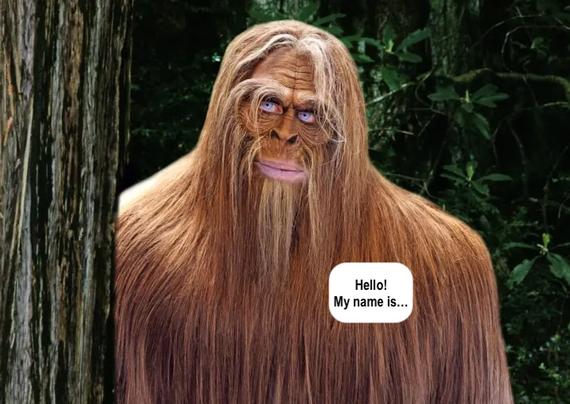

 Tapani Hopkins
 Marc Robinson-Rechavi