Miss Kitty 🌈🌈🌈
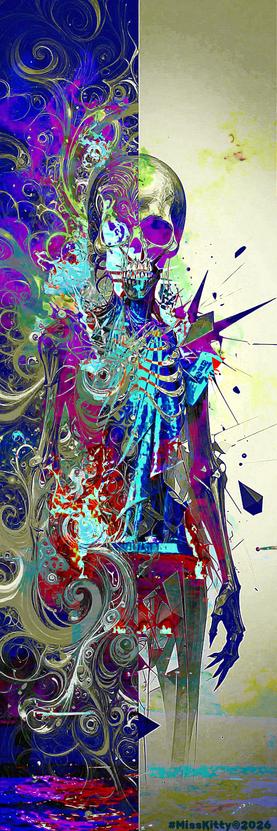
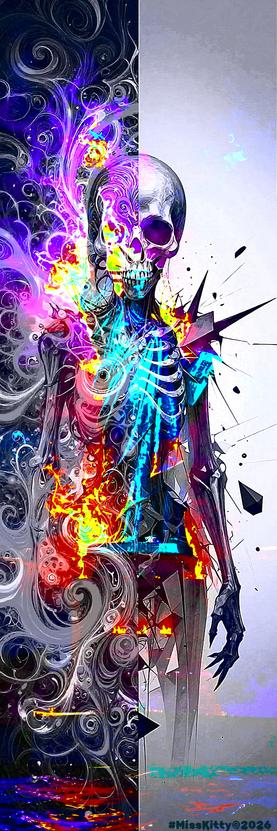
#8K #InfinitePainter
#MissKittyArt #artInstallations
#artcommissions #art #fineart
#GenerativeAI #genAI #gAI
#BlueSkyArt #modernArt #abstractArt #digitalArt #artistforhire
#REMIX #8K-ART #gLUMPaRT #GGTart #640CLUB #unwrappedXMAS
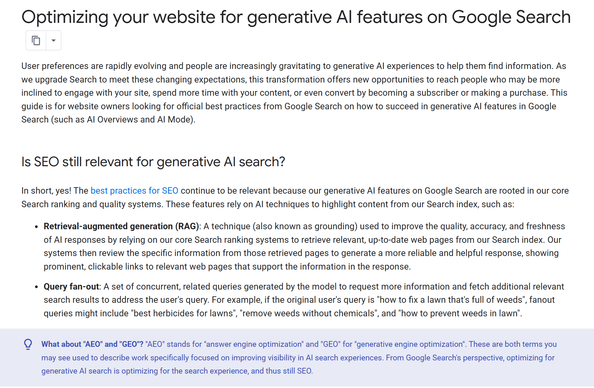
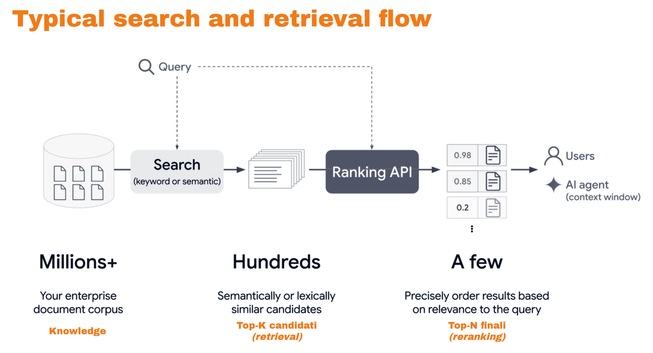
🧠 #Google ha pubblicato un documento interessante che riguarda l'ottimizzazione dei contenuti per le funzionalità #AI nella ricerca.
👉 Alcune riflessioni: https://www.linkedin.com/posts/alessiopomaro_google-ai-llm-activity-7462019608330502144-f4qh
___
✉️ 𝗦𝗲 𝘃𝘂𝗼𝗶 𝗿𝗶𝗺𝗮𝗻𝗲𝗿𝗲 𝗮𝗴𝗴𝗶𝗼𝗿𝗻𝗮𝘁𝗼/𝗮 𝘀𝘂 𝗾𝘂𝗲𝘀𝘁𝗲 𝘁𝗲𝗺𝗮𝘁𝗶𝗰𝗵𝗲, 𝗶𝘀𝗰𝗿𝗶𝘃𝗶𝘁𝗶 𝗮𝗹𝗹𝗮 𝗺𝗶𝗮 𝗻𝗲𝘄𝘀𝗹𝗲𝘁𝘁𝗲𝗿: https://bit.ly/newsletter-alessiopomaro
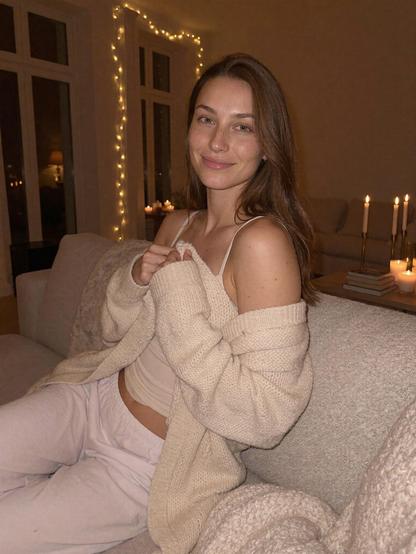
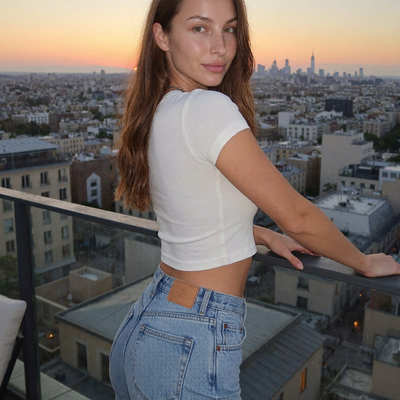
stayed in tonight, no regrets 🕯️📖
#aiinfluencer #aimodel #dailylook #instadaily #generativeai
→ @its.oliviahart on TikTok: https://www.tiktok.com/@its.oliviahart


Justine Moore (@venturetwins)
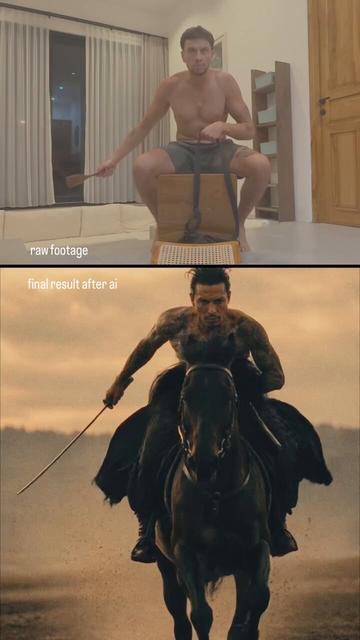
AI 덕분에 이제 한 사람이 영화 한 편을 만들 수 있는 시대가 왔다고 언급합니다. 생성형 AI가 개인 제작자에게 영상 제작 역량을 크게 확장시키고 있음을 강조하는 내용입니다.
Mark Gadala-Maria (@markgadala)
AI 영화 제작이 빠르게 발전하고 있으며, 단편을 넘어 장편 영화 제작으로 확장될 것이라고 전망합니다. 생성형 비디오 도구의 성능 향상과 콘텐츠 제작 파이프라인 변화 가능성을 시사하는 의견입니다.
 Alessio Pomaro
 itsoliviahart
 sayzard