 Howard Smith MD, AM
LFTE Swing Sets Have Defective Seats. These playground swing set seats have rivets supporting the seat that fail causing occupants to fall and sustain injuries. #RecallAlert #ChildSafety #PlaygroundSafety #FallRisk #ConsumerSafety
https://www.instagram.com/p/DWpGqlAjSp4/
https://www.instagram.com/p/DWpGqlAjSp4/
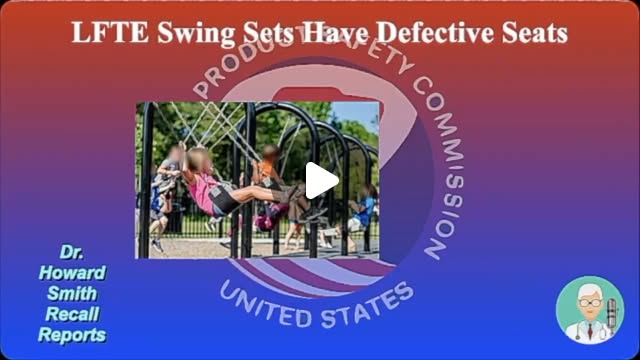
Howard G. Smith MD, AM on Instagram: "LFTE Swing Sets Have Defective Seats These playground swing set seats have rivets supporting the seat that fail causing occupants to fall and sustain injuries. Affected: model number 999604 and code LF-65708. About 7,200 swing seats were sold through Miracle Recreation Equipment and Little Tikes Commercial from January 2025 through September 2025. Discontinue allowing your children to use these swings and contact LFTE USA at [email protected] for a free replacement seat. References On My Website. #RecallAlert #ChildSafety #PlaygroundSafety #FallRisk #ConsumerSafety"
0 likes, 0 comments - drhowardsmithreports on April 2, 2026: "LFTE Swing Sets Have Defective Seats These playground swing set seats have rivets supporting the seat that fail causing occupants to fall and sustain injuries. Affected: model number 999604 and code LF-65708. About 7,200 swing seats were sold through Miracle Recreation Equipment and Little Tikes Commercial from January 2025 through September 2025. Discontinue allowing your children to use these swings and contact LFTE USA at [email protected] for a free replacement seat. References On My Website. #RecallAlert #ChildSafety #PlaygroundSafety #FallRisk #ConsumerSafety".
 Ananda Sidarta
 NeverWas Skateboarding
 Sylvie does books
 Movement Science - Wagner Lab
 Scott E.NJ