Share
Article Stile GrinderGallery

Rancilio Stile with Bambino Plus

Always On

Stile Portafilter Fork and Hook

Control Panel

Stile Grinds Chute

45g Double via the Stile Grinder

Fill the Hopper - Stile Grinder

Rancilio Stile Grinder

Rancilio Stile Box

Portafilter Hook

Grinder Removed

Grind Adjustment

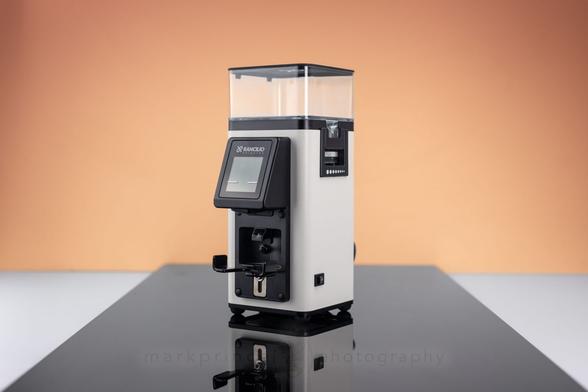
Front View of the Stile

Stile and Ceado

Fork, Hook, and Button

Display Panel in PF Activated Mode

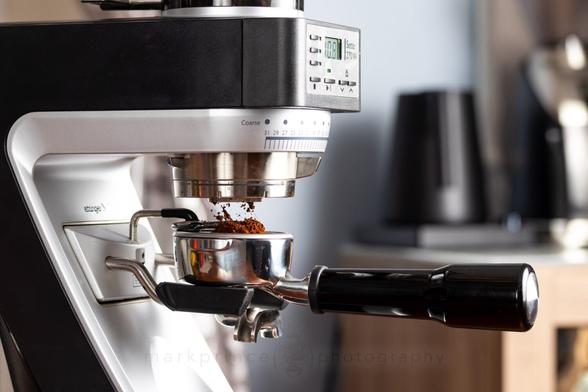
Direct Dosing Grinding with the Rancilio Stile

Rancilio Stile Grinding

Box Opened

The Stile Motor

Single Shot Selected

Grinder Revealed

Back View of the Stile

Stile Hopper and Lid

Bean Shutoff

Stile Portafilter Hook and Button-4

Screw Covers

Display Panel On Demand Mode

18.5g Dose: 8.2 seconds

Grinder in Plastic

Product Information

Rancilio Stile with Lelit Bianca

Power Button and Fork

Hopper Removed

Touch Display Panel

The Grinder

Whereto Buy

Manufacturer Website

Buy from Amazon (US)

Buy here to support CoffeeGeek!

Buy from 1st in Coffee

CoffeeGeek Sponsor! coffeegeek advertisers make this website possible.
advertise with us and reach a global audience.
advertisers make this website possible. a coffeegeek advertiser and supporter.
want to reach a global specialty coffee audience? advertise with us.

Out of the BoxStile Grinder

Rancilio introduced the Stile grinder in 2022 at the Milan Expo. The grinder got its full rollout in North America in 2023, and it is designed as an espresso-primary grinder that can also easily do other brew methods. It is ideally suited for use with the Rancilio Silvia or Silvia Pro X home espresso machines, and is styled to pair with these espresso machines.

Massive, huge kudos to Rancilio for packaging their Stile grinder in environmentally responsible packaging (I should note they also do this with the Rancilio Silvia, the Silvia Pro X and other machines). It is refreshing to see a company use dye-free inks on their plain cardboard boxes, and use cardboard and other environmentally friendly materials in packaging and protecting their products. Rancilio deserves recognition for being one of the few companies to do this. Ceado, take note here.

The Stile comes in a brown cardboard box, and is wrapped with layers of corrugated cardboard and paper. It’s fully assembled, and only requires the removing the the paper outer shell, a plastic wrap, and some tape holding the bin lid and other parts in place. You can have it set up in just a minute or two.

The box is plain, with just black inks, and the product info is on a flat, unglossy sticker.

The main product info is here. No boastful info about the grinder.

Opening the box reveals a lot of crinkly construction paper.

Removed from the box, you can see what Rancilio uses to protect this grinder in transport

The grinder revealed. It's already fully assembled.

Rancilio uses plastic to protect the surface of the grinder during transport. We'll let that pass! 🙂

The Stile grinder, fully unwrapped, with its instruction manual coffeegeek advertisers make this website possible for our readers.
advertise with us and reach a global coffee audience.

Stile GrinderWalk Through

From top down on the Stile grinder, we start with the hopper and lid. There’s an impressive depth to the engineering involved in both. Starting with the lid, it actually can double as the catch plate for placing under the grinds chute, with two tabs that slot underneath the front of the grinder. Smart stuff (I also like keeping the lid on the hopper at all times (it helps reduce noise a bit), so I wonder if one can buy a second lid from Rancilio to use as a catch plate 24.7?).

The 300g capacity bean hopper is made from high grade clear plastic, is square, and continues the engineering design tricks. It has a bean shut off pull arm on the right side, which also disengages the hopper’s lock into the rest of the machine. With the bean shut off pull recessed, the hopper is tightly secured in the grinder. Pull out the bean shut off tab, and the hopper can now be removed.

The hopper sits easily on any tabletop (many hoppers sort of wobble around if you place them on a countertop). The hopper is designed so it engages a microswitch when inserted into the machine; the motor will only run when this microswitch is pressed.

The Stile 300g hopper and the lid. Note the two back tabs on the lid: this allows the lid to slot under the grinder and act as a catch plate.

The hopper bean shutoff is located on the right side.

In fact, the hopper can only be removed from the grinder if this slide-out shutoff is pulled out.

The hopper removed, shows the burr chamber.

Grind Adjustment

Moving down the machine, on both sides below the hopper is the grind adjustment dial. The dial is beefy and dense and moves “thickly” but fluidly. It feels very solid and commercial grade.

Technically the Rancilio Stile is a “stepped” grinder, in that each tick on the grind dial registers a click you can hear, but in reality, this is a stepless grinder because you can leave the grind selection anywhere between each clicked area, and it will generally stay put. That said, there are over 80 clicks on the dial, going from choke-your-machine extra fine espresso grind, to a very coarse press pot grind.

The grind adjustment dial is accessible on both sides of the grinder.

In fact, grabbing the dial on both sides leads to better tight control on the stepless grind adjustment.

Controls

Up front is the deceptively simple (it’s not – it can get complicated) controls for the grinder, all operated via a capacitive touch screen.

The Stile gives you options. This grinder can be operated as

  • an automatically timed grinder (with two timer settings for single and double shots);
  • a pulse touch grinder that runs as long as you hold the pause button on the screen (to a max of 20 seconds);
  • an auto timed grind with pause function (for removing the portafilter and settling the dose before restarting);
  • a count-up grinding option that starts at 0 seconds and grinds for up to 20 seconds or until you stop it;
  • a portafilter-activated timer grinder that automatically pauses when you remove the portafilter;
  • and a manual count-up grinder function also activated via the portafilter insertion.

Phew. Maybe a video will help.

One note about the display: it is always on (when the grinder’s power switch is turned on) and the numbers and iconographs are a very bright white. The display will not dim or turn off after a few hours of non use. Something to keep in mind.

The display panel in Portafilter activated mode, displays the type of shot (double) and the count down timer.

The display panel is in portafilter activated mode, with the single shot timing selected.

In on demand mode, the panel display 0.0 and both shot buttons.

The display is "always on" (unless you turn the switch on the side of the grinder off).

Grinds Chute and Portafilter Fork

Up front is the business end of the grinder, where the coffee comes out. It is a chute system and there is a height-adjustable rubberized fork for a portafilter or small dosing cup to rest on. Rancilio is working on a set of accessories for their home espresso lineup, and I’ve been told a dosing cup for the Stile is in the works.

We haven’t had a full look at the chute system yet, as it is behind the touch display panel, but the output of the grinder is static free, fluffy (no clumps) and the retention we tested on the grinder is very minute: less than .3g when the grinder was tested as single dose grinder. So Rancilio is doing something very right with the chute design.

The fork has a catch lip designed to accommodate and hold in place, hands free, a portafilter. Every 58mm portafilter I tried with the grinder fits, including chopped models. 57mm and 54mm portafilters also work, with the exception of the Breville 54mm triple bayonet portafilters, which won’t sit on the forks hands free: you have to hold the portafilter in place.

There is a pulse-activation button below the chute on the Stile’s vertical back plate. This is a tactile, mechanical button that is electronically enabled (or disabled), depending on which timing mode you’ve set up on the control panel. Activating the button works with almost every portafilter I’ve tried, except for Lelit’s fancy wraparound spout portafilters, and the 54mm triple bayonet Breville portafilters.

The portafilter fork and hook system and the push-button activator for the grinder.

Note the grippy material on the portafilter fork.

The portafilter fork, hook and button. The height of the fork can be adjusted below via that hex nut.

The dosing chute after about 20kg through it. I couldn't spot a plasma coil.

I have one other observation about the portafilter fork and the hook system. 

The fork itself is covered with a rubberized “sticky” kind of material that really holds the portafilters in place, even chopped ones. It’s so effective, that you don’t even have to fully “hook” the portafilter basket in order for everything to stay secure and in place. Look at this photo: the filter basket is actually resting on the tip of the hook; it isn’t “captured” by the hook, yet it all stays in place under operation, without falling out. 

It’s just an example of excellent design.

coffeegeek advertisers make this website possible for our readers.
advertise with us and reach a global coffee audience.

The Base

The base of the grinder is compact but sits sure on the counter. The hopper lid is designed to use as a grinds catch plate, and the main on-off button for the machine is on the right side, towards the front. The cord feeds from directly underneath the grinder, and you can direct it out the back, or the sides. The feet have lots of grip; the grinder doesn’t slide around.

The Motor and Burrs

The Stile uses the latest generation of Fiorenzato 58mm bi-modal flat burrs (there’s some false information out there that the grinder has Mazzer burrs; they are Fiorenzato). We will have more information in the Full Review for this grinder, but our initial testing show these burrs are well suited for any kind of grinding you want the Stile to do. They produce a very even grind from espresso through to Chemex grinds, and are very fast.

The motor on the Stile is very impressive. Physically, it’s huge, with the diameter being roughly 2/3rds the grinder’s width and depth. It is a 200W motor, and spins at 1200RPM. It has an auto brake system, meaning the burrs spin down and stop within milliseconds. The torque on the grinder is very impressive: nothing seems to vary the motor speed or ability, even the lightest roasts I’ve thrown at the grinder, with a cold start.

Front view of the Stile Grinder

Back view of the grinder, including the product name.

Other First Impressions

Everything feels premium on the Rancilio Stile. The main body is all metal construction, and the plastics in the hopper, lid, and parts of the front panel have a premium feel and look to them. Everything about the grinder looks polished and well finished. Even the base and rubberized feet have a premium feel. When you dial the grind adjustment, it feels… professional.

The grinder only weighs 5.5kg (about 12lb) but given its compact body, it has the impression of weighing a lot more. It is 13.2 cm wide, 18.5cm deep with the portafilter fork and display panel abutment, and sits 31.cm tall (5.2″ x 7.25″ x 12.5″).

This is all really good stuff. Lately I’ve been testing a lot of budget coffee grinders and have gotten kind of used to the plastic-fantastic they all seem to be. The Rancilio Stile by contrast feels like a professional tool, top to bottom. We have the white model, which looks excellent next to a white Rancilio Silvia Pro X.

The Stile Grinder next to the Ceado Life X Grinder. The Stile is deceptively small. Connect with us on Social Media MastodonFacebook-fInstagramYoutube

SearchSearch

coffeegeek advertisers make this website possible.
advertise with us and reach a global audience.
advertisers make this website possible. Subscribe Today COFFEEGEEKNEWSLETTER Sign up for the twice-monthly Coffee Pulse Newsletter from CoffeeGeek, with original, exclusive content, prize giveaways, and updates on the newest website content. Newsletter Signup

Subscribe to
Coffee Pulse

Delivered twice monthly, CoffeeGeek's premier newsletter dives into a specific coffee topic each issue. The Pulse also occasionally features contests and giveaways. Subscribing is free, and your personal information is never shared.

First Name *

Last Name

Email *

Constant Contact Use. Please leave this field blank.

By submitting this form, you are consenting to receive marketing emails from: . You can revoke your consent to receive emails at any time by using the SafeUnsubscribe® link, found at the bottom of every email. Emails are serviced by Constant Contact

coffeegeek advertisers make this website possible.
advertise with us and reach a global audience.
advertisers make this website possible. coffeegeek advertisers make this website possible.
advertise with us and reach a global audience.
advertisers make this website possible. coffeegeek advertisers make this website possible.
advertise with us and reach a global audience.
advertisers make this website possible.

Support CoffeeGeek

If you enjoy and learn from this resource, please consider making a one time or recurring donation to help support our work and fund purchases for future reviews.

Donate

donate via Paypal a coffeegeek advertiser and supporter.
want to reach a global specialty coffee audience? advertise with us.

First UseStile Grinder

Turn on the grinder you have in your home right now. Listen to the motor. The pitch. The strain when the burrs are chewing through coffee. It most likely has that “consumer device” sound to it, if your grinder is pretty much any model under $500. It’s something we’ve just come to expect in consumer grinders.

Things are different when you turn on a Rancilio Stile grinder. It sounds like a professional, precision instrument. The motor engages immediately, hits its RPM within milliseconds, and sounds like a stable piece of highly engineered, lab quality equipment. Pour some beans in. The grinder barely changes pitch, and only rises up about 7db in noise (66.5db measured without beans, 73db with beans).

That was quite literally my first impression of the Rancilio Stile coffee grinder. A lab-quality precision instrument, with no expense seemingly spared on its noise reduction, its motor, and its gearing system for turning the 58mm flat Fiorenzato burrs. It reminds me of the motor precision in a $2,500 Compak K10 Conic, a grinder I’m very familiar with. But the Stile costs $650, or 1/4 the cost. This alone gives confidence in the machine.

The torque on this grinder is insane. There’s so much, the grinder immediately tries to do a physical shift to the right every time you activate the motor. Just a tiny shift, then it is stable again, but you notice it and recognize the power of that motor. You often read and hear talk about “cold start bad, hot start good” with consumer coffee grinders (a hot start is running the grinder empty, and pouring in beans while the burrs are spinning). This is because their motors and gearing systems may strain too much with a cold start (ie, semi-crushed beans already in between burrs before they spin up).

You do not need to worry about cold starts with the Rancilio Stile. ‘Nuff said on that.

For 3 months, the Stile was paired up mainly with a Lelit Bianca we are doing a long term test on.

After I ran over 3+kg of stale, old coffee as well as another kg of good coffee through the grinder to season and settle the burrs in (this is very crucial to a new grinder), using that grinding time to get familiar with how the grinder operates and can be adjusted, I moved on to my first actual taste tests for espresso.

As a side note, using that seasoning time to familiarize myself with the grinder was a very good thing. I did some research into the grinder before my first operation, including watching a few influencer videos on Youtube about the Stile. One reviewer covered some aspects of the grinders controls. Another covered different aspects, and contradicted the first reviewer’s instructions. That just left me very confused, especially on how to change the grinder from a count-down, auto timed dose, to a count-down, portafilter-controlled dose.

Eventually I figured it all out during the seasoning stage (and I show the various modes in the video demo displayed in the previous section of this First Look).

Direct portafilter grinding with the Rancilio Stile. Note the fantastic grind quality and distribution.

Out of the gate, things tasted good. Dialing in is relatively easy, and I found the 0.1 second timer was accurate for delivering within .4g (.2 up, or .2 down) of my target dose once I had that dialed in. Our standard at CoffeeGeek is 18.5g, for a 35 second shot pull time (incl. 10 seconds preinfusion) delivering 45g output. The Stile was able to meet those parameters easily with a timer setting of between 8.2 and 8.6 seconds, with the grind setting set at two ticks finer than “2”, on the right side adjustment dial.

The output is fluffy and even. It all doses centrally into the portafilter, without much back loading of the grinds (back loading means more coffee delivered to the handle side of the portafilter basket, than the opposite side). There is some very minimal clumping, which would benefit from applying a WDT, but I also pulled many shots without WDT (just a single knock down of the bed of coffee via a counter-knock, levelling with my finger, and tamping).

The grinder in operation, accurately feeding coffee to the centre of a portafilter basket.

Shots were pulled with our lab standard Breville Dual Boiler, a Breville Bambino Plus, and a Lelit Bianca V3 and I had different results in the chopped portafilters when I did not apply a WDT to the filter basket. The Dual boiler shots would sometimes exhibit those pinhole jets of coffee showing the effects of an uneven bed; I did not see this phenomenon once with the Lelit Bianca chopped PF shot pulls. Which probably speaks more to the Lelit’s shot ability.

I really appreciated the Stile’s overall speed. It is so much faster than both a Mazzer Mini and the previous generation Rancilio Rocky. An 18.5g dose on this grinder delivers in 8.2 seconds. That’s only a few seconds slower than the home-grinder speed champ, the Baratza Sette 270Wi. But unlike the Sette, the Stile is very quiet.

Rancilio did an excellent job with grinder noise muffling on this grinder. It is only 7db louder with beans than it is without beans, and at 67db without beans, it is very quiet indeed.

Sure, the grinder costs more than the espresso machine, but in my world, that's the way it should be. The Stile paired fantastic with the Bambino Plus. Connect with us on Social Media MastodonFacebook-fInstagramYoutube

SearchSearch

coffeegeek advertisers make this website possible.
advertise with us and reach a global audience.
advertisers make this website possible. coffeegeek advertisers make this website possible.
advertise with us and reach a global audience.
advertisers make this website possible. a coffeegeek advertiser and supporter.
want to reach a global specialty coffee audience? advertise with us.

Longer Term UseStile Grinder

I’m 20kg+ of coffee into the Stile as of this writing, and there’s a lot of things I really like about the grinder. I haven’t done any formal non-espresso testing with the grinder yet, though I have used it to grind for press pot (output is really good), pour over (excellent), and AeroPress (excellent).

I did note that moving from pour over grinds back to espresso grinds wasn’t ideal: I marked my setting for espresso before making the adjustment, but bringing it back to that setting didn’t deliver the same exact grind. It usually required one “dial in” attempt before finding the best grind position again.

I also found I preferred one timer mode over all the other modes available. My favourite is the portafilter-activated, automatic timer mode. The Stile was set to 8.2 seconds for the double shot indicator, and grinding would start automatically when I inserted the portafilter into the grinder’s fork. Midway through the grind, the portafilter is removed, I give it a quick knock down to settle the first half dose, and reinsert it to finish the grind; the timer picks up where it left of, and stops when it gets to zero.

Some other thoughts in this initial look at the Stile:

Speed

The burr speed of the Stile reported online in various sources is all over the map. Some say it’s a 1600RPM grinder; others say it spins at 1200RPM. One vendor website says it’s 1500RPM in their description, but lists 1200RPM in the specs, so go figure. I asked Rancilio directly, and they claim the motor is rated for 1600RPM, but the gearing system maintains it at 1200RPM, both with load and without.

1200 RPM is very fast for a consumer oriented grinder, but still what many consider an acceptable speed for flat burrs. At this speed, some heat is generated in the grinds but not enough to influence taste (according to some of the latest science on the matter). Bear in mind, many professional flat burr Italian espresso grinders spin at 1200-1500RPM, so this is at the lower end.

No matter the RPMs, the grinder is fast, delivering 18.5g espresso grind doses in 8.2 seconds (2.25g/sec)

Flavour Profile on Espresso

If you’ve ever used a traditional high RPM flat burr grinder from Italy, especially by companies that make their own burrsets, you will be very familiar with the flavour profile the Stile provides. I’ve been putting the Stile up against the Ceado Life X (50mm flat blind burrs), as well as a well seasoned Vario+ grinder with the steel 54mm burrs, and if anything, the Stile just slightly beats both out for overall fullness of flavour and representation of the more delicate taste notes in shots pulled with it.

I will say this: If you are a seeker of ultra bright, acidic coffees, you won’t be happy with this grinder. If anything, it slightly mutes high acidity.

If you like full bodied, texture rich, deep and nuanced balance in your espresso that doesn’t favour acidity over sweetness, this is the grinder for you. The Stile certainly does an excellent job of representing our standard test coffee, Social Coffee’s People’s Daily blend.

The 58mm flat burrs started to hit their sweet spot on the Stile after having about 30 pounds of coffee through them. I remember tasting shots a few weeks in, and thinking “there’s potential here”, but I could taste a bit of chalkiness from the finish, which usually indicates a slight imbalance in the distribution of fines vs target grind size.

The shots I pulled this morning, as an example, were noticeably more complete, balanced, with more sweetness on the finish and that chalkiness is gone.

Here is a very typical shot pulled with coffee ground with the Rancilio Stile. Note the very central cone, (also check out the shot mirror reflection); distribution and particle sizes are bang on.

Recently, I had the Stile up against non-competing grinders, like the Fellow Opus, the Baratza Encore ESP, and the Lagom Mini. They don’t really compete with each other based on price point and that those three grinders are conical burr grinders. Both the Encore ESP and Opus delivered more acidity and a sharper finish on espresso shots. The Lagom Mini — a true outlier in conical burr grinders – was a lot closer to the Stile in terms of a balanced espresso shot.

For our Full Review, I will be putting the Rancilio Stile up against the Ceado Life X, the Baratza Vario+ and a DF64 Gen 2 grinder.

Stop the Single Dosing Nonsense

Ever since the Niche Zero brought factory-made single dosing grinders to the mainstream market, everyone and their dog seems to want single dosing. You’ve even got big name manufacturers trying tp play catch up by offering micro-hoppers for their full bag grinders (and they often look ridiculous).

I’m not a single dose grinder super fan. I understand and appreciate some of the benefits of single dose grinders, and love it when they actually work as intended (ie, zero retention between uses). They really suit situations like individual service pour over coffee because they give you the luxury of changing up your coffee for each brew session. For pour over grinds, you rarely need a serious “dialing in” process.

But espresso is a different beast. I do not like changing the coffee I use for each shot pull over a few days. Espresso always needs to be dialed in when you change the beans, so you’re plowing through 35-50g of coffee sometimes when swapping out one blend or single origin for the next.

I prefer to fill a hopper with coffee, dial in the shot pull, and then for the next 2 to 4 days, have a consistent, even experience as that coffee dwindles down in the bean hopper (I know I may have to change the grind size finer half a click by day 3, that’s it).

And to be honest, I’ve got zero issues with purging out a gram or two of coffee between uses from an on-demand grinder that retains some ground coffee between uses. For some reason, there’s a certain cadre of the home coffee enthusiast that bristles at the thought that they might have to purge off a gram or two of coffee.

The Rancilio Stile is not a single dose grinder. It is an on-demand, fill the hopper grinder. And I’m very good with that.

That said (sigh), I did test it as a single dose grinder to see what the retention was like. And it’s pretty good! I based my tests off of using 20g of coffee, ground for espresso. In three cases, I started with a completely cleaned out grinder. In six other tests, I did an additional grind sample after grinding and measuring the initial 20g dose.

In the completely clean start tests, the Stile left an average of .3g inside the machine: 20g in, 19.7g average out.

In my six measurements doing a second (and third) grind sample after the initial clean sample, the retention was less, and in two samples, I actually got more coffee out than I put in. The retention was less than .2g for four of the test runs, and two were actually .1g over my dose (20g in, 20.1g out).

Go ahead, fill the hopper with beans. You know you want to. coffeegeek advertisers make this website possible for our readers.
advertise with us and reach a global coffee audience.

One More Comment on Seasoning

Early reviews for this grinder belie the fact that grinders like the Rancilio Stile need a lot of break in and seasoning before it operates at a consistent level. That’s just a fact. The Fiorenzato burrs are rated for 250-300kg of espresso-ground coffee, and really require about 10-15kg through the grinder before they are fully seasoned and optimal for consistent results.

There are some Amazon reviews for this grinder with low ratings by people who decided to review it after putting their first bag of coffee through the machine. I’d ignore those entirely.

The Stile needs seasoning. Run at least 10kg through the grinder before making judgement on it, and by the time you hit 20kg, it will be fully into its groove. We didn’t even start recorded and documented tests on this grinder until it had at least 7.5kg through the hopper, and our more crucial tests started once we passed 10kg.

Concerns About the Rancilio Stile

My main concern about this grinder, long term, is the touch screen. I always prefer mechanical buttons over electro-mechanical ones, and electro-mechanical buttons over capacitive touch screens.

There have been reports of the touch screen failing. In one example (of several I found online) there was one person in Europe who posted a review of the Stile, and she deleted it later on. When I reached out to her asking why, she said that her grinder stopped working when the touch screen failed. That is concerning, and something you should keep in mind if buying this grinder.

I will be asking Rancilio specifically about the touch screen and how it will stand up to a decade or two of use. I will also find out if the touch screen is easily serviceable or replaceable, and won’t break the bank if you have to do so. I’ve had our test unit’s touch screen removed to poke around inside, and it is mostly a self-contained unit that can be easily replaced by the end user if it comes to that.

(Side note: Rancilio also has a non touch screen variant of the Stile, called the Stile SD).

I do note in the manual that the grinder will pop a warning to “replace grinder” after it has run for 70 total hours (4,200 minutes), which is a bit ominous at first glance. But if you do the math, that is 252,000 seconds, and considering a double dose takes about 8.5 seconds, that is 29,647 double shot doses for espresso before the grinder expects to be replaced. In case you are really wondering, that is 548.5kg of coffee. Or 1,208 pounds of coffee put through the grinder.

Oh. That warning that pops up after 70hr of active motor use? You can reset it when it pops up and ignore it if you want. That said, I’d rather it display a warning for when it is time to replace the burrs based on motor time. They could trigger it at 35 hours.

Lastly, the touch screen and how to jump between different settings is not intuitive. I had to read the manual several times, and watch several demonstration videos just to figure it all out. If Rancilio ever updates the Stile, this is an area I think they should tackle: the UI. Once you figure it out and get used to it, things are fine; it’s just a matter of learning it in the first place.

Removing the control panel involves removing some silicone caps, then unscrewing 3 hex wrench nuts.

The grinds chute on the Stile. I couldn't see a plasma coil, but the grind sure comes out clean and static free.

The control panel removed, showing one connection point and the display / touch panel circuit board.

The Stile motor is beefy, and well mounted to minimize noise and vibrations.

This is the main touch display; Based on its relative simplicity, I hope Rancilio can replace these if they break at a nominal cost.

When reassembling the grinder, make sure to put these little silicone screw covers back in place! coffeegeek advertisers make this website possible.
advertise with us and reach a global audience.
advertisers make this website possible. coffeegeek advertisers make this website possible.
advertise with us and reach a global audience.
advertisers make this website possible. coffeegeek advertisers make this website possible.
advertise with us and reach a global audience.
advertisers make this website possible.

Support CoffeeGeek

If you enjoy and learn from this resource, please consider making a one time or recurring donation to help support our work and fund purchases for future reviews.

Donate

donate via Paypal a coffeegeek advertiser and supporter.
want to reach a global specialty coffee audience? advertise with us.

ConclusionStile Grinder

I really like this grinder by Rancilio. At the end of the day the Stile is a fantastic espresso grinder, dishing out a very uniform, static free, fluffy grind directly into the middle of a portafilter basket, and it does so are speeds faster than 2g/second. It does it with a powerful, torque-heavy and quiet motor. Use it, and you feel this grinder is just taking care of business without trying to put on much of a show.

Rancilio supposedly is working on a Casa, or Home line of products, which are set to include things like new tampers, knock boxes, tamping mats, WDT tools, and a few goodies for the Stile: a proper dosing cup (that works with the Stile’s portafilter forks) and a new stray grinds tray. In fact, one of the reasons this First Look is so delayed is that I was waiting for official confirmation and public information on these things. But Rancilio’s dragged that out, so no formal announcement yet. A dosing cup that works with the Stile fork will “next level” this grinder a bit, because it does do an excellent brew grind, and it has the range, all the way up to press pot.

There’s not a lot of coverage of this grinder online by independent sources. The scant consumer reviews out there (mostly on Amazon, which I mostly don’t trust), are negative, but my experienced eye says most of those complainants were writing their reviews after getting a pound or two through the grinder and complaining about how the timed dosing was off. Folks: all grinders, but especially burr grinders, need seasoning and breaking in to be consistent. The Stile we had here was off by as much as 1 to 1.5g on doses early on. By the time I had 5kg through the grinder, the timed doses were off by .2g up or down, which is a very acceptable range.

A slightly bigger concern is the display panel. A few consumer reviews talked about the panel failing. A barista / blogger in Europe had a review of the Stile online but she recently deleted it. When I asked her why, she said it was because the display failed and the grinder could not longer operate. That is a big concern, and something I think Rancilio will have to talk about to assuage potential buyers. Parts failures are a fact of life in high end equipment, but as long as the companies can supply replacement parts that are not at extortion rates (I’m looking at you, La Marzocco), that’s acceptable to me.

For over 3 months now, the Stile’s been happily producing grinds to be pulled through the Lelit Bianca. It’s performance is as good, if not better than our lab grinder (Sette 270Wi), the DF64 Gen 2, the Baratza Forte, and and other grinders I use and test for espresso.

Even though this is a First Look, I have a lot of time and about 20-25kg in on the grinder now, and I know if I was just in the market for an espresso primary grinder, the Rancilio Stile would be on my short list.

This grinder currently retails for $650 in the US, and is only available at a few select vendors.

Where to Buy theStile Grinder

Manufacturer Website

Buy from Amazon (US)

Buy here to support CoffeeGeek!

Buy from 1st in Coffee

CoffeeGeek Sponsor!

We use affiliate links to a) Amazon, and b) manufacturers only. Any links to vendors (including CoffeeGeek Sponsors) are not income generating links. Further details about our commission and affiliate link policies can be found on our Terms and Conditions Page. The use of any affiliate links have no effect on our editorial policy or review objectivity.

CoffeeGeek buys coffee from Social Coffee at a reduced subscription rate to use exclusively in our product reviews, first looks and guides. We require a high quality, consistent coffees to fairly test coffee and espresso equipment month to month, and Social provides that. Highly recommended. coffeegeek advertisers make this website possible.
advertise with us and reach a global audience.
advertisers make this website possible. coffeegeek advertisers make this website possible.
advertise with us and reach a global audience.
advertisers make this website possible. Subscribe Today COFFEEGEEKNEWSLETTER Sign up for the twice-monthly Coffee Pulse Newsletter from CoffeeGeek, with original, exclusive content, prize giveaways, and updates on the newest website content. Newsletter Signup

Subscribe to
Coffee Pulse

Delivered twice monthly, CoffeeGeek's premier newsletter dives into a specific coffee topic each issue. The Pulse also occasionally features contests and giveaways. Subscribing is free, and your personal information is never shared.

First Name *

Last Name

Email *

Constant Contact Use. Please leave this field blank.

By submitting this form, you are consenting to receive marketing emails from: . You can revoke your consent to receive emails at any time by using the SafeUnsubscribe® link, found at the bottom of every email. Emails are serviced by Constant Contact

Connect with us on Social Media MastodonFacebook-fInstagramYoutube

SearchSearch

https://coffeegeek.com/reviews/firstlooks/rancilio-stile-grinder-first-look-review/

#coffeeGrinder #espressoGrinder #rancilio #rancilioStile #stileGrinder
Share
Article Life X GrinderGallery

Ceado Life X Grinder with portafilter

Dosing with the Life X

Rancilio Stile an Ceado Life X

Grinder in Single Dose Configuration

Programming

Grinds Bin

Body Details

Control Panel

Different Portafilters

Menu Controls

The Burrs

Ceado Life X Coffee Grinder

Bind Burrs

About Coffee Brewings

Ceado Life X Box Top

Grind Adjustment Dial

Everything the Grinder Comes With

Grinds Bin

Bean Hopper

Ceado Life X Grinder

Burr Mount

Portafilters

An Example in the Guide

Bellow Tube

Screw Mount

The Machine and its Parts

Back Side

Documentation

Normal Mode for the Controls

Ceado Dose-1

Rancilio Stile and Ceado Life X

Single Dose Hopper

Back of the Grinder

Bin in Place

Fork and Adjustments

Unscrew 3 Outer Screws

Whereto Buy

Manufacturer Website

Buy from Supplier

coffeegeek advertisers make this website possible.
advertise with us and reach a global audience.
advertisers make this website possible. a coffeegeek advertiser and supporter.
want to reach a global specialty coffee audience? advertise with us.

Out of the BoxLife X Grinder

Ceado has a very unique approach to their packaging; the box the Life X comes in is full of vibrant life scenes, people enjoying coffee. The outer box doesn’t so much promote the specific features of the grinder, but what kind of lifestyle to expect.

The top of the box shows a lot of folks using the grinder in various circumstances. The top of the box shows a lot of folks using the grinder in various circumstances.

The back side of the box talks about the philosophy behind the grinder's design The back side of the box talks about the philosophy behind the grinder's design

The front of the box also talks about the lifestyle of this grinder. The front of the box also talks about the lifestyle of this grinder.

Opening the first lid shows the grinder in two colour configurations. Opening the first lid shows the grinder in two colour configurations.

Opening the lid, we face a bit of a disappointment in 2024: a lot of styrofoam. This just isn’t acceptable any longer from any manufacturer, when valid and applicable environmentally friendly options are abound. If Breville and Rancilio can safely ship espresso machines weighing 10, 15 kilos or more in packaging based on cardboard forms, the maker of a 5kg grinder can do the same. We do urge Ceado to rethink their packaging for the Life X, to much more environmentally friendly materials.

On a more positive note, the Life X grinder comes with some interesting and unique documentation. Right up top, there’s three documents: a very nicely visual “what’s in the box” pamphlet, a “get to know your Life X” pamphlet, and pretty fantastic guide on how the grinder can build a variety of drinks, from espresso to pour over and more. It’s honestly one of the best “let’s walk you through the different kinds of coffee this grinder can service” guides I’ve seen.

There is also a credit card type thing with a scan code that, other than pointing you to Ceado’s lifestyle / instruction site for the grinder (a nice touch!!!), I haven’t quite figured out what it is for yet. In case you’re wondering, here’s a PDF of the Life X manual.

Box open, there's a LOT of styrofoam used for this machine's transport. Box open, there's a LOT of styrofoam used for this machine's transport.

The documentation with the grinder includes two pamphlets, a coffee brewings guide, and buried inside the box is the actual product manual. The documentation with the grinder includes two pamphlets, a coffee brewings guide, and buried inside the box is the actual product manual.

This guide is well done This guide is well done

Each page features someone's recipe for a specific coffee beverage, and the grinder settings you can use. Each page features someone's recipe for a specific coffee beverage, and the grinder settings you can use.

The credit card and scan code that takes you to a dedicated Life X grinder website The credit card and scan code that takes you to a dedicated Life X grinder website

The manual is also in the box, hidden under the grinds bin. The manual is also in the box, hidden under the grinds bin.

Interestingly enough, Ceado doesn’t wrap the various parts of the grinder in plastic bags like most manufacturers do, which, on the enviro side of things, is a positive. That said, a lot of the parts I unpacked were covered with a white kind of powder of unknown substance (no, not what you’re thinking) which gives a real reminder that you should always wash all the parts you get with a machine (that are washable) before your first use.

Everything, from the grinds bin, to the hopper feeder, to the on demand hopper all had this powder on it. So a nice warm water sudsy bath for everything, and a good wipedown of the grinder body itself with some foodsafe cleaners was performed.

Top styrofoam form removed reveals the grinder and all its parts. Note the white powder. Top styrofoam form removed reveals the grinder and all its parts. Note the white powder.

The main body of the Life X is surprisingly heavy, yet compact. The main body of the Life X is surprisingly heavy, yet compact.

Note the white powder on the grinds bin. Not a big deal, but a reminder to always wash everything you can on a new coffee or espresso machine. Note the white powder on the grinds bin. Not a big deal, but a reminder to always wash everything you can on a new coffee or espresso machine.

Everything the grinder comes with, unpacked. Everything the grinder comes with, unpacked.

With everything unpacked, it was time to look at this grinder from top to bottom.

coffeegeek advertisers make this website possible for our readers.
advertise with us and reach a global coffee audience.

Life X GrinderWalk Through

Right at the top of the Ceado Life X, we start with the choice of bean hoppers.

The grinder comes with two in the box: a 250g max capacity traditional hopper with a bean shut of slide. It mounts via friction into the grinder body, but Ceado also recommends attaching the single mount screw at the back. I do too, after I accidentally dislodged the hopper moving the grinder, and spilt beans everywhere.

The screw mount is a bit difficult to get to by hand only, because the hopper’s bean slider gets in the way. You will need a screw driver to mount and tighten it.

Ceado also includes a single dose hopper for the Life X, and it comes with a detached bellows and press tube. The hopper itself maxes out at around 30-35g of coffee, and you are meant to insert the bellows press tube after the grinding starts and the beans lower down into the grinder. Once the beans are mostly through the spinning burrs, a couple of flat palm presses on the bellows will clear out any stray grinds, effectively giving you a zero-retention result.

The purpose of the bellows push tube is to provide some pressure against the beans aiding them in their downward movement to the grinder burrs, but also to prevent any popcorning of the beans. The flat, blind 50mm burrs spin at a reported 1650rpm, so popcorning can be an issue without this device in play.

The standard hopper has a bean cap over the exit chute to the grind chamber ,and achieves the same effect, in a slightly less efficient way.

The bean hopper, which can hold 250g. Has a simple bean shut off slider. The bean hopper, which can hold 250g. Has a simple bean shut off slider.

The single dose hopper with the bellow / tube inserted. The single dose hopper with the bellow / tube inserted.

The bellow-tube device, the purpose of which is to provide weight and prevent popcorning in the grinder. The bellow-tube device, the purpose of which is to provide weight and prevent popcorning in the grinder.

The grinds bin is nice; though I've seen some people wish it was metal. I wish it had a silicone base so it didn't slip off the fold down forks on the grinder so easily. The grinds bin is nice; though I've seen some people wish it was metal. I wish it had a silicone base so it didn't slip off the fold down forks on the grinder so easily.

The hopper has a screw mount area to keep it more secure to the grinder. The hopper has a screw mount area to keep it more secure to the grinder.

You do need a screwdriver or tool to tighten this screw. You do need a screwdriver or tool to tighten this screw.

The control panel up front is redesigned, compared to the previous Life model, and we’ll cover that more below. The LED display is black with white pixels changing, depending on what mode the screen is in. When on, it displays a cup with a “1” in it, and the programmed time for that (the single shot button, on the left); it displays a second cup, with a “2” in it below, with the programmed time for that (the double shot button, on the right).

The four capacitive touch buttons below the display are single shot, menu, manual / on demand button, and double shot. The two middle buttons change function once you get into the menu, or go into manual grinding mode.

Pressing the menu button cycles through the grinder’s modes. The first press brings up the programming controls for the single and double shot buttons. Press either of those after getting to this menu, and you can change the grind time in .1 second increments.

Press the menu button a second time, and you get to the manual / on demand setting. You can set it either to just run with a manual button press (pressing again to stop it), or as a true on demand grinder, only operating as you press and hold that button.

The control panel of the Life X has been redesigned and now easier to use. The control panel of the Life X has been redesigned and now easier to use.

Normally, the panel shows your single and double cup settings, which, with one touch of a button runs the grinder for the displayed set time. Normally, the panel shows your single and double cup settings, which, with one touch of a button runs the grinder for the displayed set time.

The menu (hamburger) button gets you into programming. The first option is to program the single or double shot buttons. The menu (hamburger) button gets you into programming. The first option is to program the single or double shot buttons.

Programming the shot buttons - the middle two buttons change to being plus or minus. Programming the shot buttons - the middle two buttons change to being plus or minus.

Manual mode is great for single dosing and also for figuring out the times to program for your single and double shot buttons. When the manual mode is in “on” mode (press once to start, press again to stop), the display pops up a pause button and a stop button – if you hit pause, the timer count up continues to display, and commences again when you hit the pause button again to restart the grinder.

This grinder also has counters, keeping track of how many times each button (single and double shot) has been used, and also the total grinding sessions (including manual use). This is accessed by pressing the menu button 3 times, then cycling through the information presented.

Moving down the front of the grinder, you come to the grind chute, and the folding portafilter / grinds bin fork with it’s adjustable portafilter hook. The grind chute doesn’t jut out of the machine much, but enough that if you place Ceado’s included plastic grinds bin on the fold out forks, it’s lid can clasp and wedge just slightly under the grinds chute to stay in place hands free while grinding.

Thanks to the adjustable portafilter hook, pretty much every portafilter I’ve tried with this grinder fits and stays in place, from the 49mm chopped portafilter of an Olympia Express Mina, to the 58mm Lelit portafilters with their wacky wrap around spouts.

The Ceado Life X folding fork, adjustment hook and grinds chute. The Ceado Life X folding fork, adjustment hook and grinds chute.

The fork folds up and you can put the bin on the counter to grind into. The fork folds up and you can put the bin on the counter to grind into.

The bin can sit on the forks, but I don't recommend leaving it unattended. The bin can sit on the forks, but I don't recommend leaving it unattended.

Portafilters work great, hands free, on the Life X. Portafilters work great, hands free, on the Life X.

I think Ceado should add a silicone non-slip base, or rails on the grinds bin so it sits more securely on the forks. I think Ceado should add a silicone non-slip base, or rails on the grinds bin so it sits more securely on the forks.

The forks accommodate every portafilter I tried. Just adjust the mounting hook. The forks accommodate every portafilter I tried. Just adjust the mounting hook. a coffeegeek advertiser and supporter.
want to reach a global specialty coffee audience? advertise with us.

The front panel on the Ceado Life X deserves a bit of mention. On all units, it is black, made of dense textured plastic, and is slightly dimpled inward from its edges, which is a nice style effect. I really like it when companies apply these style characteristics to their products… it feels more professional.

The base of the Ceado Life X is impressive in its own right: instead of four rubberized feet like most grinders, it actually has a wraparound no-slip, grippy rubber base that does two things: minimizes vibrations and sounds from the grinder, and keeps it secure on the countertop.

The back of the grinder also has that dense, hiqh quality textured plastic, but is dimpled outward from the edges. It has a Ceado logo subtly embossed, and a power button in the lower left corner.

The grinds adjustment dial is on the right side of the grinder and is very well designed. There is a plastic arrow built into the black housing, indicating the current setting. The numbers and ticks are easy to see, and the stepless grind adjustment has just enough resistance to feel secure, but still easy enough to adjust.

Note the bevelled curves of the grinder's front panel. Note the bevelled curves of the grinder's front panel.

The back is bevelled out slightly, with a pale emboss of the logo. The back is bevelled out slightly, with a pale emboss of the logo.

The simple power switch on the back of the grinder. The simple power switch on the back of the grinder.

Excellent action and design, this stepless adjustment for the grinder is near perfect. Excellent action and design, this stepless adjustment for the grinder is near perfect.

The sides of the Ceado Life X are where the company applies some colour. It is a painted metal wraparound, all one piece, and is available in black, white, teal and beige. Other colours may be available at some point.

The grinder is small, and very heavy for its size. Operating weight is 5.2kg with the cord (12lb), and it measures 15cm wide, 20cm deep with the forks extended (16cm without) and is only 36cm tall with the 250g hopper in place. (6”x8”x14”). This is a very small grinder, smaller overall than a Baratza Vario+ (though they are the same width).

The Ceado Life X is a 120V grinder, with a 250W motor, spinning at 1650RPM at full speed. The burrs are entirely custom for this grinder and made by Ceado, and are 50mm and “blind” burrs, meaning there’s no screw-pass through on them. Being a blind design, they are the equivalent cutting area of 58-60mm traditional burrs.

The Ceado Life X in single dose configuration with the single dose hopper and bellows, and the grinds bin. Connect with us on Social Media MastodonFacebook-fInstagramYoutube

SearchSearch

coffeegeek advertisers make this website possible.
advertise with us and reach a global audience.
advertisers make this website possible. Subscribe Today COFFEEGEEKNEWSLETTER Sign up for the twice-monthly Coffee Pulse Newsletter from CoffeeGeek, with original, exclusive content, prize giveaways, and updates on the newest website content. Newsletter Signup

Subscribe to
Coffee Pulse

Delivered twice monthly, CoffeeGeek's premier newsletter dives into a specific coffee topic each issue. The Pulse also occasionally features contests and giveaways. Subscribing is free, and your personal information is never shared.

First Name *

Last Name

Email *

Constant Contact Use. Please leave this field blank.

By submitting this form, you are consenting to receive marketing emails from: . You can revoke your consent to receive emails at any time by using the SafeUnsubscribe® link, found at the bottom of every email. Emails are serviced by Constant Contact

coffeegeek advertisers make this website possible.
advertise with us and reach a global audience.
advertisers make this website possible. coffeegeek advertisers make this website possible.
advertise with us and reach a global audience.
advertisers make this website possible. coffeegeek advertisers make this website possible.
advertise with us and reach a global audience.
advertisers make this website possible.

Support CoffeeGeek

If you enjoy and learn from this resource, please consider making a one time or recurring donation to help support our work and fund purchases for future reviews.

Donate

donate via Paypal a coffeegeek advertiser and supporter.
want to reach a global specialty coffee audience? advertise with us.

Ceado Life XUpdates

Ceado has a reputation of applying fixes and updates to their grinders relatively quickly; the original Ceado Life was only available in the USA and Canada for about a year before the Life X model was introduced (though Ceado introduced the Life grinder nearly 4 years ago in Europe).

Burrs and Grinder Chamber

The blind 50mm burrs inside the Life X got a big upgrade. The cutting pattern has been changed to feed and break up the beans more efficiently, and the overall geometry has been improved for better performance, and for reduced fines production especially at the coarser end of the grind settings. Ceado also claims the burrs provide a much “cleaner cup” in the brew grind settings compared to the original Life burrs.

The chamber the burrs are housed in has been modified too, along with the grind selection “ratio”. The chamber is slightly taller overall, allowing for more travel between the burrs at the coarsest end. This means the Life X can approach a proper press pot grind (not quite though: we measured particle sizes around the 1050um size; you want about 1100-1200 for press pot). The previous Life model could only get to around 850-900um, so that is an improvement.

This does come with a slight cost: since the range of burr adjustment is greater on this grinder, but the grind selection dial is the same, it means the difference in grind adjustment per “tick” on the grind dial is ever slightly greater. Not a big deal at all though, since this is a true stepless grind adjustment system. Once you get used to the minute, slight adjustments you can make on the espresso side of things, it’s all golden.

Ceado also redesigned the exit chute and flap that covers it so there’s less retention, but also less “kick back” of ground coffee to muck up the grind chamber. It works well for espresso with very little static, but we did see more static build up with coarser grinds. RDT takes care of this.

I asked Ceado’s Cosimo Libardo if the burrs were backwards compatible with the original Life grinder, and while they are, the company explained there’s no real benefit to do so, as the burrs were engineered to work with the new grind chamber and the new flap system at the exit chute on the Life X.

Libardo also confirmed the burrs need a 3 to 5kg break in period before operating at optimal efficiency. That means that once fully broken in, the grinder should be very consistent on timed doses, back to back.

Libardo told me that the new blind burrs have an expected life of at least 400kg, or as he put it “the life of the grinder for a typical home user”. 

Accessing the burrs: unscrew the hopper mount, remove the top silicone collar. Accessing the burrs: unscrew the hopper mount, remove the top silicone collar.

The burr mount: the three outer screws need to be removed to access the burr chamber. The burr mount: the three outer screws need to be removed to access the burr chamber.

Unscrew the three outer screws. A philips screwdriver is needed. Unscrew the three outer screws. A philips screwdriver is needed.

The 50mm blind burrs are now accessible as is the burr chamber. The 50mm blind burrs are now accessible as is the burr chamber.

Blind burrs with a very interesting cutting pattern. Blind burrs with a very interesting cutting pattern. coffeegeek advertisers make this website possible for our readers.
advertise with us and reach a global coffee audience.

Display and Interface

Ceado updated the display and controls for the Life X. The grinder – along with its predecessor – are pitched as a multi-purpose grinder that can do both on demand grinding (using the bean hopper) and single dosing (via the single dose chute), and people generally like a one touch button for single dosing operation of a grinder.

On the Life model, it wasn’t one touch: you had to touch the single and double dose buttons at the same time to get to pulse or single dosing mode. And it wasn’t very intuitive.

On the Life X model, Ceado reconfigured the display and buttons so the grinder now does have a true single press, single dosing grind button that can be set to be on with a single press (press again to stop), or running only while pressed. It also displays a count up timer in .1 seconds when using the grinder this way. There’s also a neat pause function, which keeps track of your total grinding time, if you are trying to measure the grind’s output via weight to program in the single and double shot “on demand buttons”.

The display, before removing the protective cover. Button presses on the soft touch buttons always register.

Noise and Grinder Speed

The Life X is quieter than the Life grinder; I have tested the sound on the Life X, and it is around 70-71db with beans in the grinder. Referencing online tests for the original Life grinder, that was reported around 74-75db.

The output is also slower on the new Life X grinder. It was reported the original Life had an output speed of around 1.8g/sec for espresso at the 1.5 setting. On the Life X, after I’ve had about 3kg through the grinder for seasoning, I measured the output at 1.4g/sec at the 1.5 grind dial setting. This may change (and improve) as the grinder goes through more seasoning.

The reduced output, combined with the lower noise makes me speculate the Life X grinder may spin at a lower RPM than the original Life. That said, Ceado lists, in their specifications, that both grinders spin at 1650 RPM at full speed on 110V, 60hz power.

I asked Ceado’s Libardo about this speed difference, and he wrote that a combination of factors, including the different burr geometry, the redesign of the grinder flap, the larger grinder chamber all reduced the output speed (and noise) a bit on the grinder.

Other Changes

Besides the updated display panel and its new sleep mode, Ceado did some minor changes compared to the original Life Grinder shown at the Milan Expo in 2021. The grind selection dial originally was embossed metal for the numbers and ticks: it now has black lettering and ticks for much easier viewing.

The grinder, configured for on demand grinding, direct into a portafilter. Connect with us on Social Media MastodonFacebook-fInstagramYoutube

SearchSearch

coffeegeek advertisers make this website possible.
advertise with us and reach a global audience.
advertisers make this website possible. coffeegeek advertisers make this website possible.
advertise with us and reach a global audience.
advertisers make this website possible. a coffeegeek advertiser and supporter.
want to reach a global specialty coffee audience? advertise with us.

First UseLife X Grinder

Almost immediately I found the Ceado Life X a pleasure to use (mostly). I got used to the control interface quickly, using the manual button press grinding to find the timings I needed to program in for the single and double shot buttons. I did this in combination with a scale: grind for about 10 seconds, hit the pause button, weigh, realise I needed another 2-3 seconds’ worth, pressed the pause button again, got that, hit pause again, weigh, and find my target “time” based on what the display said.

Then it was a matter of programming the double shot button.. Once that was done, confirm the grind dose via the timed grinding, make one more small adjustment, and the double button was set for doing 18.5g (give or take .2g) each time I pressed it (FYI, it was set to 12.4 seconds with the coffee I am using).

When using the Life X for espresso and grinding directly into a portafilter, it outputs the grinds as if from a sluicebox, jetting them gently to the middle of the portafilter basket. Clump free, fluffy, and centered. You almost don’t need to WDT these grinds. Not static issues at all.

Changing to the single dose hopper and using the grinder for brew grinding showed some minor issues. The grinder does produce more static by the time you get to a V60 grind, but a very light RDT spritz takes care of that. Using the funnel and bellows system, while a bit quirky (you can’t put it into the funnel right away, as the beans are in there and piled up), was efficient, and resulted in nearly zero retention. This grinder does seem to produce a lot of chaff at the end of the grind.

One thing that is a tiny annoyance is how messy the grinder gets around the bean hopper area when you use the single dose system. A lot of stray chaff ends up around the grinder’s rubberized collar. It’s hidden from view (inside the single dose hopper) but once you remove that to put the on demand bean hopper in place, you’ll see the mess all over the top of the grinder.

I suppose Ceado could remedy this by redesigning the single dose plastic hopper so it has a tighter final fit to the entry point to the burrs and grinding chamber.

Espresso is wonderful with this grinder, with very fluid, static free dosing directly into the middle of most portafilters.

How Does It Taste?

Honestly? Really good. Flat burrs do an excellent job for brew grinding, and a good job at more balanced espresso brewing (conical burrs tend to highlight acidity more). I’m not a big fan of excessive acidity, so the Ceado Life X hit the absolute sweet spot for me on espresso shots.

For brew grinding, I tested the Ceado Life X for V60 paper, V60 with an Able Kone filter (all metal), siphon coffee, and the Espro Bloom no-bypass brewer (without any filter paper used).

All were… excellent. Nice, well balanced cups, super clean and proper flow on the paper and cloth brews, and not overly muddy or “thick” for all metal filters. I’ve been testing a lot of grinders lately, and the Ceado is one of the better ones I’ve tried with the all metal Espro Bloom, which is a bit of a torture test I devised for grinders (I promise, I will have an article or how to on this soon).

For grinder settings, I was around the 1.5 mark for espresso, 5.5 for V60 paper and siphon cloth filters, and 6 to 7. for metal pour over and no bypass brewing. In our Full Review, we’ll dive a lot deeper into taste results.

a coffeegeek advertiser and supporter.
want to reach a global specialty coffee audience? advertise with us.

Life X GrinderCompared To

At $700, the Ceado Life X isn’t a cheap grinder, but I want to give you a perspective: the premier espresso grinder for the Rancilio Silvia back in 2002 was the Rancilio Rocky. It was $375 (give or take $25) back in 2002. In today’s dollars, that is $650. And I can state, with authority, the Ceado Life X is a way, way WAY better grinder than the Rocky was.

That said, there are flat burr grinders on the market today for as little as $350 or less, that do a good job. One is a model I’ll be comparing to the Life X: the Wilfa Uniform.

Close to the Life X’s price point and output offerings are the Rancilio Stile grinder, and the Baratza Vario+

Rancilio Stile

I really like the Rancilio Stile, a very underrated grinder (our first look is coming soon!). It’s been sitting next to the Lelit Bianca V3 espresso machine for 3 months now, getting daily use, and I’m amazed at the grinder’s ability on espresso: fast (18.5g out in 8 seconds), quiet (even quieter than the Life X), and the motor has an astounding level of confident torque you can just feel the moment you activate it. The Stile is also sometimes priced lower than the Ceado, going as low as $650.

That said, it has its own quirks, and while Rancilio pitches this grinder as “multipurpose” it isn’t really (at least easily). They have no catch cup for it (I’ve been told one is planned) for doing brew grinds. The display is finicky and sometimes non responsive. And some portafilters (like Lelit’s chunky 58mm with the wrap around spouts) don’t fit the forks well. The Stile is also definitely an on-demand grinder, and not suited for single dosing (though you can use it that way if you insist).

The Ceado is better suited as a multipurpose grinder. Adjusting the grind size is easier, and the ability to swap a single dose hopper for the 250g hopper is choice. I struggle to decide which has the better espresso output, because both grinders put out a nice, fluffy and even espresso grind.

Build quality on both is excellent, but the Rancilio Stile seems a tad more “professional grade”.

Basically if all I was doing was espresso with this grinder, I would go for the Rancilio Stile. If I wanted one grinder to do everything from espresso to chemex, the Life X wins.

The Stile and Life X, side by side. Similar sizes, though the Stile is slightly skinnier in width.

Baratza Vario+

The Baratza Vario+ in many ways is a very different beast than the Life X. The Vario+ uses ceramic burrs made by Ditting, and some (myself included) argue that these burrs produce a more full and complex balance on espresso shots than metal flat burrs do.

The Vario+ also has a very different adjustment system for the grind levels, and it also has its own quirks: the macro and micro slider adjustments sometimes don’t register one or two micro clicks; you have to go 3 or more clicks, which over-compensates the adjustment, run the grinder a bit, then as it runs, go one or two clicks back to get the adjustment you were hunting for. The Ceado Life X, while having a very tight adjustment range, is stepless, and gives you a better practiced touch (with a LOT of practice) on better dialing in espresso grinds.

The $530 Vario+ has other features the Ceado lacks: a grinds bin + a portafilter fork system, presets, a lit-up dosing area, a more robust hopper system, and Baratza’s legendary after sales service and support. You also get about 100um extra “range” in the grind settings, going from about 200um up to 1150um (vs the 1050um max on the Life X)

The Ceado is quieter, slightly quicker (on espresso), has a better motor, more metal in construction, and those blind burrs make it the equivalent of a 58-60mm burr cutting surface (vs. the Vario+’s 54mm burrs with screw mount holes). I also like the controls and UI more on the Life X.

We wrote up an introduction to the Vario+ if you want to give it a read.

Wilfa Uniform

I love / hate this grinder (read our review). It remains one of the best brew grinders I’ve ever used, and at $350 or less, punches way above its weight class on grind output quality.

I just wish it wasn’t glacially slow (blame Tim Wendelboe’s consultation advice for that).

The Uniform is unique looking, quiet, produces a stellar brew grind and a good espresso grind (the Ceado Life X is better in this regard), and is half the price of the Life X. But it is slow. If your primary focus is on brew coffee, with the occasional espresso, I’d recommend the Wilfa over the Ceado Life X. Keep in mind Jim Hoffmann is also a big fan.

If you need to get to work anytime soon, the Life X will get you there much sooner. And it is a way better espresso grinder.

The Wilfa Uniform in the only colour it is available in: black. Connect with us on Social Media MastodonFacebook-fInstagramYoutube

SearchSearch

coffeegeek advertisers make this website possible.
advertise with us and reach a global audience.
advertisers make this website possible. coffeegeek advertisers make this website possible.
advertise with us and reach a global audience.
advertisers make this website possible. a coffeegeek advertiser and supporter.
want to reach a global specialty coffee audience? advertise with us.

ConclusionLife X Grinder

For the life of me, I cannot believe that what you are reading now is the first (and so far only) independent content written about the Ceado Life X grinder you’ll find online. I searched high and low, and there are no other independent reviews out there of this capable, well built espresso and coffee grinder. Of course, there are lots of vendor reviews.

I could go on a rant about the whims and machinations of the modern day influencer and ginormous Youtube stars, but I’ll save that for another time. Well, one dig: I’d rather see the Hoff review a grinder like this (and the Rancilio Stile) than put out some celebrity coffee overview (Jim, get back to reviewing equipment, willya?)

Here’s what I’ve learned so far about the Ceado Life X: it’s a really well built, versatile grinder. 

The output on the espresso side of the equation is fantastic, and it also serves extremely well as a brew grinder, where the strengths of a flat burr really shine. It’s unique in that, right out of the box it offers both a single dose system and an on-demand bean hopper. The user interface is intuitive and well thought out. The digital timers, once the burrs are fully seasoned, repeat your doses within .2g (up or down) every time. The grinder is quiet, has a decent (not blistering) output speed, and it looks fantastic. It deserves to be reviewed and talked about more.

The price is a bit steep considering what else is out there in the flat burr market, but you’re getting unique burrs from a top burr manufacturer, you’re getting a beautiful design, a solid build quality and top shelf parts. It is a machine that should last for decades. More important: it’s built by a company that should also be around for decades to come (for that after-warranty service you might need).

The Ceado Life X is entering a very competitive market. On top of the grinders I’ve compared it to in this review, it also compares to the DF64 Gen 2 ($500), and even the DF54 ($350) model. That said, it offers several things those grinders do not, including the multiple hopper systems, the better motors and build quality, and Ceado’s reputation and history. The DF grinders use off the shelf burrs. Ceado designs their own and the housing they go into, as just one example.

The Ceado Life X is now available from select retailers (we list two below, and we don’t make any affiliate income from either). It is $699USD, and available in several colours.

Where to Buy theLife X Grinder

Manufacturer Website

Buy from Supplier

CoffeeGeek buys coffee from Social Coffee at a reduced subscription rate to use exclusively in our product reviews, first looks and guides. We require a high quality, consistent coffees to fairly test coffee and espresso equipment month to month, and Social provides that. Highly recommended. coffeegeek advertisers make this website possible.
advertise with us and reach a global audience.
advertisers make this website possible. coffeegeek advertisers make this website possible.
advertise with us and reach a global audience.
advertisers make this website possible. Subscribe Today COFFEEGEEKNEWSLETTER Sign up for the twice-monthly Coffee Pulse Newsletter from CoffeeGeek, with original, exclusive content, prize giveaways, and updates on the newest website content. Newsletter Signup

Subscribe to
Coffee Pulse

Delivered twice monthly, CoffeeGeek's premier newsletter dives into a specific coffee topic each issue. The Pulse also occasionally features contests and giveaways. Subscribing is free, and your personal information is never shared.

First Name *

Last Name

Email *

Constant Contact Use. Please leave this field blank.

By submitting this form, you are consenting to receive marketing emails from: . You can revoke your consent to receive emails at any time by using the SafeUnsubscribe® link, found at the bottom of every email. Emails are serviced by Constant Contact

Connect with us on Social Media MastodonFacebook-fInstagramYoutube

SearchSearch

https://coffeegeek.com/reviews/firstlooks/ceado-life-x-grinder-first-look/

#ceado #coffeeGrinder #espressoGrinder #grinder #lifeX

Back when we told you about the Baratza Encore ESP going on sale, that was a milestone for a company that never, ever puts their products on sale, or at least haven’t in their nearly 20 years manufacturing and selling coffee grinders. 

Well, apparently that sale was so successful, they’ve decided to do it again, this time putting two grinders in the Sette lineup on sale, both at 20% off, and both just until July 21, 2024

The two grinders are the Baratza Sette 30, and the grinder we use at the CoffeeGeek Lab as our standards-evaluating espresso grinder, the Baratza Sette 270Wi. Sadly for Canadians, this sale is US only.

The Baratza Sette 270Wi

The 270Wi, normally $600, is on sale until July 21 for $480. That’s a killer, killer deal.

I’ve always felt this grinder never gets enough love from the specialty coffee community, especially from the youtube influencers out there. I still consider it one of the best espresso grinders you can buy today under $1000. Why? 

  • It was the first grind by weight espresso primary grinder available for sale to consumers
  • It has the equivalent of an Acaia Lunar (a $250 scale!!!) built right in 
  • It is one of the fastest grinders you can buy today for the home
  • The output is nearly zero retention (amazing for a grind on demand grinder with a full bean hopper), obliterating the need for single dosing.
  • The output is fluffy, uncompacted and very evenly distributed in a portafilter basket
  • The output’s grind particle size and distribution of particle sizes is optimal for espresso
  • The dial in process for the grinder is fantastic, with the dual micro / macro settings available

Seriously, with the Sette 270Wi, I don’t really need to WDT (it can help, but the help it provides is marginal compared to most other grinders), and I can get the espresso grind packed, prepped, tamped and locked into the espresso machine in under 20 seconds, from the time I press the grind button. It quite literally can provide the fastest “grinder to shot pull” timings you can get today.

It is our standards-setting machine, so it gets tested and used almost on a daily basis. If anything, my appreciation for this grinder has only grown over the years.

Here, the Sette 270Wi is being put head to head with the Vario+ from Baratza.

The burr set is super tuned for espresso output, being designed and engineered by Etzinger, one of the world’s premier artisan burr designers. 

The implementation of Acaia’s scale is brilliant too, because it goes beyond the mechanics of the scale mechanisms. Built into the Sette is a kind of predictive “AI” that analyses every grind session, recording the final weight, and adjusting the grinder automatically the next time to accurately compensate for any “float” of extra grind weight at the end of the grinding session when the grinder automatically powers down.

What does this mean in real world terms? Let’s say you set the weight output for 18.5g. You go through a batch of coffee from a particular roaster, and every time the grinder gets within .1g or less of that target output. Then you change the coffee in the grinder, and try again. Different coffees grind at different output speeds. The first grind with this coffee at 18.5g is relying on the past dozen grind sessions to accurately deliver 18.5g. But this time, with a different coffee, 18.7g comes out. The grinder recognizes this, so it adjusts the “float” time at the end of the grind by milliseconds shorter, so the next grinding session, it will once again deliver 18.5g.

Pretty genius.

There’s two flaws with the Sette 270Wi. First, it is loud; easily the loudest grinder I use on a daily, weekly, or even monthly basis. Second, while it does a “good” job on brew grinds (from AeroPress to V60), fines production are frankly horrible for anything coarser, like no bypass brewers, Chemex, and Pour Over. If you do use the grinder for these methods, get a sifter to sift out the fines after.

Other than that, everything about this grinder is golden, especially if your primary brew method is espresso. I consider it good enough that it is the grinder we use to a) evaluate espresso blends and single origins, b) test espresso machines with, and c) test other espresso primary grinders against.

Then of course, there’ Baratza’s legendary after sales service and support to consider. 

If you are in the market for a premium espresso primary grinder, the Sette 270Wi, especially at this sale price of $480, should be at the top of your list.

The Baratza Sette 30 Grinder

The Baratza Sette 30, normally $300, is on sale until July 21 for $240. That puts this grinder into a very competitive market. 

We did a full and comprehensive review of the Sette 30 (nb, currently being updated to our 2024 design change, should be completed by July 10), and I’d encourage you to go read that before pulling the trigger on this model. 

I’m not as sold on the Sette 30 as I am with the Sette 270 series for one reason only: it is missing the micro adjustment to fine tune your grind output. It doesn’t have a built in scale either, but does have a very accurate digital timer, down to 0.01 seconds, which is unheard of anywhere near this price point.

It does have the exact same burrs as the 270 series, and outputs the coffee the same way: fluffy, uncompacted, well distributed. It is also just as fast as the Sette 270 series, making it one of the fastest grinders on the market today. You miss out on the “dial in ability” the 270 series delivers, but you can usually get a grind setting within about a 2-4 second window on your shot pulls, and get it consistently when dialing in.

This is the compromise, and one we’ve had to do with a lot of grinder under $400 for a long time: it can have the most amazing grind particle size distribution and output, but because the “clicks” between grind settings is fairly high, you also have to do a dose adjustment to get the shot times you want the most. In the case of the Sette 30, if your target is 18.5g in, 45ml / g out, in 30 seconds, it might give you 27 seconds at one grind setting, and 33 seconds at the next. So you have to adjust your dose up or down .2, .4g to hit your ideal brew times, if that is your goal. 

All this said, the grinder is a Baratza grinder, so that also means awesome after sales support and service. At $240 on sale right now, you’re getting a lot of the benefits of the upper tier Sette grinders at a budget entry point. If you don’t want to spend more than $250 on a grinder, you could do a lot worse than the Sette 30.

https://coffeegeek.com/blog/deals/baratza-products-on-sale-again-the-sette-30-and-sette-270wi/

#baratza #baratzaSette #deals #espressoDeals #espressoGrinder

Amazon.com

In case you missed this yesterday in all the "delete Tweeter" hoopla around my fediverse account... we put out some new content, covering what is most likely the best manual espresso grinder on the market today:

#espresso #coffee #espressogrinder #1Zpresso

https://coffeegeek.com/reviews/firstlooks/1zpresso-j-ultra-manual-grinder-first-look/

1zpresso J-Ultra Manual Grinder

Pundits were quick to label the 1zpresso J-Ultra "the best manual espresso grinder on the market". Let's find out in our First Look.

CoffeeGeek

Share
Article J-Ultra GrinderGallery

J-Ultra Grinder

J-Ultra Parts Breakdown

Another closeup of the burr

Grinder and Blow Bulb

Top Lid

1zpresso J-Ultra X-Ultra

Ti-Coated Burr

The Grinder and Brush

1zpresso Box

One Piece

The Shape

Agressive Burrs

Opening the Case

Travel Case

1zpresso K-Ultra J-Ultra

Spindle Top

Burr Stack and Parts

Parts, Sideways

ID Tag

The Grinder and its Parts

1zpresso Handle Folded

Testing Stage

More Branding!

A Whole Lotta Magnets

Burr in Place

Dial and Textures

J-Ultra Grinder

Two Rotations

The Main Grip

Grinder at Zero Point

Whereto Buy

Manufacturer Website

Buy from Amazon (US)

Buy here to support CoffeeGeek!

Buy from Amazon (CA)

Buy here to support CoffeeGeek! coffeegeek advertisers make this website possible.
advertise with us and reach a global audience.
advertisers make this website possible. a coffeegeek advertiser and supporter.
want to reach a global specialty coffee audience? advertise with us.

Out of the BoxJ-Ultra Grinder

The J-Ultra grinder from 1Zpresso comes in the same box that the other Ultra series grinders come in. The only way to tell what grinder is inside is by looking at the small white label on the side.

Because these grinders ship with a protective travel case, packaging is minimal, and the only environmentally unfriendly part in the box is a square of polystyrene to keep the shape of the travel case intact, in case some 500 pound weight is placed against the outer box.

The travel case is quite nice, with a good zipper, a nice small size, and the 1Zpresso logo emblazoned on one side. Opening it up reveals the grinder, all assembled. There is also a blower to blow out stray grinds when you clean the grinder.

In the back of the case you’ll find a cleaning brush, a silicone ring you can optionally attach to the main body of the grinder for extra grip, and card with a scan code. Scan that and you’ll be taken to the product page and manual for the grinder.

The box the J-Ultra comes in is identical in almost every way to the other Ultra grinders from the company.

The white label ID tag on the box is the only way to tell what's inside.

The 1zpresso travel case. They have stopped using the tube shaped one, and gone for this mini briefcase style

When you first open the case, there's one block of polystyrene to deal with, then the rest is all grinder stuff.

The J-Ultra is already all assembled and calibrated in the case.

Everything the J-Ultra comes with: brush, blow bulb, silicone spare grip collar, and a card.

At 684 grams, the 1Zpresso J-Ultra is a substantial piece of metal, though still lighter than previous J series grinders. Indeed, other than the semi opaque plastic lid, silicone grip and foot, and the wood handle, it is all metal construction top to bottom.

Holding it in your hand gives the utmost confidence in the device. This isn’t some janky basic plastic manual grinder. The grip area is a slightly smaller diameter than the grind adjustment ring or the bottom catch cup area, giving your hand a natural place to grip and hold the device. When extended, the handle is a good length and the wood grip feel like the perfect size and shape for the task.

The body of the grinder is all curves, and curves with intent. Because the catch cup is held on with magnets, some grinders with this feature had the rare tendency to be knocked off by your gripping hand if you were going to town cranking the handle and grinding at speed. This wasn’t a good thing: ground coffee would fly everywhere. The J-Ultra’s shape is designed to minimize this error because of the bulge and curve of the body about 1.5cm above where the catch cup attaches.

The J-Ultra, with the handle extended. It has a very good overall reach and wide turning circumference.

Same goes with the adjustment dial: on some manual grinders with external adjustment rings, users have reported accidentally adjusting the grind size while grinding because their hands would slip and the top external grind selection rings would rotate. On the J-Ultra, this is not an issue: again, the bulge and larger diameter of the adjustment ring area naturally stays separate from your gripping hand as you operate the grinder.

Top to Bottom, Externally

Right up top is the lid and handle assembly. The J-Ultra, like all of 1Zpresso’s top grinders features the folding handle design they were forced to come up with after Commandante’s threatened lawsuits. On one hand, I’m not a fan of it because it can be tricky to operate and it’s not the ideal solution for travel or storage, but on the other hand, it does make the grinder more compact when not in use, and makes it less prone to toppling over because of the heavy one sided weight of the grinder when the handle is extended.

As for the range and “feel” of the handle when extended, it’s nearly perfect. The big bulbous wood handle fits perfectly in most hands, and gives you a good operating area for using the grinder. The handle’s rotation circumference aids in good grinding speed and countering the resistance crunching down beans will give to shorter handles.

The main lid that closes off the bean hopper is the only plastic on the device: this is actually a good thing because it helps keep the weight down a bit, and honestly, this part never needs to be metal on any manual grinder. It just needs to fit well on the central spindle shaft connection, and the 1Zpresso one does this very well. Of course, the actual metal handle connects to a metal spindle connector.

The handle folded, the grinder has a tighter center of gravity and is less prone to tipping over.

The dial is very easy to read and adjust. Clicks feel solid and authoratative. The grip is... grippy.

The grinder, with handle in the folded down position. The wood handle is big and well formed for most hands.

The top lid is the only plastic on the grinder, which is fine. The mounting point for the spindle is all metal.

Speaking of the spindle and shaft: 1Zpresso is one of only two manual grinder makers who currently recommend their grinders are compatible with electric drills. In fact, the shaft connector is the same size as the bit holder in most electric and cordless drills. They can claim this because their spindle shafts are thicker metal than most other manual grinder makers’ designs on the market currently.

So basically when the Jim Hoffmanns of the world recommend using an electric drill to power your manual grinder, you really shouldn’t, unless you own a 1Zpresso manual grinder (or 3Bomber’s Blade R3, or certain KINGrinders).

Moving down from the lid, we have 1Zpresso’s unique (and frankly: amazing) external grind selection dial. It actually works a bit opposite from their other grinders: Rotating it clockwise both lowers the dial into the grinder body more, and make the grind coarser. On their X-Ultra and K-Ultra clockwise rotation also makes the grind coarser, but the dial itself doesn’t move up or down.

The adjustment dial is easy to grip, and features 100 very reassuring and confident clicks per full rotation. The adjustment dial can be rotated a total of five times, giving you 500 (!!!!) total click settings. At the fine end, it stops rotating when the burrs are locked together (and the grinder is factory calibrated to be indicating 0 at this lock point). The collar will also stop rotating after 5 clockwise rotations at the top end, or 500th click.

There are numbers 0 through 9 embossed on the grind dial, with an embossed dot between each. Between each number are ten click settings (the dot indicates the 5th click in each range). They are easy to read in most lighting conditions. The grind selection indicator on the grinder body is five rows of dots, shaped like a pyramid, with the lowest row having 5 dots, and the top row having one dot.

I have a lot to say about this grind selection dial and how it works (including an absolutely ingenious feature 1Zpresso built into it) which will come later on in this First Look.

The top of the spindle; very strong and thick, and will fit standard drill bit holders.

The grind dial is easy to read and very study.

Below the grind selection dial is the grip area for the grinder. If you only rely on photographs of this grinder, you might think this area is wrapped with fabric, showcasing the 1Zpresso logo. It’s actually textured silicone, and very grippy. This keeps your hand very secure when operating the grinder.

Moving down the grinder, the narrow diameter of the grip area bulges out to a wider diameter for the lower body. There is a hash ring around the body and just below that, the catch cup is attached, via 12 rare-earth magnets.

This design is the result of 1Zpresso’s long term experience designing these grinders and getting user feedback. In previous versions of their magnetic catch-cup grinders, the grip area was the same diameter as the catch cup. Because there was little separation between the grip area, sometimes users would accidentally dislodge the magnetic catch cups while operating the grinder, sending ground coffee flying everywhere.

With this new design, your hand stays more secure in the grip area, and is much less prone to accidentally knocking the catch cup off. 1Zpresso also beefed up (upgraded as they say!) the magnets to stronger versions.

The main grip is made from textured silicone. On its own, it gives a good no-slip area to hold the grinder. If you still find it slipping, put the included silicone ring on this area.

The grip, and curves keep your hand steady while operating the grinder.

A lot of magnets built into the catch cup; the X-Ultra has more than previous models.

The overall shape and design of the grinder helps give a confident grip and assurance in use.

The catch cup can be removed either a) through brute force, pulling it straight down, or b) much easier by just twisting it slightly then pulling it down. The magnets line up with counter-magnets built into the main body of the grinder, so twisting the catch cup misaligned them, taking away their magnet effect.

The catch cup’s capacity is just under 40 grams of ground coffee. The J-Ultra’s hopper can hold about 38.5g of coffee in my testing, which is in line with 1Zpresso’s claim of 35-40g capacity.

Right at the bottom of the grinder is a silicone footpad, with the 1Zpresso logo on it. I mention this because the addition of this kind of material gives long term benefits from a manual grinder. It makes it less prone to slide around and topple over on your counter or table, and long term, will prevent possible damage to wood table tops and the like. It also just makes less noise when you put the grinder back on your table or countertop.

The bottom silicone pad, an upgrade from just leaving this area as metal.

Overall, the 1Zpresso J-Ultra is just… a work of engineering art. Curves in the right places. Finished edges. Graceful lines. Fit and finish is honestly the best in the industry. This grinder looks and feels like a precision instrument. It is very reassuring and inspires confidence in its use.

Unlike the X-Ultra, the J-Ultra only comes in one colour choice: it’s a bit hard to describe, but it’s like a midnight blue-purple colour that almost seems like a midnight grey in some light, more purple in other light, and more midnight blue in different light. 1Zpresso themselves call it “iron grey”.

What’s Inside

A lot of engineering, that’s what. The entire gear design for the grind selection is brilliant and unique to the J-Ultra (the K and X Ultras are different). The grind dial actually moves up and down on the J-Ultra when adjusting the dial, which also leads to one of the grinder’s killer features, detailed more below.

The spindle is held in place by three bearing rings and three connection points, two of them a solid range of metal. Way back in the bad old days of manual grinders, spindles would wobble as you operated the grinder, causing very uneven grinds. The spindle arm in the J-Ultra stays absolutely straight through the full 360 degree rotation of the grind handle.

The grind selection click dial built into the top of the grinder is very solid and gives reassuring clicks for each individual grind setting. If you want to do just one click (8 microns!) adjustment, you can, with confidence. The grinder can be taken apart entirely without tools, and this starts at the top. Rotate the grind selection a full rotation from zero, then push up on the bottom burr, and you can unscrew the top lock nut, by hand, to disconnect the spindle from the grind selection mechanism. Slide the spindle down through the body, and the spindle with attached inner burr will pop out.

The J-Ultra, completely disassembled.

The burr stack, with the three attaching nuts / bearings.

The Ti-coated burr has a unique cutting pattern in 1zpresso's lineup. A super close up shows additional groves in the sloping surfaces.

The burr in place show an all black area at the bottom of the grinder's insides.

The outer burr, hard mounted into a section of the grinder shows pretty agressive teeth patterns.

Another closeup of the burr, note the details in the design.

A side view of the main three parts of the grinder.

Unlike previous generations, the "stack" of the burr in the J-Ultra is permanently attached - you can remove the washer and spring, but the burr is hard mounted on the spindle.

For the J-Ultra, 1Zpresso ditched their mounting bottom plate for the burr. It is now directly attached to the spindle (on previous models, only the bottom plate was attached, and the burr mounted on it via a steel nub). You can remove the burr from the spindle, but there is absolutely no reason to do so, unless you need to replace the burrs.

The burrs themselves are a custom 48mm heptagonal (7 bladed) design, titanium coated. These burrs are different from the ones in 1Zpresso’s other Ultra series grinders. They are specifically tuned for better output in the espresso and finer range, but still do an excellent job for drip coffee, and a good job for press pot grinding.

Connect with us on Social Media MastodonFacebook-fInstagramYoutube

SearchSearch

coffeegeek advertisers make this website possible.
advertise with us and reach a global audience.
advertisers make this website possible. Subscribe Today COFFEEGEEKNEWSLETTER Sign up for the twice-monthly Coffee Pulse Newsletter from CoffeeGeek, with original, exclusive content, prize giveaways, and updates on the newest website content. Newsletter Signup

Subscribe to
Coffee Pulse

Delivered twice monthly, CoffeeGeek's premier newsletter dives into a specific coffee topic each issue. The Pulse also occasionally features contests and giveaways. Subscribing is free, and your personal information is never shared.

First Name *

Last Name

Email *

Constant Contact Use. Please leave this field blank.

By submitting this form, you are consenting to receive marketing emails from: . You can revoke your consent to receive emails at any time by using the SafeUnsubscribe® link, found at the bottom of every email. Emails are serviced by Constant Contact

coffeegeek advertisers make this website possible.
advertise with us and reach a global audience.
advertisers make this website possible. coffeegeek advertisers make this website possible.
advertise with us and reach a global audience.
advertisers make this website possible. coffeegeek advertisers make this website possible.
advertise with us and reach a global audience.
advertisers make this website possible.

Support CoffeeGeek

If you enjoy and learn from this resource, please consider making a one time or recurring donation to help support our work and fund purchases for future reviews.

Donate

donate via Paypal a coffeegeek advertiser and supporter.
want to reach a global specialty coffee audience? advertise with us.

First UseJ-Ultra Grinder

After putting about 2.5kg of old coffee through the J-Ultra to season it, (thank God it is drill compatible!), I started actually using the grinder for its primary use: espresso output. Using 1Zpresso’s guide, which says espresso starts at 100 clicks (one full rotation of the dial off zero), I set it to 110 clicks 1+1) and loaded up 18.5g to pull in our lab machine, a Breville Dual Boiler.

The first shots ran very tight, so an adjustment 10 clicks (keeping in mind that’s 80 microns of vertical burr travel, but only about 40-50um actual grind size difference), tried again. This time too fast. I took off 4 clicks (32 microns vertical, about 18um particle size), and as they say in Australia, bob’s your uncle: I had a nearly perfect (visually, and time based) shot of espresso, delivering out 45g of liquor in 35 seconds (including the 10 second preinfusion). This is based on our long standing espresso testing regimen.

Taste? It was a postcard perfect representation of what Social Coffee’s People’s Daily blend can deliver. This was looking very promising.

I happen to be a closet Turkish Coffee fan, and have an automatic Turkish coffee maker. I noted that 1Zpresso gleefully claim their grinder can do the powder grind needed for Turkish, so I set that up next. 7.1 on the dial, or 71 clicks off zero.

It took some time, and the grinder was pretty hard to crank at times but we got there, and I got powder. Almost talcum powder levels of coffee grounds. And it brewed a lovely, foamy cup of turkish coffee. This is significant, because even though it was a difficult and long grind session, a) it was easier than other turkish-capable grinders I have, and b) I felt I could go even finer.

Third, pour over testing. Comparing to other products’ output would come later on, I just wanted to see how the cup tasted using the J-Ultra and brewing in a Hario Mugen / Switch hack device. To get there, 1Zpresso recommends 2.7 on the click dial – that is, 2 full rotations, then go to 7. 270 clicks off zero! But because the selection dial and markings are so well made, rotating it and getting there was easy. The little pyramid indicator (more on that below) also helps keep track of how many full rotations you’ve done on the grinder.

Absolutely no complaints about the pour over quality from this grinder. In fact, it was one of the better cups I’d had in a few weeks. And fast… this grinder is very fast for a manual grinder. Visually, I didn’t see a lot of excessive fines either, either in my hand, on a white table, or in the filter.

The J-Ultra delivers. Especially for espresso.

The Killer Feature

For many, the killer feature of the 1Zpresso J-Ultra is the grind selection dial and the micron adjustment size: just 8 microns in vertical movement in the burr set (which translates to about 5 microns or smaller in actual grind change) per click. And each click feels very precise.

That’s not my fave killer feature though, no matter how amazing it is. No, mine is the innovative way 1Zpresso shows how many rotations you’ve made on the grind selection dial! Because the dial moves up and down on the body as you adjust the grind, for each full 360 rotation of the dial, a set of dots is displayed at the adjustment marker. When the grinder is “zeroed” out, meaning the burrs are fully locked, the dial reads “zero” at the marker point, and the marker is a pyramid of five rows of dots: 5 dots at the bottom, 4, then 3, then 2, then finally 1 dot at the top. When you do a full rotation coarser, the first single dot row is hidden by the grind dial, showing 2 dots, indicating the grinder is on its second 360 rotation. Keep going coarser, and then the 3 dot line is the first visible one. And so on.

It’s brilliant, because this grinder has so many clicks to get from an espresso grind to pour over grind (about 140 total clicks between those two!), this little indicator really helps you know exactly where the grinder is in its range of 500 (!!!!!) total clicks.

At zero, or locked, the pyramid indicates all five rows, with 1 dot at the top.

At one full rotation, the pyramid shows that you are on the second rotation.

After 2 rotations, the 3 dot row is shown, indicating you are on your third rotation

with 3 full rotations, the indicator shows 4 dots.

After rotating the dial 4 times, the last row with 5 dots shows.

Speaking of clicks: the dial has embossed numbers from 0 to 9 on it, with a mid dot between each number. Going one full number on the dial is 10 clicks in the grind setting. This means one full 360 degree rotation on the dial is 100 clicks. The dial can be rotated 5 total times (it has a lock out at the coarse end). Given that each click is 8 microns of burr movement vertically, this grinder has an effective range of 0 microns to 4,000 microns, in 500 steps.

Keep in mind, this is vertical movement. The actual grind particle size varies across this range because of the overall shape and curve of the burrs: in the turkish to espresso range, it could be 3 microns change in particle size per click, expanding to around 6 microns by the time you get to press pot. Based on some initial evaluation, the effective grinding particle size of this grinder is 150 microns to about 1800 microns.

1Zpresso recommends starting at 7.5 (or about 75 clicks off zero) for turkish style powder (I did this at 7.1). Espresso range starts at 1 full rotation (0, or 100 clicks) through 140 (1rotation+4). Aeropress starts at 2 full rotations (200 clicks), pour over at 2rotations+5, (250 clicks), Chemex / no-bypass brewers at 3rotations+5 (350 clicks), and press pot at 4 full rotations.

That may seem like a lot of clicks – 400 to get to press pot? – but in reality, it’s very easy to do, and the pyramid dot indicators help you know how many rotations you’ve done.

Connect with us on Social Media MastodonFacebook-fInstagramYoutube

SearchSearch

coffeegeek advertisers make this website possible.
advertise with us and reach a global audience.
advertisers make this website possible. coffeegeek advertisers make this website possible.
advertise with us and reach a global audience.
advertisers make this website possible. a coffeegeek advertiser and supporter.
want to reach a global specialty coffee audience? advertise with us.

ComparisonsJ-Ultra Grinder

For this First Look, this section is going to be very brief. I put the grinder up against its siblings, the K-Ultra and X-Ultra, and also tested the output next to the Lagom Mini, Turin SK40 and Baratza Encore ESP.

Against the 1Zpresso K-Ultra and X-Ultra

The J-Ultra is very close in size and shape to 1Zpresso’s K-Ultra; they are even the same colour externally. Two main elements of each grinder is quite different: the K=Ultra’s grind selection system is different engineering and has a bigger micron gap between clicks; and second, the burr group in the K-Ultra is a different design and composition when compared to that inside the J-Ultra.

K-Ultra on the left, J-Ultra on the right. Note the K's different grind dial, and the black handle.

The K-Ultra is 1Zpresso’s “brew primary” grinder, meaning it s designed for optimal pour over, drip, and Aeropress coffee brewing. It is very capable as an espresso grinder, but you don’t have the fine dial in adjustment ability that the J-Ultra provides.

For the First Look, I organized 3 side by side blind taste tests of espresso shots using our standard formula of 18.5g in, 45g out in 35 seconds on our lab machine, the Breville Dual Boiler. After calibrating the grinders as best I could, three samples were brewed and tasted, and in all three cases, the J-Ultra presented the better shot. It was a close sampling, and in two cases, I had to drink the entire shots to come up with my determination.

On pour over tests, the K-Ultra produces a slightly cleaner, more balanced shot with a slightly faster flow through time, telling me that the J-Ultra, for a V60 style grind, produces slightly more fines.

The X-Ultra… this is 1Zpresso’s “all purpose” grinder, equally capable on espresso as it is on pour over. The X-Ultra has a much finer micron adjustment range between its clicks, which provides the grinder better dial in ability. The burrs look similar to the K-Ultra burrs, but I’ve been told they are a slightly different geometry and pattern. Taste wise, the X-Ultra is very, very close to the J-Ultra on espresso. I didn’t do the formal 3 shot blind taste test I did with the K-Ultra, but some informal side by side tasting, and I struggled to find a difference between the X and J models.

I will say the X-Ultra, with its more-slim body and weight is actually my favourite of the three models to use. It seems to just work better in my hands.

The X-Ultra on the left. It turns a bit easier, and I like the feel better, but that is personal preference.

Against the Lagom Mini

I didn’t think I’d find another conical burr grinder that produced better espresso and pour over results than the Lagom Mini. That grinder is absolutely amazing.

But guess what: the J-Ultra edged it out on espresso taste. It was so close, I had to do 3 different taste tests, and the J-Ultra won 2 of the 3. It’s also faster to grind for espresso: I could do 18.5g in the J-Ultra in about 45 seconds or less; the Lagom Mini’s electric motor takes almost 60 seconds.

On pour over, the Lagom Mini remains the champ, at least compared to the J-Ultra. Cups are more expressive, more rounded, more things to discover. Again, the taste difference is pretty slight, but on three blind tests, the Mini won all 3, one almost a tie though.

Testing the J-Ultra against the Lagom Mini and Timemore C3 ESP Pro.

Baratza Encore ESP

When I get into the full review process, this one is going to be the most interesting lineup: the J-Ultra and Encore ESP are the same retail price, but offer very different packages to the end user.

In a very brief side by side test of both grinders, the J-Ultra is the “ultimate” in terms of dial in ability. As lauded as the Encore ESP’s espresso-side grind adjustment system is, it cannot match the calibrated magic that the J-Ultra offers. I found on the Encore ESP going one click difference on the grind selection resulted in no real changes some times, and other times, a very big jump in shot times. This tells me the collar doesn’t always move with each single click, but will jump a big jump in selection at other times.

Look, on its own, the Encore ESP’s adjustment system is fantastic. But when you put it up against the precision tool that the J-Ultra is, you see issues.

On taste, I also have to give the nod to the J-Ultra’s shots. As mentioned way earlier in this First Look, I had a postcard perfect example of what our test coffee – Social Coffee’s People’s Daily Blend – has to offer, with the J-Ultra. I didn’t get to that level of shot perfection with the Encore ESP.

When it comes to pour over grinds, I found the grinders were a lot closer in taste quality, but again, the J-Ultra offers way way tighter grind dial in ability, which also gives it the edge. It’s also pretty fast hand grinding 21g for pour over: around 30 seconds. It won’t match the 10-ish seconds of the Encore ESP (not to mention the Encore does the work for you), but it is noticeably fast.

Turin SK40

We didn’t do any real tests against the Turin SK40 and the J-Ultra for this First Look, but plan to compare them in our Full Review.

coffeegeek advertisers make this website possible.
advertise with us and reach a global audience.
advertisers make this website possible. coffeegeek advertisers make this website possible.
advertise with us and reach a global audience.
advertisers make this website possible. coffeegeek advertisers make this website possible.
advertise with us and reach a global audience.
advertisers make this website possible.

Support CoffeeGeek

If you enjoy and learn from this resource, please consider making a one time or recurring donation to help support our work and fund purchases for future reviews.

Donate

donate via Paypal a coffeegeek advertiser and supporter.
want to reach a global specialty coffee audience? advertise with us.

ConclusionJ-Ultra Grinder

Given that I had one of the best shot pulls ever from our test-standard espresso blend, Social Coffee’s People’s Daily, and dial in was extremely easy, those two factors alone really speak volumes for how fantastic 1Zpresso’s J-Ultra manual grinder really is.

I don’t want our First Looks to draw too many conclusions; for that reason we don’t score products in these articles or give final ratings. But it’s hard not to, with the J-Ultra.

Everything about the grinder screams quality, engineering perfection and precision. I struggle to find anything I don’t like about the grinder. The least favourite thing is the handle design; I don’t like how difficult it is to fold down to its storage position, and don’t like how it has a click-lock half way through the process (why did they design it that way?) But the handle and crank arm itself function excellent under operation and make the grinder very easy to use.

All the materials, all the construction, the ways the 1Zpresso J-Ultra go together are best in class. As an espresso grinder, I don’t think this has an equal in the market. I was also amazed at its Turkish coffee grinding ability. As a brew grinder, it is more than capable, being beat by a few models (including it’s sibling, the K-Ultra) but not by any large measure most home baristas would notice.

$200 may seem a lot for a manual grinder. Considering the Commandantes and other ultra-premium grinders are $100 to $150 more, and the grinder I have that is closest in terms of output – the Lagom Mini – is double the price (and slower on output), $200 is a pretty decent price.

Sometimes when I do a First Look, I have a gut feeling my Full Review might change some of my opinion; in the case of the 1Zpresso J-Ultra, I’m confident my opinion of this grinder will only get better.

This grinder is the complete package with a special focus on espresso. The case, the accessories, the build quality, the materials, everything are best of class. If you want one of the best espresso grinders on the market today, this is the model for you.

If you are interested in this grinder, please consider buying it via our affiliate link with Amazon. The small income we make from these sales keeps our website going.

CoffeeGeek buys coffee from Social Coffee at a reduced subscription rate to use exclusively in our product reviews, first looks and guides. We require a high quality, consistent coffees to fairly test coffee and espresso equipment month to month, and Social provides that. Highly recommended. coffeegeek advertisers make this website possible.
advertise with us and reach a global audience.
advertisers make this website possible. coffeegeek advertisers make this website possible.
advertise with us and reach a global audience.
advertisers make this website possible. Subscribe Today COFFEEGEEKNEWSLETTER Sign up for the twice-monthly Coffee Pulse Newsletter from CoffeeGeek, with original, exclusive content, prize giveaways, and updates on the newest website content. Newsletter Signup

Subscribe to
Coffee Pulse

Delivered twice monthly, CoffeeGeek's premier newsletter dives into a specific coffee topic each issue. The Pulse also occasionally features contests and giveaways. Subscribing is free, and your personal information is never shared.

First Name *

Last Name

Email *

Constant Contact Use. Please leave this field blank.

By submitting this form, you are consenting to receive marketing emails from: . You can revoke your consent to receive emails at any time by using the SafeUnsubscribe® link, found at the bottom of every email. Emails are serviced by Constant Contact

Connect with us on Social Media MastodonFacebook-fInstagramYoutube

SearchSearch

https://coffeegeek.com/reviews/firstlooks/1zpresso-j-ultra-manual-grinder-first-look/

#1zpresso #bestOfClass #espressoGrinder #grinder #jUltra #manualGrinder

New grinders in today to test, review and possibly include in our best grinders features.

From 1Zpresso, the X-Ultra, K-Ultra, and J-Ultra grinders (left to right).

#coffeegrinder #espressogrinder #grinder cc @coffee @espresso

Indeed, this looks to be the "year of the Grinder" on CoffeeGeek. Here's all the models we hope to have full reviews throughout 2024:

- Rancilio Stile
- Lagom Mini
- Lagom Casa
- Lelit William
- Zerno Z1
- Timemore Sculptor
- Fellow Opus
- Turin SD40s
- Turin DF64 Gen 2
- Ceado Life-X
- Mazzer Philos
- Baratza Vario+
- Baratza Vario-W+
- A new Baratza grinder (shhh)
- MAYBE the Varia S3

And the manuals:

- Timemore C3 ESP Pro
- Timemore Chestnut X-Lite
- 1Zpresso J-Ultra
- 1ZPresso X-Ultra
- 1Zpresso K-Ultra
- Timemore Chestnut S3

Yikes. I gotta get to work.

#coffeegrinder #espressogrinder #grinder cc @coffee @espresso

The Rancilio Stile grinder - fully seasoned, is usually within .25g a dose or smaller, based on its timer.

That is... REALLY good. Here's two doses, 3 shots apart (ie, I did three shot pulls I didn't photograph the measurements of). The other two doses were within 0.15g of the first one.

#rancilio #ranciliostile #coffeegrinder #espressogrinder cc @espresso

More on the #1ZPresso's J-Ultra grinder, Asser, the Coffee Chronicler, did a video on it last month, which was a big influence on my own opinion of the grinder and 1ZPresso in general.

#espressogrinder

https://www.youtube.com/watch?v=cfssWimJNaI

1Zpresso's best espresso grinder so far

YouTube

I always seem to get good news late in the evening.

We're going to be reviewing both the J-Ultra and X-Ultra grinders from 1Zpresso in the next few months. I've been looking forward to using these grinders for a long time now.

Our Blog contributor Natia owns a J-Max, and absolutely loves it. The J-Ultra is the successor grinder. Many believe it is THE BEST manual espresso grinder on the market today. I finally get to find out if that's true.

#manualgrinder #1Zpresso #espressogrinder

https://1zpresso.coffee/product/jultra/

J-Ultra Manual Coffee Grinder

Tax excl. The price above is in USD

1Zpresso