Howard Smith MD, AM
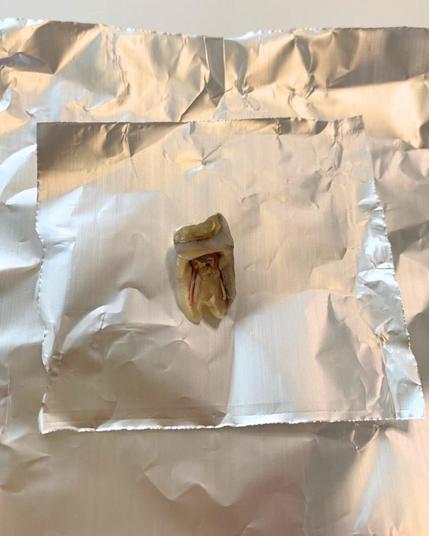
British Gel Regrows Tooth Enamel. UK's Univ. of Nottingham develops an agent that mimics the nature process of enamel formation by creating a thin, mineral-rich layer on the tooth surface. #tooth #enamel #dentin #gel
https://www.instagram.com/p/DQ7uxlVCRe5/
https://www.instagram.com/p/DQ7uxlVCRe5/

Howard G. Smith MD, AM on Instagram: "British Gel Regrows Tooth Enamel If your teeth lose their enamel coating, you’ll experience sensitivity, frank pain, cavities, diminished dental strength, appearance deterioration, and possible infections. Dental enamel cannot conventionally be regrown. Mild enamel deterioration can be helped by fluoride, hydroxyapatite, or calcium phosphate toothpastes. Mild or moderate patchy loss requires application or a tooth-colored composite resin or veneer to rebuild worn zones and seal the exposed dentine leads to sensitivity and pain. More extensive enamel loss can only be remedied using porcelain veneers or dental crowns. Enter UK’s University of Nottingham bioengineers who now report in the journal Nature the development of a gel that accomplishes a task once thought impossible; it literally regenerates tooth enamel. The gel mimics the nature process of enamel formation by creating a thin, mineral-rich layer on the tooth surface. This layer binds calcium and phosphate ions from saliva and organizes them into enamel crystals through a process called epitaxial mineralization. This regenerated enamel has the natural functionality to cover the tooth, seal the sensitive and pain-triggering dentin, prevent decay, and restore strength. The UNottingham development team has launched a start-up, Mintech-Bio, to commercially manufacture the gel for use in clinical trials. The researchers hope that this gel might reach your neighborhood dentist in about a year or someday soon. https://my.clevelandclinic.org/health/diseases/tooth-erosion?utm_source=chatgpt.com https://www.nature.com/articles/s41467-025-64982-y #tooth #enamel #dentin #gel"
The UK's University of Nottingham bioengineers have developed a gel that can regrow tooth enamel, a previously impossible feat. This innovative solution mimics the natural process of enamel formation, binding calcium and phosphate ions from saliva to create a mineral-rich layer on the tooth surface. The regenerated enamel has natural functionality, covering the tooth, sealing sensitive dentin, preventing decay, and restoring strength.
 Novetus