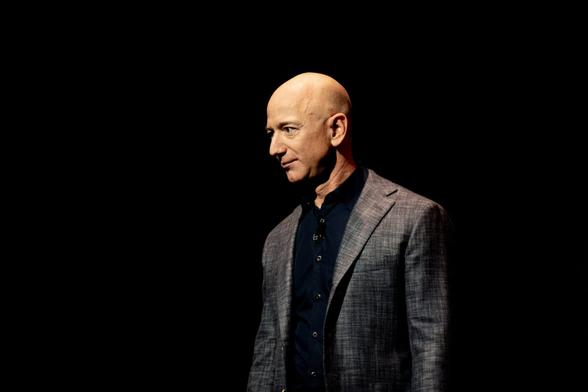
Jeff Bezos uspokaja. Według twórcy Amazona sztuczna inteligencja nie zabierze nam pracy, tylko wywoła jej niedobór
Sztuczna inteligencja nie tylko nie zlikwiduje miejsc pracy, ale wręcz sprawi, że na rynku zabraknie rąk do pracy. Taką zaskakującą – i zdaniem wielu niezwykle naiwną – tezę wygłosił Jeff Bezos podczas targów VivaTech w Paryżu.
Łatwo snuć optymistyczne wizje, gdy problemy zwykłego pracownika ogląda się z perspektywy pokładu luksusowego superjachtu.
Wystąpienie założyciela Amazona na największej europejskiej konferencji technologicznej odbiło się szerokim echem. Bezos odniósł się do narastających globalnie obaw o to, że algorytmy i roboty zmasakrują rynek pracy. Jego zdaniem technologia usunie po prostu bariery ograniczające ludzki potencjał, co otworzy zupełnie nowe możliwości i radykalnie zwiększy popyt na ludzką pracę.
– Znam te obawy, podziela je wielu mądrych ludzi. Całkowicie się jednak z tym punktem widzenia nie zgadzam. Uważam, że w rzeczywistości sztuczna inteligencja wywoła niedobór siły roboczej – stwierdził miliarder.
Miliarderzy swoje, rzeczywistość swoje
Problem z optymizmem Bezosa polega na tym, że dla człowieka z jego majątkiem utrata pracy przez tysiące ludzi to jedynie abstrakcyjna statystyka w Excelu. Brytyjskie zrzeszenie związków zawodowych (TUC) natychmiast skontrowało jego wizję, ostrzegając, że niekontrolowany rozwój AI grozi powtórką „katastrofy deindustrializacji”, gdzie wąska grupa udziałowców staje się absurdalnie bogata, a miliony pracowników tracą źródło utrzymania.
Wyraźny zgrzyt w narracji Bezosa widać było zresztą chwilę później. Miliarder z entuzjazmem opowiadał o swoim nowym przedsięwzięciu o nazwie Prometheus. Cel tego wspieranego przez AI startupu? Przyspieszenie i maksymalna automatyzacja fizycznej produkcji przemysłowej. Jak automatyzacja fabryk ma się przełożyć na niedobór rąk do pracy w tym sektorze – tego założyciel Amazona już nie wyjaśnił.
Warto przy okazji zauważyć, że narracja amerykańskiego giganta mocno różni się od tonu europejskich polityków i ekspertów. Nawet były premier Wielkiej Brytanii, Rishi Sunak (który obecnie doradza takim firmom jak Microsoft i Anthropic), otwarcie przyznał niedawno, że sztuczna inteligencja już teraz negatywnie odbija się na perspektywach zawodowych młodych ludzi.
Kosmiczne ambicje i roboty sterowane myślami
Paryska konferencja była dla Bezosa również okazją do omówienia planów jego firmy kosmicznej Blue Origin. Miliarder skomentował majową eksplozję rakiety New Glenn na przylądku Canaveral. Choć przyznał, że był to bolesny cios, podkreślił zarazem ogromne szczęście: w incydencie nikt nie ucierpiał, a kluczowa infrastruktura startowa przetrwała. Starty mają zostać wznowione jeszcze przed końcem tego roku, co jest kluczowe w wyścigu ze SpaceX o budowę stałej, księżycowej bazy. Jak zaznaczył Bezos: na Księżyc nie lecimy tylko w odwiedziny, lecimy, żeby tam zostać.
Kula ognia na Ziemi czy tykająca bomba w kosmosie? Eksplozja rakiety Bezosa to nic przy tym, co robią Chińczycy
Z kolei poza główną sceną targów VivaTech największe tłumy przyciągała inna wizja przyszłości. Firma Unitree we współpracy z francuskim startupem HABS zaprezentowała humanoidalnego robota sterowanego… myślami. Za pomocą specjalnej opaski z czujnikami EEG odczytującymi aktywność mózgową, człowiek mógł wydawać maszynie polecenia bez użycia ani jednego słowa.
To doskonały dowód na trend, który zdominował tegoroczne targi: sztuczna inteligencja wychodzi z cyfrowych chatbotów i wkracza w fizyczny, namacalny świat. Z każdym miesiącem rośnie prawdopodobieństwo, że już niedługo takie humanoidalne maszyny staną z nami ramię w ramię w szpitalach, fabrykach czy hotelach. Pozostaje tylko wierzyć Jeffowi Bezosowi na słowo, że w tym nowym wspaniałym świecie dla nas wszystkich nie zabraknie zajęcia.
#AINaRynkuPracy #automatyzacjaPracy #BlueOrigin #JeffBezos #przyszłośćPracy #robotHumanoidalny #robotyzacja #sztucznaInteligencja #Unitree #VivaTechParis Econopass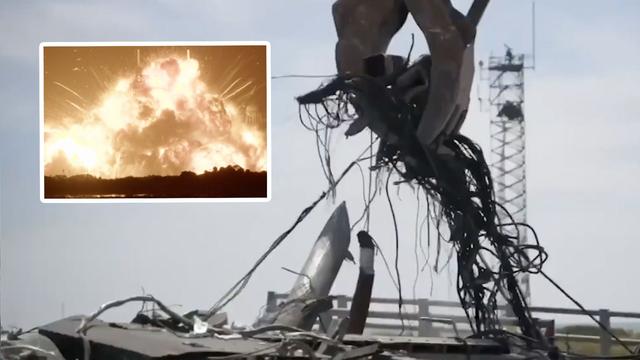
 SquaredTech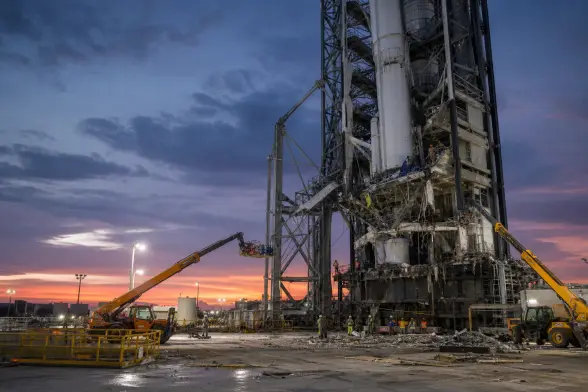
 Cosmic Log
 Alan Boyle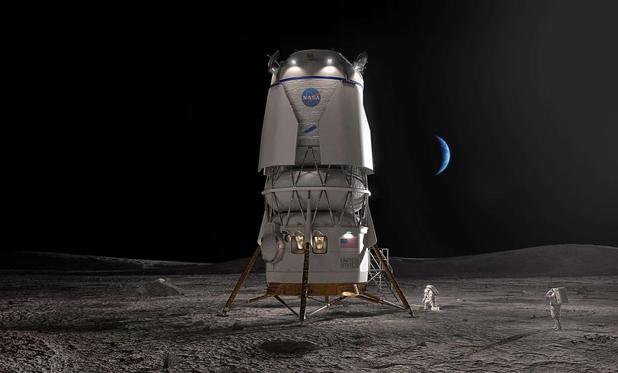
 The Business Behind The News
 News
News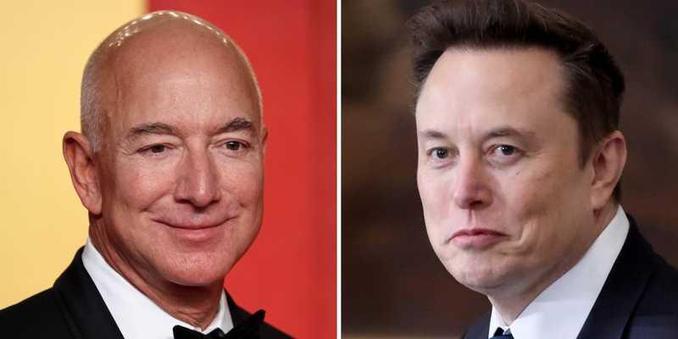

 technowarriors1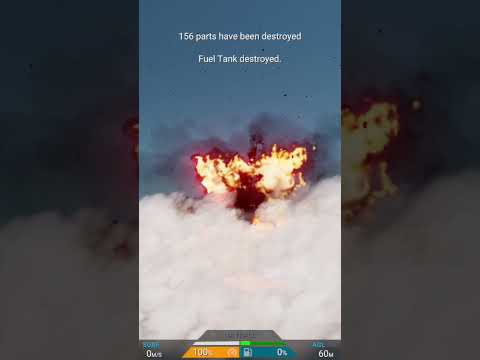
 Home [Unofficial]
 Agnieszka Serafinowicz