Celebrating 2025: 12 Most Inspiring Posts That Defined the Year!

If you happen to be reading this in January, then it’s officially ‘Happy New Year!’ If it’s any other month, well, ‘Happy New Year’ anyway—because let’s face it, every day is just a chance to start fresh, much like your New Year’s resolution to stop binge-watching shows… which you’ve probably already forgotten by now!

I’m diving headfirst into 2026 with a parade of my 12 most beloved posts from 2025, all crafted by yours truly. Maybe they slipped under your radar, or perhaps you’re just itching to relive them—feel free to leave a fresh comment, even if you’ve already showered them with praise before. Because, let’s be honest, who doesn’t love a little comment déjà vu?

Click the links to view the posts.

January

Navigating the Social Media Landscape: My Journey with Five Platforms

I kicked the year off talking ‘Social Media,’ a subject that became a hot topic during 2025, sometimes for the wrong reasons.

Not only can social media be a ravenous beast in eating up a lot of your time, but it’s also a fantastic way to promote your blog posts, the posts of other bloggers (a great way to support other bloggers), and, best of all, it’s free to use unless you decide to pay for a subscription.

I not only shouted out the three social media platforms I’m still romancing, but I also gave a little eulogy for the ones I’ve ghosted. After all, as someone hilariously pointed out, ‘spreading yourself too thinly on social media is like trying to butter a piece of toast with a frozen brick of butter—good luck with that!’

February

Why Every Blogger Needs an Engaging ‘About’ Page: Key Elements and Tips

Do you know who you are? I hope most of you chimed in with a confident ‘Yes!’ But how well do you know the owners of the blogs you follow? I mean, do you really know them, or are they just mysterious internet wizards pulling strings from their lairs?

I’m still somewhat bemused by the number of bloggers who have an ‘About’ page that says, ‘This is the template for telling your audience a little about yourself and what you blog about,’ – well, something along those lines.

It’s truly wonderful to share a bit about yourself on your blog! You don’t need to provide a lot of information—a first name and a little insight into your location can go a long way. Plus, letting visitors know what your blog is about will help create a friendly connection and encourage them to explore your unique perspective!

As you’ll see in the comments section of the post, many bloggers won’t engage, let alone follow a blog that has no information about its host(s).

March

The Ultimate Guide to Engaging on Bluesky: Tips, Features, and Strategies for Success

Although published 10 months ago, this post from March 2025 is still attracting attention, making it my top pick of the month! If you’re a BlueSky user, this post is an absolute gem, offering you the fantastic opportunity to not just get your blog posts read but also to inspire meaningful engagement from your readers.

Bluesky can boost traffic and visitors to your blog.

Even if you don’t have a Bluesky account yet, it’s worth a read, as the information contained within the post can apply to other social media platforms.

April

Astonishing! Some Bloggers Kill Off Comments On Their Blogs. Why?

Talking of engagement, imagine my shock when, in April, there was a lot of talk amongst bloggers about killing off commenting on their blogs.

Most of the talk was on social media, but I also noticed that some bloggers had decided to disable commenting on their posts, citing the amount of time it took to respond.

But isn’t that what blogging is all about? Being able to engage, discuss and ask questions? Check the comments for the answers.

May

The Best Ultimate Guide To Why Alt-Text Is Important

It’s a sad fact that not everyone who visits your blog can see images or photos. Fortunately, WordPress allows users to add Alt-Text to all images in blog posts. This helps visitors who use screen readers and other software that describe images to know what’s in them. Sadly, many bloggers don’t help these visitors by not adding Alt-Text to their pictures.

Don’t know what Alt-Text is? Check out the post for details. And once you read it, make it a mission to welcome everyone to your blog.

June

This Is The One Thing You Can Do To Help Bloggers

What’s the one thing you could do to help other bloggers?

I’m sure there are many different answers to that question, but the answer I give in my post is one that I’m positive the majority of bloggers want! Yes, there will be exceptions, and I’m sure one or two will tell me, but if you’re somebody who gives excuse after excuse as to why you can’t do this, then you’ve allowed the problem to beat you.

July

Flash Fiction – Crossroads Of Desire

I didn’t write as much flash fiction during 2025 as I had intended, but this piece of flash fiction was my favourite of the year. It involves two people you’d probably pass in the street most days. Meet Bill and his wife, both in the autumn years of their lives. Are they a normal couple you wouldn’t give a second look at, or are they two people who each come with a dark secret? Only you can decide, but only if you read the piece of flash fiction that gives you a glimpse into their lives.

This 4-minute read packs a punch.

I’ll be making amends and writing more flash fiction during 2026, so you better watch out!

August

5 Reasons Why Every Blogger Should Have a Contact Page and How to Build One

August was the flattest month for me, blogging-wise, in 2025. It felt like I was on a plateau with no way up or down. There was little to choose from in terms of blog posts because I didn’t publish much, but thankfully, this post got a lot of engagement, proving it wasn’t as quiet out there as I thought.

Ask yourself these questions. Why would anybody want to contact you? But more importantly, how easy is it to contact you via your blog other than by leaving you a comment? Remember that leaving a comment isn’t always the right way to contact someone. After all, anyone visiting your blog can read comments. Are you missing out on any golden opportunities? Check the post for full details. You may be surprised.

September

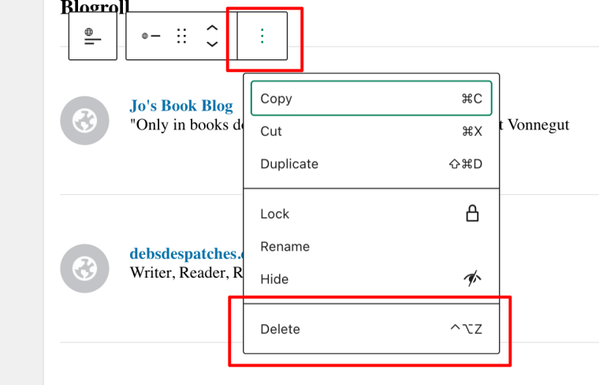
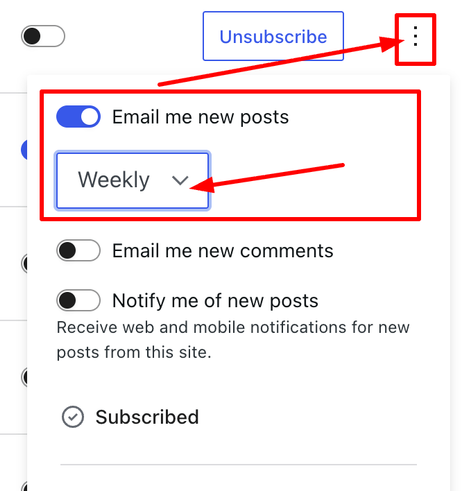
This New WordPress Feature Helps Promote The Blogs You Love

I had to take an unexpected blogging break in September, but thankfully, this post had already been published before I departed. And I wasn’t disappointed with the reaction in the comments section to something the majority of WordPress users had no idea existed.

Short but sweet, this blog post from September 2025 packed as much of a punch as Bill and his wife did in July.

October

Where To Legally Source Amazing Images For Your Blog Posts

The latter quarter of 2025 saw me focusing very much on copyright issues, with many bloggers believing that their blogs are so small and private, nobody will care if they use images, photographs, or any material, including song lyrics, that are copyrighted. How wrong they are.

If you can not guarantee that the material or images you are using in your blog posts are free to use, then are you breaking the law? And, even worse, could you be fined?

November

The Latest Blogging and Publishing Scams You Need to Be Aware Of Now

How many of you believe that you’d never get scammed online?

With the advent of AI, the perpetration of scams has become significantly more sophisticated, leading to an alarming increase in the number of individuals who are susceptible to such deceit.

Different scams are emerging continuously, yet it appears increasingly challenging to identify them. Are you equipped to recognize a scam?

December

5 ‘Questionable’ Photos That Give You The Chance To Say Who You Are

In November, I shared my exciting decision to dive back into my passion for photography blogging, but this time with a fresh perspective. Although I had paused my photography posts in the past due to engagement challenges, I’m now thrilled to explore new ways to connect and inspire my audience.

This post not only showcased more of my own photography but also offered readers a wonderful opportunity to share a bit about themselves. Success! Engagement flourished, and I ended the year just as I hoped, fostering genuine connections rather than mere visits masked by guilt.

Finally, a glimpse into the inside of 2025 for my blog.

How well did your blog perform in 2025?
  • 43 posts published
  • 32,600 words written
  • 2,700 clicked the ‘like’ button on my posts
  • 2,100 comments left

A busy blogging year full of creativity and engagement.

What was your favourite blog post of 2025 on your blog? Why did it resonate with you? What’s the most significant lesson you learned about blogging and engaging with your audience in 2025?

You can follow me at the following sites.

The featured image on this blog post is sourced from Pixabay. AI reviewed spelling and grammar errors.

Copyright @ 2026 hughsviewsandnews.com – All rights reserved.

#BestPosts #Blogging #BloggingAdvice #BloggingHelp #BloggingQuestions #BloggingTools #Engagement #photography #SocialMedia #WordPress #WordPressHelp

How Do You Measure The Success Of Your Blog Posts?

How do you measure the success of a blog post?

Which of your blog posts are the most successful?

As we drift into the last few weeks of the year, I find the world of blogging gradually becomes a quieter place. Like thousands of others, I’ll be taking a seasonal blogging break as we head deeper into December. 

However, one of the most popular posts I see appearing every December and early January is the traditional ‘My Top 10 Blog Posts Of The Year’ post. It won’t be long before these annual posts drop into your email inbox and WordPress Reader. 

But how do bloggers measure the success of those top 10 posts? What is it that helps make those posts appear in their ‘top 10’ lists?  

The more hits, the more successful? 

Most bloggers who will publish their ‘Top 10 Blog Posts of 2021’ blog post will base their list on the number of hits each blog post achieved. But that always has me questioning if that is the right way to compile a top 10 list. 

A blog post may have thousands of hits, but how many actually read the content? Does not reading a post make it successful? Should the number of hits count towards success when we’ve no idea how many times the post was read?

Does landing on a blog post by mistake make a post more successful when some of those who land there don’t stay and read the content?

Search engines are essential for finding something in particular on the web. However, how often have I clicked a link, then moved on quickly after realising the page I landed on isn’t what I was looking for? I’ll be honest and say that I’ve lost count!  

It’s made me question whether that click I made should count towards making the post more successful when I haven’t read the content. 

Volume V’s Sales

Let’s have a look at it another way. Take these two identical shops: 

Shop ‘A’ gets hundreds of customers a day because of its location or large advertising budget. However, it gets few sales a day. 

Shop ‘B” gets a much smaller number of customers because of its location or smaller advertising budget but gets a high sales volume. 

Which of the shops is the most successful? A or B?

When should comments count towards success?

If I compiled my ‘Top 10 Posts of 2021’ post based on the number of comments every post got, my top 10 list would look very different from the list I compiled for the number of hits or ‘likes’ a post got.

For example, one of my posts that received the most hits did not get any new comments or ‘likes’ left in the last 12 months. Yet the post that was number 21 on my most hits list got three new comments and six further ‘likes.’ Which one should be considered to have been the most successful in the last 12 months?

Then there are some bloggers (like me) who may not count specific comments. Comments that add value or prove the post was read count. Whereas lazy comments such as ‘Great Post’ or comments that only include a line of emojis may not count. 

When measuring success, should we include all comments or only those that add value or prove the post was read? 

When is a ‘like’ not a ‘like’?

I’ve never been a fan of the ‘like’ button on blogs since I discovered that some bloggers and readers misuse it. However, I see many bloggers basing the success of posts on the number of clicks on the ‘like’ button. 

Should clicking ‘like’ without reading a post count towards making a post successful? How many times have you had the same person press the ‘like’ button on lots of your blog posts within seconds of each other?

How many times has somebody clicked the ‘like’ button within seconds of you publishing a post?

Surely Sandra read my 900-word post if she clicked ‘like’ within ten seconds of me publishing it, didn’t she? Otherwise, why would she have clicked the ‘like’ button?

How do we know if somebody who clicks ‘like’ actually read the post?

Unfortunately, unless somebody clicks ‘like’ a reasonable time after publication, and leaves a genuine comment that proves they’ve read the post, we don’t know.  

Misuse of the ‘like’ button seems widespread in the blogging world, with some readers even pressing it to ease the guilt of not having time to read and comment on a post. Some click ‘like’ as a sign of support but may not read the post. Should those ‘likes’ count towards the success of a post?

Some see the ‘like’ button as nothing more than a free promotional tool for their blog, without even reading a post. Leave a ‘like’ and, fingers crossed, it will bring in some new visitors. 

The only success we should be discussing for these types of ‘likes’ is that the person clicking the ‘like’ button feels the post and blog are successful. All they’re doing is jumping on the success bandwagon of somebody else’s hard work.

If you’re wondering why I still have the ‘like’ button at the bottom of all my posts, allow me to enlighten you. I discovered (and WordPress told me) that it is connected to the ‘reblog’ button. Remove it, and the ‘reblog’ button also disappears from your blog posts.

That’s something I was not willing to allow. 

And removing the ‘like’ button from your blog doesn’t mean it will be removed from posts when they appear on the WordPress Reader. If you’ve removed the ‘like’ button from your blog, are you aware that people can still click on a ‘like’ button when reading your posts on the WP Reader?

How do I measure the success of a blog post?

Simple. If I were motivated or inspired to write and publish a post, then it would be a success. Therefore, you won’t find a ‘Top 10 Blog Posts Of 2021’ post on my blog.  

Winding-up

At the end of the day, I guess it’s entirely up to the blogger concerned about how they measure the success of their blog posts. What I do question, though, is whether bloggers should be publishing results that are not necessarily accurate.

Allow me to run a final thought past you 

Suppose a blog post gets only a few hundred hits but receives over 50 genuine comments and likes. Does it make it more successful than a post with thousands of hits yet very few comments and likes?

What do you think? How would you measure the success of a blog post?

Copyright © 2021 hughsviewsandnews.com – All rights reserved.

#blogPosts #bloggingAdvice #bloggingHelp #bloggingQuestions #bloggingTips #howDoYou #questions #questionsAboutBlogging #success

How to Enable or Disable the Falling Snow Effect on Your WordPress Blog

Have you noticed that snow is falling on some WordPress blogs? As you read the post, small flakes of snow gently drift down. Meanwhile, on other blogs, like mine, there’s no snow.

WordPress introduced the festive snowfall feature a few years ago. It only works when reading a post via the WordPress website. You won’t see it if you’re reading a post in the WordPress Reader or the Jetpack App unless you click through to the website. This time, it runs until 4th January 2026. But how do you turn the feature on or off? Easy – follow my instructions.

  • Go to your blog’s dashboard and click Settings – General.
  • Scroll down the page until you come to ‘Snow.’
  • You’ll see a box with the words ‘Show falling snow on my site until January 4th.’
Where to turn on/off falling snow on your WordPress blog
  • If you want snow to fall on your blog, tick the box. If you don’t want snow falling on your blog, untick the box.
  • Click the ‘Save Changes‘ box at the bottom of the page.
  • Ensure the changes are effective by opening one of your posts on the WordPress website.

I’m not a lover of anything moving onscreen while I’m reading, as I find it distracting. However, I know that many bloggers love the idea of gently drifting snowflakes while they read blog posts during the festive season.

The choice is yours. And now you know how to switch on or turn off snow falling on your blog.

For the above instructions, I’m using a desktop computer. The falling snow effect is only controlled through your WordPress.com dashboard, not the Jetpack mobile app.

Is it snowing on your blog? If not, do you want it to snow? Let me know why you like or dislike the idea of snowflakes drifting on WordPress blogs.

The featured image on this blog post is sourced from Pixabay. AI reviewed spelling and grammar errors.

You can follow me at the following sites.

Copyright @ 2025 hughsviewsandnews.com – All rights reserved.

#blogging #bloggingAdvice #bloggingHelp #bloggingTools #christmas #fallingSnow #howTo #snow #wordpress #wordpressHelp #wordpressTips

Essential December Blog Housekeeping to Keep Your Site Safe and Functional!

Over the past few years, I’ve published a post around this time of year outlining some jobs all bloggers can do to ensure their blog not only looks good but also functions correctly.

If you’re interested in what some of those crucial jobs are, my post from this time last year, ‘7 Essential, Easy Ways to Help You Blog Through December‘ gives full details.

One thing bloggers who never do any blog housekeeping refuse to believe is that many problems on their blogs originate from a lack of maintenance. They’ll blame WordPress, instead of themselves. Continuing to use an outdated theme can also cause issues and create a security risk.

One job all bloggers are recommended to do

One important task I am currently working on in the housekeeping aspect of my blog is reviewing posts and removing any images that I cannot be certain are entirely free to use. But why am I doing this?

If you have read my recent posts, ‘Where To Legally Source Amazing Images For Your Blog Posts‘ and ‘The Latest Blogging and Publishing Scams You Need to Be Aware Of Now‘, you’ll understand why.

The comments sections of both posts offer interesting reading, so I recommend taking a look.

I’m a personal blogger, so this won’t affect me!

Wrong! Just because you are a personal blogger, don’t think you are exempt from being fined for copyright infringement. Downloading and using copyrighted images, photos, song lyrics, and some GIFs in your blog posts is illegal; therefore, nobody should encourage bloggers to download or publish any copyrighted material.

Most of the images I deleted are from flash fiction challenges I used to participate in. However, I have also found some images in other posts where I either failed to give proper attribution to the source or used images from the host blogger that I could not guarantee were free to use when taking part in their link-up.

And don’t forget to delete those images and photos from your media library, too. Not only are they proof that you downloaded them illegally, but deleting them will free up valuable storage space.

Unless you are completely certain that images, photos, song lyrics and GIFs are not copyrighted and free to use, avoid using them. Sure, you might get away with it, but why risk a hefty fine?

Back to why December is the ideal time for some blog housekeeping

I’ve already had the pleasure of seeing bloggers bid farewell to their blogs and followers for the festive season, joyfully extending warm wishes to their readers for a Merry Christmas while eagerly expressing their intention to return promptly in the New Year.

Image created using the WordPress AI image generator.

Some have published their final posts of 2025, while others have happily shared their anticipated dates for a well-earned blogging break.

And who can blame them? Blogging is enjoyable, but all bloggers need a break from the blogging world. I’m taking a blogging break during the last few weeks of December.

For those who do not celebrate Christmas, December still provides a valuable opportunity to focus on blog maintenance and security. This can include reviewing and updating posts, auditing existing content for accuracy and relevance, fixing broken links, and improving website speed and SEO.

Furthermore, it’s an excellent time to review your blog’s design and user experience, making necessary adjustments to improve accessibility and engagement. By investing time in these areas, bloggers can keep a polished, secure platform ready to impress their audience in the upcoming year.

As December rolls in and its days dwindle, you’ll probably witness how much of the blogging world falls into a hush. So why let your blog languish in neglect? This is your golden opportunity to roll up your sleeves and give it the fierce love and attention it deserves, ensuring it runs flawlessly for another year.

Let’s wrap it up!

  • At least once a year, focus on housekeeping tasks to enhance your blog’s appearance and functionality.
  • Many blog issues stem from a lack of maintenance; outdated themes can pose security risks.
  • One essential task is reviewing and removing any images from posts and your blog’s media library that may not be free to use to avoid copyright infringement.
  • Personal bloggers are not exempt from potential copyright-related legal issues when downloading or using copyrighted materials.
  • December is an ideal time for blog maintenance as many bloggers take breaks. It’s an opportunity for bloggers to give their blogs the attention they deserve before the New Year.

Are you excited about some upcoming blog housekeeping or maintenance? If so, what fantastic plans do you have in store? Perhaps you’ve already tackled some blog maintenance—if that’s the case, I’d love to hear about the wonderful jobs you accomplished!

The featured image in this post was created using the WordPress AI Image Generator block. AI was also used for checking spelling and grammar mistakes.

Click the buttons below to follow Hugh on Social Media

Copyright @ 2025 hughsviewsandnews.com – All rights reserved.

#BlogHousekeeping #BlogMaintenance #Blogging #BloggingAdvice #BloggingHelp #Christmas #CopyrightInfringement #December #HelpWithBlogging #WordPressTips

November 2025 – This is a first! But I Have Good Reasons

The past three months have been busy outside the world of blogging, so much so that I didn’t get the chance to write and publish monthly round-up posts for September or October.

Did I feel bad? Did I apologise? No. Sometimes life gets in the way of schedules, and my blogging routine was thrown off course, but it happens to everyone, and nobody needs to apologise. From what I saw, my posts from September, October and November continued to receive engagement, and for me, it’s all about interacting with other bloggers, writers, and readers.

Better late than never. Without further ado, here is the monthly round-up for the past three months on Hugh’s Views and News.

  • WordPress has introduced a new blog recommendation feature that displays recommended blogs on your Gravatar profile, improving visibility. My post details how to add the blogs you love the most.

This New WordPress Feature Helps Promote The Blogs You Love

  • Here’s a fresh writing challenge that everyone is encouraged to try. Can you write a story using only 101 words (no more, no less) based on a featured image?

Bloggers/Authors: Are You Ready For A Writing Challenge?

  • Where do the images and photos in your blog posts originate? Are you certain you’re not infringing the law by using copyrighted images?

Where To Legally Source Amazing Images For Your Blog Posts

  • How easy do you make it for visitors to share your blog posts and boost the visibility of your blog? Take action: These nine options are easy to find and activate.

9 Important Options on Your WordPress Blog to Check Now!

  • This is why you should never forget to put the clocks back before going to bed.

When The Clocks Go Back

  • Springtime in Paris! Sounds romantic, doesn’t it? Think again!

Experience the Magic of Spring in Paris! But not as you know it!

  • Are photography blog posts worth commenting on? Why I Decided to Stop Publishing My Photography.

4 Never Before Seen Photos And Why You Need To See Them

  • This post outlines various scams affecting bloggers, including voicemail scams and email phishing claims that appear to come from WordPress. Don’t become a victim of a scam or fined for downloading copyrighted material.

The Latest Blogging and Publishing Scams You Need to Be Aware Of Now

The featured image on this blog post is sourced from Pixabay. AI reviewed spelling and grammar errors.

Follow Hugh On Social Media.

Copyright @ 2025 hughsviewsandnews.com – All rights reserved.

#blogPosts #bloggingAdvice #bloggingHelp #bloggingScams #bloggingTips #flashFiction #hughsViewsAndNews #hughsViewsNews #photography #wordpressHelp #wordpressThemes

9 Important Options on Your WordPress Blog to Check Now!

I’m surprised by how many bloggers miss the opportunity of having their posts shared for free by not displaying sharing buttons on their blog posts.

Of course, some bloggers don’t want any of their posts shared, but they tend to be in the minority.

In today’s digital age, having social sharing buttons on your blog is crucial for expanding your reach and boosting engagement. This post will guide you through the steps to add sharing buttons to your WordPress blog and emphasise the benefits of including them.

For the purpose of this guide, I’m using an iMac desktop computer.

To add and edit sharing buttons on your WordPress.com blog, follow these steps:

  • Log in to your WordPress.com account.
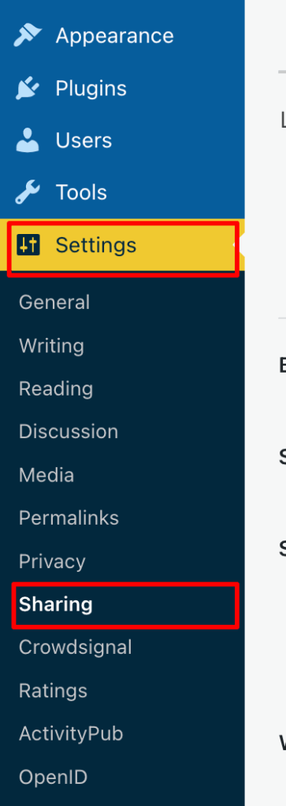
  • From your dashboard, navigate to ‘Settings‘ and select ‘Sharing.’
Click the ‘Sharing’ option.

You’ll be taken to the ‘Sharing Options‘ page of your blog, where you will see a variety of options that include –

  • Available services
  • Enabled services
  • Live preview
  • Button style
  • Sharing label
  • Show buttons on
  • WordPress.com Likes are
  • WordPress.com Reblog button
  • Comment Likes are

Let’s have a look at each of these options and what they mean.

Available services – This displays any sharing buttons not currently visible on your blog. To add an available sharing button, drag it to the ‘Enabled services‘ box and click the ‘Save‘ button at the bottom of the page.

There is also an ‘Add a new service‘ link that, when clicked, allows a user to add new sharing services that are not currently available on WordPress.

Enabled Services – This section shows all the sharing buttons currently on display on your blog. Here’s an image of the sharing buttons available on my blog posts and pages.

Sharing buttons on Hugh’s Views And News blog.

Notice the ‘Customise buttons‘ link under the buttons. Click this to be taken straight to the ‘Sharing options‘ page of your blog.

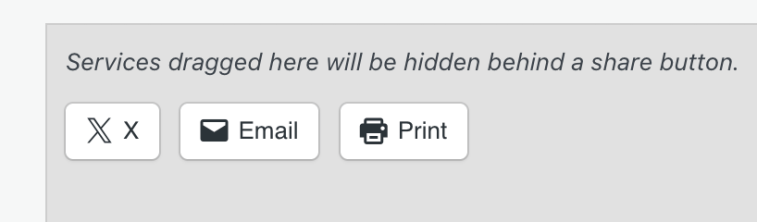
You may also have noticed the ‘More‘ sharing button. This is where you can group certain sharing buttons under one button. To do this, simply drag the buttons you want to hide to the ‘Services dragged here will be hidden behind a share button‘ box. On my blog, the ‘More‘ button includes sharing buttons for ‘X’, ‘Email’ and ‘Print.’

Hide sharing buttons behind one button.
  • To rearrange the order of how sharing buttons display on your blog, simply drag the buttons to the order you want them in. Remember to save any changes.
  • To remove a sharing button from your blog, drag the button to the ‘Available services‘ section and click the ‘Save‘ button at the bottom of the page.

Live preview – This section shows how the sharing buttons display on your blog.

Button style – There are four options to choose from.

  • Icon + Text
  • Icon only
  • Text only
  • Official buttons

On my blog, I have chosen sharing buttons to show ‘Icon + Text’ as this helps those using speech software know which sharing button is which. If you use ‘Icon only,’ speech software won’t know what each sharing button is.

Sharing label – This section allows users to change and display their own message above their sharing buttons. Simply add the text you want and click the save button.

Show buttons on – Choose where on your blog you want sharing buttons to appear. Place a tick next to the options and click the save button.

Choose where you want the sharing buttons to display on your blog.

WordPress.com Likes are – This is where you can turn off (or on) the ‘Like’ button on blog posts and pages.

WordPress.com Reblog button – This is where you can turn off (or on) the reblog button on blog posts and pages.

Comment Likes are – This is where you can turn off (or on) the availability of a ‘like’ button on comments on your blog.

  • Once you’ve added sharing buttons to your blog, remember to always test them. The best way to do this is to visit one of your blog posts to ensure the sharing buttons appear as intended. Click on each button to check that it links correctly to the respective social media platforms.

Top tip: If you have an account on a social media platform, remember to ensure that there is a sharing button for that platform on your blog. You don’t need to remove share buttons where you don’t have an account, as other bloggers and readers may want to share your posts and pages to their own social media accounts. For example, I don’t have a Facebook account, but I allow visitors to my blog to share my posts and pages on their Facebook accounts.

But, at the end of the day, it’s your decision as to how many sharing buttons you want to display on your blog.

Advantages of Having Sharing Buttons on Your Blog

  • Increased Visibility: Sharing buttons allow visitors to easily share your content with their networks, leading to greater visibility and new readers.
  • Enhanced Engagement: When users share your posts, it engages their followers, creating conversations and interactions around your content.
  • Improved SEO: Social shares can boost your search engine rankings. Search engines often view shared content as more credible and relevant.
  • Brand/Blog Awareness: Every share increases exposure for your brand/blog, helping you capture a larger audience over time.
  • Traffic Boost: Each share potentially drives more traffic back to your blog, increasing your overall reach and influence in your niche.
  • User-Friendly: A streamlined sharing process enhances the user experience, encouraging visitors to interact more with your content.
  • By integrating sharing buttons into your WordPress blog, you not only make it easier for readers to share your posts but also create new opportunities for engagement and growth.

    Summary:

    • Many bloggers miss out on free content-sharing opportunities by not displaying sharing buttons. These buttons are crucial for expanding reach and boosting engagement.
    • It’s easy to add and display sharing buttons on your WordPress blog. Follow the guide in this post.
    • Ensure you deal with each option available to you on the ‘Sharing options‘ page of your blog.
    • There are many advantages of displaying sharing buttons on your blog, including increased visibility, enhanced engagement and improved SEO ratings.
    • If you have a social media account, ensure you display a sharing button for that account on your blog.
    • Add as many sharing buttons as you like, even for those social media platforms where you don’t have an account.
    • Test that the sharing buttons are working correctly at least once every few months.
    • Make the most of the other options available on the ‘Sharing options’ page of your blog, such as switching on/off the like button and whether or not you want a ‘Reblog’ button to show.

    I want to open up the conversation and hear from you. What social media platforms do you find most effective for sharing your blog content? Have you noticed an increase in your blog traffic after adding sharing buttons? How much of a difference has it made? Have you experimented with the different button styles? Which one do you think looks best on your blog? If you could add one feature to the sharing buttons on your blog, what would it be and why?

    Layout, content, settings, and format might differ on self-hosted blogs.

    Follow Hugh on social media. Click the buttons below.

    The featured image on this blog post is taken from Pixabay. AI checked spelling and grammar mistakes. Images, which were taken from screenshots of my blog, were created by me.

    Copyright @ 2025 hughsviewsandnews.com – All rights reserved.

    #Blogging #BloggingAdvice #BloggingHelp #BloggingQuestions #BloggingTools #HowTo #SharingButtons #SocialMedia #WordPress #WordPressHelp #WordPressTips

    Where To Legally Source Amazing Images For Your Blog Posts

    The majority of bloggers understand the importance of visual content. Posts that include images receive up to 70% more traffic than those that contain no images. However, there is one major pitfall associated with using images in blog posts, which I will address shortly.

    Images not only enhance the appeal of our posts but also help us communicate our messages more effectively. However, a key question remains: where do you source your images and photographs for your blog posts?

    Are you breaking the law by using images that are not your own?

    I’ve become concerned by the increasing number of bloggers using images or photos without giving credit to the owner or specifying the source of the image. Many of these images have been obtained from the internet; some are copyrighted and not freely available for use. Bloggers using these images and photos are breaking the law.

    Some bloggers believe they will never be caught using copyrighted images and photos. They argue that their blog is too small for anyone to care. Nobody will come after them. However, I am aware of a few bloggers who have been prosecuted and fined for downloading and using copyrighted images and photos on their blogs.

    It may also not have crossed the minds of some bloggers that there are serious consequences for using images and photos to which they do not have the rights in their posts. Hence, this post.

    Where do bloggers get their images from?

    Some bloggers, including myself, use stock photo websites that provide images and photos for free. However, even some of these can incur costs if the images are only free to use for a limited time or require the user to give full credit to the owner, along with a link to where the image was sourced. Always read the small print before using any images or photos that are not your own.

    Here’s an example. The following image is from Pixabay, a website that offers a wide range of free-to-use images and photos.

    Image by Gerd Altmann from Pixabay

    Notice that I have given credit to the person who created the image and where I obtained it from. The image is free to use, and although the content licence summary states ‘Use Content without having to attribute the author (although giving credit is always appreciated by our community!).’ I always include an attribute along with links to the source of the image.

    Always check the content licence summary before downloading an image or photo from the internet and using it in a blog post. Ensure you follow any rules around the use of the image.

    The perils of using copyrighted images

    While it might be tempting to use appealing images from the internet, downloading and using copyrighted images and photos can result in serious legal trouble. Here are some risks to bear in mind:

    Legal Consequences

    Using copyrighted images without permission can lead to copyright infringement, which may result in potential legal action against you. This may result in hefty fines, the removal of your post, or even the closure of your blog, not to mention damage to your reputation.

    Image Attribution Challenges

    Even when images are shared with the intention of being used by others, understanding the precise attribution requirements can be confusing. Each source may have different rules, and failing to follow them can put you at risk.

    Quality Concerns

    Some free or low-cost images can often be of lower quality, which can damage the professionalism of your blog. Conversely, high-quality images usually come at a price, highlighting the importance of responsible sourcing. However, they can eat into your media space unless you reduce the size, which may then affect the quality.

    The Perils of Reblogging

    If you reblog a post of another blogger that contains images and photos, don’t think you are safe from prosecution if any of those images or pictures are copyrighted. You, too, could be fined for resharing images or photos that are not free to use, even though all you did was reblog the post. If you are not absolutely certain where those images and photos originated and whether they are free to use, don’t reblog the post.

    Availability of Alternatives

    Fortunately, there are many alternatives to using copyrighted images. Consider the following options:

    • Stock Photo Websites: Sites like Unsplash, Pexels, and Pixabay offer free images that are often licensed for commercial use.
    • Creative Commons: Use images that offer a Creative Commons license, ensuring you follow any stipulations regarding attribution or modification.
    • Original Content: Creating your own images can be the most reliable way to ensure your visuals are unique and free of legal concerns.
    • AI: Make use of the AI image creator on WordPress. It’s easy to use, although it doesn’t always come up with something relevant, especially if you don’t provide a clear enough description of what you want it to create, but I’ve found it very useful.

    Summary:

    In conclusion, sourcing images for your blog posts is an essential aspect of content creation that warrants careful consideration. However, be aware and always check if images and photos that do not belong to you are free to use!

    The simplest way to avoid copyright issues with images and photos is to always use your own.

    Please read this important yet alarming post by Jacqueline Lambert, ‘Bloggers Beware The Copyright Trolls – Even If You Use Royalty-Free Images,’ about a scam targeted at bloggers who use royalty-free images.

    I want to open up the conversation and hear from you. What resources do you rely on for images? Do you have any favourite stock photo sites, or do you prefer to create your own visuals? Have you tried the WordPress AI image creator? What did you think of the images it created? Let’s discuss the various avenues we can explore to source images, and perhaps you’ll discover new options along the way.

    The featured image in this blog post is taken from Pixabay. AI checked spelling and grammar mistakes.

    Click the buttons below to follow Hugh on Social Media

    Copyright @ 2025 hughsviewsandnews.com – All rights reserved.

    #ai #aiInBlogging #blogging #bloggingAdvice #bloggingHelp #bloggingQuestions #bloggingTools #copyright #helpWithBlogging #images #questionsAboutBlogging

    Simple Blogging Tips And Insights Every Blogger Needs To Know

    Occasionally, I receive questions or comments about blogging and social media that inspire me to share key insights with my readers. Here are three recent examples of those topics. Hopefully, you’ll learn something from them.

    How to get less spam!

    In my recent post, “Astonishing! Some Bloggers Disable Comments on Their Blogs. Why?” many readers mentioned that they turn off comments due to the overwhelming number of spam comments that often come through. This is a valid concern! However, it’s worth noting that WordPress offers a setting that can help prevent you from seeing most spam comments. Activating this feature is simple.

    • On your blog’s dashboard, go to Jetpack – Akismet Anti-spam.
    Click Jetpack – Akismet Anti-spam
    • On the page that opens, look for the Settings box. Under Spam Filtering, ensure ‘Silently discard the worst and most pervasive spam so I never see it‘ is selected.
    Ensure ‘Silently discard the worst and most pervasive spam so I never see it’ has been selected.
    • Click the ‘Save changes‘ button.

    You’ll now see much less spam in your blog’s spam folder. On average, I’m seeing no more than a few spam comments every week.

    For more details, check out my post, ‘Turn This Setting On To Stop Seeing Too Much Spam On Your WordPress Blog.’

    How do you find the people you want to follow?

    Author Liz Gauffreau recently left a comment on my post, ‘The Ultimate Guide to Engaging on Bluesky: Tips, Features, and Strategies for Success,’ saying she was struggling to find other users on Bluesky who read or write literary fiction.

    I asked Liz if she had checked out the Bluesky Starter Pack directory, where users can search for other users with similar interests. I included a link to the directory. This is how Liz replied.

    Job done!

    If you’re a Bluesky user, I recommend checking out the information about Starter Packs. They are an excellent way to discover other bloggers, writers, authors, photographers, and more. Starter Packs are also great for getting noticed and connecting with other users. Click the following link.

    What are Bluesky Starter Packs?

    And click the following link to check the Bluesky Starter Pack directory I sent to Liz.

    Bluesky Starter Pack Directory.

    I recently passed a milestone on Bluesky: getting over 5,000 followers. Given that I’ve only been on Bluesky since November 2024 and it took me nearly 12 years to reach 9,000 followers on X, I can’t emphasise enough how every blogger and writer should consider using Bluesky.

    If you haven’t already, give Bluesky a go.

    How to stop the theme you’re using from crashing your blog.

    Amanda, who blogs at ForestWood, recently published a post titled ‘It’s Time For A Change Of Theme.’ She was referring to a change of blog theme. I’d recently published a post about WordPress themes, so I was interested in what Amanda had to say. Needless to say, Amanda’s post inspired me (and many others) to leave a comment.

    You’ll have to read Amanda’s post to find out what she and I had to say, but it contained an important lesson some readers may have forgotten or may not know about regarding WordPress themes. Do not attempt to change your WordPress blog’s theme unless you’re using a theme still supported by WordPress.

    If, like Amanda, you are using a retired theme and click ‘activate’ on any of the current themes WordPress offers, you won’t be able to return to your retired theme!

    If you are using a retired WordPress theme that isn’t causing you any issues, you can continue using it. However, be cautious, as there are drawbacks to using a retired theme, including those related to online security. For more information, check out my recent post, “WordPress Themes: Something Exciting Is Happening,” which provides further details.

    Let’s wrap it up!

    • Use WordPress’s Jetpack – Akismet Anti-spam feature to significantly reduce spam comments. By enabling the option to “silently discard the worst and most pervasive spam,” users can keep their spam folder manageable.
    • Use the Bluesky Starter Pack Directory to connect with other users with similar interests. This resource helps you discover other bloggers, writers, authors and photographers and gain visibility.
    • If you are thinking of changing the theme of your WordPress blog, be aware that if the current theme you are using is retired and no longer supported by WordPress, you won’t be able to return to it.

    Do you have any questions about blogging or social media? Leave them in the comments section.

    The featured image in this blog post is taken from Pixabay. AI checked spelling and grammar mistakes.

    I’m getting tough with non-engaging comments. Comments such as ‘Nice post’ are marked as spam.

    Layout, content, settings, and format might differ on self-hosted blogs.

    Follow Hugh on social media. Click the buttons below.

    Copyright @ 2025 hughsviewsandnews.com – All rights reserved.

    #Blogging #BloggingAdvice #BloggingHelp #BloggingProblems #BloggingQuestions #BlueSky #HowTo #SocialMedia #SocialMediaTips #WordPress #WordPressThemes

    Astonishing! Some Bloggers Kill Off Comments On Their Blogs. Why?

    Some bloggers are turning off comments due to time constraints. Are you one of them?

    Hugh's Views & News  

    How do you run your blog? Tell me your experiences and suggest me something to use in the replies

    #blog #blogging #bloggingtips #blogginghelp

    WordPress
    37.5%
    Substack
    0%
    A static site generator (reply)
    50%
    Other (reply)
    12.5%
    Poll ended at .

    Harnessing AI in Blogging: Benefits, Challenges, and Personal Insights

    In today’s digital landscape, artificial intelligence (AI) is emerging as a progressively popular tool across various domains, including blogging.

    WordPress integrated AI into its platform a few years ago, joining numerous other sites that now offer AI as an option.

    I have witnessed many bloggers who are afraid of what AI can do, but I have also seen many bloggers embrace AI and utilise it for the benefits it can offer.

    However, like any tool, there are pros and cons to consider.

    What are your thoughts about using AI to blog?

    This post examines the advantages and disadvantages of integrating AI into your blogging process.

    Pros of Using AI in Blogging

    1. Improved Efficiency

    AI tools can streamline the writing process. From generating topic ideas to creating content drafts, AI can save bloggers considerable time, allowing them to focus on refining their unique voice and style.

    This may prove beneficial to bloggers who publish daily, but those bloggers who publish less often may not see any benefit.

    2. Enhanced Creativity

    AI can assist in brainstorming and generating creative content ideas. With access to vast databases and algorithms that identify trends, AI can offer fresh perspectives and innovative suggestions.

    However, some consider this to be plagiarism, a term that specifically refers to taking another person’s work—words, ideas, and so forth—and presenting it as one’s own without proper attribution.

    Did you know that WordPress users can choose to stop their blog’s content from being shared with a WordPress-licensed network of content and research partners, including those that train AI models? To achieve this, navigate to your blog’s dashboard, select Settings—Reading, and tick the box next to ‘Prevent third-party sharing...’.

    Tick this box to stop AI from using your blog content.

    3. SEO Optimization

    Numerous AI-based tools can analyse keywords and optimise content for search engines. They offer insights into the types of content that rank well, assisting bloggers in enhancing their visibility and reach.

    I utilise AI to generate titles for blog posts when I struggle to think of a captivating title that will entice readers to read and engage further. Consequently, I have observed a significant increase in engagement and visitors to my blog.

    4. Data-Driven Decisions

    AI can analyse reader behaviour and feedback to inform content strategy. By understanding what resonates with the audience, bloggers can create more targeted and engaging content.

    However, your WordPress statistics can also provide this information by analysing the stats of posts that receive higher engagement. Typically, you’ll observe a correlation between those posts that engage readers more and those that attract less engagement.

    5. Consistency

    AI can assist in maintaining a consistent posting schedule by automating aspects of the content creation process. This guarantees that the blog stays active and engaging for readers.

    It is widely known that blogs which publish on a schedule tend to retain readers; however, it is unwise to publish content merely for the sake of it. There is nothing wrong with occasionally missing the publication of a blog post or taking a break from blogging. Nevertheless, if you choose to take the latter route, ensure that you inform your readers.

    Cons of Using AI in Blogging

    1. Lack of Personal Touch

    AI-generated content often lacks the emotional depth and personal touch that human writers naturally provide. Readers tend to connect more readily with personal stories and unique experiences that AI is unable to replicate.

    If you let AI compose all your posts, you’ll soon notice a decline in visitors and engagement.

    2. Quality Control

    While AI can generate content rapidly, the quality does not always meet high standards. Bloggers must review and edit AI-generated content to ensure it aligns with their voice and is factually accurate. Remember, it is your blog, not that of AI. Your voice matters.

    3. Dependence on Technology

    Over-reliance on AI can hinder writing skills. Bloggers may grow overly dependent on tools, stifling creative development and originality. This is particularly evident in the fiction world, where I have observed AI produce stories that lack emotion or feeling, thus making them dull and unappealing.

    My advice is that if you are going to AI, mix it with your written content.

    4. Ethical Concerns

    The use of AI raises ethical questions, such as plagiarism (which I discussed earlier) and authenticity. Bloggers must ensure that their use of AI does not compromise their integrity or mislead their audience. Always check (and check again) what AI produces.

    5. Costs

    Although some AI tools are free, many come with a cost. For bloggers on a tight budget, investing in AI technology might not be practical. However, this won’t affect those who choose not to use AI.

    Do I use AI in blogging?

    Yes, I utilise AI to assist with spelling and grammar corrections. I have also used AI to verify if I have omitted anything essential from a post, as well as for generating titles for blog posts.

    The featured images I use in my blog posts (including this one) are primarily created using the WordPress AI image tool. However, I have found that the tool is not always particularly effective at generating images, especially when more than a few words are included. More work is needed to improve it.

    Conclusion

    Utilising AI in blogging offers both exciting opportunities and significant challenges. While it can enhance efficiency, creativity, and data-driven decisions, it is crucial to maintain a balance and preserve the unique voice that attracts readers. By carefully weighing the pros and cons, bloggers can make informed choices about incorporating AI into their writing process.

    If you wish to utilise AI, do so with your own writing rather than generating posts entirely composed by AI.

    Finally, we must never forget that we all have a choice regarding AI. We can either use it or leave it be. What we must never do is persuade other users to use it or not. It’s a personal decision. Never criticise those who choose to use AI if you are against any use of AI in writing. Likewise, don’t criticise anyone who refuses to use AI if you use it.

    Recommended reading about AI in blogging from other bloggers.

    If you want a guide on AI on WordPress, check out this excellent article from Fedora, ‘A Guide To WordPress.Com’s AI Assistant.’

    This post from Debbie at Deb’s World, “Reinventing Blogging: A Look into the Future,” dives into the controversial realm of AI in blogging, and trust me, it’s a must-read that has ignited plenty of debate. Are you ready to jump into the fray and add your voice to the discussion?

    Are you hopping on the AI train in your blogging adventure? If so, what tools are you using, and what benefits has AI brought you and your blog? Does the use of AI in the blogging world concern you? Are you against using AI in Blogging? If so, what are your reasons? We want to hear your thoughts if you’re for or against AI. Drop your thoughts in the comments, and let’s chat!

    I’m getting tough with non-engaging comments. Any non-engaging comments such as ‘Nice post’ are marked as spam.

    Follow Hugh on social media. Click the buttons below.

    Copyright @ 2025 hughsviewsandnews.com – All rights reserved.

    #AI #AIInBlogging #ArtificialIntelligence #BloggingAdvice #BloggingHelp #BloggingQuestions #BloggingTips #BloggingTools #HowTo #WordPress