Young Travelers: Humpback Whales of the Sardine Run
Marine Life
The Humpback Whale (Megaptera novaeangliae) is one of the most recognizable giants of the ocean. Known for their complex songs and massive pectoral fins, these travelers migrate thousands of miles each year—passing right through the chaos of the South African Sardine Run.
[youtube
https://www.youtube.com/watch?v=AAzZ0HLvM2E]
Young Travelers: Unlike the scarred, barnacle-heavy adults often seen breaching, these three whales appear to be sub-adults. They move in a tight, silent formation, likely for protection as they navigate the predator-rich waters of the Wild Coast.
Species Identification
- Scientific NameMegaptera novaeangliae
- Key FeatureMassive pectoral fins (approx. 1/3 of body length) and a knobby head (tubercles).
- DietFilter feeders: Krill and small schooling fish (though they rarely feed during migration).
- SizeAdults: 14–17 m (46–56 ft); Females are typically larger than males.
- RangeGlobal; migrating between tropical breeding grounds and polar feeding grounds.
The Sardine Run is often defined by chaos—birds diving, dolphins hunting, and sharks frenzied in the bait balls. But every now and then, the ocean offers a moment of pure, suspended grace. While filming off the Wild Coast, I was positioned just below the surface when these three whales appeared out of the gloom.
They weren’t the massive adults we often see breaching in documentaries. These were younger, sleeker whales—moving in a tight formation. They glided past close enough that I could feel the displacement of water from their tails, a stark contrast to the adrenaline of the run.
The Long Migration: These “young travelers” are on one of the longest migrations in the animal kingdom. Populations in this region often calve in the warm, tropical waters of the Western Indian Ocean to the north (like Mozambique) before making the long trek south toward the nutrient-rich feeding grounds of Antarctica.
The Shot (Gear Talk): Capturing this clip required staying calm and letting the subjects come to me. Chasing whales is not only unethical but usually results in a “tail shot” as they swim away. By holding my position, I allowed them to pass naturally, keeping the formation intact in the frame.
This was shot on the Panasonic GH5 with the 14-42mm II lens and the Nauticam WWL-1B. The WWL-1B was crucial here; it allows for full zoom-through capabilities, meaning I could be wide enough to capture the group formation but zoom in slightly as they passed, without losing sharpness.
Note on Lighting: This was shot with ambient light only. For large subjects like whales, strobes are often useless as they only light up the backscatter between you and the subject.
×
#AfricaScubaDiving #bigAnimals #humpbackWhales #marineLife #southAfricaSardineRun #whales MYSL Travel
 ScubaHankNYC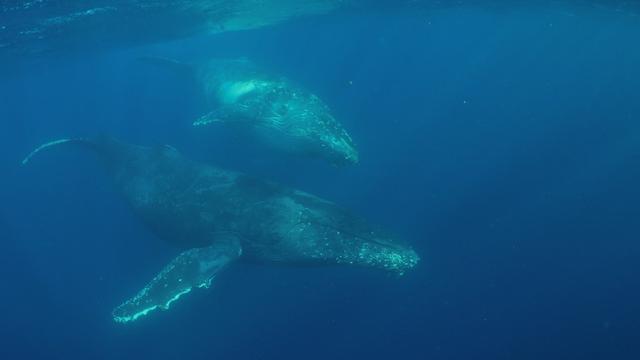
 Bownaan Kamal Wildlife 🦁