 WPS News
Cattle Farming in the Philippines: Best Practices for Sustainable Operations on Leyte Island
Baybay City | April 16, 2026
In the lush agricultural landscape of the Philippines, cattle farming represents a vital sector that supports the livelihoods of many, particularly on Leyte Island. With a diverse range of cattle breeds adapted to the country’s unique regions, including the Ilocos, Batangas, Iloilo, and Batanes Black, there is much potential for success in this endeavor. Additionally, various introduced breeds such as Hereford, Angus, and Brahman enrich the genetic diversity of the local cattle population.
The prominence of cattle farming in Asia can be attributed to their adaptability to different ecosystems, including the vast grasslands prevalent across the continent. In the Philippines, the agricultural terrain varies, and cattle have developed the ability to thrive in both tropical and subtropical climates, showcasing their resilience. However, establishing best practices is crucial for optimizing cattle farming operations.
Location and Land Management
Selecting an ideal site for cattle farming is paramount. Farmers should choose locations with easy access to ample water sources to ensure the cattle remain hydrated and healthy. Additionally, fertile pastureland is essential for grazing, supporting the nutritional needs of livestock.
Proper land size allocation plays a significant role in fostering a comfortable environment for cattle. A sheltered feeding area should be a minimum of 1.5 to 2 square meters per head, while an additional fenced loafing area of approximately 5 meters per head allows cattle to move freely and socialize—promoting overall well-being.
Sustainable Practices for Healthy Livestock
Effective pasture management, including crop rotation and intercropping, can enhance soil fertility and support the productivity of grazing lands. Regular monitoring of pasture quality and the implementation of controlled grazing patterns can prevent overgrazing, safeguarding the health of the land and the cattle.
Sheltering cattle from harsh weather conditions is equally essential. Simple structures provide shelter from heavy rains and extreme heat, ensuring the animals remain both safe and comfortable.
Routine health care, including veterinary check-ups and vaccinations, is vital for maintaining herd health. Farmers should create a health management plan, prioritizing cleanliness to reduce disease risks.
Nutrition and Feeding Strategies
Providing a balanced diet is crucial for the growth and productivity of cattle. A combination of forage, grains, and minerals can significantly affect milk and meat production. During drier seasons, supplementary feeding helps maintain cattle health and nutritional needs.
Breeding for Excellence
Choosing the right breeding practices based on farming objectives—whether focused on milk, beef, or dual-purpose production—can maximize productivity. It is vital to select breeds well-suited to the local climate and operational goals.
The Future of Cattle Farming in Southeast Asia
With increasing incomes and urbanization, the demand for beef and dairy products continues to rise. By adhering to sustainable practices and focusing on efficient management strategies, farmers on Leyte Island can create thriving cattle farming operations. These efforts not only support agricultural diversity but also contribute positively to the local economy.
As cattle farming evolves, embracing these best practices will ensure that cows remain an integral and sustainable part of the agricultural landscape in the Philippines.
#agriculture #Angus #BatanesBlack #Batangas #beefProduction #Brahman #breedingPractices #cattleFarming #CommunitySupport #cowNutrition #dairyFarming #farmingPractices #healthCare #Hereford #Ilocos #Iloilo #landManagement #livestock #livestockDiversity #pastureManagement #Philippines #ruralEconomy #sustainability #tropicalClimate #veterinaryCare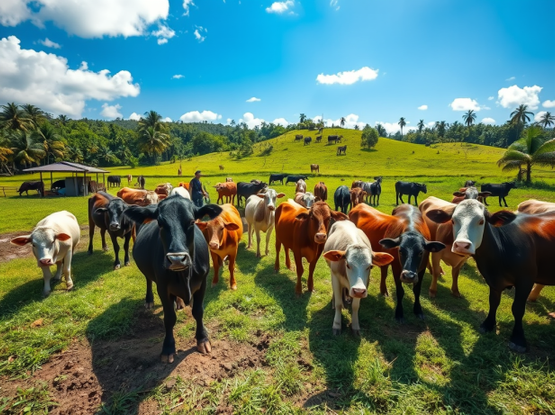
 Hacker News
 NewsletterTF

 Tünde Nagy-Bántó