Ah, the age-old debate of whether code is a bedtime story 📖 or a pesky gremlin running rampant in the wild 🏃. Spoiler: It's both, but let's pretend we're too sophisticated for nuanced perspectives. Clearly, olano.dev has discovered that reading code is a zen-like ritual while running it is just a chaotic afterthought. 🙄
https://olano.dev/blog/code-is-run-more-than-read/ #codeasart #bedtimecoding #chaoticprogramming #gremlinsofthecode #readingcode #HackerNews #ngated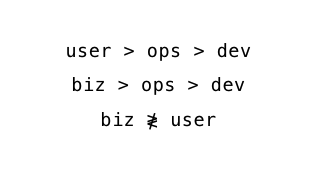
Code is run more than read
Code is read more than written, code is run more than read. I think this line of thought can be extended beyond code-writing, and used as a rule of thumb to identify problems and make decisions.
Ah yes, the age-old quest to make code a bedtime story 📖🛌. Because clearly, programmers don't have enough to do without writing novels about their code. Let's all stop building software and start crafting literary masterpieces instead 🎨💻.
https://silly.business/blog/we-should-revisit-literate-programming-in-the-agent-era/ #codeasart #bedtimecoding #softwaredevelopment #literarycreativity #programmerhumor #HackerNews #ngated
We Should Revisit Literate Programming in the Agent Era
Literate programming is the idea that code should be intermingled with prose such that an uninformed reader could read a code base as a narrative, and come away with an understanding of how it works and what it does.
Although I have long been intrigued by this idea, and have found uses for it in a couple1 of different cases2, I have found that in practice literate programming turns into a chore of maintaining two parallel narratives: the code itself, and the prose. This has obviously limited its adoption.
 N-gated Hacker News