 Curt Johnson - Indie Genius
Movie TV Tech Geeks #Movie #PrimeVideo #DotheRightThing #BadWords 3 Praiseworthy Movies to Watch on Prime Video This Week http://dlvr.it/TSMvs2
For the 50th year in a row, a group of linguists chose 10 English words that need to be banned
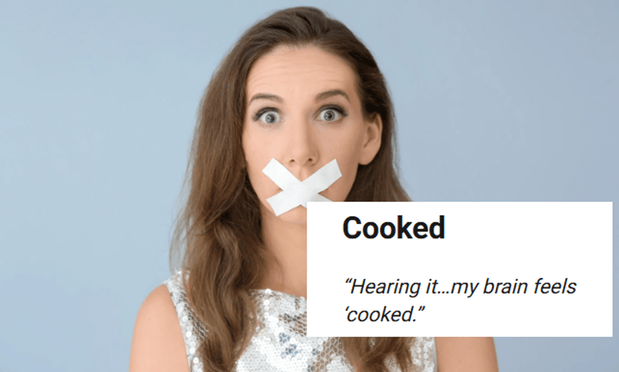
Dunno about you, but the empty formula “What To Know” in every third news story has started to grate.
DOES ABUSIVE AND BAD WORDS LANGUAGE EFFECT YOUR DESTINY ? A CASE STUDY
#badwords #chakras #astrology #horoscope #vedicastrology #vedicastrologer #astrologer #predictions #destiny #psychic #kundli #jyotish #remedy
CLICK TO READ . . . .
https://qr.ae/pKquG9

I happen to come in contact with a labour supervisor and in small span of time he opened up himself with me and was discussing about his family life. From his discussion I understood that he was not happy with his family life for quite some time and feel like quitting the present job and go to h...
I am calling for a moratorium on all forms of the word “test” in headlines, except to refer to literal tests (e.g., the SAT). It means nothing in particular, other than to herald the presence of a readymade media narrative or trope.
On second thought - keep using it. It tells me what stories to ignore.
Thursday’s bad word is this week’s third and last: “likely” as an adverb, meaning “probably.”
Example: “You will likely ignore this, but…”
Perhaps it’s a generational grievance, but likely-as-adverb sets my teeth on edge. Not every word ending in -ly is an adverb; just think of “friendly.”
Probably most of you will think I’m being silly, though. That’s the most likely outcome.
Wednesday’s bad word: “ask” as a noun, meaning a request or a goal in a negotiation. “What’s our ask today?”
If “an ask” is the answer, what was the question?
I’ve got three #badwords in store this week.
Let’s start with “gift” as a verb. What was wrong with “give,” anyway?
 Front Page [Unofficial]
 CrimeDad
 Joshua
 Medievalists.net
 Subir Pal vedic astrologer