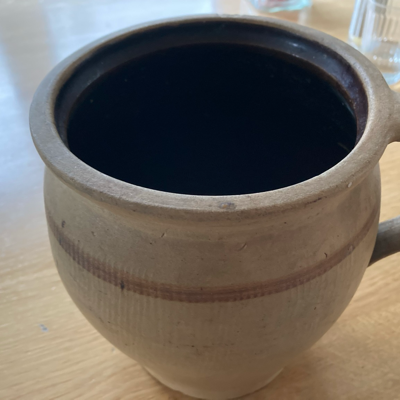
 Töpfer
Die Bedeckung der #Venus durch den #Mond war soeben nicht leicht zu beobachten, weil unser Trabant sich als schmale Sichel gezeigt hat. Mithin fiel auf, dass die Venus eine deutlich höhere Albedo aufweist als der Mond. #astronmy #Astronomie
 Rudy Gardea
May 7th

All Other 7 #Planets in Our #solarm System Will Appear in the #Sky at the Same Time for One #Night Only

Research infrastructures have been identified as an important source of greenhouse gas emissions of astronomical research. Based on a comprehensive inventory of 1,211 ground-based observatories and space missions, we assessed the evolution of the number of astronomical facilities and their carbon footprint from 1945 to 2022. We found that space missions dominate greenhouse gas emissions in astronomy, showing an important peak at the end of the 1960ies, followed by a decrease that has turned again into a rise over the last decade. Extrapolating past trends, we predict that greenhouse gas emissions from astronomical facilities will experience no strong decline in the future, and may even rise substantially, unless research practices are changed. We demonstrate that a continuing growth in the number of operating astronomical facilities is not environmentally sustainable. These findings should motivate the astronomical community to reflect about the necessary evolutions that would put astronomical research on a sustainable path.
Astronomy Photographer of the Year 2023 shortlist images released | BBC Sky at Night Magazine
https://www.skyatnightmagazine.com/news/astronomy-photographer-year-shortlist-2023/
#astronmy
#astrophography
#photography
#SkyAtNight
This is the sky at 10:30pm local here. You can try to find the 🦄 unicorn constellation #Monoceros nearby #Orion. More info in alt_text.


 Astronomer, Reinvented
 AzureCerulean
 Sébastien Maret
 Raglan Niall

 Naztronomy
 Ⓐstropub
 Wowbggr
 ☆⋆Okie Space Queen