 Raurquiz
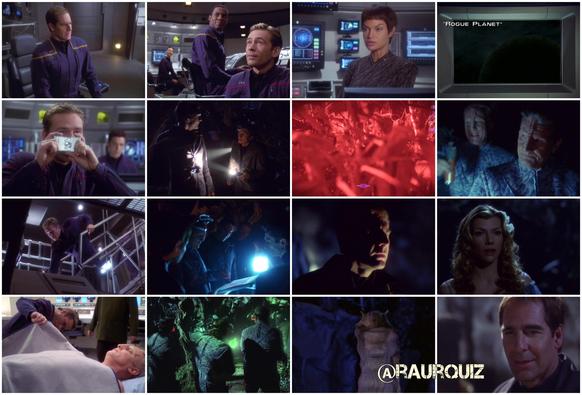
#otd #startrek #enterprise #RoguePlanet #archer #tpol #reed #triptucker #hoshisato #mayweather #phlox #thewraith #burzaan #shiraht #damrus #startrek59 @trekcore

Using JWST, astronomers uncovered auroras, exotic clouds, and storms on a blazing rogue planet. Brilliant aurora-like displays, much like Earth’s Northern Lights, are the highlight of an unusual weather forecast. Instead of coming from a television studio, this report originates from a distant world beyond our solar system. Astronomers at Trinity College Dublin used the [...]
Using JWST, astronomers uncovered auroras, exotic clouds, and storms on a blazing rogue planet. Brilliant aurora-like displays, much like Earth’s Northern Lights, are the highlight of an unusual weather forecast. Instead of coming from a television studio, this report originates from a distant world beyond our solar system. Astronomers at Trinity College Dublin used the [...]
Polacy znowu patrzą w niebo. Projekt OGLE odkrył „samotną planetę” wędrującą przez naszą galaktykę
W cieniu targów CES i premier gadżetów, polscy astronomowie z Uniwersytetu Warszawskiego dokonali odkrycia wagi ciężkiej (dosłownie).
Zespół programu OGLE namierzył swobodną planetę, która nie krąży wokół żadnej gwiazdy, lecz samotnie przemierza Drogę Mleczną.
Samotny wędrowiec o masie 70 Ziem
Odkrycia dokonano w Obserwatorium Astronomicznym Uniwersytetu Warszawskiego pod kierownictwem prof. Andrzeja Udalskiego. Obiekt, który udało się namierzyć, to tzw. planeta swobodna (rogue planet). To ciało niebieskie, które zostało wyrzucone ze swojego macierzystego układu i teraz dryfuje w przestrzeni międzygwiezdnej.
Astronomowie wyliczyli, że planeta ta jest 70 razy cięższa od Ziemi. To stawia ją w kategorii gazowych olbrzymów (dla porównania: Jowisz jest ok. 318 razy cięższy od Ziemi, a Saturn 95 razy).
Kosmos w wersji Smart Home. Jak inteligentne teleskopy sprawiły, że nie musisz marznąć pod gwiazdami
Jak dostrzec coś, co nie świeci?
To jest najciekawsza część techniczna. Samotne planety są ciemne i zimne, więc nie da się ich zobaczyć przez teleskop w tradycyjny sposób. Polacy wykorzystali zjawisko mikrosoczewkowania grawitacyjnego.
Gdy niewidoczna planeta przechodzi na tle odległej gwiazdy, jej grawitacja działa jak soczewka – zakrzywia i wzmacnia światło tej gwiazdy. To właśnie to pociemnienie i pojaśnienie zarejestrowali naukowcy. Co kluczowe – zjawisko zaobserwowano jednocześnie z dwóch perspektyw:
Dzięki temu (tzw. mikrosoczewkowanie paralaksy) udało się precyzyjnie wyznaczyć odległość i masę obiektu, co w astronomii jest niezwykle trudne.
OGLE – polska duma
Warto przypomnieć, że projekt OGLE (Optical Gravitational Lensing Experiment) to jeden z największych sukcesów polskiej nauki. Działający od ponad 30 lat program regularnie dostarcza przełomowych danych o strukturze Drogi Mlecznej i planetach pozasłonecznych. Tym odkryciem Polacy potwierdzają teorię, że nasza galaktyka może być pełna takich „samotnych wędrowców”.
Pomóż nam rozwijać iMagazine – ruszyło badanie czytelnictwa 2026
#astronomia #Gaia #Nauka #news #OGLE #roguePlanet #samotnaPlaneta #UniwersytetWarszawski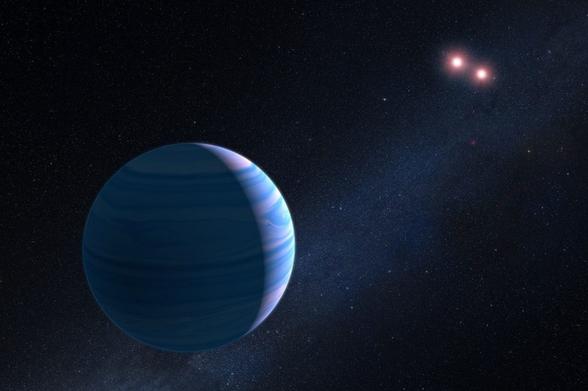
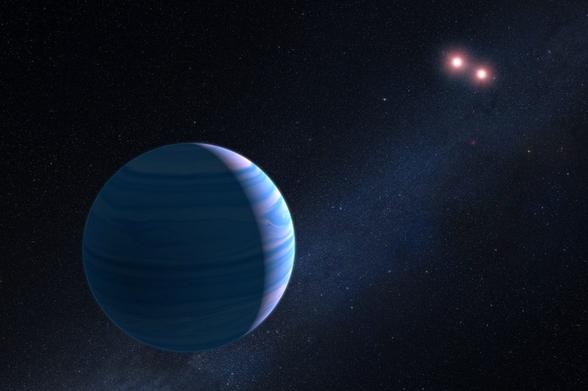
“In 2025 significant auroral activity was detected on SIMP0136. A re-analysis of the JWST data found that the atmophere showed a temperature inversion at the stratosphere, caused by auroral heating, driven by electron precipitation.”
Astronomy eh?
Know what I’m saying?
There’s so much crazy shit in the universe, and against all odds, we might be on the only planet from which it’s being observed.
This massive rogue gas giant is generating auroras without a host sun that we can detect with the James Webb Space Telescope.
That’s amazing to me.
“SIMP J013656.5+093347 (abbreviated SIMP0136) is a planetary mass object at 19.9 light-years from Earth in the constellation Pisces.”
We are the Universe trying to understand itself, and I love that.
Apologies for those waiting for a punchline. I’m having a moment. Here’s the wiki page for this thing.
#space #rogueplanet #exploration #life #astronomy
Never Mind Rogue Planets. Their Rogue Moons Could Support Life
https://www.universetoday.com/articles/never-mind-rogue-planets-their-rogue-moons-could-support-life

When massive stars explode as supernovae, the powerful blast can send planets off into space where they drift as rogue or free-floating planets. But what happens to their moons? Can their natural satellites stay bound to these planets, and could tidal heating be a viable source of energy to fuel life on these moons?

It sounds like the plot of a science fiction movie from the 1950s - a giant rogue planet, moving through the galaxy at a record-breaking speed, consuming vast quantities of dust and gas . But this isn't the product of the fevered imagination of a Hollywood writer. This lone planet is very real.
 purescience_news
 Capitalmind
 Inkican
 AlcorNews
 Agnieszka Serafinowicz
 Dgar
Dgar
 The Science Fiction Guy
 Droppie