 PseudoNovalis
'Pataphysics: MONA MOMO-MOB!
Wat is Culture?***
#Pataphysics #DADA #Bulldada #Surrealism #Kingmob #culture #art #Artaud #Discordia #Magick #Chaosmagick #Fnord
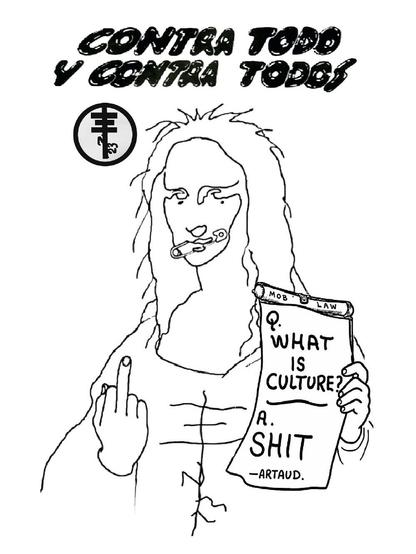
'Pataphysics: MONA MOMO-MOB!
Wat is Culture?***
#Pataphysics #DADA #Bulldada #Surrealism #Kingmob #culture #art #Artaud #Discordia #Magick #Chaosmagick #Fnord
oggi e domani, 28-29 marzo, a roma, al teatro di villa lazzaroni: “essere e non essere. in memoriam di carmelo bene”, di pippo di marca e giancarlo dotto
OGGI, sabato 28 marzo ore 21:00,
e DOMANI, domenica 29 marzo ore 17:30
Pippo Di Marca in
ESSERE e NON ESSERE
in memoriam di Carmelo Bene
di Pippo Di Marca e Giancarlo Dotto
Sabato 28 e domenica 29 marzo Essere e non essere in memoriam di Carmelo Bene al Teatro di Villa Lazzaroni è un testo di Pippo Di Marca e Giancarlo Dotto con in scena lo stesso Di Marca.
Lo spettacolo dedicato alla memoria di Carmelo Bene vuole evocare, raccontare, testimoniare momenti salienti dell’opera e della vita di Carmelo Bene, fino agli ultimi anni di malattia e di isolamento. Pippo Di Marca è una figura centrale dell’avanguardia teatrale italiana. Il suo teatro è sempre stato un luogo di sperimentazione linguistica, vocale e performativa.
Di Marca, con diverse iniziative e pubblicazioni, ha lavorato molto sul tema della memoria dei maestri e sulla necessità di custodire e trasmettere un patrimonio teatrale che rischia di perdersi.
Come lui stesso spiega: “Carmelo Bene lo conobbi nel ’66 nel camerino del Teatro delle Muse, al termine di un memorabile Il rosa e il nero. Un artista debordante, che imponeva la sua Presenza, il suo ipertrofico, straordinario, carnale. Un’amicizia poi cresciuta e alimentata in decenni di frequentazioni e di spettacoli a specchio, in una sorta di cammino parallelo, di empatia, che ha segnato gran parte della mia storia teatrale. Mi ha lasciato una predisposizione alla libertà creativa assoluta, ad armeggiare con la furia, l’euforia e la parodia, a coltivare l’arbitrio, a negare, a dire no ad ogni canone, a ogni convenzione acquisita. Un gigante del teatro italiano del Novecento, un Maestro inimitabile e irraggiungibile, un maestro ‘negato’: poiché il suo ‘magistero’, come quello dei veri grandi, è unico e ‘intrasmissibile’. […] Un amico con cui e di cui sentiamo il bisogno di continuare a parlare, raccontarlo: fare memoria, presenza viva, scenica della sua poetica e della sua vita; senza tralasciare la sua ‘umanità’, la sua fiera ‘fragilità’, accentuate nei lunghi ultimi anni di malattie e volontario autoesilio. Per me è stato, insieme a Leo De Berardinis, come un fratello maggiore. È stato il Gigante del Novecento in grado di sprigionare una potenza primigenia e coltissima, erudita, un’energia misteriosa, e insieme lucida, consapevole, articolata su una gamma inesauribile di ‘umori’, di variazioni della crudeltà suonate ad altezze inarrivabili… Sul piano dell’ironia suprema penso che surclassi persino Artaud!!!”
Quando nel 2002, Carmelo Bene morì, Pippo Di Marca pensò a un omaggio immediato in memoria, dal titolo Ora che Carmelo è morto, ma la ferita era troppo aperta per aver seguito con dolore gli ultimi mesi orribili di quel calvario finale. Giusto si impose il silenzio.
“Ma era destino, o simpatetico stato di necessità, che quel mancato debutto – spiega Di Marca – diventasse un testo, che condivido con Giancarlo Dotto, che ho messo poi in scena ininterrottamente per decenni. A cominciare dal decennale della morte nel 2012. Lo spettacolo, da allora, ha preso il titolo di Essere e Non Essere, a sottolineare da una parte il suo ipertrofico Io Scenico, la sua Presenza debordante, carnale/carnascialesca, il suo ESSERE e dall’altra parte il suo rovinare tutto proteso verso il NON ESSERE, il suo radicale senso della vanità del tutto, della sottrazione, della cancellazione, dell’assoluta tensione tra vitalismo e abbandono al cupio dissolvi. Da genio assoluto, nei mesi del calvario finale, ha scritto e ci ha lasciato come suo impareggiabile, grandioso testamento artistico, il poema capolavoro ‘l mal de’ Fiori”.
TEATRO DI VILLA LAZZARONI
Via Appia Nuova 522
00179 ROMA (RM)
Ingresso 22,00 €
#Artaud #CarmeloBene #cb #EssereENonEssere #GiancarloDotto #PippoDiMarca #teatro #TeatroDiVillaLazzaroni28 e 29 marzo, roma, teatro di villa lazzaroni: “essere e non essere. in memoriam di carmelo bene”, di pippo di marca e giancarlo dotto
sabato 28 marzo ore 21:00 e domenica 29 marzo ore 17:30
Pippo Di Marca in
ESSERE e NON ESSERE
in memoriam di Carmelo Bene
di Pippo Di Marca e Giancarlo Dotto
Sabato 28 e domenica 29 marzo Essere e non essere in memoriam di Carmelo Bene al Teatro di Villa Lazzaroni è un testo di Pippo Di Marca e Giancarlo Dotto con in scena lo stesso Di Marca.
Lo spettacolo dedicato alla memoria di Carmelo Bene vuole evocare, raccontare, testimoniare momenti salienti dell’opera e della vita di Carmelo Bene, fino agli ultimi anni di malattia e di isolamento. Pippo Di Marca è una figura centrale dell’avanguardia teatrale italiana. Il suo teatro è sempre stato un luogo di sperimentazione linguistica, vocale e performativa.
Di Marca, con diverse iniziative e pubblicazioni, ha lavorato molto sul tema della memoria dei maestri e sulla necessità di custodire e trasmettere un patrimonio teatrale che rischia di perdersi.
Come lui stesso spiega: “Carmelo Bene lo conobbi nel ’66 nel camerino del Teatro delle Muse, al termine di un memorabile Il rosa e il nero. Un artista debordante, che imponeva la sua Presenza, il suo ipertrofico, straordinario, carnale. Un’amicizia poi cresciuta e alimentata in decenni di frequentazioni e di spettacoli a specchio, in una sorta di cammino parallelo, di empatia, che ha segnato gran parte della mia storia teatrale. Mi ha lasciato una predisposizione alla libertà creativa assoluta, ad armeggiare con la furia, l’euforia e la parodia, a coltivare l’arbitrio, a negare, a dire no ad ogni canone, a ogni convenzione acquisita. Un gigante del teatro italiano del Novecento, un Maestro inimitabile e irraggiungibile, un maestro ‘negato’: poiché il suo ‘magistero’, come quello dei veri grandi, è unico e ‘intrasmissibile’. […] Un amico con cui e di cui sentiamo il bisogno di continuare a parlare, raccontarlo: fare memoria, presenza viva, scenica della sua poetica e della sua vita; senza tralasciare la sua ‘umanità’, la sua fiera ‘fragilità’, accentuate nei lunghi ultimi anni di malattie e volontario autoesilio. Per me è stato, insieme a Leo De Berardinis, come un fratello maggiore. È stato il Gigante del Novecento in grado di sprigionare una potenza primigenia e coltissima, erudita, un’energia misteriosa, e insieme lucida, consapevole, articolata su una gamma inesauribile di ‘umori’, di variazioni della crudeltà suonate ad altezze inarrivabili… Sul piano dell’ironia suprema penso che surclassi persino Artaud!!!”
Quando nel 2002, Carmelo Bene morì, Pippo Di Marca pensò a un omaggio immediato in memoria, dal titolo Ora che Carmelo è morto, ma la ferita era troppo aperta per aver seguito con dolore gli ultimi mesi orribili di quel calvario finale. Giusto si impose il silenzio.
“Ma era destino, o simpatetico stato di necessità, che quel mancato debutto – spiega Di Marca – diventasse un testo, che condivido con Giancarlo Dotto, che ho messo poi in scena ininterrottamente per decenni. A cominciare dal decennale della morte nel 2012. Lo spettacolo, da allora, ha preso il titolo di Essere e Non Essere, a sottolineare da una parte il suo ipertrofico Io Scenico, la sua Presenza debordante, carnale/carnascialesca, il suo ESSERE e dall’altra parte il suo rovinare tutto proteso verso il NON ESSERE, il suo radicale senso della vanità del tutto, della sottrazione, della cancellazione, dell’assoluta tensione tra vitalismo e abbandono al cupio dissolvi. Da genio assoluto, nei mesi del calvario finale, ha scritto e ci ha lasciato come suo impareggiabile, grandioso testamento artistico, il poema capolavoro ‘l mal de’ Fiori”.
TEATRO DI VILLA LAZZARONI
Via Appia Nuova 522
00179 ROMA (RM)
Ingresso 22,00 €
#Artaud #CarmeloBene #cb #EssereENonEssere #GiancarloDotto #PippoDiMarca #teatro #TeatroDiVillaLazzaroni🎭 De la rue Mouffetard à la Cartoucherie, une filiation théâtrale ressurgit autour d’Artaud, du Théâtre de l’Épée de Bois et d’une mémoire de troupe qui traverse les décennies.
🔗 https://actualitte.com/article/129710/enquetes/de-la-mouffe-a-la-cartoucherie-l-histoire-d-un-theatre-radical
Un récit où se croisent rêve, scène, transmission et histoire vivante d’un théâtre radical.

Dans un rêve survenu dans la nuit du 15 au 16 février 2026, un ancien interprète d’Artaud retourne au Théâtre de l’Épée de Bois, comme rappelé à une filiation souterraine. De la rue Mouffetard aux laboratoires des années 1960-1970, se dessine un théâtre-champ de bataille où l’ombre d’Artaud continue de travailler les corps et les lieux. Par Ilios Chailly.
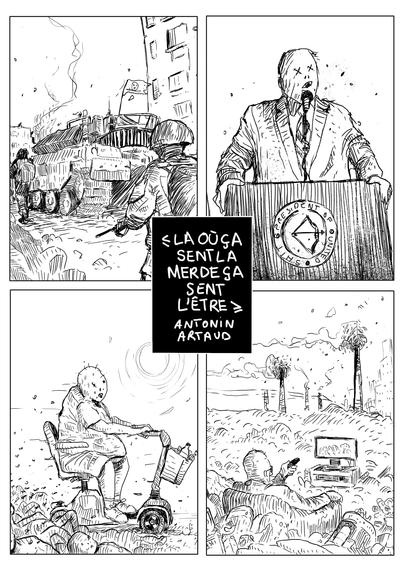
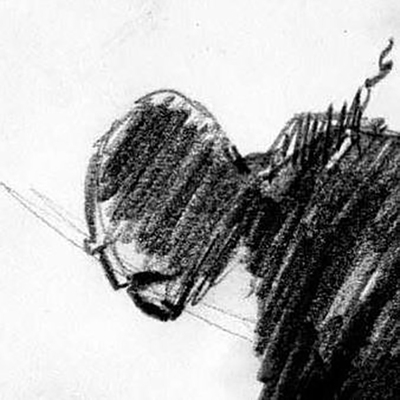
Une planche publiée dans Le numéro 3 de Fragments Fanzine Le numéro de l'été est tjrs dispo suivez le lien : https://fragments-fanzine.fr/le-numero-4-parfait-pour-lete/
#fanzine #comics #comix #bandedessinee #bd #indiegraphics #artaud #antoninartaud
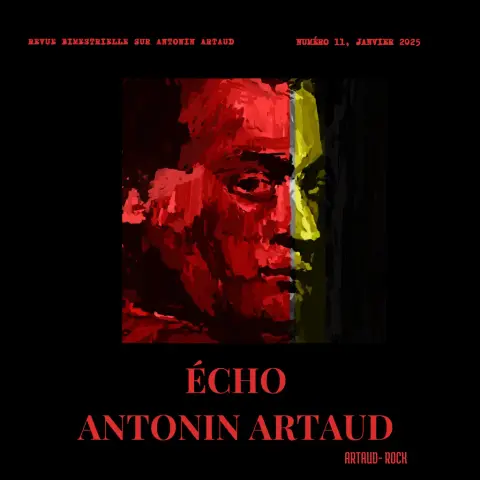
Qui était l'anti-muse d'Antonin Artaud ? https://actualitte.com/a/QCurPhw8

Docteure en Histoire de l’Art, médiéviste et commissaire d’exposition, Laurence Meiffret a choisi de revenir sur la figure, désormais bien oubliée, de Génica Athanasiou (1807-1966). Originaire de Bucarest, Génica demeure célèbre pour avoir partagé la vie d’Antonin Artaud, puis celle du réalisateur Jean Grémillon. Pourtant, l’actrice existe derrière la muse, ou plutôt derrière l’anti-muse, pour reprendre les termes de Laurence Meiffret. Par Etienne Ruhaud.
Et si Artaud avait raison ? 🩸
« Pour en finir avec le jugement de Dieu » est un uppercut contre l'ordre moral.
👉 À lire ici : https://lesheureslesplussombres.com/pour-en-finir-avec-le-jugement-de-dieu/
Before I forget, tomorrow is the release day for my new album! It's also #BandcampFriday! Please have a listen. We made a really lovely CD edition.
"An improvising trio since 2023, Wilson Shook, Kevin Corcoran, and Aine Nakamura create a atmosphere of heightened concentration, restraint, and purposeful recontextualization of sounds, affects, and relationships with each other and with a particular moment in the world. There is an oblique lyricism, and a non-programmatic #ritual intensity to the work, which evokes #Butoh, #DeepListening, #Artaud's Theater of Cruelty, and a sort of #animist #ecomusicology. Procession, while an ultimately incomplete document of a practice that is multi-sensory, experiential, and site-specific, nevertheless presents a compelling point of entry into the trio's artistic world."
#ImprovisedMusic #ExperimentalMusic @experimentalmusic
Procession | Wilson Shook, Kevin Corcoran, Aine Nakamura | Other Ghosts

6 track album
 Luchuco Cadáver
 slowforward
 ActuaLitté
 bran
bran Fabien Pusset
 Patrick Blanchon
 Wilson