@mwl I, too, was raised #evangelical — the ONLY CHILD of a METHODIST MINISTER who was a career MILITARY CHAPLAIN. "Only", AND "preacher's kid", AND "military brat". It's a wonder that I've never worn either a straitjacket or a swastika armband.

And I agree 100% that the #evangelical churches were never OK. Further, I believe modern leftism has made a grave error in attempting to be tolerant of fundamentalist religion, ESPECIALLY #evangelical Christianity. We need a return to the explicit #anticlericalism of earlier left-wing movements. Churches are too large a chunk of the problem to ignore, too potent an entering wedge for so many other horrors.

The life and thoughts of "atheist priest" Jean Meslier (1664-1729.) Often considered the first true modern atheist Jean Meslier was outwardly a dutiful local priest for over 40 years, but on his death left his flock with a philosophical testament that rejected the dogmas of all religions, denied the existence of God or the supernatural and excoriated the corruption and privileges of the clergy.

https://www.youtube.com/watch?v=dkB5nYVp7-8

#jeanmeslier #atheism #frenchrevolution #philosophy #anticlericalism

Atheist Priest who changed the fate of Europe. History of Atheism.

YouTube

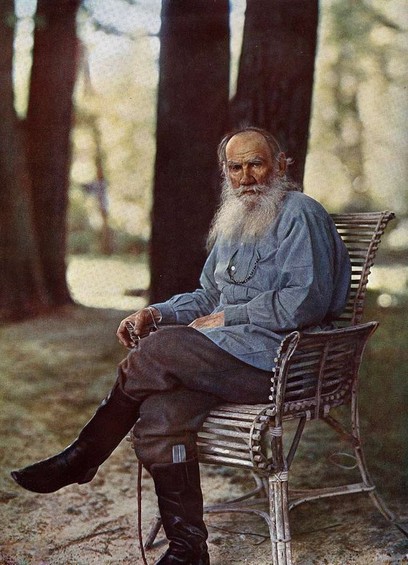
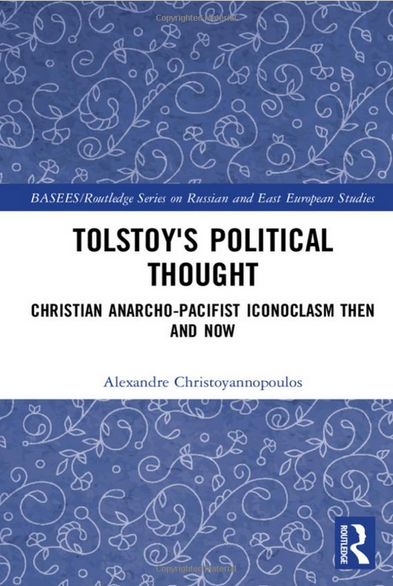
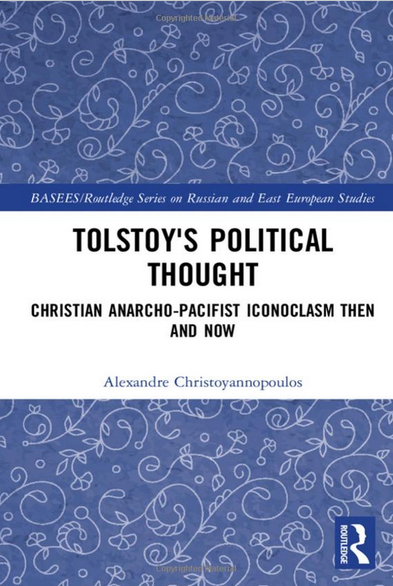
Today is #Tolstoy's birthday. His #politicalthought is radical, #anarcho-#pacifist & #iconoclastic. Here's my book on it: https://sites.google.com/site/christoyannopoulos/publications/tolstoys-political-thought-christian-anarcho-pacifist-iconoclasm

Core chapters explore T’s
#pacifism, #anarchism,
#anticlericalism, #asceticism &
#nonviolent #activism. Each time first systematising T (with plenty of poignant quotes), then discussing criticisms of his views, then reflecting on relevance since.
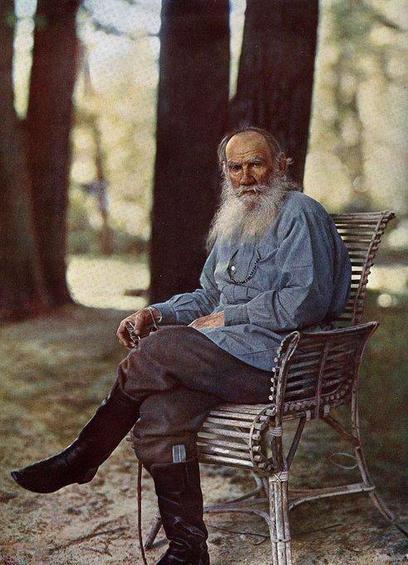
Today's the 9th 🎂 of my article on #LeoTolstoy's #anticlericalism, looking at both what he said then and how some of it still applies today. Freely available here: https://www.mdpi.com/2077-1444/7/5/59
Leo Tolstoy’s Anticlericalism in Its Context and Beyond: A Case against Churches and Clerics, Religious and Secular

In the last thirty years of his life, Leo Tolstoy wrote numerous books, essays and pamphlets expounding his newly-articulated views on violence, the state, the church, and on how to improve the human condition. Since then, these “Christian anarchist” views have often been dismissed as utopian or naive, and, despite inspiring many activists and intellectuals, often forgotten or ignored. Some of those views and arguments, however, arguably remain apposite today—and can in some cases be applied to broader phenomena than those he identified. This article focuses on one of the aspects of his Christian anarchist thought: his anticlericalism. The first Section recounts the evolution of Tolstoy’s views on religion and the church, and briefly describes Tolstoy’s peculiar metaphysics. The second outlines his main charges against the church, discusses some common objections to it, and considers the continuing relevance of his anticlericalism. The third seeks to secularise his anticlerical arguments by applying them beyond the church, against secular preachers and institutions, and does so by reflecting on the quality of debate in the contemporary public sphere, on the hypocritical distance between the morality preached by secular “clerics” and their practice, and on the steady process of ossification and betrayal which befalls secular political ideals. The article thus contributes to the literature firstly by summarising, discussing and reflecting upon the anticlericalism of a famous writer who also espoused controversial religious and political views; secondly by succinctly outlining his idiosyncratic metaphysics, including his peculiar reinterpretation of traditional Christian referents; and thirdly by applying the arguments that informed his criticisms of the church to a broader variety of religious and secular secular institutions.

MDPI
Leo Tolstoy’s impact on Dorothy Day and the Catholic worker movement

No description supplied

figshare
Core chapters explore T’s #pacifism, #anarchism, #anticlericalism, #asceticism & #nonviolent #activism. Each time first systematising T (with plenty of poignant quotes), then discussing criticisms of his views, then reflecting on relevance since.
Alexandre Christoyannopoulos - Tolstoy's Political Thought: Christian Anarcho-Pacifist Iconoclasm...

Description (from back cover) Leo Tolstoy (1828-1910), besides writing famous novels such as War and Peace, also wrote on political issues, especially later in his life, putting forward a political philosophy which might be termed "Christian anarchism". This book provides a comprehensive overview

Leo Tolstoy’s impact on Dorothy Day and the Catholic worker movement

No description supplied

figshare

Today's the 8th🎂of my article on #LeoTolstoy's #anticlericalism, looking at both what he said then and how some of it still applies today. Freely available here: https://mdpi.com/2077-1444/7/5/59

1st section recounts evolution of T’s views on #religion & #church, & briefly describes T’s peculiar #metaphysics. 2nd outlines main charges against church, discusses common objections, & considers continuing relevance of those anticlerical arguments

Leo Tolstoy’s Anticlericalism in Its Context and Beyond: A Case against Churches and Clerics, Religious and Secular

In the last thirty years of his life, Leo Tolstoy wrote numerous books, essays and pamphlets expounding his newly-articulated views on violence, the state, the church, and on how to improve the human condition. Since then, these “Christian anarchist” views have often been dismissed as utopian or naive, and, despite inspiring many activists and intellectuals, often forgotten or ignored. Some of those views and arguments, however, arguably remain apposite today—and can in some cases be applied to broader phenomena than those he identified. This article focuses on one of the aspects of his Christian anarchist thought: his anticlericalism. The first Section recounts the evolution of Tolstoy’s views on religion and the church, and briefly describes Tolstoy’s peculiar metaphysics. The second outlines his main charges against the church, discusses some common objections to it, and considers the continuing relevance of his anticlericalism. The third seeks to secularise his anticlerical arguments by applying them beyond the church, against secular preachers and institutions, and does so by reflecting on the quality of debate in the contemporary public sphere, on the hypocritical distance between the morality preached by secular “clerics” and their practice, and on the steady process of ossification and betrayal which befalls secular political ideals. The article thus contributes to the literature firstly by summarising, discussing and reflecting upon the anticlericalism of a famous writer who also espoused controversial religious and political views; secondly by succinctly outlining his idiosyncratic metaphysics, including his peculiar reinterpretation of traditional Christian referents; and thirdly by applying the arguments that informed his criticisms of the church to a broader variety of religious and secular secular institutions.

MDPI
Leo Tolstoy’s impact on Dorothy Day and the Catholic worker movement

No description supplied

figshare