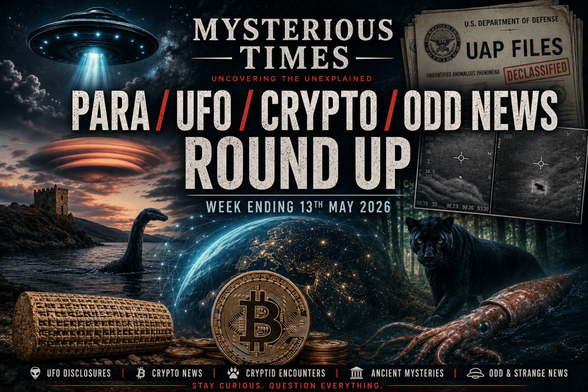
Mysterious Times Weekly Roundup W/E 12-5-26
Just when you think the world has settled down for a quiet week, along comes another pile of glowing orbs, declassified UFO papers, strange creatures in distant waters and enough odd headlines to keep Forteans happily staring into the night sky with a mug of tea in hand.
The week ending 13th May 2026 has been especially busy for paranormal watchers, UFO researchers and cryptozoology enthusiasts alike, with one story in particular dominating discussion across social media, news outlets and late night conspiracy forums.
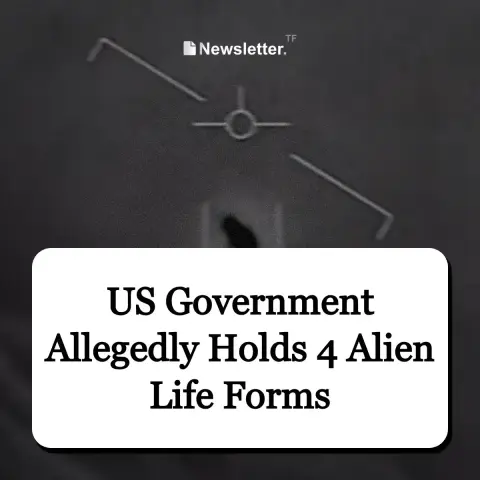
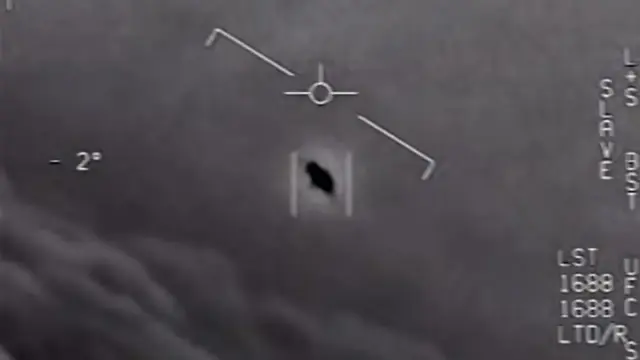
The biggest talking point of the week has undoubtedly been the release of previously classified Pentagon UFO files. The United States Department of Defense began publishing what it describes as “never before seen” material relating to unidentified anomalous phenomena, or UAPs, on a rolling basis through a newly launched public archive.
The initial batch reportedly includes more than 150 documents, images and videos collected from agencies including NASA, the FBI and military intelligence departments. Among the files are astronaut reports, infrared footage of unexplained airborne objects and historical witness statements dating back decades.
Unsurprisingly, the internet reacted immediately. Believers hailed the release as historic disclosure while sceptics argued much of the material appears inconclusive or already partially known. Either way, it has reignited public fascination with UFOs in a major way. [1]
Several analysts and scientists interviewed after the release urged caution.
Experts noted that many of the images remain blurry, lack contextual data or could potentially be explained by balloons, optical artefacts or atmospheric effects. Others pointed out that eyewitness testimony alone is notoriously unreliable. Even so, the sheer scale of the disclosure has created a fresh wave of speculation, especially surrounding military encounters over oceans and restricted airspace. The Pentagon has stated that further document drops are expected in the coming weeks. [2]
Meanwhile, UFO sighting databases and reporting hubs have continued receiving a steady stream of new reports from around the world. This week alone included reports of silver spheres over Nevada, glowing orange orbs in remote desert areas and fast moving triangular formations seen above parts of Europe and the United States. One particularly intriguing case involved witnesses in Arizona describing two silent lights manoeuvring at impossible speeds without visible propulsion. Another report from Italy described a glowing sphere abruptly changing direction before vanishing. While none of these sightings have been independently verified, they continue to fuel public fascination with unexplained aerial phenomena. [3]
Over in the world of conspiracy culture, online discussions have exploded around claims involving missing or deceased scientists allegedly connected to classified aerospace or advanced energy projects. The theory, which has spread rapidly across social media platforms, suggests there may be hidden links between a number of unrelated disappearances and alleged UFO research programmes. Journalists, sociologists and investigators have strongly criticised these claims, describing the supposed connections as coincidence and pattern seeking rather than evidence of any organised conspiracy. Nonetheless, the theory has become one of the most widely discussed paranormal talking points of the month. [4]
Cryptozoology has had its own peculiar week as well. Reports from Australian waters involving unusually large squid sightings continue to circulate following several marine encounters shared online by divers and fishermen.
In Britain, the seemingly eternal mystery of phantom big cats remains active, with new alleged sightings reported in rural Wales and the north of England. Though photographs remain frustratingly unclear, witnesses continue describing large black feline shapes moving silently through woodland and farmland.
Nessie, naturally, has also resurfaced in discussion after fresh sonar anomalies from Loch Ness enthusiasts made the rounds online once again. No convincing evidence has emerged, but the legend clearly refuses to fade.
On the archaeological side of strange history, renewed interest has been sparked by reports concerning ancient Mesopotamian clay cylinders linked to King Nebuchadnezzar II. Researchers believe the inscriptions may represent some of the earliest surviving foundation texts associated with the rebuilding of the ziggurat of Kish. While not paranormal in itself, discoveries like these often blur the line between mythology, ancient religion and historical reality, particularly for those fascinated by lost civilisations and forgotten beliefs. [5]
Elsewhere in the world of Forteana, weather watchers in Wales shared photographs of bizarre lenticular cloud formations nicknamed “UFO clouds” after they appeared hovering motionless above hillsides earlier this month. Though meteorologists quickly explained the phenomenon as unusual but natural atmospheric conditions, the images spread rapidly online and inevitably revived memories of classic flying saucer imagery. [5]
The latest issue of Fortean Times has also been attracting attention this week with its deep dive into the historical origins of crashed UFO folklore, exploring mysterious airship scares, strange metals and tales of dead alien pilots from the nineteenth century. It serves as a timely reminder that many supposedly modern mysteries often have roots stretching far deeper into history than we sometimes realise. [6]
As always, the truth behind many of these stories remains frustratingly elusive. Some will eventually find mundane explanations. Others may remain permanently unresolved, drifting into folklore and becoming part of the strange modern mythology we continue building around ourselves.
And perhaps that uncertainty is part of the appeal. The unexplained continues to thrive precisely because it leaves room for imagination, speculation and wonder.
Further reading and sources:
Sky News UFO files report (https://news.sky.com/story/a-13541565)
ABC News Pentagon UFO release coverage(https://abcnews.com/Politics/pentagon-begins-release-decades-unresolved-ufo-files/story?id=132780534)
Spectrum News UAP archive article(https://spectrumlocalnews.com/us/snplus/news/2026/05/08/pentagon-ufos-unidentified-flying-objects-uap-new-website-tranches-additional-records)
Anomaly Daily sightings database(https://anomalydaily.com)
Aliens Digest sightings archive (https://aliensdigest.com)
Fortean Times magazine (https://www.forteantimes.com)
[1]: https://news.sky.com/story/a-13541565 “‘Never-before-seen’ files on UFOs released by Pentagon | US News | Sky News”
[2]: https://en.wikipedia.org/wiki/UFO_files_release_%282026%29 “UFO files release (2026)”
[3]: https://anomalydaily.com “Anomaly Daily — A field guide to the unexplained”
[4]: https://en.wikipedia.org/wiki/Missing_scientists_conspiracy_theory “Missing scientists conspiracy theory”
[5]: https://www.milkywaynews.com “Milky Way News”
[6]: https://www.zinio.com/publications/fortean-times/3154/issues/735151 “Issue 470 May 2026 – Fortean Times”
Copyright © 2026 Kirst Mason D’Raven / [Mysterious Times](https://www.mysterioustimes.co.uk). All rights reserved. This article or images may not be reproduced, distributed or transmitted in any form without prior written permission from the publisher, except in the case of brief quotations used in reviews, research or scholarly discussion with appropriate credit.
#AlienDisclosure #AlienLife #Aliens #AncientCivilisations #AncientMysteries #Anomalies #BigCats #Bitcoin #BritishFolklore #ConspiracyTheory #Cryptid #CryptidSightings #CryptoNews #Cryptozoology #DarkSkies #FlyingSaucers #Folklore #Fortean #Forteana #ForteanTimes #Ghosts #HighStrangeness #LochNessMonster #MysteriesOfTheWorld #MysteriousTimes #Mystery #Nessie #OddNews #ParanormalActivity #ParanormalInvestigation #ParanormalMagazine #ParanormalNews #ParanormalRoundup #PentagonUFOFiles #QuestionEverything #StayCurious #StrangeWorld #Supernatural #UAP #UFO #UFOCommunity #UFOCommunityUK #UFOFiles #UFONews #Unexplained #WeeklyRoundup #WeirdAndWonderful #WeirdBritain #WeirdNews NewsletterTF

 N-gated Hacker News
 Adamas Nemesis
 Opinion | The Guardian US
 the novels of Steven Lyle Jordan
 K.Llewellin
 Kirst Mason D'Raven