 Robotics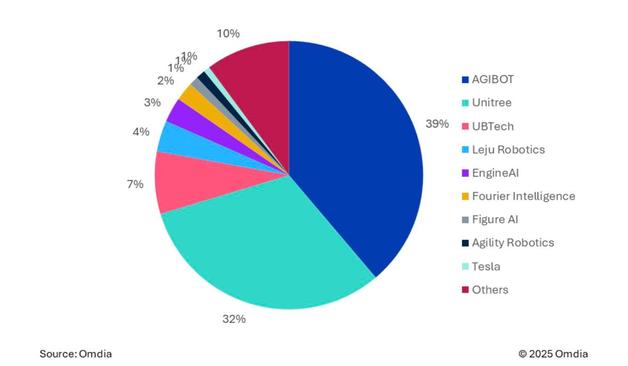
 Villanyautósok [Unofficial]
Nem betegednek meg, nem panaszkodnak – robotmunkások állnak szolgálatba a Toyota gyárában
Top 10 #humanoid #robot companies by shipments 🚚 in 📆 2025
• #Agibot: 5,168
• #Unitree: 4,200
• #UBTech: 1,000
• #LejuRobotics: 500
• #EngineAI: 400
• #FourierIntelligence: 300
• #FigureAI: 150
• #AgilityRobotics: 150
• #Tesla: 150
• Others: 1,350
Nem betegednek meg, nem panaszkodnak – robotmunkások állnak szolgálatba a Toyota gyárában
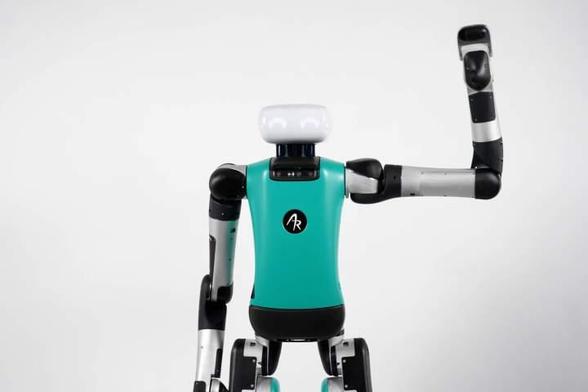
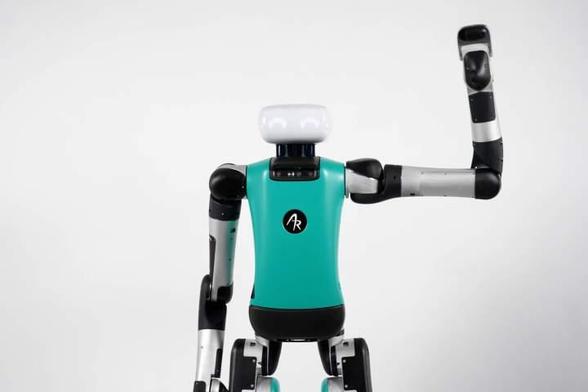
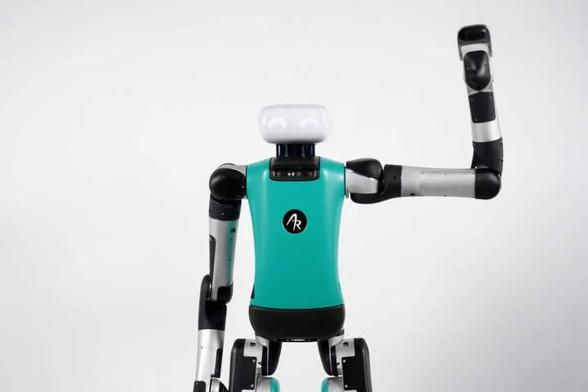
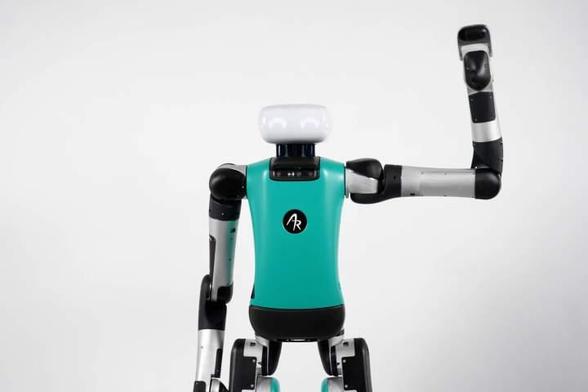
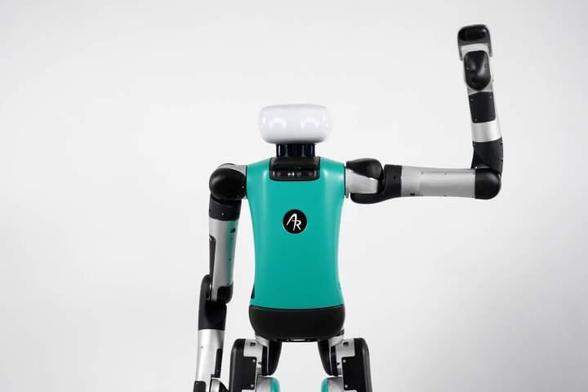
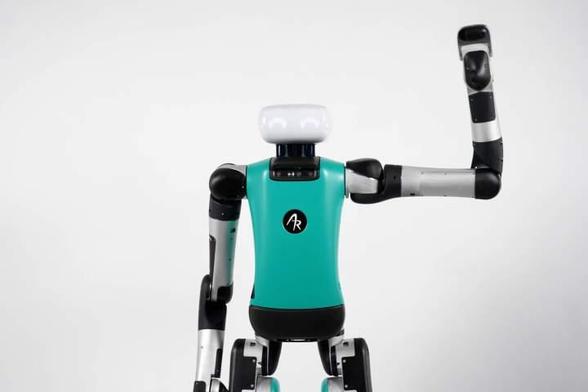
Il Tempo: Aziende cinesi leader nella produzione globale di robot umanoidi nel 2025
SHANGHAI (CINA) (XINHUA/ITALPRESS) – Un rapporto di settore ha rivelato che nel 2025 le aziende cinesi della robotica sono emerse come i maggiori produttori di robot umanoidi a livello mondiale, mettendo in evidenza la rapida ascesa del Paese in questo settore manifatturiero emergente.Secondo il rapporto diffuso giovedì da Omdia, società di consulenza tecnologica con sede a Londra, AgiBot, con base a Shanghai, ha raggiunto un volume annuo di spedizioni di oltre 5.100 unità, assicurandosi una quota del 39% del mercato globale dei robot umanoidi e posizionandosi al primo posto al mondo sia per volumi di spedizione che per quota di mercato.Seguono Unitree, con sede a Hangzhou, e UBTECH, con sede a Shenzhen, che hanno registrato volumi di spedizione rispettivamente di 4.200 e 1.000 unità. AgiBot e UBTECH si concentrano su applicazioni commerciali e industriali, mentre i robot di Unitree sono ampiamente utilizzati nei mercati della ricerca, dell'istruzione e dei consumatori.Lo scorso anno, altri importanti produttori cinesi di robot umanoidi come Leju Robot, EngineAI e Fourier, assieme alle controparti statunitensi tra cui Figure AI, Agility Robotics e Tesla, hanno raggiunto volumi di spedizione compresi tra 150 e 500 unità ciascuno. Si stima che le spedizioni annuali globali abbiano raggiunto circa 13.000 unità.In termini di competitività dei prodotti, AgiBot, Figure AI, Tesla, UBTECH e Unitree sono considerati operatori di prima fascia, secondo il rapporto.Il 2026 segna un punto di svolta cruciale per l'industria della robotica, dal semplice “gestire molte attività con competenze limitate” al vero “portare a termine i compiti con alte prestazioni e raggiungere l'applicazione pratica”, ha dichiarato Luo Jianlan, chief scientist di AgiBot.
– foto Xinhua –(ITALPRESS).
Chinese companies leading in global humanoid robot production in 2025.
SHANGHAI (CHINA) (XINHUA/ITALPRESS) – An industry report revealed that in 2025 Chinese robotics companies emerged as the world’s largest producers of humanoid robots, highlighting the country’s rapid rise in this emerging manufacturing sector. According to a report released Thursday by Omdia, a technology consulting firm based in London, AgiBot, based in Shanghai, achieved an annual shipment volume of over 5,100 units, securing a 39% market share of the global humanoid robot market and ranking number one worldwide for both shipment volume and market share. Unitree, based in Hangzhou, and UBTECH, based in Shenzhen, followed with shipment volumes of 4,200 and 1,000 units, respectively. AgiBot and UBTECH focus on commercial and industrial applications, while Unitree’s robots are widely used in research, education, and consumer markets. Last year, other significant Chinese humanoid robot manufacturers such as Leju Robot, EngineAI, and Fourier, along with US counterparts including Figure AI, Agility Robotics, and Tesla, achieved shipment volumes ranging from 150 to 500 units each. It is estimated that global annual shipments reached approximately 13,000 units. In terms of product competitiveness, AgiBot, Figure AI, Tesla, UBTECH, and Unitree are considered tier-one operators, according to the report. 2026 marks a crucial turning point for the robotics industry, from simply “handling many tasks with limited skills” to truly “completing tasks with high performance and achieving practical application,” said Luo Jianlan, chief scientist of AgiBot.
#Chinese #SHANGHAI #CHINA #XINHUA/ITALPRESS #Omdia #London #AgiBot #Shanghai #Unitree #Hangzhou #UBTECH #Shenzhen #LejuRobot #EngineAI #Fourier #AgilityRobotics #Tesla #LuoJianlan
 Global News Kingston
 Global News Barrie
 Global News Peterborough
 Global News Toronto
 Global News
 Global News Guelph
 Global News Hamilton
 Italian News by RSS