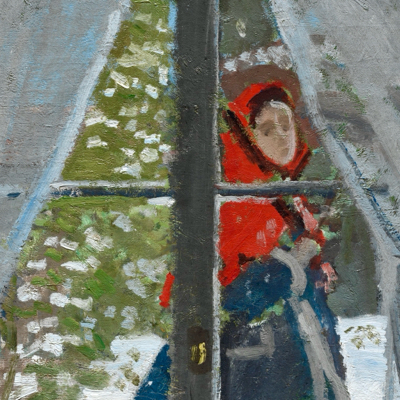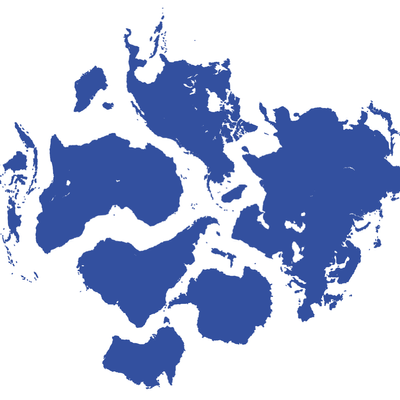
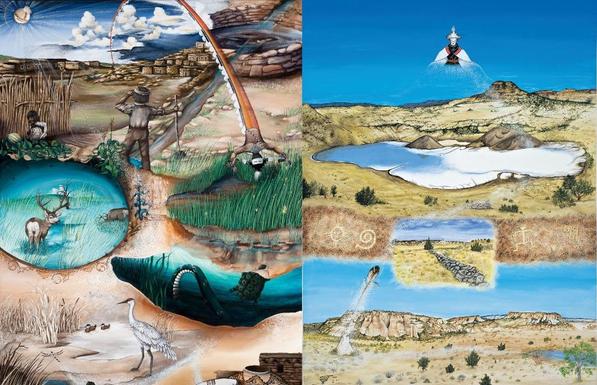
“It’s a really great learning experience to actually visualize these prayers, to put prayer into art and into a literal map. Culturally, it allows us to reconnect to our past.” #zuni artists create maps based on memories, ceremonies, songs, and a deep relationship to land. They counter western notions of place and geography and challenge the arbitrary borders imposed on their world.

https://emergencemagazine.org/story/counter-mapping/

(from the archive, 12.12.2019)
#zuniart #zunimaps #maps #modermapsdonthaveamemory

Counter Mapping – Emergence Magazine

Traditional Zuni farmer and museum director Jim Enote conceived a project to create maps that bring an Indigenous voice and perspective back to the land. Watch the film, “Counter Mapping,” by Adam Loften and Emmanuel Vaughan-Lee.

Emergence Magazine
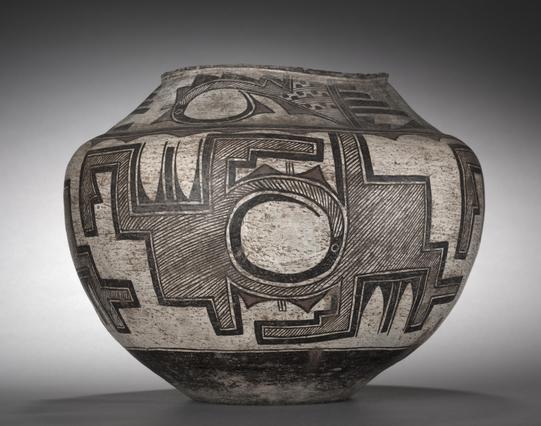
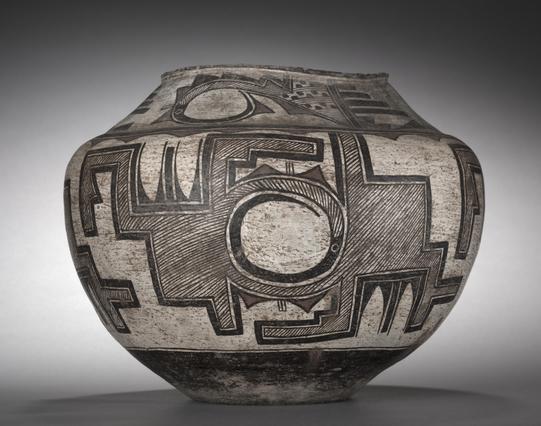
The Water Jar (Olla) with Rainbird at #ClevelandMuseumofArt beautifully blends function and artistry. Its striking designs tell stories of community, water collection, and the natural world, showcasing the deep cultural heritage of the Zuni people. What stories do you see in this piece?
#ZuniArt #NativeAmericanArt #Cleveland
https://clevelandart.org/art/1937.898
Water Jar (Olla) with Rainbird | Cleveland Museum of Art

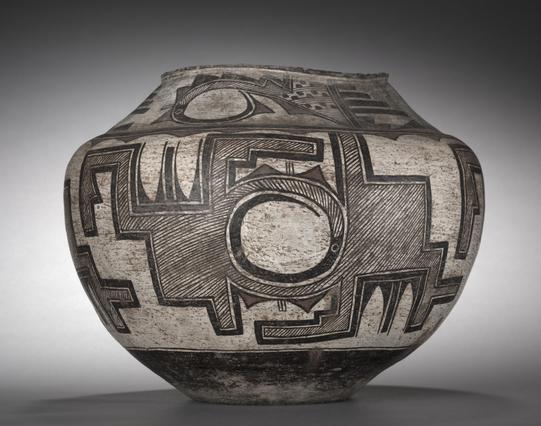
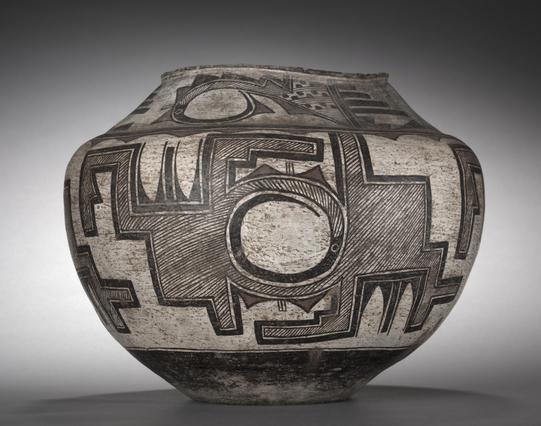
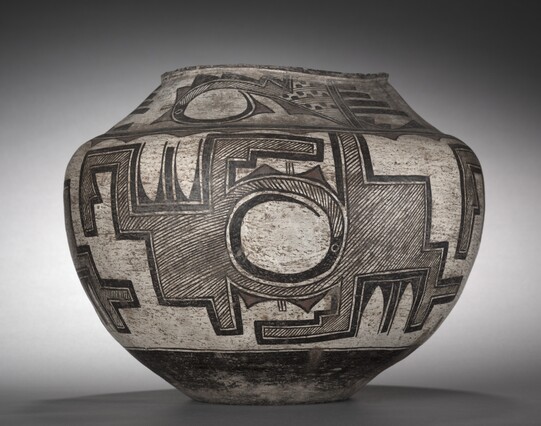
Zuni (A:shiwi) women used ollas (<em>oy-</em>ahs) like this one to collect, carry, and store water. The water well was a place for socializing, and the vessels’ public visibility may help to explain their elaborate, deftly painted decoration—here an abstract creature called the Rainbird whose beak spirals between two stylized, stepped wings that may allude to moisture-bearing clouds. Milford Nahohai, the contemporary Zuni potter, believes the motif is inspired by rain clouds that roll into the Zuni River Valley, their leading edges curled under the main mass to form a curve like that of the beak.

Delve into the beauty of the Water Jar (Olla) adorned with the Rainbird. A remarkable blend of utility and artistry, it tells stories of community, culture, and the sacred ties to water. What emotions do you feel when witnessing such intricate craftsmanship?
#ClevelandArt #ZuniArt #PotteryMagic
https://clevelandart.org/art/1937.898
Water Jar (Olla) with Rainbird | Cleveland Museum of Art

Zuni (A:shiwi) women used ollas (<em>oy-</em>ahs) like this one to collect, carry, and store water. The water well was a place for socializing, and the vessels’ public visibility may help to explain their elaborate, deftly painted decoration—here an abstract creature called the Rainbird whose beak spirals between two stylized, stepped wings that may allude to moisture-bearing clouds. Milford Nahohai, the contemporary Zuni potter, believes the motif is inspired by rain clouds that roll into the Zuni River Valley, their leading edges curled under the main mass to form a curve like that of the beak.

The Water Jar (Olla) with Rainbird beautifully captures the intersection of utility and artistry. Its intricate designs tell a story of culture and connection, embodying both function and ceremony. What stories do you think this vessel holds?
#ClevelandArt #ZuniArt #CulturalHeritage
https://clevelandart.org/art/1937.898
Water Jar (Olla) with Rainbird | Cleveland Museum of Art

Zuni (A:shiwi) women used ollas (<em>oy-</em>ahs) like this one to collect, carry, and store water. The water well was a place for socializing, and the vessels’ public visibility may help to explain their elaborate, deftly painted decoration—here an abstract creature called the Rainbird whose beak spirals between two stylized, stepped wings that may allude to moisture-bearing clouds. Milford Nahohai, the contemporary Zuni potter, believes the motif is inspired by rain clouds that roll into the Zuni River Valley, their leading edges curled under the main mass to form a curve like that of the beak.

Discover the blend of functionality and artistry in this Zuni water jar "Water Jar (Olla) with Rainbird" at #ClevelandMuseumofArt. Does the intricate Rainbird motif signify more than just a beautifully painted decoration? #ZuniArt #IndigenousArt #ClevelandArtMuseum
https://clevelandart.org/art/1937.898
Water Jar (Olla) with Rainbird | Cleveland Museum of Art

Zuni (A:shiwi) women used ollas (<em>oy-</em>ahs) like this one to collect, carry, and store water. The water well was a place for socializing, and the vessels’ public visibility may help to explain their elaborate, deftly painted decoration—here an abstract creature called the Rainbird whose beak spirals between two stylized, stepped wings that may allude to moisture-bearing clouds. Milford Nahohai, the contemporary Zuni potter, believes the motif is inspired by rain clouds that roll into the Zuni River Valley, their leading edges curled under the main mass to form a curve like that of the beak.

Admiring the Water Jar (Olla) with Rainbird at #ClevelandMuseumofArt. Zuni women used such vessels for water, socializing and expression. Notice the deftly painted Rainbird, a nod to moisture-bearing clouds. Does the art reflect nature or narrate tradition?
#ArtReflectsLife #ZuniArt
https://clevelandart.org/art/1937.898
Water Jar (Olla) with Rainbird | Cleveland Museum of Art

Zuni (A:shiwi) women used ollas (<em>oy-</em>ahs) like this one to collect, carry, and store water. The water well was a place for socializing, and the vessels’ public visibility may help to explain their elaborate, deftly painted decoration—here an abstract creature called the Rainbird whose beak spirals between two stylized, stepped wings that may allude to moisture-bearing clouds. Milford Nahohai, the contemporary Zuni potter, believes the motif is inspired by rain clouds that roll into the Zuni River Valley, their leading edges curled under the main mass to form a curve like that of the beak.