 shift/reset
RE: https://toot.wales/@SwanseaBayNews/116617730054631718
This is the obvious outcome from the WRU's wretched handling of the regions over the past years. It's hard to blame any of the players involved for securing their own future.
RE: https://toot.wales/@SwanseaBayNews/116617730054631718
This is the obvious outcome from the WRU's wretched handling of the regions over the past years. It's hard to blame any of the players involved for securing their own future.
OSPREYS: Ten players confirmed leaving at end of season — including shock exit of fan favourite Kasende
The Ospreys have confirmed ten players will leave the club when the current season ends — bringing the curtain down on a period of significant squad movement as the region prepares for its first season at St Helen’s.
The headline departures — Wales captain Jac Morgan and hooker Dewi Lake — were confirmed as long ago as December, with both heading to Gloucester. Morgan signed off his Ospreys career in style, delivering a man-of-the-match performance in the final west Wales derby earlier this month, while Lake’s farewell was cut short by a shoulder injury that ended his season prematurely.
Morgan has made 51 appearances for the club, captained both the Ospreys and Wales, and toured with the British and Irish Lions. Lake has made 71 appearances and led Wales on multiple occasions — both products of the Ospreys development pathway who will leave significant voids to fill.
The biggest surprise on the list will be the departure of Dan Kasende. The 31-year-old wing and fullback, born in Kinshasa in the Democratic Republic of Congo, joined the Ospreys on a permanent deal from the Toyota Cheetahs in October 2024 and quickly established himself as one of the most popular figures in the squad — known for his aerial prowess, high work rate and knack for scoring crucial tries.
Phil Cokanasiga is also heading to Gloucester, joining Morgan and Lake at Kingsholm. The centre has provided physicality and ball-carrying threat throughout his time with the club.
Ryan Conbeer departs after a spell in which the Ospreys have already moved to secure his replacement — Wales international Tom Rogers arriving from the Scarlets for next season.
Jack Walsh, the versatile utility back, is heading to Montauban in the French Top 14 — having chosen that opportunity over the prospect of pursuing Welsh qualification by residency.
James Fender, the second row, heads to Grenoble in the French PRO D2.
Fellow second row Will Greatbanks also departs. The 22-year-old is English-born but spent much of his youth in France and is Welsh-qualified through his Welsh-born father — he joined the Ospreys ahead of the 2024/25 season from Soyaux Angoulême.
Centre Tom Florence, a Bridgend product who came through the Ospreys academy, leaves after a stop-start spell — with Ealing Trailfinders understood to be a potential destination for the 22-year-old.
Outside-half Luke Scully, a former Wales U20s international, also departs after failing to nail down a regular starting berth.
The ten departures stand in contrast to a busy period of contract renewals. Since December, the Ospreys have tied down Sam Parry, Dan Edwards, Keelan Giles, Morgan Morse, Harri Deaves, Lewis Lloyd, Kieran Hardy, Garyn Phillips, Evardi Boshoff and Tom Botha — with the club building stability around a core of academy graduates and experienced performers.
The club is also understood to be active in the recruitment market, targeting an outside-half and a backrower ahead of the 2026/27 campaign.
The Ospreys are still yet to sign the new Professional Rugby Agreement with the WRU — a backdrop that continues to complicate long-term planning as the union presses ahead with its plan to reduce professional rugby in Wales from four teams to three by 2028/29.
The club thanked all ten departing players for their dedication throughout their time at the region.
Related stories from Swansea Bay News
Morgan inspires Ospreys to derby day win over Scarlets
Jac Morgan delivered a man-of-the-match farewell performance in the west Wales derby earlier this month.
Injury to end Lake’s Ospreys farewell prematurely
Dewi Lake’s final season at the Ospreys was cut short by a shoulder injury requiring surgery.
Wales international Rogers signs for Ospreys
Tom Rogers arrives from the Scarlets to bolster the Ospreys’ back three ahead of next season.
WRU: Ospreys and Scarlets still haven’t signed Welsh rugby’s new deal
The PRA25 agreement remains unsigned four weeks after the Ospreys announced their intention to commit.

WRU: Ospreys and Scarlets still haven’t signed Welsh rugby’s new deal — four weeks after Ospreys said they would
Welsh rugby’s two west Wales regions are still unsigned on the deal that was supposed to secure their futures — and the WRU‘s plan to cut professional rugby in Wales from four teams to three remains very much alive in the background.
Ospreys chief executive Lance Bradley confirmed on Thursday that the region had not yet signed the new Professional Rugby Agreement — known as PRA25 — despite announcing its intention to do so four weeks ago.
The Scarlets are also yet to commit to the deal, which sets out how professional rugby in Wales will be run, including how much money each region will receive.
Bradley told BBC Radio Wales Breakfast the hold-up was not a cause for alarm. “It’s not signed yet, but it’s progressing towards that, so it’s very close,” he said. “It’s just a few details to sort out, there aren’t any problems with it.”
He also moved to dismiss reports suggesting the new agreement would mean budget cuts for the clubs. “There was some discussion about how you manage recruitment at relatively short notice, but no — there are no plans for a reduction in the budget,” Bradley said.
The two regions are currently signed to an older agreement that runs until 2028. Dragons and Cardiff — currently owned by the WRU — signed the new PRA25 deal in May 2025, which runs until 2030.
The Ospreys and Scarlets had held back from signing last year, releasing a joint statement seeking clarity from the WRU before they would commit. That stand-off triggered a significant escalation from the WRU.
In May 2025, the WRU announced it would move away from a model of four evenly-funded clubs — a move that sent shockwaves through west Wales rugby and fuelled fears for both regions’ survival.
What followed was one of the most turbulent periods in Welsh regional rugby history. Swansea Council went to the High Court seeking an injunction to halt a proposed WRU deal that it said would end the Ospreys. Fans launched a 10,000-signature petition. Politicians, supporters and public figures called for the WRU chair’s resignation.
The Y11 bid to take over Cardiff Rugby also collapsed in April — a significant moment that changed the landscape of negotiations, with the WRU subsequently moving to offer PRA25 to the Ospreys and Scarlets.
The WRU’s subsequent U-turn — offering both regions a professional rugby agreement — was celebrated by campaigners as a massive victory. But the deal still hasn’t been signed, and the WRU’s longer-term plan has not gone away.
The union wants to cut professional men’s rugby in Wales from four teams to three by the 2028-29 season, and has said it will outline the terms of how that will be achieved this summer.
Previous WRU proposals suggested only one team would remain in west Wales — which would mean either the Ospreys or the Scarlets ceasing to exist as a professional side. Bradley said he hoped it would not come to that.
“My personal preference would be that four regions is something that works very well,” he said. “Ospreys against Scarlets is the biggest club game in Welsh rugby — everybody likes to hate everybody else, but it’s a fantastic game and a fantastic rivalry, and I’d like to see it continue if possible.”
He added that the regions would need to see the full details of the WRU’s three-team plan before drawing any firm conclusions about what it would mean for west Wales rugby.
Related stories from Swansea Bay News
WRU: ‘A massive victory’ — reaction as Ospreys and Scarlets handed lifeline in Welsh rugby U-turn
Politicians and candidates react to the WRU’s decision to offer professional rugby agreements to the Ospreys and Scarlets.
WRU: Cardiff Y11 ownership bid collapses
Y11 Sport and Media withdrew from the Cardiff Rugby bid process as the WRU moved to offer PRA25 to the western regions.
Welsh rugby regional duo seeking clarity on Professional Rugby Agreement
The Ospreys and Scarlets released a joint statement seeking clarity from the WRU before agreeing to sign the new deal.
WRU announcement leaves rugby regions in limbo over future
The WRU said it would move away from four evenly-funded clubs after the Ospreys and Scarlets declined to sign PRA25.
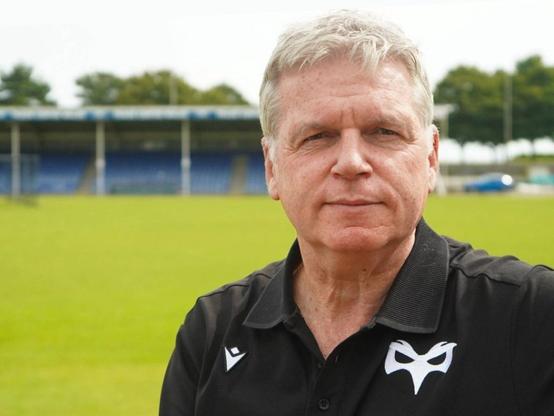

France & Ireland U21 Glory, Japan’s Asian Reign, and Chicago’s First WER Win | WRR 245 | News Your Scrumhalf Connection - Women's Rugby News

OPINION: ‘A victory for the Ospreys, a victory for Swansea, and a victory for everyone who stood up to be counted’ — Torsten Bell MP
The following is an opinion piece by Torsten Bell, MP for Swansea West. The views expressed are his own and do not represent the editorial position of Swansea Bay News. Swansea Bay News publishes OpEds from politicians and public figures across the political spectrum.
For those of us who have been campaigning hard to save the Ospreys, this weekend will involve a drink or two.
The victories of the past week have given us much to celebrate — and provided powerful lessons for all of us about what happens when people stand up to be counted.
A month back, it seemed that the attempt to force the Ospreys out of professional rugby with no proper process could see the team cease to exist beyond next season. We end the week in a changed world.
The Welsh Rugby Union have backed down, with the proposed Y11 takeover of Cardiff taken off the table. The Ospreys will sign a new four-year deal and enjoy a significant boost to their funding. And the exciting redevelopment of St Helens stadium will be going ahead. These are major wins which we all can be proud of playing a part to bring about.
That brings me to the first big lesson: hard work will out. Because these victories were not made in a week — they were won over months of stubborn campaigning.
Supporters, especially the Ospreys Supporters Club, used every avenue to make themselves heard: turning out in their hundreds to public meetings, signing petitions in their thousands, and uniting via their clubs to force a change of leadership at the union. It was determination to be reckoned with — and energy that will need to be maintained as the fight to ensure the Ospreys’ long-term future continues.
The second lesson is for the WRU: people love their region, and they hate a stitch-up. The WRU’s chaotic attempt to deliver a backroom deal to stitch up Wales’s most successful professional side brought supporters together across divides.
The Ospreys and their supporters never asked for special treatment. They asked for honesty, proper process and respect. The WRU must take this opportunity to take a step back, reflect, and start rebuilding the trust with plans that command the support of clubs and fans across Wales.
The final lesson is in how much people can achieve when we come together behind a common goal, no matter how great the odds seem. The WRU thought they had the power to sign the future of the Ospreys away. Fans proved them wrong.
As I heard from speaker after speaker who came to Brangwyn Hall to show their support for their club, support for the Ospreys goes far beyond trophies. It’s about belonging, identity, and a sense of pride passed from one generation to the next. That’s power of a different kind — the kind that belongs to all of us.
The fight to secure the long-term future of the Ospreys is far from over. For my part, I’ll keep fighting until that fight is won.
For now, though, this is a moment to be proud. Professional rugby is coming back to Swansea city centre. It’s a victory for the Ospreys. A victory for Swansea. And a victory for everyone who stood up to be counted.
Torsten Bell is the Labour MP for Swansea West. You can follow him on X at @TorstenBell. If you would like to submit an OpEd for consideration by Swansea Bay News, please email [email protected].
Related stories from Swansea Bay News
WRU: ‘A massive victory’ — reaction as Ospreys and Scarlets handed lifeline
Political reaction including Torsten Bell’s and Rob Stewart’s responses to the WRU announcement.
WRU: Cardiff Y11 ownership bid collapses
The full story of the WRU’s U-turn.
Hundreds pack Brangwyn Hall as Swansea unites to fight for Ospreys’ future
The public meeting Torsten Bell references in this piece.
WRU — all our coverage
Full archive of Swansea Bay News reporting on the Welsh rugby crisis.

SCARLETS: Club welcomes WRU lifeline and signals new investment as season ticket sales surge
The Scarlets have welcomed the Welsh Rugby Union’s offer of a Professional Rugby Agreement, saying the development brings “increased stability, security and clearer governance” to professional rugby in west Wales.
The club confirmed it will undergo due diligence before signing the agreement, which was announced by the WRU this week as part of a wider U-turn that also saw the proposed sale of Cardiff Rugby to Y11 Sport & Media collapse. The Ospreys are expected to sign shortly too, bringing all four Welsh professional clubs onto the same contractual footing for the first time.
The deal offers what the club described as “a more equitable framework for the professional game” and the Scarlets said they would continue to engage constructively with the WRU on its future strategy.
The announcement comes alongside confirmation of significant new investment into the club from its funding group. In a statement, the Scarlets described it as “a clear vote of confidence in Llanelli, in our heritage, and in the future of professional rugby in West Wales.”
That investment followed a period of acknowledged financial difficulty at the club. Earlier this month, the Scarlets confirmed significant new funding from within their existing funding group in a carefully worded statement that thanked supporters for their “loyalty and patience during a difficult period” — language that resonated widely with fans who had watched months of uncertainty unfold. The club declined at the time to detail the scale of the difficulties or the level of investment secured.
The club also reported strong early uptake on season ticket sales this week, alongside renewed commitments from key sponsors and partners — a sign, the club said, of renewed momentum and positivity around the region.
Last weekend’s Welsh derby at Parc y Scarlets provided further evidence of the club’s pulling power, with more than 1,000 hospitality places sold out and a crowd of over 9,000 in attendance. A community festival involving more than 500 junior players from grassroots clubs across the region also took place on the day.
The Scarlets said they would be making a series of rugby recruitment and retention announcements in the coming weeks, with a new performance programme in place aimed at returning the club to top-tier play-off contention.
The wider political reaction to the WRU’s announcement has been strongly positive, with Swansea Council leader Rob Stewart — who launched legal action against the WRU during the campaign to protect the Ospreys — calling the outcome “a major win,” and MP Torsten Bell describing it as “a massive victory” for fans and campaigners.
The development has also been welcomed by Senedd candidates in Sir Gaerfyrddin, where earlier this week Labour, Plaid Cymru and independent candidates united to demand scrutiny of the WRU’s west Wales merger plans — arguing that the loss of the Scarlets would be devastating for the Carmarthenshire economy and culture.
The Ospreys have also responded positively. The region’s chief executive has spoken of his optimism for the future following confirmation that the club will also be offered the agreement and that plans for a redeveloped St Helens stadium in Swansea are proceeding.
The WRU has been clear, however, that its ambition to move to three professional clubs by the end of the 2027/28 season remains unchanged. CEO Abi Tierney said the union was “undeterred” from that goal, with a decision on how to implement the strategy expected by June. The agreement provides near-term stability — but the longer-term picture for all four regions remains unresolved.
Nonetheless, the Scarlets expressed confidence in the club’s direction, saying the hard work, energy and forward focus at the club on and off the field “continues at full pace” — with further announcements on the playing squad and recruitment to follow in the coming weeks.
Related stories from Swansea Bay News
WRU: Cardiff Y11 ownership bid collapses
The full story of the WRU’s announcement and the collapse of the Cardiff sale.
WRU: ‘A massive victory’ — reaction as Ospreys and Scarlets handed lifeline
Political reaction including Rob Stewart’s exclusive video response.
Ospreys: Jones positive for region’s future after Y11 Cardiff collapse
The Ospreys’ response to the same announcement.
Scarlets: Club confirms ‘significant’ new investment after difficult period amid financial rumours
Our earlier coverage of the funding announcement that preceded this week’s news.
WRU — all our coverage
Full archive of Swansea Bay News reporting on the Welsh rugby crisis.
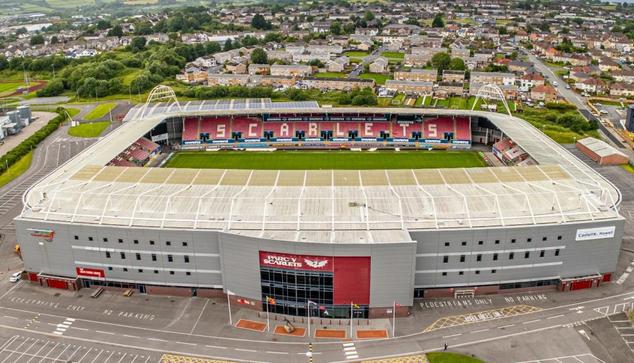
WRU: ‘A massive victory’ — reaction as Ospreys and Scarlets handed lifeline in Welsh rugby U-turn
The announcement that the Welsh Rugby Union will offer the 2025 Professional Rugby Agreement to both the Ospreys and Scarlets has been met with celebration and relief across south and west Wales — but also with sharp words for the union over the months of uncertainty that preceded it.
The WRU confirmed this week that Y11 Sport & Media has withdrawn from its bid to purchase Cardiff Rugby, that Cardiff will remain under WRU ownership for now, and that both the Ospreys and Scarlets will be offered the PRA25 agreement in line with Dragons RFC and Cardiff Rugby. The WRU has been clear, however, that its ambition to move to three professional clubs by the end of the 2027/28 season remains unchanged, with a decision on how to implement that strategy expected by June.
Here is how some of those who campaigned for the regions have responded.
Rob Stewart, Swansea Council leader and Labour candidate for Gŵyr Abertawe
Swansea Council leader Rob Stewart, who launched legal action against the WRU and called in the competition watchdog during the campaign to save the Ospreys, described the outcome as a major win.
Rob Stewart, Swansea Council leader and Labour candidate for Gŵyr Abertawe, gives his exclusive reaction to the WRU’s decision to offer professional rugby agreements to the Ospreys and Scarlets. (Video: Kirstie Logan Communications)Rob Stewart said: “Today the WRU have announced the deal to sell Cardiff to Y11 is off and a new Professional Rugby Agreement is being offered to the Ospreys and Scarlets — ensuring four teams remain potentially until 2030,” he said.
“Let me be clear — this is a major win for the campaign to save the Ospreys that I’m proud to have been a part of.
“The Ospreys will be playing at a redeveloped St Helens from the start of next season, which will be fantastic for the city, our local economy, and the Ospreys supporters.”
Stewart was also blunt in his criticism of the WRU’s handling of the saga. “We could have been in this position a year ago had the WRU not presided over chaos and confusion. The clubs and the union have suffered financially and fans and our game have faced unnecessary uncertainty. This was completely avoidable and the leadership of the WRU have to take responsibility for the crisis they caused.”
However, the WRU’s own statement makes clear its three-club ambition remains firmly in place. CEO Abi Tierney said the union remains “undeterred from our ambition to move to three professional sides,” with a decision on implementing that strategy expected by June. The PRA25 agreements provide near-term stability — but the longer-term picture for all four regions is still unresolved.
Torsten Bell MP, Swansea West
Torsten Bell, the MP for Swansea West who has been among the most vocal critics of the WRU’s handling of the Ospreys crisis, called the announcement a turning point.
“Today is a huge moment. Fans, and those of us who campaigned relentlessly alongside them against WRU’s chaotic reforms to Welsh rugby, have won a massive victory,” he said.
“The WRU have backed down and the Cardiff deal is off. More importantly the Ospreys will sign a new agreement with the WRU for the next four years — seeing the club into the next decade with a significant funding boost.
“So the attempt to force the Ospreys out of professional rugby with no proper process has been defeated.
“Crucially, this means the exciting development of St Helens will now be going ahead. Professional rugby is coming back to the centre of Swansea.
“Today is a vindication for everyone that stood up to be counted. I want to congratulate the fans and clubs for what they have achieved.”
Carl Peters-Bond, independent candidate for Sir Gaerfyrddin
Peters-Bond, who joined politicians from Labour and Plaid Cymru earlier this week in calling for Senedd scrutiny of the WRU’s west Wales plans, welcomed the development but echoed the sentiment that much of the damage had already been done.
“I’m delighted that the WRU board have finally seen sense and regional rugby will continue in Llanelli and Swansea,” he said. “Rugby is more than just a sport — it’s part of our culture and an important part of our region’s economy.
“It’s just a shame that it has taken over a year of uncertainty causing anger, frustration and confusion for fans, players and the wider community — something that could have been avoided if the WRU had just listened instead of ploughing on regardless.”
More reaction to follow as it comes in.
Related stories from Swansea Bay News
WRU: Cardiff Y11 ownership bid collapses
Our reporter’s full account of the WRU announcement.
Ospreys lifeline as council seals historic St Helens deal
How the St Helens redevelopment became central to the Ospreys’ future.
Swansea Council launches legal action against WRU over Cardiff Rugby sale
The moment Rob Stewart took the fight to the courts.
Scarlets: Candidates unite across party lines to demand Senedd scrutiny of WRU’s West Wales merger plans
Yesterday’s cross-party response to the WRU’s EGM position.
WRU — all our coverage
Full archive of Swansea Bay News reporting on the Welsh rugby crisis.
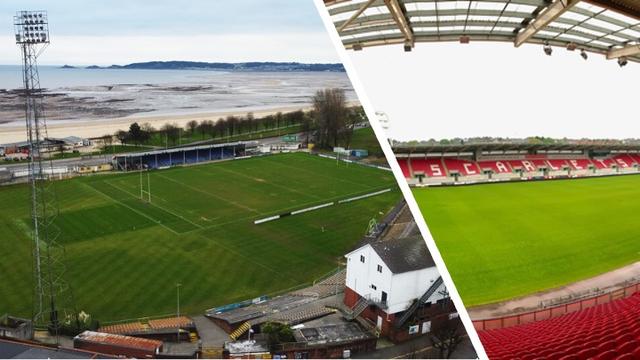
WRU: Cardiff Y11 ownership bid collapses
The move means Cardiff Rugby will remain under WRU ownership for now and until it makes commercial and strategic sense to revisit this decision.
A meeting of the WRU Board on Thursday 16th April approved the decision. It also reaffirmed (after first reaching the conclusion at a February meeting) that, subject to completion of due diligence, both the Ospreys and Scarlets will be offered the opportunity to enter the PRA25 agreement to bring them into line with Dragons RFC and Cardiff Rugby.
These steps will provide stability and clarity to Welsh rugby’s top tier as the WRU defines the steps to implement its ‘Way Forward’ strategy to reduce the number of professional clubs in Wales from four to three by the end of the 2027/28 season.
A decision on the procedure for implementing this strategy will be taken by June.
Speaking on the decision, WRU CEO Abi Tierney said:
“We know we need to move to three clubs, nothing has changed there, for both financial and performance reasons, and so we can invest in the right way in our pathway to ensure the future of the game.
“But this move brings stability to the system where it is needed and a calmness and assuredness to our plans for the future.
“Y11 presented the best bid for Cardiff Rugby but the WRU has ultimately concluded that it is in the best interests of Welsh rugby for Cardiff Rugby to remain under WRU ownership for now.
“We remain undeterred from our ambition to move to three professional sides, this is necessary for the future of our game.
“We will continue to invest the £28m we have earmarked for our pathways over the next five years, in a phased way, and we retain our ambitions for commercial growth in the professional game.
“I would like to add that we are all very grateful to Y11 for the professionalism and commitment to Welsh rugby they have displayed throughout this process.”
Y11 Sport & Media commented:
“PRA25 for the Ospreys and top-tier rugby in Swansea, partnering with Swansea Council and developing St Helens is the right outcome, whilst continuing to work with the WRU to further build a better pro rugby environment.
“We are grateful to the WRU for their openness and transparency throughout the negotiation period.
“Thank you to the Ospreys supporters for their patience and understanding, we know these have been worrying times for fans.”
PRB chair Marianne Økland added:
“This decision will hopefully contribute towards stability to the system in Wales.
“It’s good to see that the WRU Board has kept an open mind and evolved its thinking in line with developments. Welsh rugby now have an opportunity to work together to create a sustainable future for the whole game in Wales, which is a priority for us all.”
Commenting on the news, Torsten Bell MP said:
“Today is a huge moment. Fans, and those of us who campaigned relentlessly alongside them against WRU’s chaotic reforms to Welsh rugby, have won a massive victory.
The WRU have backed down and the Cardiff deal is off. More importantly the Ospreys will sign a new agreement with the WRU for the next four years – seeing the club into the next decade with a significant funding boost.
So the attempt to force the Ospreys out of professional rugby with no proper process been defeated.
Crucially, this means the exciting development of St Helens will now be going ahead. Professional rugby is coming back to the centre of Swansea.
Today is a vindication for everyone that stood up to be counted. I want to congratulate the fans and clubs for what they have achieved.”
#CardiffRugby #EGM #featured #Ospreys #WRU #Y11SportMedia
SCARLETS: Candidates unite across party lines to demand Senedd scrutiny of WRU’s West Wales merger plans
Candidates standing in the same Carmarthenshire constituency have united across party lines to demand greater scrutiny of the Welsh Rugby Union’s plans for professional rugby in West Wales, following the WRU’s restatement of its position at an extraordinary general meeting last week.
The WRU used its EGM on April 13 to maintain its stance that only one professional team should represent West Wales — a position that would effectively force a merger between the Scarlets and the Ospreys, ending one or possibly both clubs as independent regional sides. Politicians of all parties are warning that the consequences would be felt far beyond the rugby pitch.
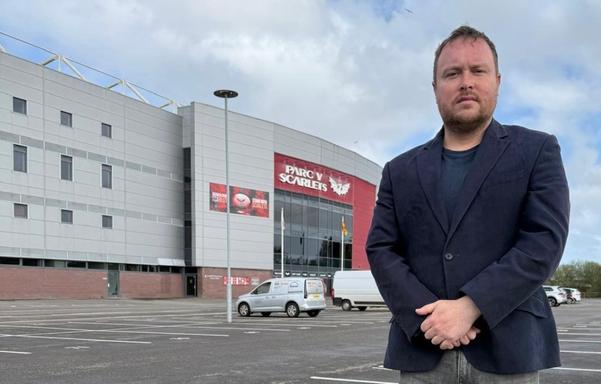
Labour Senedd candidate Calum Higgins standing outside Parc Y Scarlets in LlanelliCalum Higgins, Labour’s lead candidate for Sir Gaerfyrddin, said scrutinising the WRU’s proposals would be a priority if elected on May 7.
“It’s vital for the Carmarthenshire economy and rugby heritage in Llanelli that we have professional rugby here,” he said. “The Senedd should scrutinise the proposals and hold the WRU accountable for their actions.
“There are also lots of fans from the other regions in Carmarthenshire, mainly Ospreys fans who are understandably worried about their future. Any decent rugby fan would be supporting each other during this — we shouldn’t allow the WRU to divide the regional rugby fan base.
“If elected in May, a priority for me will be to scrutinise the proposals from a fan’s point of view. The rivalry between the Scarlets and Ospreys is something to protect and nurture for the future, and this proposal risks trashing rugby heritage in the South West.”
Higgins, a keen rugby fan from Tycroes in Carmarthenshire, was pictured outside Parc y Scarlets.
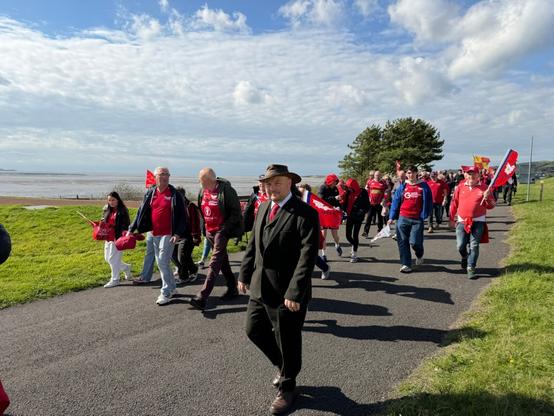
Independent Senedd candidate, Carl Peters-Bond at last year’s Scarlets march through Llanelli.Carl Peters-Bond, independent candidate for Sir Gaerfyrddin, said he had attended the Save Our Scarlets march in Llanelli last year and that the stakes went far beyond sport.
“The Scarlets have a huge heritage in the area. The loss of the Scarlets through the WRU’s potential reduction of the number of professional sides would be devastating, not just for the economy of South West Wales — Llanelli in particular — but also for the culture of the region,” he said.
“Rugby here is more than a sport. It’s part of who we are, and it binds our communities together. That’s why I’ll always stand up for the Scarlets and for grassroots rugby across Carmarthenshire.
“This isn’t about party politics. It’s about protecting something that belongs to all of us. The Scarlets are woven into the fabric of west Wales life, and losing them would be a blow we cannot afford.”
The sentiments echo those previously expressed by Cefin Campbell, Plaid Cymru’s lead candidate for Sir Gaerfyrddin, who backed a petition calling on the WRU to protect the Scarlets’ future during the union’s formal consultation period last September.
Writing on his website at the time, Campbell said dissolving the Scarlets would be “disastrous news not only for Llanelli, Carmarthenshire, and the wider region, but also on a national level.”
“A club that has produced legendary players — from Phil Bennett, Delme Thomas and Ray Gravell, to Stephen Jones and Ken Owens, to name but a few. And away from the pitch, the team contributes so much to the local economy, identity and culture. If this was lost it would leave a massive gap to fill and would lead to disillusionment by ordinary fans of the sport.”
“We will be contributing to the formal consultation process as I hope thousands of others will as well, in order to send a clear message to the WRU that dissolution of the Scarlets is not the solution to the mismanagement of professional rugby in Wales over many years.”
The cross-party response reflects growing concern among Carmarthenshire politicians ahead of the Senedd election, with candidates from Labour, Plaid Cymru, Conservatives and the independent benches all in agreement that the next Welsh Government must use its scrutiny powers to challenge the WRU’s direction of travel. The WRU’s insistence on a single West Wales team raises the prospect of a merger that could mean the end of the Scarlets, the Ospreys, or fundamentally alter both clubs beyond recognition.
Swansea Bay News has reported extensively on the WRU’s plans for the future of professional rugby in Wales, including the reaction of supporters and the broader implications for the Scarlets and Ospreys.
Related stories from Swansea Bay News
WRU — all our coverage
Full archive of our reporting on the Welsh Rugby Union’s regional restructuring plans.
In pictures: Supporters join Save Our Scarlets march through Llanelli
Our coverage of the protest march that Carl Peters-Bond attended.
WRU doubles down on three-team plan after EGM as Ospreys supporters warn of lasting damage to Welsh rugby
Our report on the EGM that prompted these responses.
SENEDD ELECTION: Plaid on course to make history as largest party
Our MRP analysis predicting which candidates are set to win seats in Sir Gaerfyrddin and across our area.

 Editor
 YSC Rugby - Women’s Rugby News
 Think But logically