Intracortical vs. ECoG: Discover why implant depth is the key determinant of BCI modality performance and why intracortical devices deliver richer neural signals, larger vocabularies, and superior outcomes for high-functioning brain-computer interfaces.

Intracortical vs. ECoG: Discover why implant depth is the key determinant of BCI modality performance and why intracortical devices deliver richer neural signals, larger vocabularies, and superior outcomes for high-functioning brain-computer interfaces.
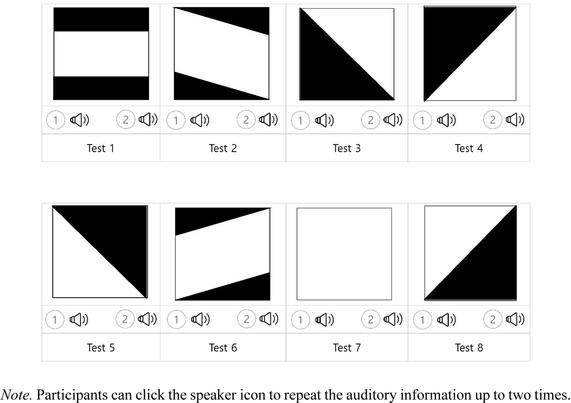
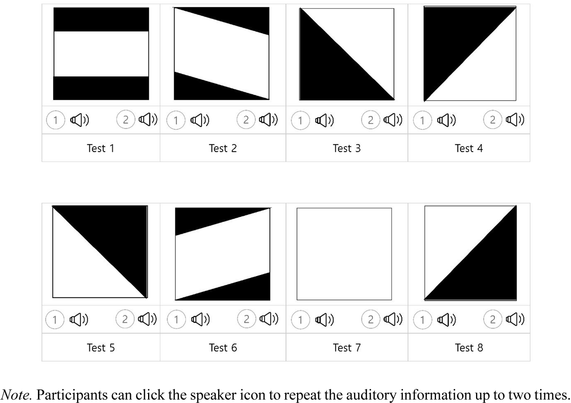
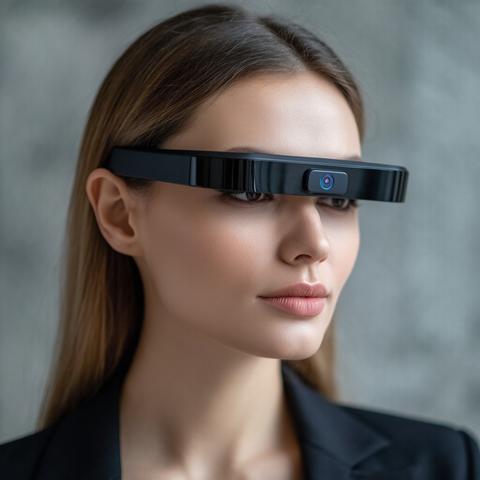
Research of this nature may prove tangential to the study of cross-modal plasticity in visual-to-auditory sensory substitution (#VASS) for the blind, while vice versa VASS can inform neuroscience of macroscopic brain changes from sensory deprivation conditions other than blindness or deafness.
It is not mainstream thinking yet, but VASS has the potential to be a noninvasive, affordable, sustainable and highly scalable alternative for brain implants for restoring vision to the blind - and it also works for congenitally blind. https://www.artificialvision.com/neuralink.htm Neuralink Blindsight anyone?
iN' terpretation Showcase: Giorgi Devadze • Castlek • Vass • Gio Shengelia • Mozzy @ Mtkvarze - 17 Apr feat. Giorgi Devadze, Cestlek, Vass + more
<ChatGPT>
Error modes: deterministic distortion vs hallucination
#VASS errors
- Deterministic distortions (lighting, blur, occlusion) are consistent.
- User can learn compensations because the mapping doesn’t “make things up.”
#LLM live vision errors
- Hallucination / confabulation risk: plausible but wrong descriptions.
- Overconfidence tone unless the UI forces uncertainty.
- Identity drift across turns: “a mug” becomes “a bowl” becomes “a jar.”
</ChatGPT>
bugpixel 7 years with Raphael Carrau, Vass and Holz @ TBA - 20 Dec feat. Holz², Raphael Carrau, Vass