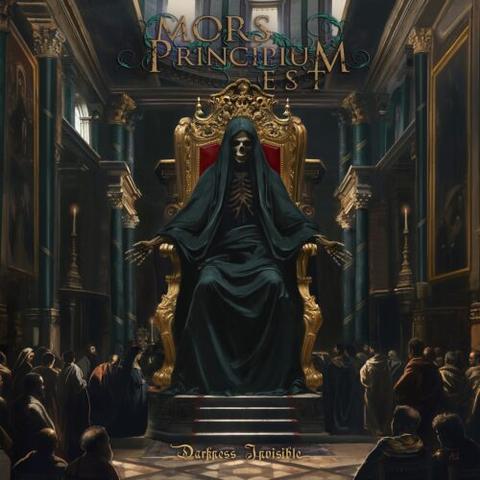
Mors Principium Est – Darkness Invisible Review

By Angry Metal Guy

Mors Principium Est should, for longtime fans of Angry Metal Guy, need no introduction. Since 2003, these Finns have released eight full-length albums of top-notch melodic death metal. However, they really took flight in 2012 with …and Death Said Live!, which coincidentally is a year after Andy Gillion joined the band. Between 2011 and 2021, Mors produced melodic death metal that drew heavily on a strong Gothenburg vibe; guitar-forward, slick as fuck, and fun to listen to. Gillion was fired, however, in 2021. That was followed by the band releasing an album of re-recorded songs called Liberate the Unborn Inhumanity, which fans largely considered a half-measure. Darkness Invisible, then, marks the first truly new material since Seven. And I’ve been dying to know how this revamped Mors Principium Est would navigate the changes on album number nine.

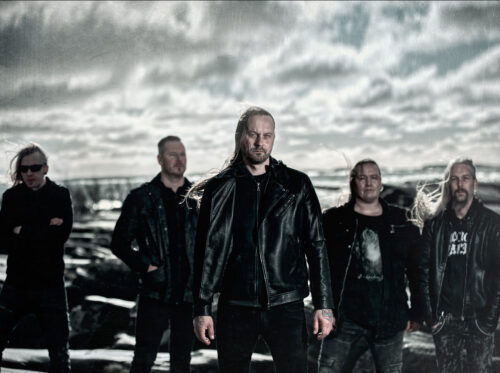
Darkness Invisible presents a recognizable core sound that longtime fans will connect with, but its character reflects the shift in the lineup. With Ville Viljanen’s scathing roar still at the helm, the return of Jori Haukio and Jarkko Kokko on guitars reintroduces the early 2000s songwriting DNA, while bassist Teemu Heinola and (new guy) Marko Tommila give the rhythm section both drive and dynamic weight. Together, they summon a melodeath that is at once cinematic, technical, and blackened—evoking countrymen Children of Bodom or Kalmah. The themes that emerge are darker than before: a push toward massive symphonic density that occasionally brushes against Septic Flesh’s deathly grandeur, the arrival of deeper guttural vocals that tilt passages toward brutal death, and flashes of blackened riffing that lend a sharp edge. These elements intermingle across the album, creating a record that is both familiar and ambitious.

Much of Darkness Invisible’s character comes from its dark dynamics and cinematic presentation. The compositions weaponize contrast in vocals and atmosphere, making for a dynamic and entertaining record. Viljanen’s familiar bark remains the anchor of MPE’s sound, but the band now folds in cavernous gutturals that push closer to death metal extremity (“Summoning the Dark”), even contrasting these with operatic cleans and producing a clash of brutality and grandeur (“All Life Is Evil”). Additionally, there’s a frost that creeps into the riffs and drumming, with trem-picked riffs and blastbeats sharpening the band’s melodeath foundation toward something blackened and sinister (see: the chorus of “Venator,” or the end of “The Rivers of Avernus”). And even the more straightforward cuts employ these textures to broaden their weight, layering symphonic swells and bleak grandeur over increasingly technical riffing. The result is a record that sounds darker and denser than the glossy sheen of Seven. This expansion lends ambition and menace, though the density of choirs, gutturals, and orchestrations sometimes threatens to swamp the guitars that were the core of Mors’ sound.

For all its ambition, Darkness Invisible’s major drawback is that it’s undermined by an Industry Standard Production Job™ courtesy of Jens Bogren (mixing) and Tony Lindgren (mastering). Bogren has made dense orchestral metal soar before—think how cleanly he’s wrangled maximalist arrangements for acts like Fleshgod Apocalypse and Turisas—which makes this result unusual. The record is mastered loud and layered thick; climaxes hit hard,1 but the constant stacking of choirs, vocals, multiple guitar tracks, drums, and orchestration often clutters the field and can bury the guitars that most recently defined Mors Principium Est. On a proper stereo, the album sounds big and sinister—fully loaded with dynamics, pomp, and grandeur—but on earbuds and smaller setups, it can collapse into a busy blur. It’s been a long time since I popped in a new release and found it simply too crowded for casual listening—and it ends up being fatiguing to the ear at times. That busyness contributes to the album’s oppressive mood, but it also blunts individual performances. In reaching for monumental scale, the mix trades away clarity, leaving the listener torn between admiration for scope and frustration at execution.

Darkness Invisible has convinced me that this lineup can carry Mors Principium Est forward. The shift in sound works: the band leans harder into Children of Bodom and Dark Tranquillity on the melodic side, showing off fantastic guitar work while embracing a more cinematic and melodramatic identity. Without the bonus track, the album lands at a vinyl-friendly 46 minutes, and its structural pacing—variations in tempo, atmosphere, and density—make it a fun and dynamic listen despite the crowded mix. Darkness Invisible doesn’t bear much resemblance to the Gillion era, but that’s not necessarily a weakness.2 This darker and more melodramatic Mors Principium Est feels fresh, and tracks like “All Life Is Evil” and “The Rivers of Avernus” prove the style’s promise. So, I entered this review with concerns about what a Gillion-less Mors Principium Est would sound like, and I’m leaving it impressed and excited for what’s to come. I would call that a great success.

Rating: Very Good!
DR: 6 | Format Reviewed: 320 kb/s CBR MP3
Label: Perception [Reigning Phoenix Music]
Websites: Facebook | Instagram
Out Worldwide: September 26th, 2025

#AndDeathSaidLive #2025 #35 #AndyGillion #ChildrenOfBodom #DarkTranquillity #DarknessInvisible #FinnishMetal #FleshgodApocalypse #JensBogren #Kalmah #MelodicDeathMetal #MorsPrincipiumEst #OrchestralMetal #Review #Reviews #Sep25 #SepticFlesh #Seven #TonyLindgren #Turisas

Månegarm – Edsvuren Review

By Angry Metal Guy

Once upon a time, Månegarm was an apex predator of the blackened folk metal scene that took metal by storm (er, Storm) in the early-to-mid-2000s. For a brief moment, as Heathenfests proliferated and white guys from Wisconsin,1 fell in love with songs about Vikings and runes, the Viking metal/folk metal subgenre was the Next Big Thing, fueled by a surprisingly liquid supply of fiddles, jaw harps, gallops, and flask-swinging choruses. Yet, time wasn’t kind. Turisas ghosted us after leaving us a weird note, Finntroll got lost in the woods and returned changed, and even Thyrfing and Moonsorrow have slowed to a crawl. But Månegarm has never stopped.2 With the impending release of Edsvuren (Oathbound or Sworn), their thirteenth full-length and fifth since signing with Napalm Records, this Swedish trio stands as one of the last standard-bearers of this once-ferocious scene.

Månegarm’s arc explains how we got here. From Havets vargar (2000) to Nattväsen (2009), Månegarm was among the hardest-hitting of the folk metal vanguard. They blended black metal’s blasting intensity with violin counterpoint (and solos), and Erik Grawsiö’s gravel-throated roar. But following Nattväsen, Månegarm underwent a serious change. With the departure of their violinist and bassist, Grawsiö moved to bass, but more importantly, they emerged with a retooled sound. By 2013’s Legions of the North, Månegarm had begun shaping themselves towards something more akin to Amon Amarth’s mid-paced crunch than the blastful abandon of their black metal roots. Edsvuren continues the same trajectory, letting the flames burn low rather than trying to rekindle the blaze; content to let the embers glow.

When the wind blows right, however, Månegarm’s fire burns bright. When these Swedes go heavy, the results are still vital—some of the best metal they’ve released in years. The opening trifecta demonstrates this: “I skogfruns famn” brims with trem-picked harmonies, fiddle, and melodies and pacing that evoke Isengard or Lumsk. “Lögrinns värn” picks up the pace and builds on Amon Amarthian heft, while “En Blodvittneskrans”—one of the album’s standout tracks—crackles with surprisingly punk-inflected drumming and tremelos that transport me to Bjoergvin. On the album’s back half, we again find heavy tracks that brim with harmonic minor riffing, fantastic vocal harmonies, and creative songwriting. “Skild från hugen” stretches into a seven-minute epic, weaving gallops, fiddle, and a doomy interlude where Elinor Videfors’ smoky alto helps to elevate the song. While “Likgökens fest” follows with another blast of urgency. In these moments, Månegarm is vibrant and confident, with a powerful sound and presence.

Much of Edsvuren, however, lives in the embers. Acoustic folk tracks like “Rodhins hav,” “Till gudars följe,” and “I runor ristades orden” aren’t filler; they’re beautiful. The production places each acoustic strum and hand drum with care, and Videfors’ voice adds a crystalline, haunting quality. Ancient and evocative, these songs are built on droning harmonies and modal folk melodies. And they sound great. In listening to these, I’m reminded of Panopticon’s Laurentian Blue, folk music with fiddle and a deep melancholy.3 The problem is proportion. Nearly half the record lives in this slower, acoustic, or mid-paced heavy space. And when stacked back-to-back (“Rodhins hav” through “Hör mitt kall,” and then again in the closing pair of songs), the album sputters. At 51 minutes, Edsvuren isn’t overlong, but there are moments when the pacing lengthens the album.

The vocals provide the oxygen that keeps Edsvuren burning, showcasing some of the finest arrangements Månegarm has ever recorded. Grawsiö’s extreme vocals remain commanding, but it’s his cleans—gravelly and full,4 at times evoking throat singing—that unite Edsvuren. The interplay with the guest vocalists—Elinor Videfors, Grawsiö’s daughter Lea on “I skogfruns famn”—is well balanced. And at its best, the record gives the impression that you’re sitting around the campfire and listening to them sing. Choruses bloom into layers of voices that feel almost ritualistic—but at least communal—and are balanced expertly in the mix (“Till gudars följe”). There’s an almost Finntrollian playfulness in the vocal arrangements at times (again, “Till gudars följe”), while at other times the harmonies are clinically tight like harmonic minor Bad Religion or early Soen. Even when the riffs tread familiar ground—or the album feels like it’s slowing down too much—the vocals continually elevate compositions and keep me hooked.

Edsvuren is an album that’s easy to like, but tricky to love. But I can say with confidence that it’s my favorite Månegarm since the Napalm run began in 2013. The heavy material is vital, energetic, and it reminds me of why I fell in love with these Swedish wolves to begin with. The folk songs and feel are brittle and beautiful, and give the album character and variety. Unfortunately, the overall balance of the record leans a little too hard into mid-tempo riffs, rock feels rather than blastbeats, and acoustic folk music—resulting in pacing that makes it feel less than the sum of its Very-Good!-to-Great! parts. I enjoy the songs, I admire the craft, but taken as a whole, they leave Edsvuren a little low on bite. Edsvuren may not spark anew Månegarm’s flames, but it tends the embers—keeping them warm enough for fellowship, beer, and song.

Rating: Good!
DR: N/A | Format Reviewed: Stream5
Label: Napalm Records
Websites: linktr.ee/manegarmofficial | manegarm.bandcamp.com
Releases Worldwide: August 29th, 2025

#2025 #30 #AmonAmarth #Aug25 #BadReligion #Edsvuren #Finntroll #FolkMetal #HavetsVargar #Isengard #LaurentianBlue #Lumsk #Månegarm #MelodicBlackMetal #MelodicDeathMetal #Moonsorrow #NapalmRecords #Nattväsen #Panopticon #Review #Reviews #Soen #Storm #Thyrfing #Turisas #VikingMetal

Matka meneeseen jatkukoon muutamalla kuvalla 2004 vuoden Tuskasta. Kaksi kuvaa olin Turisaksen 17.7.2004 keikalta ottanut. Molemmat oli melkoisen epäteräviä. Topazila ja sen jälkeen darktablella parantelin näitä hieman. #musiikki #turisas #tuska2004 #topaz #darktable

Wintersun – Time II Review

By Angry Metal Guy

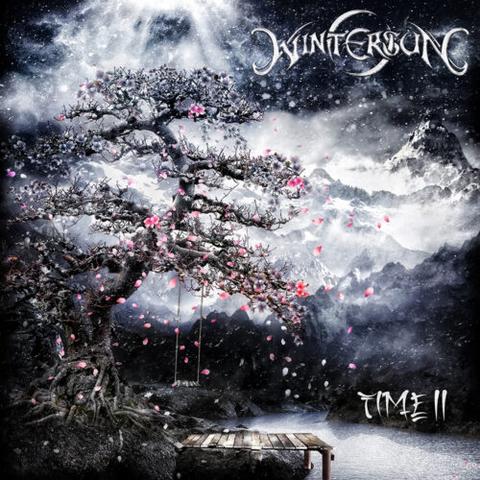
Wintersun’s Time II has finally been released after 12 long years. Originally announced before the release of Time I, the album was soon delayed due to mainman Jari Mäenpää’s apparent dissatisfaction with the sound. Enough ink has been spilled on the drama surrounding Jari and his surprisingly stable band—I had not realized that Wintersun has Nightwish’s rhythm section in Kai Hahto on drums and Jukka Koskinen on bass, while guitarist Teemu Mäntysaari is now in Megadeth and, more importantly, contributed guitar solos to the legendary Hevisaurus—and, frankly, it isn’t relevant whether his home studio has a sauna or whatever. What’s more relevant is whether the 12-year wait was worth it. Is Time II a good record? Were the fundraisers and jokes about quantum computing worth it? And like Time II, those questions are simultaneously simple and complicated.

At its root, Wintersun is best understood as a melodic black metal band. Rooted in the wave of Scandinavian melodic blackened/death metal that arose in the early 2000s, Wintersun’s sound is still strongly reminiscent of that which went before, bands like Ensiferum, Månegarm, Thyrfing, and Turisas. This sound’s root is Hahto’s double kick and his ferocious blast beats. These are topped by trem-picked melodies, often in harmonic minor, and topped with guitar godly solos from two of Finland’s finest shredders.1 Floating on the surface comes Jari’s screams and cleans. His screams, again, exist in the melodic black and death space from the early 2000s, while his cleans verge on power metal. His gritty voice plays a major role in Wintersun sounding like Wintersun, as he has a unique approach to both how he produces his vocals and the melodies he sings. Like many bands of this era, the tendency towards maximalism in presentation means that the bass sits low in the mix and often goes unremarked if you aren’t specifically looking for it. And if maximalism isn’t Jari Mäenpää’s middle name, then it’s the meaning of his last name.

Time II is primarily made up of four through-composed songs that run between 6 and 13 minutes. A through-composed song is something like Weird Al’s “Biggest Ball of Twine in Minnesota,”2 where the song doesn’t have a verse-chorus structure in a traditional sense, but rather there will be melodies and chord progressions that resurface, often varying on a second or third introduction. While arguably common in modern metal writing, rarely have I felt the need to mention it3. In the case of Time II, however, this is precisely what makes it such an interesting departure from Wintersun’s debut and, as well, what makes it an album that’s difficult to wrap your mind around. Each of these songs—”The Way of the Fire,” “One with the Shadows,” “Storm,” and “Silver Leaves”—feature a couple of primary progressions around which the song hovers. The first progression usually introduces a theme that will be repeated, while the second is a kind of refrain that the song will double back on. Yet each song morphs and twists, feeling simultaneously repetitive and novel—leaving the listener with the impression of an A-B-A structure that doesn’t exist and waiting for whistleable melodies that might not resurface.

There is a subtle ingenuity to Jari’s compositional approach that feels inspired by classical music. Each song modulates, with melodies floating on top of the undulating rhythm, while ideas seem fleeting; surfacing before falling away under moist keyboard textures. While Opeth once said that we should view their songs like “movements,” not “songs,” Wintersun writes like that’s the case. And the result for a listener can feel dreamy and sometimes disorienting, waiting for a theme to be repeated where it will never be. This is emphasized by a maximalist production job that even at a DR7/8 feels like every square millimeter of audio retail is taken up by something. This creates a big sound with a lot of moving parts and unlike “Biggest Ball of Twine in Minnesota,” nothing snaps the listener back into place and reorients them.

The real brilliance of Time II, however, shines through the guitar work. Moreso than the composition or the production—which, honestly, would have benefited from someone like Jens Bogren who has conquered the question of how best to produce big, orchestral metal—the guitars are where the real dynamics arise. This is clearest, for me, in the way that “Ominous Clouds” feeds from the plodding, mid-paced “One with the Shadows” and into “Storm.” With pristine form and beautiful tone, the song sounds like how I imagine David Gilmour would have sounded if he played like Yngwie Malmsteen. The underlying keys exist only to pad these lances of sound that explode from Jari’s incredible fingers. This feeds into Dimmu Borgirian orchestral hits and the primary theme from “Storm,” where the chord progression around which the song will modulate is introduced. But again, the first real change arrives at the 4:50 mark where the guitar suddenly leads the song into a different place! Here we see the kind of compositional brilliance that isn’t just a song rotating around an A and B part, but rather that changes the feel, modulates the vibe, and feeds back into a majestic and beautiful refrain.

The juxtaposition of brilliant, adventurous guitar solos with busy, but simple, musical ideas may be Time II’s biggest weakness. While the use of Chinese instrumental samples and melodies on tracks like “Silver Leaves” or “One with the Shadows” adds a beautiful character to the album, I am struck by how thin and unadventurous the whole feels compositionally. There’s something strange about the fact that this album, so grandiose and for which fans have waited so long, seems to rest on a flimsy and unclear concept. Unlike Ayreon’s The Theory of Everything, which does many of the same things, there’s no sense that Jari wants to repeat themes outside of any given specific song. There are no bigger conceptual interconnections between Time I and Time II that I have noticed. Instead, “Silver Leaves” reaches nearly eight minutes modulating around a singular idea, before introducing a counter melody. “One with the Shadows” is vehemently repetitive, with even the guitar solos not being allowed to drive the song off its monorail of a chord progression.

Time II is an album that is brilliant in some ways and sometimes disorienting. Like a Transformers movie, it is sometimes extremely entertaining to watch, but after you’ve seen it you’re just not sure that you really remember it. With repetition, I have come to love and appreciate these songs. I would even say that Time II is my favorite Wintersun record and it features Jari’s guitarwork at its absolute pinnacle; the man should be a legend for some of these solos. But for an album with such scope and fanfare and vitriol from the fanbase, it seems oddly limited now that it’s finally here. In the end, It’s really good. I particularly love “Storm” and “The Way of the Fire,” even if I’m less in love with “Silver Leaves” and “One with the Shadows.” I would love to see Jari drawing from the Michael Romeo playbook in the future of playing more with tempo, time signatures, and feel, varying his compositions in ways that feel surprising or, alternately, trying to link them together into an epic concept record that works thematically like a John Williams composition. But, if you like melodic black metal with incredible guitars and a lot of energy, Time II is the best thing Jari’s done since Ensiferum. I just can’t help but feel like that’s an anticlimax.

Rating: Really Good!
DR: 7 | Format Reviewed: V0 MP3
Label: Nuclear Blast Records
Websites: wintersun.bandcamp.com | facebook.com/wintersun | patreon.com/wintersun
Released Worldwide: August 30th, 2024

#2024 #30 #Aug24 #Camel #Ensiferum #Hevisaurus #JensBogren #Månegarm #Megadeth #MelodicBlackMetal #MelodicDeathMetal #Nightwish #Opeth #Queen #Review #Reviews #Thyrfing #TimeI #Turisas #WeirdAlYankovic #Wintersun

AMG Himself reviews Wintersun - Time II

After 12 years, Wintersun’s Time II is finally here. Was the long wait worth it? Dive into the complex answers with AMG HImself.

Angry Metal Guy

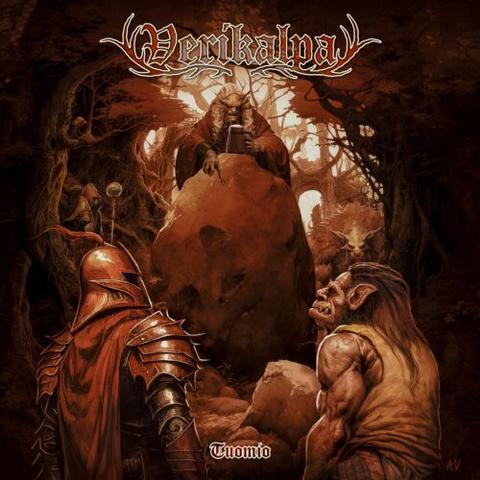
Verikalpa – Tuomio Review

By Angry Metal Guy

Tuomio is the fourth full-length LP from Finnish extreme folk metallers, Verikalpa. Back in ’20,1 I reviewed—and thoroughly enjoyed—Verikalpa’s sophomore platter Tuoppitannsi. The thing that stood out to me about the record, and its follow-up Tunturihauta, was how much it felt like the band was carrying forward the impeccable vibes from Finntroll’s earliest contributions, but without setting their stamp on it. Still, the writing popped and the sound satisfyingly scratched an extremely specific itch. As I wrote at the time, they bore “the accordion of tradition to the sauna of the metal gods, so that we might have something new to listen to while we drink.” But, let’s be honest, “competent but derivative” is not the praise anyone is looking for when they create music. And so one wonders, four years after my initial exposure, is that the only contribution Verikalpa had to make?

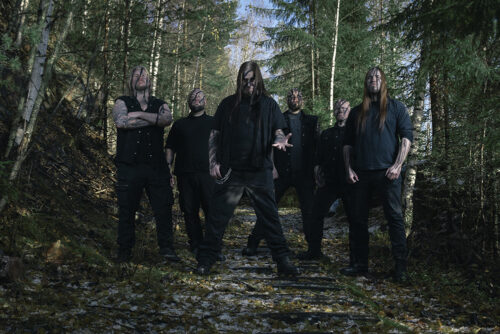
Like its predecessors, Tuomio has a familiar sound that’s easy to love. Verikalpa plays speedy, sometimes galloping or even blasty, melodeath with as much harmonic minor as the songwriters can pump into the riffs. The band, made up of two Jussis (guitars and keyboards), two Samis (guitars and bass), a Jari (drums), and a Jani (vocals) play tight, energetic metal that calls upon their Finnish brethren, but without the pretensions of a Wintersun or Turisas. Their compositions aren’t complex, they’re not borrowing sounds from Japanese instrumentation, and don’t require quantum computing to play on a computer. And their scope is not one with epic aspirations. Instead, Tuomio works almost exclusively in simple time but does so with loads of pathos, driven on by majestic and sticky melodies carried on guitar or keys reminiscent of Turisas’ debut album. This makes it easy to drop into comfortable grooves, with the snare on two and four and machine gun kicks whipping at the Jussis’ and Samis’ backs.

And firmly planted in that familiar Finnish sound, Tuomio delivers the bangers in spades. Verikalpa vacillates primarily between speedier, driven passages that will annihilate unsuspecting crowds live (“Arvon tuomari,” “Noijan sauna”), and the kind of mid-paced tracks (“Laulava vainaja,” “Hakkaa hakkaa,” or the bridge on “Sammalsynti”) that can so often get sleepy if not perfectly executed. But Tuomio finds Verikalpa increasingly mastering their craft, balancing these different speeds, with every riff hitting home—and a seemingly innate understanding of when to slow it down or speed it up to keep a listener interested. Every song on Tuomio features sharp hooks, interesting variations upon themes, and tight execution. One major difference from the previous albums is that Tuomio is mixed and mastered by Pasi Kauppinen, of Sonata Arctica. Pasi’s approach gives them exactly the kind of crisp, and balanced mix that the band needs. And while it could be criticized as dated, it clocks in at a surprising DR of 8 and it fits the music perfectly. Pasi’s touch does the job of getting out of the way of the songs to allow the composition to speak for itself.

And it’s the composition throughout Tuomio that makes it clear how Verikalpa has begun to differentiate itself. One of the band’s most defining tendencies is playing key melodies in unison. That is, the bass, keys, and guitars are all playing the same thing, which sometimes gives it a punky energy. While this could be boring, it has the counterintuitive effect of creating a melodic blunt-force trauma. As a lover of big, epic sounds, I tend to lean away from bands that work with punky energy or ‘simplistic’ writing. But Verikalpa understands that songwriting is a balancing act, making the band’s very specific and well-considered use of harmony extremely effective. After several listens, I began realizing that I was perking up at these perfect moments, like in “Tulimerten taa,” where the harmonies come in (YouTube link, plays 15ish second clip), or the pre-chorus in “Laulava vainaja” (1:13) where the guitars suddenly deviate out of unison into an abbreviated lead, which adds a tight flare. What feels unsubtle becomes the band’s best compositional trick. Less turns out to be more.2 This also gives the impression that Verikalpa has begun opening things up a bit more compositionally, experimenting with better orchestration and slightly carnivalesque sounds (“Maat hauraan hautaa,” the bridge in “Veritonttu”). It’s playful, but it’s worth taking 100% seriously.

Ultimately, Tuomio’s combination of a maturing band that’s developing its sound and a production that lets their excellent ideas and melodies shine creates what is easily one of the most enjoyable listening experiences I’ve had this year. Tuomio is an album without a bad song and that finds Verikalpa making major strides to come into its own. Even at 55 minutes long, I never think about the album’s length when I’m listening to it. It’s just fun hearing Verikalpa develop, and while their sound is still undeniably indebted to the Finnish scene from 20 years ago, Tuomio is helping them plant their flag. So, sure, Verikalpa continues to bear the accordion of tradition to the sauna of the metal gods. But in 2024, they no longer only do so as supplicants.

Rating: Very good (and getting better!)
DR: 8 | Format Reviewed: V0 mp3
Label: Scarlet Records
Websites: verikalpaofficial.com | Bandcamp | Facebook
Releases Worldwide: April 19th, 2024

#2024 #35 #Apr24 #Blog #FinnishMetal #FolkMetal #MelodicDeathMetal #Review #Reviews #ScarletRecords #SonataArctica #Tunturihauta #Tuomio #Tuoppitannsi #Turisas #Verikalpa #Wintersun

AMG Himself reviews Verikalpa's Tuomio

Verikalpa has returned!

Angry Metal Guy

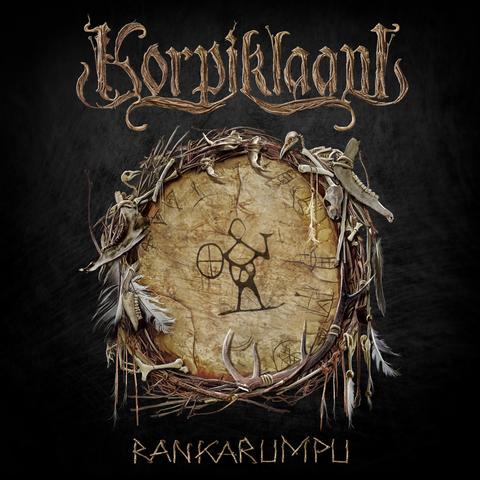
Korpiklaani – Rankarumpu Review

By GardensTale

Every metalhead has a few firsts when they’re just entering the scene. First band you became obsessed with. First live gig. Korpiklaani was neither of those for me, but it was the backdrop to my first moshpit, and the next few as well, when I had less than 10 bands in my metal library and the band only had its first 2 albums under the belt. Like many others, Korpiklaani drifted into my past, apart from an occasional nostalgic spin of “Wooden Pints” or “Cottages & Saunas.” Until a few weeks ago, when I was constructing a playlist for a new Dungeons & Dragons character (a kobold ranger named Tracha) and decided nothing nailed his personality quite like the drunk druid folk party of the Finns. Perfect timing to clamber back aboard the running train as it heads to its 12th station: Rankarumpu.

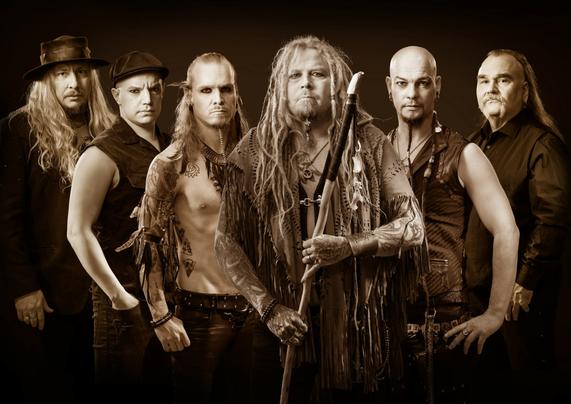
Apparently, two decades of pumping out album after album have had little to no effect on Korpiklaani’s sound, because any of the around dozen songs on Rankarumpu could have been a lost bonus track from Voice of the Wilderness and I’d be none the wiser. If you’re new to the band: imagine Radagast the Brown from The Hobbit partying with Tankard and add a slew of folk instrumentation. Founder and vocalist Jonne Järvelä sounds entirely unchanged, his gruff shaman chants and traditional yoiks as distinctive as ever. The thrashy guitars stick to a backseat role, with violin and accordion providing most of the melodic leads. Of these, the violin steals the spotlight, thanks to Turisas alumnus Olli Vänskä. His light and nimble playing elevates the music a level above mere boisterous drinking fare (though make no mistakes, it definitely still classifies as such). “Saunaan”1 is an immediate favorite thanks to his soaring melody, and songs that would otherwise be classified as average like “Viikatelintu” benefit a lot from the lithe bowing overtop.

When I researched the reception to Korpiklaani’s recent work, the most common complaint seemed to be a pretty hefty case of bloat, with multiple albums running over an hour. Few bands can make such running times work, and none of them play jaunty folk metal. But Rankarumpu clocks in at a modest 43 minutes and change, and is all the better for it. Between the reduced length and Vänskä’s reinvigorating violin, Rankarumpu feels like a soft reset for the band, a return to basics. Instead of big, bloated concepts, here are 12 tracks that range from solid to excellent, the average length well under 4 minutes, and each has its own hooks and personality. The songwriting could have been just a smidge more dynamic, though. With cheerful and bouncy the default mode, the more introspective, melancholy tracks I’ve come to love from the band’s early efforts are largely absent, aside from closer “Harhainen Höyhen,” which seems afraid to commit fully to either low or high energy and winds up a somewhat awkward mid-pace.

It’s less a demerit and more a recommendation for future improvement, though, because Rankarumpu is a real joyous treat for the positivity-starved metalhead, and despite operating within a more limited spectrum, the tracklist has plenty of surprises. “Kotomaa” is the most intense and immediate opener the band could have come up with, “Aita” has the rom-pom-pom gait of an approaching troll and the title track comes across as equal parts war dance and victory party. The production fits the music just the same: warm, clear, and direct, emphasizing the folk instruments and vocals while letting the guitar fill out the background to keep an iota of heaviness.

Though I haven’t had the chance to delve into the band’s recent past, Rankarumpu feels like the band reining in their most destructive excesses while giving plenty of floor-time to their newest band member. Whilst Korpiklaani never lost my favor, this is where they have regained my interest, with an album that is as simple in writing and structure as it is addictive. A uniformly strong showing from a band a dozen albums deep is a rare treat, and I know Rankarumpu will be a worthy companion to many parties this year. Including my adventuring party, because a certain kobold ranger has just become a big fan of saunas!

Rating: 3.5/5.0
DR: 8 | Format Reviewed: 192 kbps mp3
Label: Nuclear Blast
Websites: korpiklaani.bandcamp.com | korpiklaani.com | facebook.com/korpiklaani
Releases Worldwide: April 5th, 2024

#2024 #35 #Apr24 #FinnishMetal #FolkMetal #Korpiklaani #NuclearBlast #Rankarumpu #Review #Reviews #Tankard #Turisas

Korpiklaani - Rankarumpu Review | Angry Metal Guy

A review of Rankarumpu by Korpiklaani, available April 5th worldwide via Nuclear Blast.

Angry Metal Guy

Für den heutigen #MittwochMetalMix teile ich eine meiner Lieblingsbands, die sich die letzten Jahre leider sehr bedeckt gehalten hat: #Turisas ! #Ensiferum können die Leere zwar auch gut füllen, aber es ist einfach nicht das Gleiche. Daher hier ein Lied, das, in voller Lautstärke auf Kopfhörern, jede Situation einfach unendlich episch macht. Niemand kann dir was.

Sollte ich mal boxen, wäre das mein Einlauflied.

Turisas - Take the Day!
https://songwhip.com/turisas/take-the-day

Take the Day! by Turisas

Listen to "Take the Day!" by Turisas on any music platform - Free smart music links by Songwhip

Songwhip
Heute geht es das erste Mal #Drachenboot fahren. In Ermangelung eines #Feuerschwanz -Shirts muss es heute #Turisas richten. Dress for the occasion.