The tractor driver (#16949) gets a dollar a day, this house to live in, and a cow to milk for working ten to eleven and a half hours daily. Three miles from Memphis, Texas

#Threemiles #Memphis #Texas #3MILES #MEMPHISHOTEL #undefined #photography #DorotheaLange

https://www.loc.gov/pictures/item/2017770061/

"Have you ever seen Edward Scissorhands?" - ASHLEIGH WALLACE, Three Miles, This American Life #TAL #ThisAmericanLife #ThreeMiles #TimBurton #HappyBirthdayTimBurton #AshleighWallace

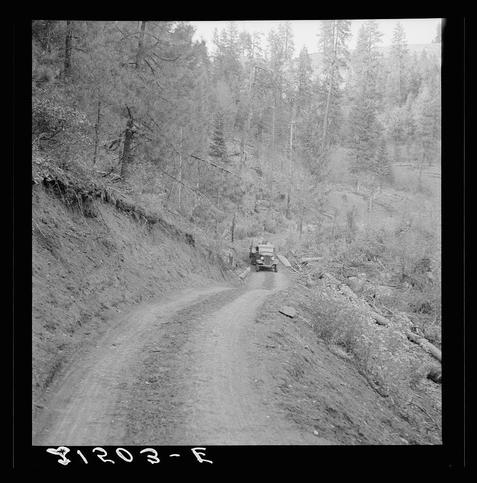
Untitled photo, possibly related to: Bringing in load of logs late in the afternoon from the woods to the mill over road three miles long which members built with pick and shovel. Ola self-help co-op farm, Gem County, Idaho. See general caption 48

#threemiles #GemCounty #Idaho #undefined #photography #DorotheaLange

https://www.loc.gov/pictures/item/2017773940/

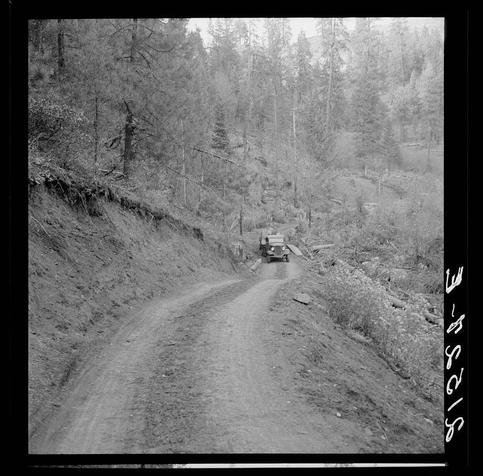
Bringing in load of logs late in the afternoon from the woods to the mill over road three miles long which members built with pick and shovel. Ola self-help co-op farm, Gem County, Idaho. See general caption 48

#threemiles #GemCounty #Idaho #undefined #photography #DorotheaLange

https://www.loc.gov/pictures/item/2017773916/

Bringing in load of logs late in the afternoon from the woods to the mill over road three miles long which members built with pick and shovel. Ola self-help co-op farm, Gem County, Idaho. See general caption 48

1 negative : nitrate ; 2 1/4 x 2 1/4 inches or smaller.

Maurice Leblanc - Arsene Lupin Part 8 of 99

“Yes, my boy; it’s a very fine château,” said M. Charolais, looking round the hall with appreciative but greedy eyes.
There was a pause.
“It’s a very fine château, young ladies,” said M. Charolais.
“Yes; but excuse me, what is it you have called about?” said Germaine.
M. Charolais crossed his legs, leant back in his chair, thrust his thumbs into the arm-holes of his waistcoat, and said: “Well, we’ve come about the advertisement we saw in the RENNES ADVERTISER, that M. Gournay-Martin wanted to get rid of a motor-car; and my son is always saying to me, ‘I should like a motor-car which rushes the hills, papa.’ He means a sixty horse-power.”
“We’ve got a sixty horse-power; but it’s not for sale. My father is even using it himself to-day,” said Germaine.
“Perhaps it’s the car we saw in the stable-yard,” said M. Charolais.
“No; that’s a thirty to forty horse-power. It belongs to me. But if your son really loves rushing hills, as you say, we have a hundred horse-power car which my father wants to get rid of. Wait; where’s the photograph of it, Sonia? It ought to be here somewhere.”
The two girls rose, went to a table set against the wall beyond the window, and began turning over the papers with which it was loaded in the search for the photograph. They had barely turned their backs, when the hand of young Charolais shot out as swiftly as the tongue of a lizard catching a fly, closed round the silver statuette on the top of the cabinet beside him, and flashed it into his jacket pocket.
Charolais was watching the two girls; one would have said that he had eyes for nothing else, yet, without moving a muscle of his face, set in its perpetual beaming smile, he hissed in an angry whisper, “Drop it, you idiot! Put it back!”
The young man scowled askance at him.
“Curse you! Put it back!” hissed Charolais.
The young man’s arm shot out with the same quickness, and the statuette stood in its place.
There was just the faintest sigh of relief from Charolais, as Germaine turned and came to him with the photograph in her hand. She gave it to him.
“Ah, here we are,” he said, putting on a pair of gold-rimmed pince-nez. “A hundred horse-power car. Well, well, this is something to talk over. What’s the least you’ll take for it?”
“I have nothing to do with this kind of thing,” cried Germaine. “You must see my father. He will be back from Rennes soon. Then you can settle the matter with him.”
M. Charolais rose, and said: “Very good. We will go now, and come back presently. I’m sorry to have intruded on you, young ladies—taking up your time like this—”
“Not at all—not at all,” murmured Germaine politely.
“Good-bye—good-bye,” said M. Charolais; and he and his son went to the door, and bowed themselves out.
“What creatures!” said Germaine, going to the window, as the door closed behind the two visitors. “All the same, if they do buy the hundred horse-power, papa will be awfully pleased. It is odd about that pane. I wonder how it happened. It’s odd too that Jacques hasn’t come back yet. He told me that he would be here between half-past four and five.”
“And the Du Buits have not come either,” said Sonia. “But it’s hardly five yet.”
“Yes; that’s so. The Du Buits have not come either. What on earth are you wasting your time for?” she added sharply, raising her voice. “Just finish addressing those letters while you’re waiting.”
“They’re nearly finished,” said Sonia.
“Nearly isn’t quite. Get on with them, can’t you!” snapped Germaine.
Sonia went back to the writing-table; just the slightest deepening of the faint pink roses in her cheeks marked her sense of Germaine’s rudeness. After three years as companion to Germaine Gournay-Martin, she was well inured to millionaire manners; they had almost lost the power to move her.
Germaine dropped into a chair for twenty seconds; then flung out of it.
“Ten minutes to five!” she cried. “Jacques is late. It’s the first time I’ve ever known him late.”
She went to the window, and looked across the wide stretch of meadow-land and woodland on which the château, set on the very crown of the ridge, looked down. The road, running with the irritating straightness of so many of the roads of France, was visible for a full three miles. It was empty.

#M_Charolais #Germaine #M_Gournay-Martin #Sonia #Charolais #Rennes #Jacques #GermaineGournay-Martin #France #threemiles #ArseneLupin #MauriceLeBlanc #mystery #booktoot
Maurice Leblanc - Arsene Lupin Maurice Leblanc - Arsene Lupin Part 8 of 99

“Yes, my boy; it’s a very fine château,” said M. Charolais, looking round the hall with appreciative but greedy eyes.
There was a pause.
“It’s a very fine château, young ladies,” said M. Charolais.
“Yes; but excuse me, what is it you have called about?” said Germaine.
M. Charolais crossed his legs, leant back in his chair, thrust his thumbs into the arm-holes of his waistcoat, and said: “Well, we’ve come about the advertisement we saw in the RENNES ADVERTISER, that M. Gournay-Martin wanted to get rid of a motor-car; and my son is always saying to me, ‘I should like a motor-car which rushes the hills, papa.’ He means a sixty horse-power.”
“We’ve got a sixty horse-power; but it’s not for sale. My father is even using it himself to-day,” said Germaine.
“Perhaps it’s the car we saw in the stable-yard,” said M. Charolais.
“No; that’s a thirty to forty horse-power. It belongs to me. But if your son really loves rushing hills, as you say, we have a hundred horse-power car which my father wants to get rid of. Wait; where’s the photograph of it, Sonia? It ought to be here somewhere.”
The two girls rose, went to a table set against the wall beyond the window, and began turning over the papers with which it was loaded in the search for the photograph. They had barely turned their backs, when the hand of young Charolais shot out as swiftly as the tongue of a lizard catching a fly, closed round the silver statuette on the top of the cabinet beside him, and flashed it into his jacket pocket.
Charolais was watching the two girls; one would have said that he had eyes for nothing else, yet, without moving a muscle of his face, set in its perpetual beaming smile, he hissed in an angry whisper, “Drop it, you idiot! Put it back!”
The young man scowled askance at him.
“Curse you! Put it back!” hissed Charolais.
The young man’s arm shot out with the same quickness, and the statuette stood in its place.
There was just the faintest sigh of relief from Charolais, as Germaine turned and came to him with the photograph in her hand. She gave it to him.
“Ah, here we are,” he said, putting on a pair of gold-rimmed pince-nez. “A hundred horse-power car. Well, well, this is something to talk over. What’s the least you’ll take for it?”
“I have nothing to do with this kind of thing,” cried Germaine. “You must see my father. He will be back from Rennes soon. Then you can settle the matter with him.”
M. Charolais rose, and said: “Very good. We will go now, and come back presently. I’m sorry to have intruded on you, young ladies—taking up your time like this—”
“Not at all—not at all,” murmured Germaine politely.
“Good-bye—good-bye,” said M. Charolais; and he and his son went to the door, and bowed themselves out.
“What creatures!” said Germaine, going to the window, as the door closed behind the two visitors. “All the same, if they do buy the hundred horse-power, papa will be awfully pleased. It is odd about that pane. I wonder how it happened. It’s odd too that Jacques hasn’t come back yet. He told me that he would be here between half-past four and five.”
“And the Du Buits have not come either,” said Sonia. “But it’s hardly five yet.”
“Yes; that’s so. The Du Buits have not come either. What on earth are you wasting your time for?” she added sharply, raising her voice. “Just finish addressing those letters while you’re waiting.”
“They’re nearly finished,” said Sonia.
“Nearly isn’t quite. Get on with them, can’t you!” snapped Germaine.
Sonia went back to the writing-table; just the slightest deepening of the faint pink roses in her cheeks marked her sense of Germaine’s rudeness. After three years as companion to Germaine Gournay-Martin, she was well inured to millionaire manners; they had almost lost the power to move her.
Germaine dropped into a chair for twenty seconds; then flung out of it.
“Ten minutes to five!” she cried. “Jacques is late. It’s the first time I’ve ever known him late.”
She went to the window, and looked across the wide stretch of meadow-land and woodland on which the château, set on the very crown of the ridge, looked down. The road, running with the irritating straightness of so many of the roads of France, was visible for a full three miles. It was empty.

#M_Charolais #Germaine #M_Gournay-Martin #Sonia #Charolais #Rennes #Jacques #GermaineGournay-Martin #first #France #threemiles #ArseneLupin #MauriceLeBlanc #mystery #booktoot

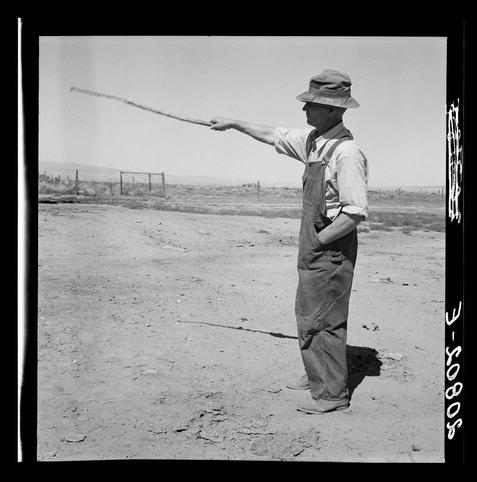
Untitled photo, possibly related to: Chris Ament, German-Russian dry land wheat farmer, who survived in the Columbia Basin. Washington, Grant County, three miles south of Quincy. See general caption number 35

#ChrisAment #German-Russian #theColumbiaBasin #Washington #GrantCounty #threemiles #Quincy

https://www.loc.gov/pictures/item/2017773197/

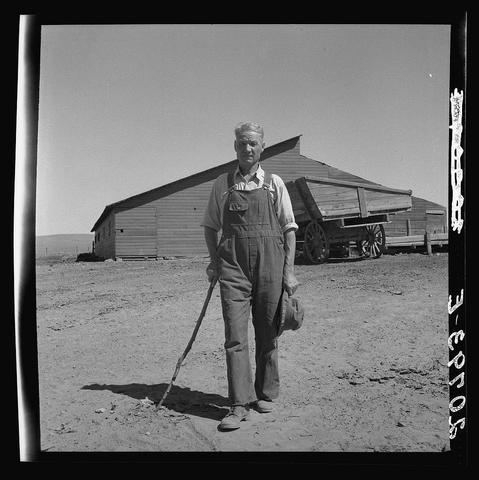
Chris Ament, German-Russian dry land wheat farmer, who survived in the Columbia Basin. Washington, Grant County, three miles south of Quincy. See general caption number 35

#ChrisAment #German-Russian #theColumbiaBasin #Washington #GrantCounty #threemiles #Quincy

https://www.loc.gov/pictures/item/2017773187/

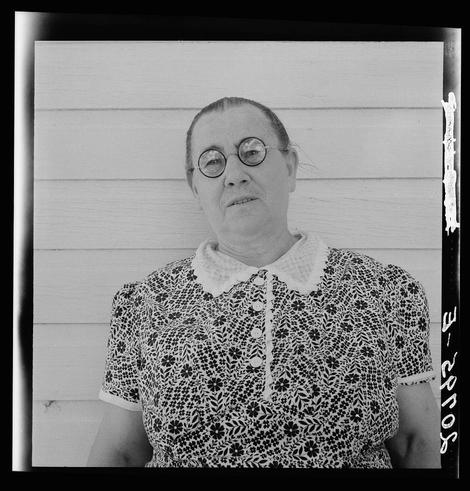
Mrs. Chris Ament who has lived for thirty three years on dry land wheat farm in the Columbia Basin. Washington, Grant County, three miles south of Quincy. See general caption number 35

#ChrisAment #theColumbiaBasin #Washington #GrantCounty #threemiles #Quincy

https://www.loc.gov/pictures/item/2017773190/

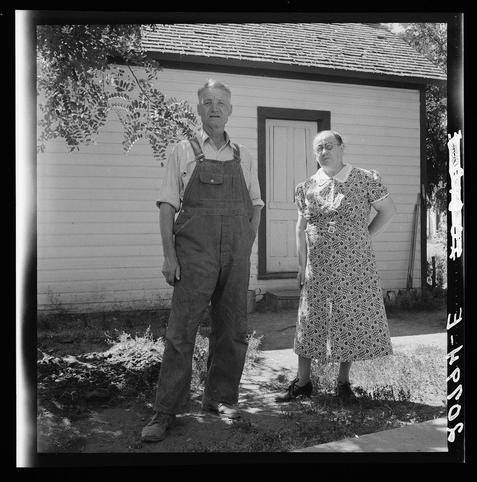
Mr. and Mrs. Chris Ament, dry land wheat farmers who survived in the Columbia Basin. Washington, Grant County, three miles south of Quincy. See general caption number 35

#ChrisAment #theColumbiaBasin #Washington #GrantCounty #threemiles #Quincy

https://www.loc.gov/pictures/item/2017773189/