 Miguel Afonso Caetano
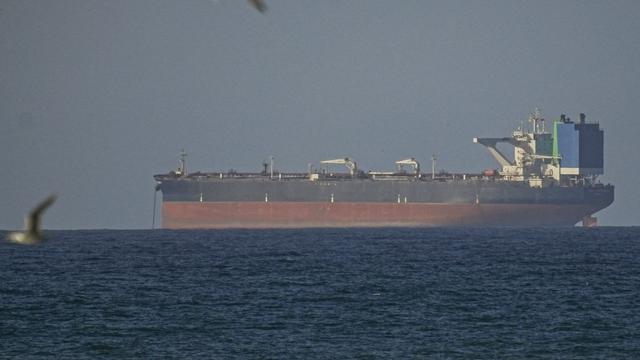
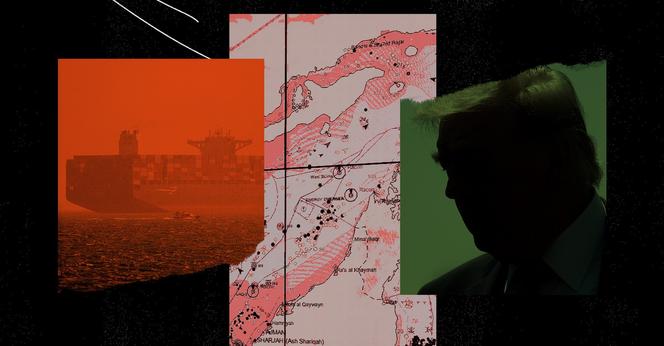
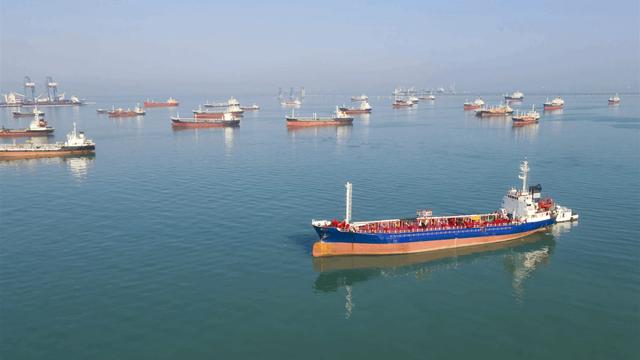
"All nations that depend on energy from the Gulf will have to work out their own arrangements with Iran. What choice will they have? If the United States with its mighty Navy can’t or won’t open the strait, no coalition of forces with just a fraction of the Americans’ capability will be able to, either. The Anglo-French initiative to police the strait after a cease-fire is a bit of a joke. French President Emmanuel Macron has made it clear that this “coalition” will operate only under peaceful conditions in the strait: It will escort ships, but only if they don’t need an escort. Yet with Iran in control, the strait is not going to be safe again for a long time. China presumably has some influence over Tehran, but even China cannot force open the strait by itself.
One effect of this transformation may be an expanding great-power naval race. In the past, most of the world’s nations, including China, counted on the United States to both prevent and address such emergencies. Now the nations in Europe and Asia that depend on access to the Persian Gulf’s resources are helpless against the loss of energy supplies that are vital to their economic and political stability. How long can they tolerate this before they start building their own fleets, as a means of wielding influence in an every-nation-for-itself world where order and predictability have broken down?
The American defeat in the Gulf will have broader global ramifications as well. The whole world can see that just a few weeks of war with a second-rank power have reduced American weapons stocks to perilously low levels (...) The questions this raises about America’s readiness for another major conflict may or may not prompt Xi Jinping to launch an attack on Taiwan, or Vladimir Putin to step up his aggression against Europe. But at the very least America’s allies (...) must wonder about American staying power..."
#Iran #USA #Trump #Israel #StraitOfHormus #MiddleEast #Militarism #War
 William Lindsey
 Angelika Wienert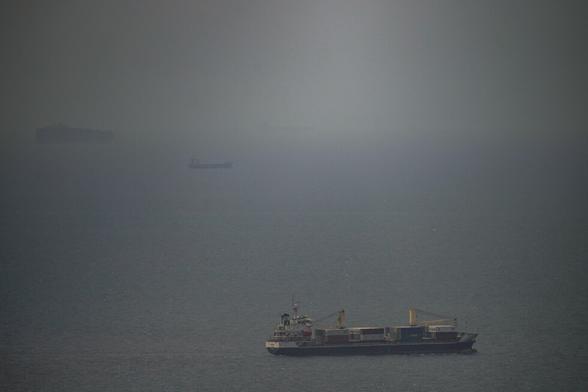
 haiku_shelf