Untitled

Instant Healing: Rebuke Doubt, Embrace Faith NOW! Believe in the healing power of Christ. When you receive His word, He lays His hand on you, and your situation is instantly cured and fixed. Don't let doubt or torment creep back in. Rebuke any lingering pain and hold onto your healing. True healing comes from within, not just from a feeling. #DivineHealing #FaithInChrist #SpiritualVictory #MiracleHealing #Believe

https://reviverestorerepair.com/2026/05/445/?utm_source=mastodon&utm_medium=jetpack_social

| Revival International Ministries Center

Instant Healing: Rebuke Doubt, Embrace Faith NOW! Believe in the healing power of Christ. When you receive His word, He lays His hand on you, and your situation is instantly cured and fixed. Don’t let doubt or torment creep back in. Rebuke any lingering pain and hold onto your healing. True healing comes from within,…

Revival International Ministries Center

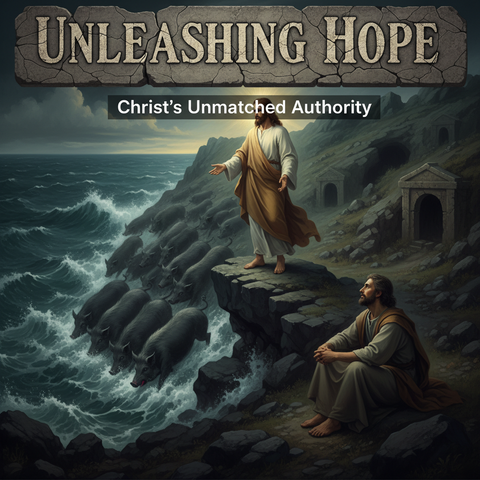
In Mark 5, a man tormented by Legion screams among tombs, unbreakable by chains. Jesus arrives, commands the demons out, and they flee into pigs that drown.

https://assemblybethesda.com/christ-vs-the-demoniac/

#LegionDemons #DemoniacDelivered #Mark5Miracle #SpiritualVictory

Letting Go Before the Light Fades

Freedom from Hidden Idols

As evening settles and the day’s activities fade into memory, there’s something spiritually appropriate about this quiet hour for honest self-examination. The busyness that kept us distracted has finally slowed. The noise has quieted. And in this stillness, God often whispers questions we’ve been too occupied to hear: What are you holding onto that I never asked you to carry? What are you clinging to that’s keeping you from victory?

The Israelites discovered this painful truth after their defeat at Ai. They couldn’t understand why they’d lost the battle—hadn’t God promised them victory? But God revealed the hidden problem: “You cannot stand against your enemies until you remove it” (Joshua 7:13). Someone had taken what belonged to God alone, and that secret disobedience was costing the entire community their breakthrough. The issue wasn’t God’s power or faithfulness—it was the unauthorized treasure hidden in the tent, the forbidden thing they refused to release.

Tonight, as you prepare for rest, consider what might be hidden in your own tent. These aren’t always obvious sins or blatant rebellions. Sometimes our “other gods” wear respectable disguises: the approval we crave more than God’s pleasure, the control we grasp instead of trusting His sovereignty, the comfort we prioritize over His calling, the security we build apart from His provision. These hidden competitors for our hearts’ affection can silently sabotage our spiritual victories, leaving us wondering why we feel distant from God despite our religious activities.

The beautiful promise of Psalm 16:1-2 offers the antidote: “Keep me safe, O God, for in You and You alone I take refuge. I say to You, Lord, ‘You are my Lord; apart from You I have no good thing.'” Freedom comes when we finally acknowledge the truth—that nothing apart from God qualifies as genuinely good, truly satisfying, or ultimately secure. Everything else is a counterfeit that demands our worship but cannot deliver what it promises. As this day ends, we have the opportunity to release what doesn’t belong to us and find refuge in the One who does.

Prayers for the Evening

Father God, as I come before You in this quiet hour, I acknowledge that You see what I cannot—or what I’ve chosen not to see. You know every hidden thing in my heart, every unauthorized attachment I’ve allowed to take root, every substitute god I’ve entertained when Your presence seemed distant or Your ways seemed difficult. Like the Israelites at Ai, I’ve sometimes wondered why victory eludes me, why breakthrough feels just beyond reach, why my spiritual life lacks the power and freedom You’ve promised. Tonight, I’m asking You to shine Your light into every corner of my life. Reveal to me anything I’m clinging to that doesn’t belong to me—any security I’m building apart from You, any identity I’m constructing independent of Your calling, any comfort I’m prioritizing over Your purposes. Give me the courage not just to see these things, but to release them fully into Your hands. I confess that apart from You, I truly have no good thing, no lasting treasure, no genuine security. LORD, You alone are my refuge, my portion, and my greatest joy. Help me live in the freedom You’ve purchased for me, unencumbered by the weight of false gods that promise much but deliver emptiness.

Jesus Christ, my Savior and Deliverer, You demonstrated perfect surrender to the Father’s will, holding nothing back even when it cost You everything. You are the Lamb of God who removed the ultimate barrier between humanity and the Father—the barrier of sin that separated us from His presence and power. Tonight, I’m grateful that through Your sacrifice, I don’t have to fear condemnation when God reveals my hidden idols. Your blood covers my failures, Your grace empowers my repentance, and Your resurrection guarantees that I can walk in newness of life. Lord Jesus, give me Your heart of complete devotion to the Father. Help me value what You value, treasure what You treasure, and release what You’ve already declared worthless. When I’m tempted to find my identity in achievement, my security in possessions, or my worth in others’ opinions, remind me that I am Yours—purchased by Your blood, sealed by Your Spirit, named as Your own. Teach me to recognize the counterfeits quickly and turn from them decisively. May my life reflect the freedom that comes from worshiping only what is worthy of worship: the Triune God alone.

Holy Spirit, Comforter and Guide, I invite You to do the work in my heart that I cannot do myself. You are the Spirit of Truth who convicts of sin, reveals deception, and leads into all righteousness. I need Your illuminating presence to show me where I’ve compromised, where I’ve settled for less than God’s best, where I’ve made room for rival loyalties that diminish my effectiveness in the Kingdom. Give me sensitivity to Your promptings and courage to obey them immediately. When You reveal an idol I need to remove, grant me the strength to let it go without negotiation or delay. Help me understand that God’s “no” to certain things is always His “yes” to something infinitely better—deeper intimacy with Him, greater freedom in Christ, more powerful witness for the Kingdom. As I prepare for sleep, settle my heart in the assurance that I am safe in God, that He withholds no good thing from those who walk uprightly, and that His purposes for me are filled with hope and future. Spirit of God, continue this transforming work through the night, preparing my heart for tomorrow’s fresh opportunities to walk in the freedom Christ has won for me.

Thought for the Evening

 Freedom comes through immediate obedience. Release it into God’s hands before your head touches the pillow. Tomorrow’s victories often depend on tonight’s surrenders.

Related Reading: For further reflection on identifying and removing spiritual hindrances, visit The Gospel Coalition’s article on modern idolatry

FEEL FREE TO COMMENT, SUBSCRIBE, AND REPOST, SO OTHERS MAY KNOW


#idolatry #Joshua7 #lettingGo #Psalm16 #removingHindrances #spiritualFreedom #spiritualVictory #surrenderToGod
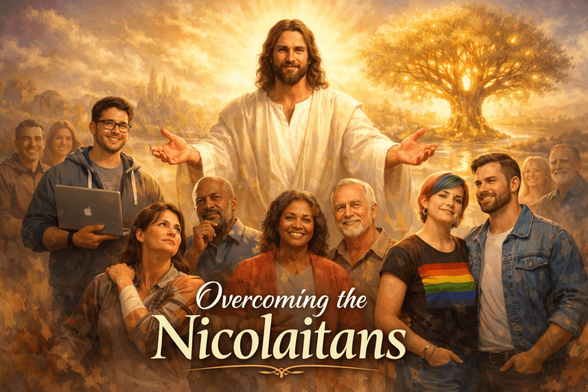
Overcoming the Nicolaitans

860 words, 5 minutes read time.

Revelation 2:6–7 (NIV) “But you have this in your favor: You hate the practices of the Nicolaitans, which I also hate. Whoever has ears, let them hear what the Spirit says to the churches. To the one who is victorious, I will give the right to eat from the tree of life, which is in the paradise of God.”

I used to think the mention of the Nicolaitans in Revelation 2 was just a historical footnote. A strange name, a brief condemnation, and that was it. But the more I’ve lived and the more I’ve seen in the church, the more I realize this short verse is one of the most piercing warnings—and one of the most hopeful promises—in all of Scripture.

The Nicolaitans (likely meaning “conquerors of the people”) represent the spirit that seeks to lord it over God’s people instead of serving them. It shows up when leaders or systems silence gifts, control contributions, and push people into “safe” roles that fit the hierarchy rather than the needs of the body. It’s the voice that says, “You’re not good enough,” or “We already have someone for that,” even when your skills could serve the kingdom in powerful ways.

Modern-Day Targets of the Nicolaitans

This spirit isn’t stuck in the first century—it’s alive and well today. Here are some common ways it targets believers:

  • Talented outsiders like you and me: Creative people (programmers, artists, writers) who offer real solutions but get sidelined because they don’t fit the “approved” inner circle. Your gifts are seen as a threat to the status quo.
  • Questioners and reformers: Anyone who asks “Why do we do it this way?” or suggests improvements. They’re often labeled “divisive” or “unsubmissive” to shut them down.
  • The overlooked majority: Everyday members who want to serve but are funneled into low-visibility roles (setup, cleaning) while a few “stars” get all the platform time.
  • The wounded and weary: People hurt by past church experiences who are tempted to give up entirely. The Nicolaitan spirit whispers, “You’re not needed here—or anywhere.”
  • The LGBT+ community: Individuals who identify as lesbian, gay, bisexual, transgender, or other sexual and gender minorities. Many have been told they are “not welcome,” “not good enough,” or “too sinful” to participate fully in church life, even when they sincerely seek Christ. The Nicolaitan spirit often uses moral superiority or rigid gatekeeping to exclude them, rather than meeting them with grace, truth, and the invitation to follow Jesus.

If you’ve felt targeted, know this: It’s not about your worth. It’s about a system that values control over Christ’s body.

I’ve felt that sting personally. As a web programmer, I’ve offered my gifts to churches—only to be gently (or not so gently) redirected to volunteer tasks that kept me on the sidelines. It hurt. It made me question my worth. And I know I’m not alone. Many of us have been made to feel like our talents don’t fit the approved structure.

But here’s the red meat of this passage: Jesus doesn’t stop at “I hate what they do.” He immediately turns to the promise to the overcomer.

The Nicolaitans are not the enemy we’re supposed to spend our lives fighting. They are the obstacle we’re called to overcome.

Jesus is saying: “I see the pain. I hate the control. I hate the rejection. Now rise above it. Don’t let their system define your calling. Don’t let their ‘no’ silence your gifts. Use what I’ve given you—whether inside the walls or outside them. Keep serving Me. Keep building. Keep loving. You are an overcomer. And the tree of life is waiting for you.”

Reflection Questions

  • Where have you felt like a “target” of the Nicolaitan spirit in your church experience?
  • How might recognizing these modern tactics help you overcome them?
  • What gifts has God given you that you can use today—regardless of who approves?
  • Prayer

    Lord Jesus, You walk among Your churches and You see everything. You know the pain of being sidelined, the sting of being told I’m “not good enough.” Thank You for hating what hurts Your people. Help me identify and overcome the Nicolaitan spirit in my life—whether it’s in a church system or in my own doubts. Give me courage to use the gifts You’ve placed in me, even if it’s outside the approved structures. May I stay faithful, keep my first love, and overcome—not by fighting people, but by trusting You. I look forward to the day I eat from the tree of life in Your paradise. In Your name, Amen.

    Call to Action

    If this devotional encouraged you, don’t just scroll on. Subscribe for more devotionals, share a comment about what God is teaching you, or reach out and tell me what you’re reflecting on today. Let’s grow in faith together.

    Author’s Note:

    The identity and exact teachings of the Nicolaitans remain debated among scholars. Some link them to moral compromise (sexual immorality and idolatry, as suggested by the “doctrine of Balaam” in Revelation 2:14–15), while others see the name as symbolic of hierarchical control and domination over God’s people. Regardless of the precise interpretation, the core issue is clear: Jesus hates anything that harms, controls, or leads His church astray. This devotional focuses on the spirit of exclusion and abuse of authority that still appears in churches today, while affirming that Christ calls all to repentance, grace, and overcoming through Him.

    D. Bryan King

    Sources

    Disclaimer:

    The views and opinions expressed in this post are solely those of the author. The information provided is based on personal research, experience, and understanding of the subject matter at the time of writing. Readers should consult relevant experts or authorities for specific guidance related to their unique situations.

    #authoritarianChurch #BiblicalLeadership #biblicalUnity #ChristInTheChurch #ChristSPromise #ChristianBlog #ChristianEncouragement #churchAuthorityAbuse #churchControl #churchExclusion #churchHierarchy #churchHurtHealing #churchReform #churchRejection #clergyLaityDivide #creativeGiftsChurch #devotionalPost #diverseChurch #EphesiansChurch #EphesusWarning #eternalLifePromise #faithBlog #faithEncouragement #firstLoveRevelation #graceAndTruth #hateWhatJesusHates #inclusiveChurch #JesusHatesNicolaitans #kingdomGifts #LGBTInChurch #modernNicolaitans #NicolaitanPractices #Nicolaitans #overcomingChurchPain #overcomingNicolaitans #overcomingObstacles #overcomingSpirit #paradiseOfGod #PergamumNicolaitans #priesthoodOfBelievers #questionersInChurch #repentanceChurch #Revelation2 #Revelation267 #RevelationDevotional #servantLeadership #servantShepherd #sidelinedInChurch #spiritualAbuse #spiritualGifts #spiritualVictory #treeOfLife #usingYourGifts #victoriousChristian #webProgrammerMinistry #woundedBelievers

    Raising the Banner After the Battle

    The Bible in a Year

    “Moses built an altar and called it The LORD Is My Banner.”
    Exodus 17:15

    As we continue our journey through Scripture, Exodus 17 draws us into a moment that is both historical and deeply instructive for daily faith. Israel has just come through a fierce confrontation with Amalek—a battle that revealed not only the vulnerability of a newly freed people, but also their dependence on God’s sustaining presence. Victory came not by superior tactics alone, but through a mysterious interplay of prayer, perseverance, and divine help as Moses’ raised staff signaled reliance upon the Lord. When the conflict ended, Moses did something that is often overlooked in our own spiritual lives: he stopped long enough to remember. He built an altar.

    The altar mattered because it turned victory into worship. Moses did not rush Israel on to the next challenge, nor did he frame the triumph as a testament to Israel’s resilience or Joshua’s military leadership. Instead, he paused the community before God. Building an altar was a tangible act of gratitude, a public acknowledgment that deliverance had come from the Lord. Scripture consistently reminds us that thanksgiving after the battle is as spiritually necessary as prayer before it. Too often, we are earnest in our pleas during crisis and strangely silent once relief arrives. Moses teaches us a better rhythm—one in which gratitude becomes an act of obedience, not an afterthought.

    The altar was also named, and in Scripture names are never incidental. Moses called it Jehovah-nissi, meaning “The LORD is my banner.” In the ancient world, banners and standards were rallying points. They gave soldiers courage, helped them identify their allegiance, and reminded them who they were fighting for. By naming the altar this way, Moses ensured that Israel’s victory would be interpreted theologically rather than politically or militarily. He did not name it after Joshua, though Joshua fought bravely. He did not name it after Israel, though the people endured. He named it after the Lord, because the victory ultimately belonged to Him.

    This naming invites us to consider what—or whom—we lift as our banner today. Moses’ declaration honored God in at least three interconnected ways that remain relevant for us. First, God as banner speaks of inspiration. Flags stir courage and commitment; they remind people of what is worth defending. When we say the Lord is our banner, we confess that our motivation, hope, and endurance come from Him rather than from circumstances or personal strength. The psalmist echoes this posture when he writes, “We will rejoice in your salvation, and in the name of our God we will set up our banners” (Psalm 20:5).

    Second, God as banner establishes identification. A banner declares who we belong to. Moses deliberately identified Israel with the Lord rather than with the surrounding nations or their gods. This was a decisive act of allegiance. Israel was not to define itself by power, geography, or fear, but by covenant relationship. In a world that constantly pressures us to align our identity with success, ideology, or tribe, this passage gently but firmly asks: Who do we belong to? To raise the Lord as our banner is to say that our primary loyalty is to Him, regardless of shifting cultural or personal circumstances.

    Third, God as banner represents ideology—what God stands for. Flags symbolize values and beliefs. By lifting the Lord as Israel’s banner, Moses affirmed that truth and righteousness would define the people’s life together. The gods of Amalek represented violence, exploitation, and self-assertion. The Lord represented justice, faithfulness, and mercy. To honor God as our banner today is not merely to claim belief in Him, but to commit ourselves to living in ways that reflect His character. As one commentator observed, “Israel’s banner was not cloth or color, but covenant faithfulness.”

    This passage also teaches us something subtle but essential about memory. Altars functioned as reminders. Long after Moses was gone, the altar would still speak: the Lord fought for us here; the Lord carried us through this. In our own lives, we may not build stone altars, but we are called to cultivate spiritual memory. Remembering how God has acted in the past strengthens trust in the present. Gratitude, when practiced intentionally, becomes a safeguard against pride and despair alike.

    As we read this text within our year-long journey through the Bible, we are reminded that Scripture is not merely recounting ancient victories—it is shaping faithful people. Exodus 17 invites us to ask reflective questions as we move forward. Do we return to God in thanksgiving with the same urgency we bring our requests? Do we name our victories in ways that give God first honor? Have we clearly identified what banner we are lifting over our lives, families, and decisions?

    For further insight into the meaning of Jehovah-nissi and its significance in biblical theology, this article offers helpful perspective:
    https://www.gotquestions.org/Jehovah-Nissi.html

    As we continue reading Scripture together, may we learn not only how God delivers His people, but how they are invited to respond—with gratitude, allegiance, and faithful remembrance.

    FEEL FREE TO COMMENT, SUBSCRIBE, AND REPOST, SO OTHERS MAY KNOW


    #BibleInAYear #Exodus17 #gratitudeToGod #JehovahNissi #OldTestamentDevotion #spiritualVictory