 DoomsdaysCW
I was researching #LacticAcidBacteria, and came across this article. It could be game changer for those of us who have issues digesting #SoyProducts!
These three plant bacteria turn #soy yogurt into a safer, creamier product while stripping out troublesome sugars
by Technical University of Denmark
edited by Lisa Lock, reviewed by Andrew Zinin
April 21, 2026
"Researchers at DTU have found that a particular type of lactic acid bacteria displays considerable potential for producing plant-based yogurt alternatives. The bacteria can inhibit potentially harmful bacteria and break down sugars that cause stomach discomfort.
"#PlantBased alternatives to yogurt are often made using bacterial cultures employed in yogurt production, even though plant-based raw materials differ markedly from milk. For example, there is no lactose in plants, and plant proteins are more difficult to break down than milk proteins.
"Researchers from DTU, in collaboration with colleagues at Chalmers University of Technology and the University of Cambridge, therefore investigated whether lactic acid bacteria isolated from vegetables and fermented foods, and often found in the intestines of humans and animals, might be better suited to the task.
"The research, which has been published in the Journal of Food Protection, showed that three plant-isolated enterococci (a type of lactic acid bacteria) were highly suitable for producing a soy-based yogurt alternative.
" 'The bacteria did more than simply ferment the soy drink. They were also able to suppress undesirable bacteria, break down unwanted sugars, and reduce phytic acid, that make it difficult for the body to absorb minerals such as iron, zinc, magnesium and calcium,' says postdoctoral researcher Belay Tilahun Tadesse of the DTU National Food Institute.
"Improved food safety and shelf life
In the experiments, the lactic acid bacteria grew efficiently in the soy drink and lowered the pH, making the product acidic and yogurt-like. The most promising candidates acidified rapidly, even without the addition of sugar.
"The bacteria were also able to ferment at a relatively high temperature, at which many undesirable microorganisms, including pathogenic ones, do not thrive. This could help to extend shelf life and improve food safety.
" 'We observed that three of the bacterial strains quickly took control of the fermentation in the soy drink. This is important because stable and effective acidification is one of the first requirements when developing a robust product,' says Belay Tilahun Tadesse.
"The three most promising bacterial strains showed a broad antimicrobial effect against pathogenic bacteria, including listeria and E. coli. This makes them particularly interesting, given the high priority placed on food safety.
"In addition, the bacterial strains tested were able to produce compounds that contribute to texture, making the yogurt creamier.
"Overall, the research findings show that the isolated enterococci have a stronger effect against undesirable microorganisms and a better acidification capacity than enterococci already on the market and approved for use in food and feed.
" 'We have shown that the lactic acid bacteria tested are safe. However, further research is needed, for example, to determine how flavor is affected and whether plant raw materials other than soy can be used. Also, before they can be used in Europe, they must be approved by the European Food Safety Authority (EFSA),' says Associate Professor Christian Solem of the DTU National Food Institute.
Findings:
- Four safe enterococci were investigated as potential starter cultures for the production of soy-based yogurt alternatives. Three of the bacterial strains proved promising (Enterococcus faecium BT0194, Enterococcus lactis BT0173_2, Enterococcus lactis BT0167_2).
- The bacteria were able to acidify soy milk and produce a yogurt-like product.
The three best candidates combined rapid fermentation with the ability to inhibit the pathogenic bacteria tested.
- The results show that the bacteria can break down undesirable sugars, which can cause digestive discomfort, and phytic acid, which can inhibit the absorption of iron, zinc, magnesium and calcium.
- The bacteria also showed properties that may be relevant to achieving a thicker, creamier consistency.
Further research and EU-approval is needed before the bacteria can be used in finished starter cultures."
https://phys.org/news/2026-04-bacteria-soy-yogurt-safer-creamier.html
#SolarPunkSunday #SoyProducts #Vegan #VeganYogurt #SoyYogurt #Fermentation
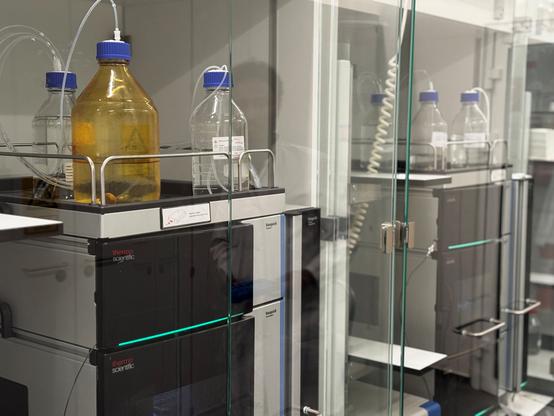
These three plant bacteria turn soy yogurt into a safer, creamier product while stripping out troublesome sugars
Researchers at DTU have found that a particular type of lactic acid bacteria displays considerable potential for producing plant-based yogurt alternatives. The bacteria can inhibit potentially harmful bacteria and break down sugars that cause stomach discomfort.