I'm working 7am - 3pm today.
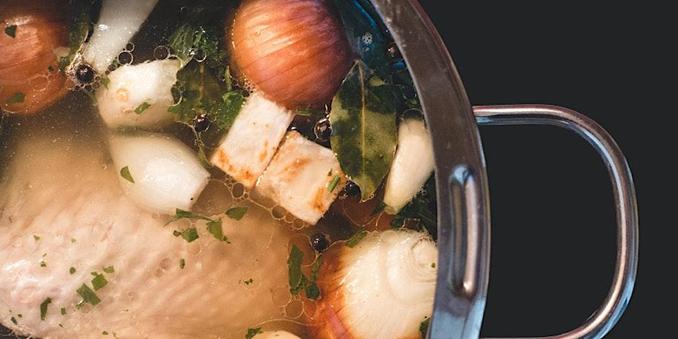
I'll be attending an Autumn soup stock making workshop, with two galpals, this evening.
We will be making a delicious soup stock with rescued vegetable parts.

#SoupMaking #SoupSeason #SoupStock #ZeroWaste #Cooking #ReduceFoodWaste #FoodSecurity #SaveMoney #FrugalLiving

Don't Throw Away Onion Peels; Here Are 5 Ways You Can Use Them In Your Foods

Onion Skin Uses: If some past researches are to be believed, onion peels are actually more nutritional that the onion itself!

"Health Practitioner, nutritionist and Macrobiotic Health Coach, Shilpa Arora says, 'Generally, skin of almost all vegetables and fruits are loaded with nutrients. Onion skin also provides many health benefits. But if you want to add onion skin to your diet, make sure the onions are organic and come from a credible source guaranteeing the onions are free from pesticides and chemical treatments'."

5 Ways To Use Onion Skin:

1. Lift Up Soup And Gravy
Add onion peels while boiling soup, stock and gravies. It will help thicken the gravy and will also infuse a beautiful purple hue in it. Remember to take the peels out after boiling for some time.
Add onion skin to soups for thickness.

2. Add Smokiness
Smoked spices are popularly used to add some heat and depth to foods. You can make onion ash by roasting onion peels in oven till they turn dark (almost black) in colour. Then grind them to make a fine powder and sprinkle away.

3. Relax With Onion Skin Tea
Ah, another never-heard-before tea version touted to be as healthy as others. Onion skin tea is known to soothe mind and also improve immune system. Pour hot water in a cup containing tea bag/green tea leaves and onion peels and let both seep for some time. Strain the tea and relax with a healthful cup of tea.

4. Quench Your Thirst With Onion Peel Water
Onion peel-infused water may provide its anti-inflammatory properties and may also take care of the lingering muscle cramps. Just add onion skins to a glass of water and let them soak for at least 15 minutes. Remove the skins and gulp down the water of goodness.

5. Add More Flavour To Rice
Biryani, pulao, fried rice, jeera rice - almost all rice dishes can be enhanced by cooking the rice along with few onion skins. You will love the subtle bitter flavor of onion skin in your rice. Try it out but don't forget to remove the skin before eating.

Learn more:
https://food.ndtv.com/food-drinks/dont-throw-away-onion-peels-here-are-5-ways-you-can-use-them-in-your-foods-2288056

#SolarPunkSunday #VegetableScraps
#FoodWaste #SoupStock #ZeroWaste #OnionSkins

My grandfather used to make a soup like this -- food scraps, seasonal veggies from the garden, canned veggies -- whatever we had around the house! It was never the same but always delicious!

How to Make #ScrapSoup: A Delicious, #ZeroWaste Meal

By livingplanetfriendly
March 29, 2025

"Scrap soup is the ultimate way to use up leftover vegetables, reduce food waste, and create a hearty, nutritious meal with minimal effort. This recipe is all about flexibility—you can mix and match whatever ingredients you have on hand, making it an easy weeknight dinner or meal prep option. Whether you’re using homemade veggie scrap broth, canned beans, pasta, grains, or fresh produce that needs to be used up, this soup is a budget-friendly and eco-conscious way to make the most of your kitchen staples.

Why You Should Make Scrap Soup

1. Reduce Food Waste
Did you know that nearly 30-40% of food in the U.S. is wasted? Making scrap soup helps combat this issue by using vegetable scraps, wilted greens, and leftover pantry items that might otherwise go uneaten.

2. Save Money
Rather than buying new ingredients for every meal, scrap soup allows you to use what you already have, cutting down on grocery costs while still creating a filling dish.

3. Easy to Customize
No two batches of scrap soup are ever the same! You can use whatever vegetables, beans, grains, or seasonings you have on hand. It’s a great way to experiment with new flavors and textures.

4. Nutrient-Packed and Healthy
This soup is loaded with vitamins, fiber, and plant-based protein from fresh vegetables, beans, and whole grains. Plus, it’s naturally vegan and can be made gluten-free depending on your choice of grains or pasta.

Ingredients You’ll Need

8 cups veggie scrap broth – A homemade broth made from saved vegetable scraps enhances the flavor and adds depth to the soup. If you don’t have any, use store-bought vegetable broth.
1 to 2 tablespoons fresh minced garlic – Adds aromatic depth and flavor.
1 medium sweet onion – Brings natural sweetness and a hearty base for the soup.
1 tablespoon olive oil – Used to sauté the onions and garlic, adding richness to the dish.
1 (16-ounce) can of beans – Black beans, kidney beans, or chickpeas work well, providing protein and texture.
1 to 2 cups dry pasta or 1 cup grains – Adds heartiness; use rice, quinoa, or your favorite pasta shape.
2 to 3 cups assorted veggies – Anything from carrots and celery to spinach, kale, bell peppers, and mushrooms.
1 (6-ounce) can of tomato paste (optional) – For a richer, tomato-based broth.
Salt and pepper to taste – Adjust to your flavor preference."

Read more (includes full recipe):
https://livingplanetfriendly.com/2025/03/29/scrap-soup-recipe/

#SolarPunkSunday #VegetableScraps
#FoodWaste #SoupStock #ZeroWaste #FoodSecurity #Recipes

How to Make Scrap Soup: A Delicious, Zero-Waste Meal - LivingPlanetFriendly

Scrap soup is the ultimate way to use up leftover vegetables, reduce food waste, and create a hearty, nutritious meal with minimal effort. This recipe is all about flexibility—you can mix and match whatever ingredients you have on hand, making it an easy weeknight dinner or meal prep option. Whether you’re using homemade veggie scrap...

LivingPlanetFriendly

Technique #47: Save Scraps for Superior Vegetable Soups

Don't throw away the seeds and skins! They pack a ton of flavor

By America's Test Kitchen
Published on September 15, 2023

"#VegetableSoups should be anything but meek. They should taste robustly of the essences of the vegetables they are made from, with a bold, earthy, natural flavor.

Too often the vegetable flavor is delicate and mild, though. Recipes frequently try to compensate by burying what little vegetable flavor there is with chicken broth, an excess of cream or milk, or an overabundance of spices.

For superior vegetable soups, we call on a technique that is more typically reserved for making stock: using the seeds, peels, cores, and other trimmings.

This is standard practice when making stock or broth to use as a base for other dishes, not only because it’s economical and reduces food waste but also because it builds deep flavor.

Step By Step: How to Use Two Common Vegetable Scraps

Two common vegetables that often end up in the trash are corn cobs and squash seeds. Turns out, those are some of the most flavorful scraps. Here's how to use them."

Learn more:
https://www.americastestkitchen.com/articles/7727-how-to-use-vegetable-scraps-in-soup

#SolarPunkSunday #VegetableScraps #FoodWaste #SoupStock #SquashSeeds #Corncobs #ZeroWaste

How to Save Scraps for Superior Vegetable Soups | America's Test Kitchen

Using the whole vegetable ensures that no opportunity for vegetable flavor is wasted. Here's how to save and use those veggie scraps for delicious soups.

#BoxingDay #StStephensDay #26thDecember Stripped the remaining meat from the turkey and have put the bones on for a long slow boil for #SoupStock. #TurkeySoup for dinner tonight!