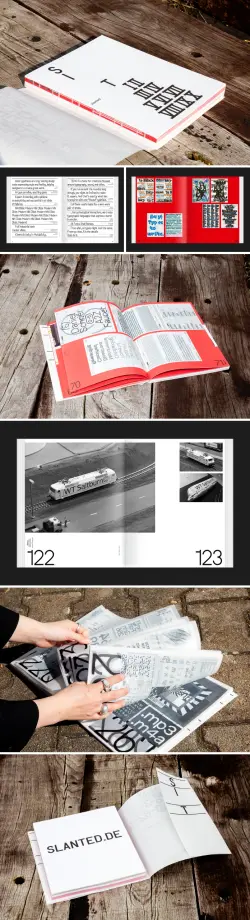
Breakout #2—100 Posters by Cihan Tamti Proves That Daily Practice Builds a Design Language

Some design books document a finished career. This one documents a transformation in progress. Breakout #2—100 Posters by Cihan Tamti, published by Slanted Publishers in May 2026, collects 100 selected works spanning 2022 to 2025—a period when Tamti’s personal daily poster experiments evolved into commissioned client work, community-driven initiatives, and collaborative design projects. The result is a book that reads less like a portfolio and more like a philosophy made visible.

What makes this volume particularly compelling is its context. Tamti’s first Breakout—100 Posters book documented the raw, unfiltered energy of treating Instagram like a graphic design gym—no briefs, no clients, just pure typographic and visual exploration. Now, Breakout #2 answers a harder question: what happens when that personal creative energy meets real-world constraints? Does it survive? Does it evolve? The evidence here is clear—it does both.

Breakout #2—100 Posters by Cihan Tamti

What Exactly Is the Breakout Series, and Why Does It Matter Right Now?

Cihan Tamti launched the original Breakout project as a self-imposed daily design challenge. He used Instagram as a living sketchbook, posting one poster per day with no client brief and no approval process. The practice was deliberate and disciplined—an approach that design educators often talk about but rarely document this rigorously.

That first series gained significant traction. Some posters won awards. Others attracted clients. Tamti’s personal work became professional work, which is a creative arc many designers aspire to but few execute this visibly. The Breakout book followed, compiling 100 of those formative pieces into a tangible artifact. Then came Homebound and New Wave—two additional volumes that extended and deepened the conversation.

Breakout #2 is different in a crucial way. Rather than returning to the unconstrained personal work, it examines what grew from it. The 100 posters in this volume include commissioned projects, community work launched during the COVID pandemic under the “Local Support Posters” initiative, and collaborative pieces made with other designers. Tamti presents all 100 works equally—no hierarchy between personal and commissioned, no separation between self-initiated and client-driven.

That editorial decision is itself a statement about creative identity. It suggests that a mature design language doesn’t fracture under commercial pressure—it expands.

The “Constraint-to-Language Pipeline”: A Framework for Understanding Tamti’s Process

To understand what Breakout #2 achieves, it helps to introduce a concept: the Constraint-to-Language Pipeline. This describes the process by which a designer moves from self-imposed limitations (daily practice, no brief, immediate publication) through increasing complexity (real clients, community needs, collaboration) and arrives at a coherent, recognizable visual language that operates across all contexts.

Most designers experience this pipeline in reverse. They start with client work, develop technical competence, and then—if they’re lucky and disciplined—carve out time for personal practice. Tamti inverted the sequence. He built the language first, then applied it outward. Breakout #2 is the documentation of that outward application.

Furthermore, this pipeline has three identifiable stages that this book makes visible. First, there is the generative phase—daily practice without external input. Second, there is the translational phase—where the designer discovers which personal instincts survive contact with real-world requirements. Third, there is the synthetic phase—where personal and professional become indistinguishable in the finished work. Breakout #2 lives firmly in that third phase.

How Cihan Tamti’s Poster Design Approach Redefines Visual Communication in Print

Tamti’s posters are dense with intent. Typography, lettering, illustration, and layout function not as separate disciplines but as a single integrated visual argument. Each poster makes a specific communicative claim, and the visual language exists to amplify that claim rather than decorate it.

This is notably different from poster design that prioritizes aesthetic novelty. Tamti’s work is aesthetically distinctive, certainly—but the style is in service of the message. That alignment between form and content is what makes his work useful as a reference for designers studying how visual systems communicate across cultural contexts.

The “Local Support Posters” as a Case Study in Community-Driven Graphic Design

The “Local Support Posters” initiative, launched during the COVID pandemic, deserves specific attention. Tamti created these posters to support local businesses and community resilience at a moment when visual communication was being weaponized by anxiety and misinformation. His work went in a different direction—toward clarity, warmth, and local specificity.

This initiative represents what might be called Civic Typography: the deliberate use of graphic design tools and visual language to reinforce community bonds rather than individual brand identities. It’s a practice with deep historical roots in wartime poster design and public health communication, but Tamti deployed it with a contemporary sensitivity that felt neither nostalgic nor clinical.

Including these posters alongside commercial work in Breakout #2 makes a quiet but important argument. It says that design at its most useful operates without a clear distinction between civic and commercial intent. The designer’s language is the through-line, not the brief.

Collaborative Design in the Breakout #2 Framework

Collaborative projects appear throughout Breakout #2, and their inclusion reflects something significant about how Tamti thinks about creative authorship. Collaboration in design can dilute a personal voice or sharpen it, depending on the working relationship. The collaborative pieces in this book feel continuous with the solo work—which suggests that Tamti’s visual language is robust enough to survive and incorporate outside input without losing coherence.

This robustness is a marker of design maturity. It’s easy to produce consistent work when you control every variable. It’s considerably harder when you’re responding to a client’s brand, a collaborator’s instincts, or a community’s needs. That Breakout #2 holds together as a unified body of work despite those variables is itself an editorial and creative achievement.

Breakout #2—100 Posters Book Design: Craft, Production, and Physical Language

The physical object matters in design publishing, and Breakout #2 delivers on every production detail. Published at 16 × 24 cm across 128 pages, the book uses full-color offset printing throughout. The cover stock is ICON Glam sand copper 350 g/sm by IGEPA—a paper choice that communicates warmth and tactility before a single page is turned. Interior pages use ICON Classic extrasmooth white 150 g/sm, providing the clean, high-contrast surface that poster reproductions demand.

The binding is a softcover with flaps, thread stitching, and hot-foil embossing—a combination that positions this firmly as a collectible object rather than a disposable catalog. Thread stitching in particular signals longevity; it’s a bookbinding choice that acknowledges the work deserves to be revisited repeatedly rather than consumed once and shelved.

The foreword is written by Götz Gramlich, one of the most respected voices in contemporary German graphic design. His presence in the book adds critical authority and frames Tamti’s work within a broader design conversation beyond Instagram and social media visibility.

The Limited Bundle: Extended Objects and the Yolcu Typeface

Alongside the standard edition, a limited bundle extends the project beyond the book itself. The bundle pairs the book with a screen-printed tote bag and the custom Yolcu typeface—a combination that transforms the Breakout #2 project from a printed archive into a design system with deployable components.

The Yolcu typeface is a particularly interesting inclusion. Custom typefaces developed alongside or from poster practice often carry the rhythmic and structural fingerprints of their design context. Yolcu likely encodes the same tensions between legibility and expression, tradition and invention, that animate Tamti’s poster work. Including it in the bundle invites the reader to participate in the design language, not just observe it.

Screen-printing the tote bag extends the tactile vocabulary of the project. It’s a deliberate choice—screen printing is labor-intensive and produces imperfect, human results that offset printing cannot replicate. Together, these bundle elements make a sophisticated argument about the relationship between mass-produced design and handmade craft.

Why Poster Design Books Like Breakout #2 Are Essential References for Graphic Designers

Poster design books occupy a specific and valuable niche in design publishing. Unlike monographs that survey a career retrospectively, or technique books that teach step-by-step processes, the best poster collections do something more immediate—they show a designer thinking in real time across a range of problems and constraints.

Breakout #2 belongs to this tradition while extending it. The book demonstrates what a designer’s visual language looks like when it’s stressed across different contexts—personal, civic, commercial, collaborative. For design students, that stress-testing is more instructive than perfection. For working designers, it’s a reminder that a strong personal language doesn’t disappear under client pressure; it finds new expressions.

Consider also the timing. Design education and professional practice are both wrestling with questions about AI-generated imagery, algorithmic aesthetics, and the future of human creative authorship. Into that context, Breakout #2 arrives with a clear position: daily practice, human judgment, and the iterative development of a personal visual language are not obsolete. They are, in fact, more valuable precisely because they cannot be automated.

What the Breakout Series Predicts About the Future of Design Practice

Here is a forward-looking claim worth considering seriously: the Breakout series represents a model of design practice that will become increasingly prevalent over the next decade. As AI tools commoditize certain categories of visual production, the designers who thrive will be those who have invested in developing a distinctive, legible personal language—one that clients, collaborators, and audiences can recognize and value specifically because it is irreducibly human.

Tamti built that language through daily practice, public accountability, and iterative refinement across contexts. The Breakout books document that process in real time. They will likely become historical records of a particular moment in design practice—the period just before and during the AI transition—when designers were consciously articulating what makes human graphic design irreplaceable.

This prediction is grounded in the evidence of the books themselves. The visual intelligence on display in Breakout #2 isn’t just skilled—it’s specific. It reflects particular cultural references, particular aesthetic commitments, particular ways of seeing typography and image in relation to each other. That specificity is exactly what makes it citable, teachable, and worth studying.

Slanted Publishers and the Role of Design Publishing in Amplifying Creative Voices

Slanted Publishers has built a reputation for producing design books that treat their subject with intellectual seriousness and production quality that matches the work inside. Their partnership with Tamti on the Breakout series reflects a shared commitment to documenting design practice rather than simply showcasing finished results.

This is worth noting because not all design publishers operate this way. Many prioritize visual spectacle over critical depth, producing beautiful books that illuminate little about how or why a designer works. The Breakout series, under Slanted’s editorial stewardship, has consistently done the harder thing—contextualizing the work within a broader narrative of creative development.

Additionally, Slanted’s distribution and visibility in European and international design communities ensures that Breakout #2 reaches the audiences—students, educators, practitioners, collectors—for whom it will be most productive. That reach matters. Design books that don’t circulate widely don’t influence practice. These do.

Personal Thoughts: What Breakout #2 Gets Right That Most Design Books Miss

Most design books are retrospective. They arrive when a designer’s reputation is already established, selecting and sequencing work to support a predetermined narrative of success. Breakout #2 is something rarer—a book made while the story is still developing, from a designer who is clearly still in the middle of becoming.

That’s a vulnerable position to publish from. And it’s also exactly why the book is worth your time. The best design books don’t give you polished answers—they give you honest questions. What does practice actually look like? How does personal work survive commercial contexts? What does a designer’s voice sound like when it’s stressed across different kinds of problems?

Breakout #2 answers all of these without pretending the answers are simple. The 100 posters in this book are not equally successful—some are bolder than others, some more resolved, some more experimental. That unevenness is honest. It reflects what practice actually produces. And it makes the strongest pieces stand out with more force precisely because they’ve earned their place in the sequence.

Götz Gramlich’s foreword adds a critical dimension that prevents the book from becoming self-congratulatory. Having a serious outside voice frame the work signals that Tamti is interested in conversation, not just documentation. That’s the right instinct.

At €26, the standard edition is priced accessibly for a book of this production quality. The limited bundle—with the Yolcu typeface and screen-printed tote—is the option for those who want to engage with Tamti’s visual language as active participants rather than passive observers. If you work in graphic design, typography, or visual communication, either version belongs on your shelf.

Frequently Asked Questions About Breakout #2—100 Posters by Cihan Tamti

What is Breakout #2—100 Posters?

Breakout #2—100 Posters is a graphic design book by Cihan Tamti, published by Slanted Publishers in May 2026. It collects 100 selected poster works created between 2022 and 2025, spanning commissioned client projects, community initiatives like the “Local Support Posters,” and collaborative works with other designers. The book is a follow-up to Tamti’s original Breakout—100 Posters and the volumes Homebound and New Wave.

Who is Cihan Tamti?

Cihan Tamti is a graphic designer who gained recognition through a daily poster practice shared on Instagram, using the platform as a self-directed design exercise without client briefs or constraints. His personal work attracted awards and clients, leading to the publication of multiple books documenting his practice and development. He designed Breakout #2 himself and authored its content.

What is the Yolcu typeface included in the limited bundle?

Yolcu is a custom typeface designed by Cihan Tamti that is included in the limited edition bundle of Breakout #2—100 Posters, alongside a screen-printed tote bag. The bundle extends the project beyond the printed book, giving collectors and designers access to a deployable component of Tamti’s visual language.

Who wrote the foreword for Breakout #2—100 Posters?

The foreword was written by Götz Gramlich, a highly respected figure in contemporary graphic design, particularly within the German design community. His contribution adds critical context and frames Tamti’s work within a broader professional and cultural conversation.

What are the production specifications of Breakout #2?

The book measures 16 × 24 cm and runs 128 pages, printed in full color offset on ICON Classic extrasmooth white 150 g/sm interior paper. The cover uses ICON Glam sand copper 350 g/sm. Binding is softcover with flaps, thread stitching, and hot-foil embossing. Both paper stocks are produced by IGEPA. The ISBN is 978-3-69202-000-6 and the retail price is €26 in Germany.

What were the “Local Support Posters” initiative?

The “Local Support Posters” were a community design initiative Cihan Tamti launched during the COVID pandemic to support local businesses and strengthen community resilience through graphic design. These posters are included in Breakout #2 alongside commercial and collaborative works, presented with equal weight to both commissioned and personal projects.

How does Breakout #2 differ from the original Breakout—100 Posters book?

The original Breakout—100 Posters documented 100 personal, self-initiated posters created through Tamti’s daily practice on Instagram—work made without clients or external briefs. Breakout #2 documents what grew from that practice: commissioned client work, community-driven projects, and collaborative designs. Where the first book captures a personal experiment, the second captures how that experiment evolved into a professional and civic design practice.

Is Breakout #2—100 Posters suitable for design students?

Yes—particularly for students interested in typography, poster design, visual communication, and the relationship between personal practice and professional work. The book demonstrates how a sustained daily practice can develop into a coherent design language applicable across very different contexts. It is a practical and conceptual reference for anyone studying how designers build their visual voice over time.

Where can I buy Breakout #2—100 Posters?

The book is available through Slanted Publishers and design bookshops that stock Slanted’s titles internationally. The limited bundle—including the Yolcu typeface and screen-printed tote bag—is available in small quantities directly through Slanted Publishers.

All images © Slanted Publishers. Check out WE AND THE COLOR’s Graphic Design and Books category for more.

#2 #book #CihanTamti #design #graphicDesign #graphics #posters #slanted #SlantedPublishers
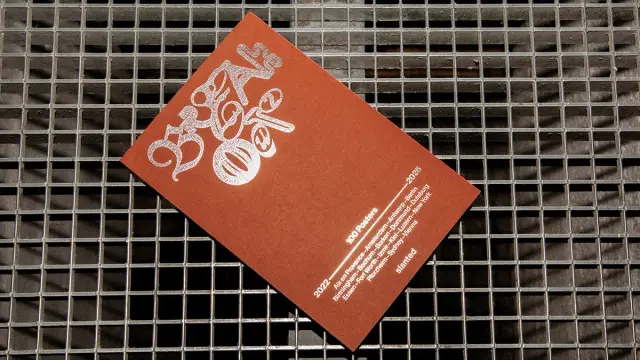
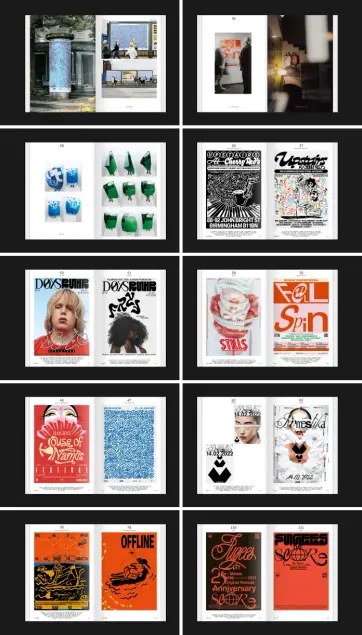
What Was Design? Slanted Publishers Collects a Century of Design Definitions in One Essential Book

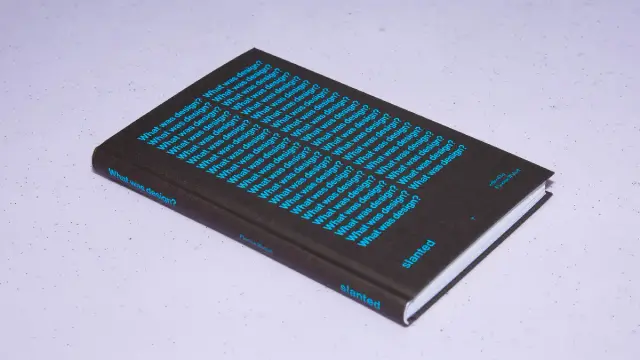
Design has always struggled to explain itself. It celebrates itself in museums, sells itself on billboards, and reshapes the world through every object you touch — yet nobody fully agrees on what it actually is. That tension is productive. And that tension is exactly what What was Design? Declarations and Definitions from a Century of Creative Quest, a new book from Slanted Publishers, leans into with sharp, precise intelligence.

This is not another coffee-table book. It is a philosophical intervention. It asks a question most designers quietly avoid: what if we stopped pretending we know what design means?

The design definition debate has never been louder. AI tools now generate designs. Algorithms now make aesthetic decisions. So the question of what design actually is — and who gets to say — has real stakes. What was Design? arrives at exactly the right moment.

Why Does the Design Definition Question Still Matter Today?

Most disciplines have an identity crisis once. Design seems to have one every decade. In the 1920s, it was about function over ornament. Later in the 1960s, it became a system. In the 1990s, it became a brand. Today, it is everything from UX flows to climate strategy. The word “design” now covers so much territory that it risks covering nothing at all.

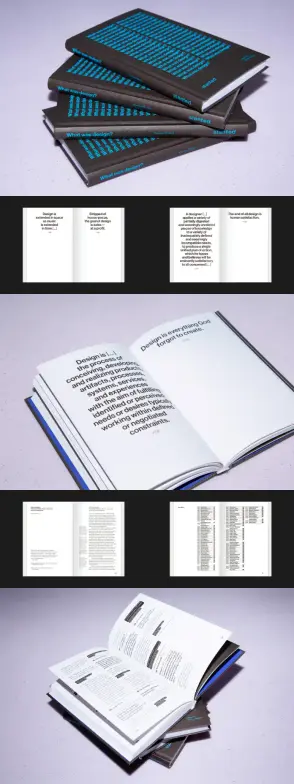
Slanted Publishers recognized this problem clearly. So instead of adding another definition to the pile, they collected 87 of them. Eighty-seven single-sentence answers to the question “What is design?” — drawn from a full century of practitioners, theorists, and philosophers. The result is no consensus. It is productive chaos. And that contrast between 87 competing visions is precisely where the insight lives.

Consider this: when 87 intelligent people answer the same question with 87 different answers, the disagreement itself becomes the subject. You stop asking “which definition is right?” and start asking “why can’t we agree?” That shift is the intellectual engine of this book.

Furthermore, the accompanying essay by Florian Walzel does the work of excavating these deeper contradictions. Walzel does not try to resolve the tension. He traces its roots — and that restraint is what gives the essay its authority.

What was design? Declarations and definitions from a century of creative quest. A book by Slanted Publishers.

87 One-Sentence Design Definitions: What This Format Reveals

The editorial decision to use only one-sentence definitions is brilliant and demanding at the same time. It forces every thinker into a corner. You cannot hedge. You cannot qualify. You must commit. And commitment, as any designer knows, is where honesty begins.

I call this the Single-Sentence Stress Test: the discipline of reducing a complex concept to one sentence specifically to expose its contradictions, blind spots, and assumptions. When Buckminster Fuller defines design one way, and Victor Papanek defines it another, the disagreement is not a flaw. It is the argument made visible.

Moreover, placing 87 definitions side by side creates what I describe as a Competing Definition Index (CDI) — a conceptual map showing how much internal contradiction a field carries within its own vocabulary. A high CDI score signals a discipline in genuine flux. Design, by this measure, scores exceptionally high. And that is not a crisis. It is a sign of intellectual vitality.

The book works precisely because it does not try to settle the debate. It stages it. You read one definition, then the next, and the friction between them generates more insight than either definition alone could provide.

The Florian Walzel Essay: Tracing Terminological Collapse

Walzel’s essay goes further. He investigates what I call Terminological Collapse — the point at which a term accumulates so many competing meanings that it loses its ability to communicate reliably. Design is a near-perfect case study. The word now functions as a noun, a verb, a philosophy, a job title, a political act, and a marketing claim. All simultaneously. All legitimately.

But instead of mourning that ambiguity, Walzel treats it as evidence. The blurring of the design definition reveals the blurring of the disciplines around it — art, engineering, commerce, ethics, and politics. Design sits at all those intersections. Of course, it cannot hold a single, stable meaning. Nothing at an intersection ever can.

This is a genuinely important insight. And it makes the book essential reading not just for designers, but for anyone thinking seriously about creative practice, visual culture, or the history of ideas.

Design History Through the Lens of a Quote Collection

Quote collections get a bad reputation. They can feel lazy — a substitute for argument rather than an argument itself. What was Design? avoids that trap entirely. The curatorial intelligence here is sharp. The 87 definitions are not arbitrary. They represent a specific century of design thinking — the compressed, contested, constantly revised intellectual history of a discipline that refuses to stand still.

Think of it as Definitional Archaeology: excavating past definitions not to establish truth but to understand why the gaps in meaning appeared when they did. Each definition is a time capsule. Each one reflects the pressures — social, commercial, technological — that design faced in its moment of utterance.

Additionally, the book’s compact format is a deliberate editorial choice that matches its subject matter. Design is often about compression. About saying the maximum with the minimum. A book that defines design through single sentences enacts that principle on every page.

What Slanted Publishers Does Right With This Book

Slanted Publishers has a strong track record with design books that think critically rather than just celebrate. What was Design? continues that tradition with unusual clarity. The structure is clean. The editorial premise is tight. The concept scales beautifully from a casual reader flipping through a few definitions to a design theorist building a reading list.

The book also operates with what I call Retrospective Authority — the intellectual power that comes specifically from looking backward. In a field obsessed with the next tool, the next trend, and the next system, stepping back a century and asking “what did we actually mean?” is a genuinely radical act. It is also a necessary one.

Because here is the honest truth: we cannot build a useful future for design without knowing what it has already been. And we cannot know what it has already been without confronting how much we disagreed about it along the way.

Who Should Read This Book?

The short answer is: anyone who uses the word “design” seriously. That includes graphic designers, architects, product designers, UX researchers, art directors, critics, curators, and students at every level. But it also includes writers, philosophers, and cultural theorists who watch design from the outside and wonder what all the noise is about.

The longer answer is more specific. If you have ever felt uncomfortable when someone asks you to define design — if you have stumbled over the answer, hedged, or switched to a vague gesture toward “problem-solving” — this book is for you. It will not give you a clean answer. But it will give you excellent company in the uncertainty.

Furthermore, educators will find the book immediately useful. A seminar built around 87 competing definitions would generate more productive discussion than most textbooks. The friction between definitions is the curriculum.

The Design Definition Crisis Is Also a Design Opportunity

Here is a prediction, stated clearly: the next major shift in design discourse will not come from a new tool or a new aesthetic movement. It will come from a renewed argument about what design is actually for. The AI moment forces that argument into the open. When a machine can execute the technical act of design, the only remaining questions are the philosophical ones. What is the intent? Who benefits? What values does this object or system carry?

Those are exactly the questions that a century of design definitions has been circling. And What was Design? maps that circle with precision and intellectual honesty.

The book’s title uses the past tense deliberately. “What was design?” implies that something has shifted. That the design definition we inherited may no longer hold. That we need to look backward before we can look forward with any clarity. That framing is not pessimistic. It is rigorous.

Moreover, it is brave. Admitting that a discipline has not agreed on its own definition for a century is not a weakness. It is an invitation to keep thinking. And thinking is where design has always done its best work.

My Take: Why This Book Belongs on Your Shelf

I have read a lot of design books. Many of them explain things you already know in language that sounds more confident than it deserves to be. What was Design? does the opposite. It admits uncertainty. It structures that uncertainty. And it makes uncertainty feel like intellectual progress rather than failure.

The single-sentence format works on a level I did not expect. You read a definition and think you understand it. Then you read the next one, and your certainty quietly dissolves. Then you read ten more, and you realize the dissolution is the point. That experience — that slow, productive disorientation — is what good design criticism should do.

Florian Walzel’s essay earns its place. It provides the theoretical scaffolding without overwhelming the primary material. The balance is right. The book does not lecture. It invites.

Finally, the Slanted Publishers production values are consistently strong. You can expect a physical object that takes the subject seriously — which, for a book about design, is the minimum required and something many publishers still get wrong.

What was Design? is a genuinely important contribution to design history and design theory. It will not give you a clean design definition. But it will give you 87 honest attempts — and that is far more valuable.

Frequently Asked Questions About What was Design? by Slanted Publishers

What is the book What was Design? about?

What was Design? Declarations and Definitions from a Century of Creative Quest is a curated collection of 87 single-sentence definitions of design. Slanted Publishers assembled these statements from a wide range of practitioners, design theorists, and philosophers. The book traces a full century of design thinking through the lens of competing and often contradictory definitions. An essay by Florian Walzel accompanies the collection, examining the deeper reasons why the design definition has remained so unstable over time.

Who is the publisher of What was Design?

Slanted Publishers, the independent German design publisher known for its critical and visually rigorous publications, produced the book. Slanted consistently publishes work that treats design as a subject of serious intellectual inquiry rather than purely visual celebration.

Who wrote the essay in What was Design?

Florian Walzel wrote the accompanying essay. Walzel investigates the conceptual ambiguity surrounding the term “design” and traces the historical, cultural, and commercial pressures that have contributed to its terminological instability over the past century.

Why does the book use the past tense — “What was Design?”

The past tense is a deliberate editorial and philosophical choice. It signals that the definitions collected in the book represent a historical moment — or series of moments — rather than a final truth. It also suggests that the meaning of design is shifting again, and that looking backward is necessary before we can understand where design is heading next.

How many design definitions does the book include?

The book features exactly 87 one-sentence definitions. Each definition comes from a different thinker — a designer, theorist, or philosopher — and each one reflects a specific moment in the history of design thinking. The contrast between definitions is intentional and forms the intellectual core of the book.

Who should read this book?

Anyone who uses the word “design” professionally or intellectually should read this book. That includes graphic designers, architects, UX designers, product designers, design educators, critics, and cultural theorists. Students of design history and design theory will find it especially useful. The book is also accessible to readers outside the design field who are curious about the history of creative thinking and visual culture.

Is What was Design? suitable for academic use?

Yes. The book is well-suited for academic seminars, design history courses, and theoretical design studies. The collection of 87 definitions provides a rich primary source base for discussion and critical analysis. The Walzel essay offers a solid theoretical framework for understanding the broader discourse around design definition and terminological ambiguity.

What makes this book different from other design theory books?

Most design theory books argue for a single position. What was Design? stages an argument between many positions simultaneously. The one-sentence format strips away nuance and hedging, forcing each thinker to commit to a clear statement. The result is a concentrated map of how contradictory design thinking has been — and continues to be — across a full century of creative and critical practice.

All images © Slanted Publishers. Browse WE AND THE COLOR’s Design and Books categories for more.

#book #design #slanted #SlantedPublishers

Parametric Design Is Changing How Designers Think — Play the System Shows You How

It is undeniable that something fundamental has changed in graphic design. The designer as sole author, crafting every curve and color by hand, is giving way to something more interesting: the designer as architect of rules. Parametric design doesn’t replace creative thinking. It relocates it — from the final form to the system that generates form. And right now, Play the System, published by Slanted Publishers in February 2026, makes the most compelling case for why every designer needs to understand this shift.

Edited by Heike Grebin, this 320-page publication is part reader, part archive, part design history. It brings together theory, education, and practice in a way that feels genuinely rare. Parametric design has been discussed in architecture and engineering for decades. In graphic design, it still deserves a much wider audience. This book intends to give it one.

What Does It Mean to Design a System Instead of an Object?

Most designers are trained to make decisions: pick a typeface, set a color, arrange elements on a page. Parametric design asks a different question entirely. Instead of deciding the outcome, you decide the rules. You define what changes, by how much, in response to what input. Then you let the system run.

This sounds abstract, but Play the System makes it concrete. The book demonstrates how changes to individual parameters — size, spacing, color, movement — produce wildly different outputs from a single ruleset. Even minimal adjustments create variation, surprise, and genuine discovery. That’s not a glitch. That’s the point.

Heike Grebin developed this approach across more than twenty years of teaching. The result is a framework she calls dynamic system design — one where the designer’s role is to set the conditions, not control every consequence. This is a significant reframe. It asks designers to trust the system they’ve built, even when the output surprises them.

The Rule-Before-Form Model

One of the original frameworks this article proposes is the Rule-Before-Form Model. It describes a creative methodology in which constraints come first, and visual outcomes emerge second. This inverts the traditional design process. Rather than starting with a sketch or a reference, you start with logic. You build a grammar. Then you generate sentences.

Parametric design lives here. And honestly, it produces some of the most interesting graphic work being made today — precisely because the designer can’t fully predict the result in advance.

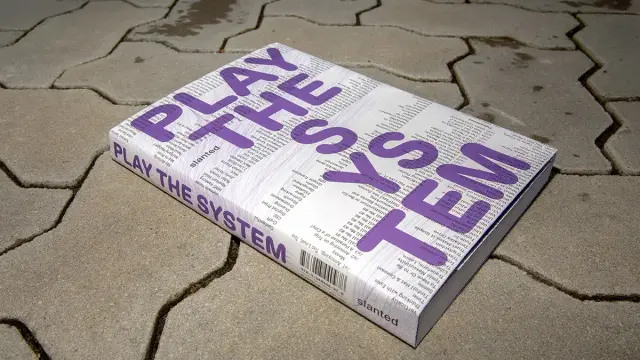
Play the System by Slanted Publishers

Why Parametric Design Is Timely Right Now

Algorithms now touch nearly every digital surface. Generative AI tools produce images, layouts, and type treatments in seconds. So the natural question becomes: what is the designer’s role when machines can generate form so quickly?

Parametric design offers a clear answer. The designer’s value lies not in making individual marks but in authoring the logic that governs those marks. This is a durable creative skill. It doesn’t compete with generative AI — it operates at a higher level of abstraction than generative AI can currently reach.

Furthermore, Play the System arrives at a moment when design education is actively rethinking its curricula. Schools are asking how to teach students to work with systems, with code, with data-driven variation. This book functions as both an argument and a resource for that conversation.

The Parameter-as-Author Principle

Another framework worth naming here is the Parameter-as-Author Principle. When a designer sets the parameters of a system, those parameters effectively become co-authors of every output the system generates. They carry aesthetic intent, even when the final form wasn’t explicitly planned.

This is a productive way to think about authorship in parametric design. It also changes how we evaluate design quality. We judge not just the individual artifact, but the intelligence embedded in the rules. A well-designed parametric system produces consistently interesting, varied, and coherent results across its entire output range.

What the Conversations in Play the System Reveal

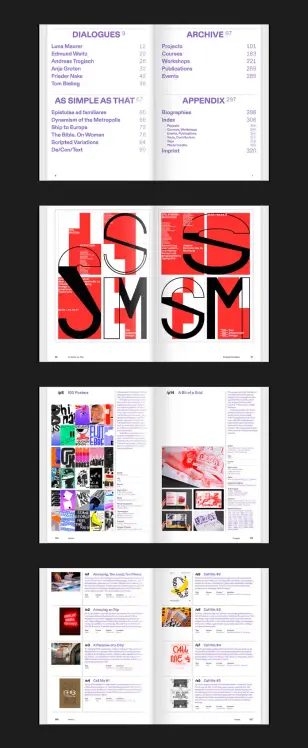
The book’s dialogues are among its strongest features. Grebin spoke with designers, programmers, and researchers whose work intersects with parametric and system-based thinking. Luna Maurer, Anja Groten, Frieder Nake, and Tom Bieling each bring a distinct angle. Their conversations are not polished interviews with rehearsed answers. They read as actual exchanges — productive, sometimes challenging, always specific.

Frieder Nake’s presence here feels especially significant. He’s one of the pioneers of algorithmic art and has thought rigorously about the relationship between computation and aesthetics for over sixty years. His perspective grounds the book in a longer history of parametric thinking that predates the current obsession with generative tools.

Meanwhile, voices like Anja Groten bring the conversation into the present — into questions about collective practice, tool politics, and how systems either encode or challenge existing structures of power. These are not decorative additions. They are, together, the intellectual architecture of the book.

Variance Spectrum Thinking

Here’s a third framework this article introduces: Variance Spectrum Thinking. It describes the practice of mapping the full output range a parametric system can produce before committing to any single result. Instead of stopping at the first satisfying outcome, the designer explores the spectrum — from the minimal to the extreme — to understand what the system is actually capable of.

This approach leads to better systems and better design decisions. It also produces a fundamentally different relationship between the designer and the work. You’re no longer making a thing. You’re curating from a field of possibilities that your own logic has generated.

The Book as a Parametric System Itself

One of the most compelling aspects of Play the System is that the publication itself enacts the principles it describes. The book’s companion website, www.play-the-system.xyz, is not supplementary material. It’s the data source. All the projects in the book were published through an automated web-to-print process, drawing directly from that website.

This is what we can call Hybrid Publication Architecture — a model in which the web and print are not parallel outputs of the same content, but parts of a single, live, automated pipeline. The distinction between the digital and physical publication dissolves. They’re the same system, expressed in two different substrates.

This approach has clear implications beyond this single book. It suggests a model for design publishing in which content, data, and form are continuously linked. Updates to the website could, in principle, generate entirely new print editions. The publication is dynamic. Even the book becomes a parameter.

Physical Craft Meets Systemic Logic

The production values here deserve attention. Play the System uses full-color offset printing with spot colors on Munken Print White paper. The softcover format includes flaps, open thread stitching, and a poster functioning as a dust jacket. This is not minimal publishing. It’s generous, considered, and physically engaging.

At 320 pages and 16.4 × 24 cm, the book has real weight — literally and intellectually. The design team (Finn Reduhn, Andreas Trogisch of Troppo Design, and Lukas Siemoneit) clearly understood that a book about parametric systems should itself demonstrate visual rigor. It does.

How This Book Connects Design History to Current Practice

Parametric design has historical roots that are often overlooked in contemporary conversations about algorithmic or generative work. The impulse to design by rule — to let a system produce variation — appears in early computer art, in Swiss typography, in modular type systems, and in conceptual art movements of the 1960s and 70s.

Grebin’s approach situates her teaching within this longer arc. She draws connections between historical examples and contemporary digital practice without making either feel dated or breathlessly new. This is good design writing: it places things in time without over-determining their meaning.

One concept worth introducing here is the Constrained Creativity Loop — the productive cycle in which tight constraints, rather than limiting creative output, generate unexpected and rich visual solutions. Parametric design operates in exactly this loop. The more precisely you define your system, the more surprising its outputs often become. This is counterintuitive but consistently true in practice.

Who Should Read Play the System

The book explicitly aims to reach readers beyond the design discipline — and it earns that ambition. Anyone working at the intersection of technology, visual communication, and creative practice will find something useful here. Graphic designers, type designers, educators, programmers, and researchers in adjacent fields all have a stake in what parametric design is becoming.

For students encountering system-based design for the first time, this is an ideal entry point. It doesn’t assume prior knowledge. It builds understanding through examples, through conversation, and through the logic of the projects it documents. The tone is rigorous but not exclusionary.

For experienced practitioners, it offers a well-structured historical and theoretical framework to articulate something many have already been doing intuitively. Sometimes the value of a book like this is that it gives you the vocabulary to explain your own work more clearly.

The Sixth Framework: The System-Designer Split

The final framework this article coins is the System-Designer Split — the productive tension between the designer who builds a system and the designer who operates within it. In parametric design, these roles sometimes belong to the same person at different moments in the process. Sometimes they belong to different people entirely.

Understanding this split changes how you approach collaboration, authorship, and tool development. A designer who builds the system has a fundamentally different relationship to the output than one who simply runs it. Both roles matter. Both require distinct skills. Play the System makes space for both.

Final Thoughts on a Book That Earns Its Ambitions

Parametric design is not a trend. It’s a structural shift in how graphic design is practiced, taught, and understood. Play the System doesn’t oversell this shift, and that’s what makes it trustworthy. It documents, it converses, it demonstrates. It lets the work speak and trusts the reader to draw conclusions.

Heike Grebin has spent more than two decades building this body of knowledge. This book is the fullest expression of that work yet. At €37, it’s also one of the most intellectually generous design publications of the year. Whether you’re a student, an educator, a practitioner, or simply someone curious about how design is changing, this is a book worth your time.

Parametric design gives designers something powerful: control over the conditions of possibility rather than just the outcome. That’s a different kind of authorship. Play the System makes the case that it’s a better one.

Q&A: Play the System and Parametric Design

What is parametric design in graphic design?

Parametric design in graphic design refers to a process-oriented approach in which designers define a set of rules or parameters — such as size, spacing, color, or movement — that generate visual outcomes. Rather than making individual design decisions for each element, the designer authors the system that produces those elements. Input values, chance, or external influences then drive variation and exploration.

Who edited Play the System?

Heike Grebin edited Play the System, published by Slanted Publishers in February 2026. Grebin developed the parametric design framework documented in the book across more than twenty years of teaching experience.

Is Play the System suitable for non-designers?

Yes. The book explicitly targets readers beyond the design profession. Researchers, programmers, educators, and anyone interested in system-based creative practice will find the book accessible and relevant.

What is the companion website for Play the System?

The companion website is www.play-the-system.xyz. It functions as the data source for all projects in the book, which were published through an automated web-to-print process. The site extends the book with additional content and keeps the publication dynamic.

How does parametric design relate to generative AI?

Parametric design and generative AI share a systems-based logic, but they operate differently. Parametric design requires the designer to explicitly define the rules and parameters that govern output. Generative AI produces output based on trained models. Parametric design gives designers more direct authorship over the logic that drives variation — making it a durable and complementary skill alongside AI tools.

Where can I buy Play the System?

Play the System is available through Slanted Publishers at €37. ISBN: 978-3-948440-97-8.

All images © Slanted Publishers. Check out other recommended books on art and design here at WE AND THE COLOR.

#book #design #graphicDesign #PlayTheSystem #SlantedPublishers

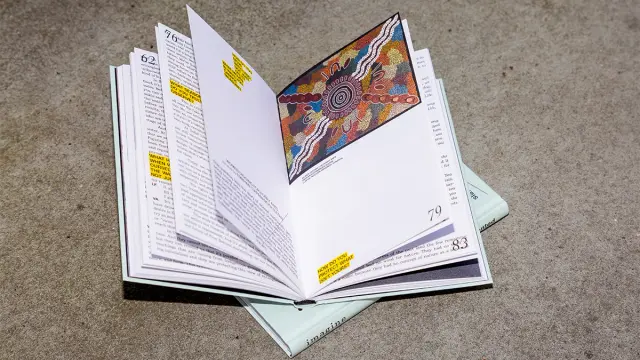
Imagine—A New Path Through the Planetary Emergency: A Guide to Embracing Chaos

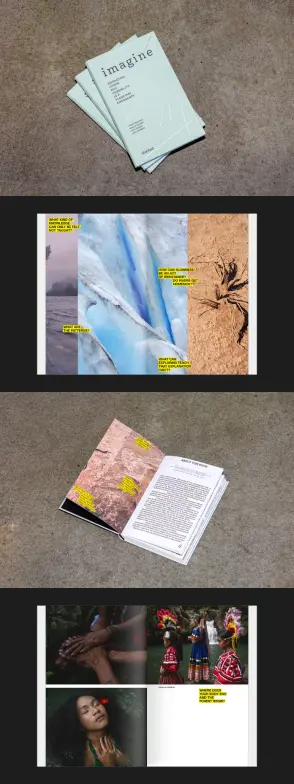
Our world is at a critical juncture. We face a convergence of ecological, social, and cultural crises that can rightly be called a planetary emergency. In this moment of profound uncertainty, the search for simple, actionable solutions often leads to frustration. A new book from Slanted Publishers, Imagine—Embracing Chaos and Possibility in a Planetary Emergency, offers a compelling alternative. This is not a manual for fixing the world. Instead, it is a curated space for reflection, a collection of conversations designed to help us navigate these turbulent times.

The book proposes a radical idea. It suggests that before we can act, we must first learn to sit with the complexity of our situation. It serves as a thoughtful companion, gathering a multitude of ideas to inspire new relationships with ourselves, with society, and with the planet. This work invites you to pause and engage with the chaos, not as something to be feared, but as a source of immense possibility.

The book is available for purchase from the Slanted Publishers online shop.

Imagine—The New Book by Slanted Publishers is Embracing Chaos and Possibility in a Planetary Emergency

A Book That Asks Questions, Not a Guide with Answers

Imagine—Embracing Chaos and Possibility in a Planetary Emergency stands apart from the many non-fiction books that claim to have the solutions to our global crisis. Editors Laura François and Natalie Seisser have intentionally curated an interdisciplinary collection of reflections that values inquiry over instruction. The book’s primary aim is to open up a space for deep thought and meaningful dialogue. It avoids easy answers because, frankly, there are none. The editors instead provide a rich tapestry of perspectives, encouraging you to weave your own understanding. It is a tool for building resilience in a world that demands it.

Why We Must Embrace Chaos in a Planetary Emergency

The term “planetary emergency” can feel paralyzing. It describes a reality so vast and complex that individual action can seem futile. This is precisely why this book’s premise is so vital. By inviting us to embrace chaos, it encourages a shift in mindset away from a need for control and toward a state of active, engaged awareness. How can we find stability in a system that is inherently unstable? The book argues that true resilience comes not from rigid plans, but from the flexibility to adapt, learn, and imagine different futures. It is a necessary counterpoint to the often-unhelpful noise of prescriptive, top-down solutions. This approach feels more honest, more human, and ultimately, more hopeful.

Voices from the Vanguard of Thought

The authority of Imagine—Embracing Chaos comes from its contributors. The editors have gathered a remarkable group of thinkers, artists, and practitioners who provide a truly global and interdisciplinary perspective on our planetary emergency. Their voices offer a nuanced exploration of the challenges we face.

  • Nora Bateson brings her pioneering work in systems theory. She helps us understand the interconnected nature of our crises, moving beyond linear cause-and-effect thinking to see the intricate patterns that shape our world. Her insights are essential for anyone seeking a more holistic understanding of the planetary emergency.
  • Vanessa Machado de Oliveira, an expert in education, offers critical perspectives on how we can confront global challenges without falling into traps of denial or simplistic fixes. Her work pushes readers to engage with uncomfortable truths.
  • Rudi Putra, an Indonesian biologist and environmental activist, provides a direct link to the front lines of ecological protection. His experience fighting deforestation brings a grounded, urgent reality to the book’s more theoretical discussions.
  • Brother Phap Linh, a senior teacher in Thich Nhat Hanh’s Plum Village tradition, offers the wisdom of Buddhist practice. He explores how mindfulness and compassion can serve as anchors in turbulent times, helping us cultivate inner peace as a foundation for collective action.

This blend of expertise ensures that the book is not an academic echo chamber. Instead, it is a living conversation between diverse fields, each offering a unique lens through which to view our shared reality.

Design as a Form of Dialogue

Slanted Publishers is renowned for producing books that are as beautiful to hold as they are to read, and this publication is no exception. The design, artfully directed by Viola Dessin and Lars Harmsen, is an integral part of the book’s message. Its hardcover format, complete with a classic headband and elegant hot-foil embossing, signals that this is an object to be kept and cherished. The use of changing paper stocks and full-color offset printing creates a tactile journey for the reader. In a digital age, this commitment to craftsmanship is a statement in itself. It suggests that the ideas within are worthy of a lasting physical form, inviting you to slow down and engage with them on a deeper level.

Imagine—Embracing Chaos and Possibility in a Planetary Emergency is an essential companion for our times. It does not offer a map out of our current predicament. Instead, it provides something far more valuable: a compass for the journey. By fostering curiosity and encouraging new ways of seeing, it equips you with the tools to navigate the complexity ahead. It stands as a powerful testament to the idea that in an age of crisis, our greatest resource is, and always will be, our imagination.

This important publication was made possible with the kind support of Awe Exchange.

Publication Details:

  • Publisher: Slanted Publishers
  • Editors: Laura François, Natalie Seisser
  • Curator: Natalie Seisser
  • Design: Viola Dessin, Lars Harmsen (AD)
  • Release: September 2025
  • Format: 12 × 19 cm
  • Volume: 160 pages
  • Language: English
  • Printer: Stober Medien
  • Workmanship: Hardcover with headband, hot-foil embossing, thread-stitching, full color offset printing, changing papers
  • ISBN: 978-3-948440-89-3
  • Price: € 28.–

All images © Slanted Publishers. Check out WE AND THE COLOR’s Book category for more recommended publications.

#book #slanted #SlantedPublishers

Graphic Languages: Unveiling the Soul of Global Scripts in a Landmark New Book

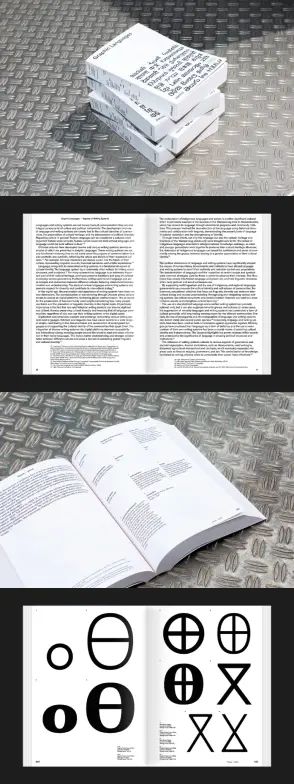
Have you ever truly considered the journey of a single letter, a character, a symbol? The new book, Graphic Languages: A Visual Guide to the World’s Writing Systems, invites you on such an exploration. Slanted Publishers released this remarkable volume in May 2025, and it promises to be a significant event for anyone fascinated by design, communication, and culture. Edited by Oliver Häusle, in collaboration with leading international type designers and experts, Graphic Languages isn’t just another typography book; it’s a visual celebration of human ingenuity. This publication delves into the very essence of how we communicate visually across diverse cultures. It’s a work designed to resonate with you, whether you’re a seasoned designer or simply curious about the beautiful complexity of global scripts.

The world feels more connected than ever, doesn’t it? Yet, how much do we truly understand about the visual tapestries that weave our global conversations? Graphic Languages offers a unique opportunity to bridge that understanding. It moves beyond mere aesthetics, prompting a deeper appreciation for the intricate systems that give voice to thoughts, stories, and identities worldwide. This book encourages you to think about the power held within each stroke of a character.

The book is now available for purchase from the Slatend Publishers Shop.

Graphic Languages: book release by Slanted Publishers

“Graphic Languages” Will Change How You See Writing

Why should a book about writing systems capture your attention right now? Think about it. Every day, you encounter countless scripts. From the Latin alphabet on your screen to perhaps Hangul in a K-drama or Arabic script in global news. Each system carries a history, a culture, and a unique design philosophy. Graphic Languages recognizes this profound depth. It focuses on what the editor calls the “unique DNA of each typeface.” This means exploring its distinctive forms, yes, but also its immense cultural significance. Furthermore, the book highlights the inexhaustible power of these scripts as cornerstones of human communication. It’s about understanding that typography is far more than just arranging letters; it’s about connecting with heritage and contemporary expression through these Graphic Languages.

This isn’t just an academic overview. Instead, Graphic Languages aims to be an inspiring introduction for those new to the diversity of global writing systems. Simultaneously, it serves as a comprehensive handbook for designers, whether they are students just starting or experienced professionals looking to broaden their perspectives on type design and visual communication. The book compellingly argues that type doesn’t just communicate information; it forges connections between people and cultures.

A Glimpse into the World of “Graphic Languages”

What exactly will you find within the 464 pages of Graphic Languages? Prepare for an impressive visual journey. The book meticulously examines 26 influential writing systems from around the globe. Imagine exploring the flowing elegance of Arabic, the ancient characters of Chinese (Hanzi), the block-like harmony of Hangul, or the intricate beauty of Devanagari. The list is extensive and thoughtfully curated, including: Adlam, Arabic, Armenian, Bangla, Chinese (Hanzi), Cyrillic, Devanagari, Ge’ez, Georgian, Greek, Gujarati, Gurmukhi, Hangul, Hebrew, Japanese (Hiragana, Katakana, Kanji), Kannada, Khmer, Latin, Malayalam, N’Ko, Odia, Sinhala, Tamil, Telugu, Thai, and Tifinagh.

For each of these Graphic Languages, the publication offers insights into their history, meaning, and creative potential. Are you a designer looking for inspiration for a project involving cultural typography? Or perhaps you’re keen on understanding Adlam script design or exploring the DNA of Hanzi characters? This guide to the world’s writing systems for designers offers precisely that. The focus is firmly on design, making it an invaluable resource for anyone working with or inspired by global scripts.

“Graphic Languages”: More Than a Book, It’s Your Design Companion

Slanted Publishers and Oliver Häusle have envisioned Graphic Languages as something more profound than a simple reference. It’s crafted to be a companion on your creative and intellectual journey. How often do you find a resource that is both an “inspiring introduction” and a “comprehensive handbook”? This dual nature makes Graphic Languages particularly special. It acknowledges that learning about type design and global scripts is an ongoing process.

Students will find it an accessible gateway to understanding the rich diversity of type systems. Professionals, on the other hand, can use it to refresh their knowledge, discover new nuances, or find concrete examples of cultural typography in action. The core message, “type not only communicates—it connects,” resonates throughout. This makes Graphic Languages one of the potentially best books on global scripts for students and professionals alike. It’s a tool for fostering more inclusive and culturally aware design practices. Have you considered how a deeper understanding of various writing systems could enrich your own creative output?

The Visionaries: Slanted Publishers and Oliver Häusle

The quality and depth of Graphic Languages are a testament to the expertise behind it. Slanted Publishers, under the publishing direction of Lars Harmsen and Julia Kahl, has a distinguished reputation for producing high-quality, thought-provoking design publications. Their commitment to showcasing diverse perspectives within the design world shines through.

Editor and designer Oliver Häusle has meticulously shaped Graphic Languages. His collaboration with leading international type designers and type experts ensures that the information is not only accurate but also imbued with practical insights from those deeply embedded in the field. This collaborative approach enriches the content, offering readers a multifaceted view of each script. It’s this dedication that transforms Graphic Languages from a mere collection of facts into a vibrant exploration of living communication systems.

The Beauty of the Physical Object: Holding “Graphic Languages”

For a book centered on visual communication and design, the physical object itself is paramount. Slanted Publishers understands this implicitly. Graphic Languages is presented in a 16.5 × 23 cm format, a comfortable size for both reading and visual appreciation across its 464 pages. The choice of English as the language makes its valuable content accessible to a broad international audience.

The workmanship speaks volumes about its quality. A softcover with thread-stitching ensures durability and allows the book to lay relatively flat, crucial for studying its visual spreads. Offset printing by Printmedia Solutions in Germany guarantees crisp and faithful reproduction of the intricate details within each script. Furthermore, the paper selection—Enviro Natur for the cover and Holmen TRND 2.0 for the inside pages—reflects a commitment to tactile quality and environmental consideration. These details matter. They enhance the reader’s experience, making Graphic Languages a pleasure to hold, read, and return to time and again.

Get Your Copy: “Graphic Languages” is Ready for You!

The wait is over! Graphic Languages: A Visual Guide to the World’s Writing Systems is now available for purchase. This essential new typography book can be yours to explore.
Here are the key details for those ready to add it to their collection:

  • Publisher: Slanted Publishers
  • Editor & Design: Oliver Häusle
  • Available: Now!
  • Format: 16.5 × 23 cm
  • Volume: 464 pages
  • Language: English
  • ISBN: 978-3-948440-88-6
  • Price: € 30.–

This comprehensive handbook for type designers and enthusiasts of global scripts is poised to become a go-to resource. Given the depth of content and the quality of production, it offers remarkable value.

Why “Graphic Languages” Is an Essential Addition to Your Library

So, why should Graphic Languages be on your must-buy list? The publication is a key to unlocking a deeper understanding of how humanity communicates, a key you can possess right now. In an increasingly interconnected world, appreciating the diversity of Graphic Languages is not just an academic exercise; it’s a way to foster empathy, enhance creativity, and design more thoughtfully.

This book offers a unique lens through which to view the world—one that celebrates the beauty, complexity, and cultural richness embedded in the very forms we use to write. It invites you to explore, to learn, and to see type not merely as a tool, but as a vibrant expression of human culture. Are you ready to embark on this visual journey and discover the stories that Graphic Languages tell? This inspiring introduction to diverse type systems might just change the way you see the written word forever.

All images © Slanted Publishers. Feel free to find other recommended Books for creatives on WE AND THE COLOR.

Subscribe to our newsletter!

[newsletter_form type=”minimal”]

#design #graphicDesign #GraphicLanguages #publication #SlantedPublishers #Typography

Slanted.de by Slanted Publishers - Design-News, Publisher, Shop - slanted

The daily blog highlights events and news from an international design scene and showcases inspiring portfolios from all over the world.

slanted

Support Independent Type II: The Must-Have Book Celebrating Today’s Freshest Fonts

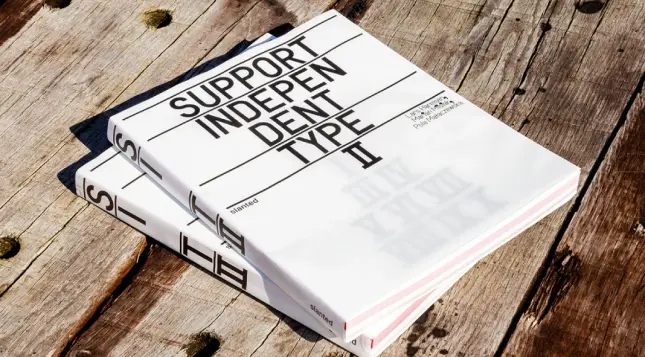
Look around you. Right now. Letters are everywhere, aren’t they? On the screen you’re reading, the packaging in your kitchen, maybe even the spine of a book nearby. We navigate a world built with text. It’s incredibly easy to overlook typography, to see it as just functional background noise. But pause for a moment. Think about the distinct personality of your favorite brand’s logo, or how some websites feel intuitive and pleasant to read while others are a struggle. That’s the power of typography in action. It’s a subtle yet potent art form influencing our experiences constantly. But here’s a question worth pondering: where do all these diverse, expressive, sometimes wonderfully strange fonts actually originate? Big software names might come to mind, and they certainly play their part. However, a whole universe of creativity bubbles just beneath that surface. It’s the world of independent type foundries. Often, these are small studios, perhaps even solo designers, investing incredible passion and countless hours into handcrafting unique letterforms. They don’t just follow trends; they often create them, pushing boundaries and reflecting our ever-changing visual culture. Supporting these independent creators isn’t merely about acquiring interesting fonts; it’s about nurturing the very roots of design innovation and diversity. This brings us to the release of Support Independent Type II.

A Tribute to the Dedication, the Artistry, and the Often Rebellious Spirit Fueling Independent Type Design Today.

Perhaps you recall the impact of the first Support Independent Type book from Slanted Publishers back in 2020? It was a revelation for many – a beautifully produced declaration, a vibrant showcase celebrating the sheer ingenuity flourishing outside the corporate font world. Well, prepare yourself, because the keenly awaited follow-up is coming, and it promises even more depth and excitement. Support Independent Type II transcends being just another book listing fonts. Consider it a curated snapshot of a vital global movement. It stands as a tribute to the dedication, the artistry, and the often rebellious spirit fueling independent type design today. If design matters to you, if typography fascinates you, or if you simply crave exposure to the leading edge of visual expression, this is a publication demanding your attention. It explores this captivating domain, highlighting the remarkable work being produced and underscoring why independence in the creative industries is so crucial. Let’s delve into what makes this release truly essential.

Support Independent Type II by Slanted Publishers

Defining Support Independent Type II

So, what is Support Independent Type II in essence? It’s the highly anticipated successor to the original, acclaimed publication by the respected Slanted Publishers. Guided by the editorial and design vision of Lars Harmsen, Marian Misiak, and Pola Małaczewska, this second volume passionately continues the mission: to champion and vividly display the dynamic world of independent type specimens. It functions beautifully as both a compelling manifesto for creative freedom and an awe-inspiring visual compendium. Picture yourself leafing through pages alive with typographic invention – that is the experience Support Independent Type II delivers. It moves beyond simple font display, investigating the rich culture surrounding type creation and application.

Critically, the book features work from over 300 pioneering type foundries across the globe. Pause and consider that figure: 300+. This isn’t some obscure corner of the design world; it represents a flourishing, diverse, international ecosystem teeming with unique talent. Support Independent Type II provides a crucial platform for these often smaller players, presenting a vibrant and necessary alternative to the sometimes predictable offerings of large, corporate font distributors. It offers readers a direct connection to the heartbeat of contemporary type design.

A Showcase of Typographic Diversity

What styles of typefaces should you anticipate finding within its pages? Expect an astonishing range. Support Independent Type II makes a conscious effort to present the full spectrum of modern typographic expression. You will encounter meticulously crafted text faces designed for readability, sitting comfortably alongside daring, experimental display fonts that actively challenge typographic norms. Some designs communicate with quiet elegance, while others make bold, unmissable statements. You’ll find fonts embodying refined sophistication and others embracing raw, even disruptive, aesthetics. This collection bravely ventures to the experimental frontiers of typography, unveiling groundbreaking designs that expand our understanding of what letterforms can achieve.

Furthermore, the book smartly avoids limiting its scope to just digital fonts presented conventionally. It embraces the richness of type specimens in their varied manifestations. Prepare to see examples showcased digitally, through beautifully executed print artifacts, and even via intriguing tactile type objects. This multi-dimensional approach effectively underscores the versatility of type itself and the imaginative ways contemporary designers choose to present their creations. It truly encapsulates the vibrant, multifaceted reality of the independent type community.

Cultural Insights and Trends Within Support Independent Type II

Support Independent Type II achieves more than just cataloging current typographic output; it provides sharp insights into emerging trends and key innovations shaping the field. By assembling such an extensive and varied collection, the editors offer a unique vantage point for observing the trajectory of modern type design. What novel aesthetics are capturing attention? How are type designers integrating and responding to new technologies? Which visual dialects are resonating most strongly in today’s diverse cultures? The book addresses these questions implicitly through its careful curation.

Importantly, it also examines how independent type foundries represent a potent challenge to the market dominance of large corporate entities. Perhaps more profoundly, it explores how their work often mirrors and responds to larger cultural currents and transformations. Independent type design frequently acts as a sensitive indicator of societal shifts, evolving artistic movements, and changing modes of communication. These foundries aren’t merely passive reflectors of culture; they are active participants in shaping it, introducing fresh viewpoints and diverse voices into our shared visual environment. Support Independent Type II illuminates this vital connection, elevating the discourse surrounding type beyond pure aesthetics and into the realm of cultural significance.

A Manifesto and an Essential Design Resource

To label Support Independent Type II merely as a ‘book’ somewhat misses the mark. It presents itself confidently as a manifesto – a clear statement championing the inherent value and undiluted energy of independent creation within the design sphere. Furthermore, it celebrates the intense passion, unwavering dedication, and singular vision that independent foundries contribute. It actively encourages designers, clients, and enthusiasts alike to venture beyond the familiar choices and discover the wealth of compelling alternatives available. Support Independent Type II makes a strong case for looking deeper.

Concurrently, it functions as an utterly indispensable resource. For whom is this volume intended? Graphic designers searching for novel typographic inspiration will discover an absolute goldmine within its pages. Creative directors aiming to distinguish their projects with unique, meaningful typefaces will find a vast array of possibilities. Educators responsible for teaching typography will recognize it as an invaluable asset for illustrating contemporary practice and thinking. And, naturally, anyone with a deep-seated love for type – the dedicated “type enthusiasts” among us – will find endless visual pleasure and intellectual stimulation. It serves as a reference guide, an inspirational catalyst, and a desirable object all at once. Think of Support Independent Type II as your essential navigator to the present and future of type.

The Craftsmanship of the Book Itself

Slanted Publishers has earned a strong reputation for its unwavering commitment to exceptional print quality, and Support Independent Type II is poised to uphold this standard beautifully. The physical book is clearly conceived as an art object in its own right, designed to embody the principles of care and craft it advocates for within its content. Let’s examine the production specifics:

  • Format: A substantial 21 × 27 cm size, offering generous space to showcase type specimens with clarity and impact.
  • Volume: A hefty 288 pages filled with typographic exploration.
  • Paper: Utilizing uncoated and transparent high-quality papers sourced from Reflex paper points towards a rich tactile and visually engaging reading experience. This selection goes beyond standard paper, chosen specifically to enhance the presentation.
  • Printing: Employing Offset printing enriched with spot colors by the reputable Stober Medien ensures superior color fidelity and overall print excellence – critical for accurately representing typeface designs.
  • Workmanship: Featuring a softcover binding with open thread-stitching, a distinctive choice that allows the book to lie flatter during use and often signifies artisanal production quality. The addition of a dust jacket provides further protection and design possibilities.
  • Bookbinding: Skillfully executed by Buchbinderei Spinner, a name associated with high-quality bookbinding craftsmanship.

These meticulous specifications clearly signal that the book’s own design and physical production are thoughtfully intended to mirror the core values it promotes: exceptional quality, dedicated craft, and meticulous attention to every detail. Holding Support Independent Type II promises to be an experience as inspiring as absorbing its content.

Why Support Independent Type II Demands Your Attention

So, what’s the ultimate takeaway? Why should Support Independent Type II be firmly on your radar and, eventually, on your bookshelf?

  • Discover Hidden Gems: It introduces you to over 300 independent foundries, many of which you might not encounter through conventional channels. Your next go-to typeface could very well be within these pages.
  • Stay Current with Trends: Access an expertly curated overview of the latest developments and pioneering innovations in global type design. Keep your design sensibilities sharp and informed.
  • Grasp the Cultural Context: Gain deeper insights into the crucial role of independent type in challenging established norms and reflecting contemporary culture. It adds valuable layers to your design understanding.
  • Ignite Your Creativity: The sheer visual richness and diversity presented are practically guaranteed to spark fresh ideas for your own creative endeavors. Consider it a potent injection of inspiration.
  • Invest in the Community: Purchasing the book directly supports Slanted Publishers and, by extension, the numerous independent designers and foundries whose work is featured. It’s a meaningful way to contribute to the creative ecosystem. Support Independent Type II helps sustain this vibrancy.
  • Acquire a Beautiful Artifact: Beyond its invaluable content, the book itself is set to be a beautifully crafted object, a tangible example of excellence in print design and production.
  • This publication represents a celebration, a vital resource, and an implicit call to engagement. It prompts us all to observe more closely, choose type more deliberately, and fully appreciate the incredible human creativity and effort embedded in the letters that shape our world. Support Independent Type II is more than a sequel; it’s a significant statement.

    The Final Word (For Now)

    Support Independent Type II is clearly positioned to become a cornerstone publication for anyone seriously engaged with typography, graphic design, and visual culture. It serves as a vibrant, essential continuation of a critical conversation, presented beautifully and packed with inspiring content. It champions the diversity, the innovation, and the undeniable passion that characterize the independent type landscape. By showcasing hundreds of foundries and thoughtfully exploring the cultural resonance of their work, it promises to be an indispensable addition to any creative individual’s library.

    Are you prepared to explore the forefront of type design? Are you intrigued by the stories and the creators behind the fonts shaping our visual world? The publication was released in March 2025. Choosing to Support Independent Type II, and independent type in general isn’t merely about following a trend; it’s about actively contributing to a richer, more diverse, and ultimately more exciting future for visual communication. This book is your definitive invitation to participate.

    Book Details:

    • Title: Support Independent Type II
    • Editors & Design: Lars Harmsen, Marian Misiak, Pola Małaczewska
    • Publisher: Slanted Publishers
    • Release: March 2025
    • Format: 21 × 27 cm
    • Volume: 288 pages
    • Language: English
    • Paper: Uncoated and transparent high-quality papers by Reflex paper
    • Printing: Offset printing with spot colors by Stober Medien
    • Workmanship: Softcover with open thread-stitching, dust jacket
    • Bookbinding: Buchbinderei Spinner
    • ISBN: 978-3-948440-82-4
    • Price: €42.–
    • Buy Here: slanted.de/product/support-independent-type-ll

    All images © by Slanted Publishers. Don’t hesitate to browse through WE AND THE COLOR’s Graphic Design section for more inspiring content.

    Subscribe to our newsletter!

    By continuing, you accept the privacy policy

    #book #publication #slanted #SlantedPublishers #SupportIndependentType #type #typedesign #typeface #Typography

    Slanted.de by Slanted Publishers - Design-News, Publisher, Shop - slanted

    The daily blog highlights events and news from an international design scene and showcases inspiring portfolios from all over the world.

    slanted
    A few purchases I’ve made over the last few months from #CounterprintBooks, #SlantedPublishers, #theprintarkive, @smashingmag, etc.