Why a little-known state law m...

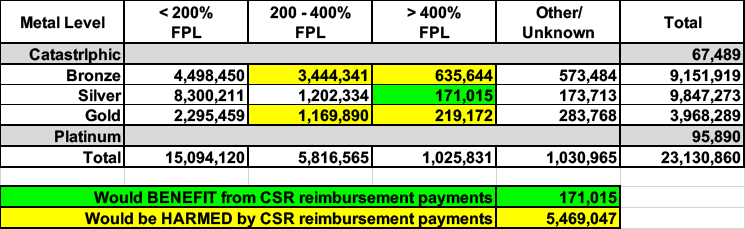
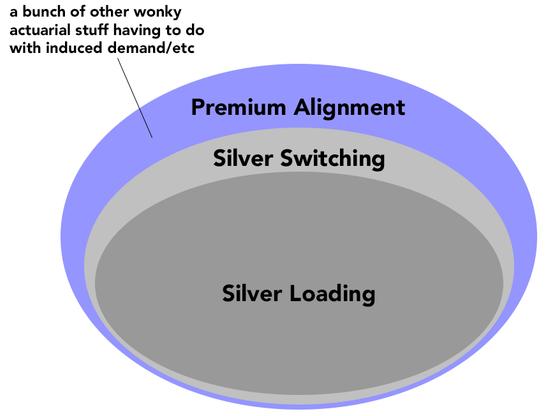
IMPORTANT: Premium Alignment is NOT a substitute for making the enhanced ACA tax credits permanent. It does little to help the lowest-income folks who are still better off with Silver plans thanks to robust CSR assistance, and the benefits of it will be mediocre for those over 400% FPL if the enhanced tax credits expire. Even for those it benefits the most (primarily those who earn between 200 - 400% FPL), it's a complement to the upgraded subsidies, not a replacement for them. HOWEVER, it's still hugely helpful to those who know how to take advantage of it, and particularly in the states newly implementing it, it should relieve a huge portion of the pain being caused by the enhanced APTC expiring next month. Last week I posted a deep dive into how a bunch of states are taking action to at least partially cancel out the impact of the impending end of the enhanced federal Advance Premium Tax Credits (APTC) which have been in place since early 2021. I discussed wonky health insurance policy pricing terminology like "Silver Loading" and "Premium Alignment" and included a few examples to demonstrate how some states have set up their pricing policies in such a way as to maximize the impact of the tax credit formula which we're scheduled to convert over to starting on January 1st.
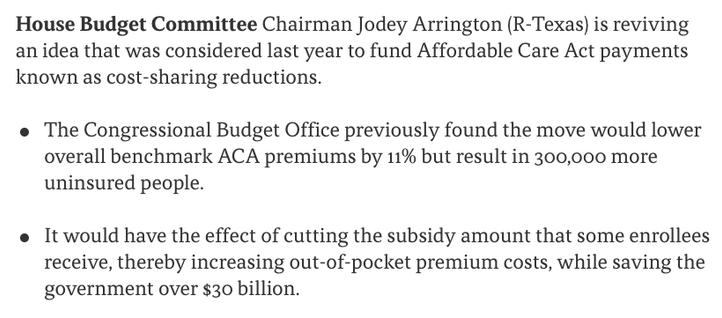
🚨 House GOP Bill: No #ACA tax credit extension after all; CBO projects 300K to lose coverage due to end of #SilverLoading in mostly red states:
Welp. In a development which should surprise absolutely no one, GOP House Speaker Mike Johnson has announced that the bipartisan "Fitzpatrick Bill" which would include a 2-year extension of the enhanced ACA tax credits (albeit with significant caveats) won't be included in their healthcare bill vote this week after all. Via Politico: Speaker Mike Johnson confirmed Tuesday he will not allow a House vote this week to extend expiring Obamacare subsidies — a reversal from last week when a GOP leadership aide said the process “would allow” for an amendment vote. “In the end, there was not an agreement,” Johnson told reporters, noting the divides in his conference over the subsidies. Meanwhile, the main House GOP bill (which doesn't include any tax credit extension) will move forward anyway...and the Congressional Budget Office has published their official ten year score of the budgetary & insurance coverage impact of the bill: H.R. 6703 would establish new rules for association health plans, modify requirements for individual and group health coverage, require contracts between plan sponsors and pharmacy benefit managers (PBMs) to meet certain standards, and appropriate funding for reductions in cost sharing.

I've written in-depth explainers before of how Silver Loading came into existence and how it works as part of longer blog posts, but I also wanted to have a simpler, standalone version, so here it is. First, a quick backstory: The ACA includes two types of financial subsidies for individual market enrollees through the ACA exchanges (HealthCare.Gov, CoveredCA.com, etc). One program is called Advance Premium Tax Credits (APTC), which reduces monthly premiums for low- and moderate-income. APTCs are the subsidies which have been substantially beefed up by the American Rescue Plan (the additional subsidies will be available starting in April in most states, soon thereafter in most other states). The other type of subsidies are called Cost Sharing Reductions (CSR), which reduce deductibles, co-pays and other out-of-pocket expenses for low-income enrollees. The way the CSR program works is a bit unusual. Unlike premiums, which are a set, known dollar amount for every enrollee each month, the CSR program involves deductibles & co-pays, which can vary greatly from month to month. Therefore, instead of subsidizing the enrollees directly, the insurance carriers are contractually required to cover the given portion of the enrollee's deductibles, co-pays etc.