#birth #oblivion #sedation #poetry #twilight_sleep #Dämmerschlaf

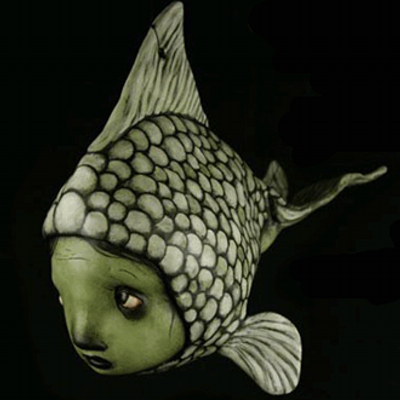
he, who is he, he whose personality has been

teared apart by the morphine and

scopolamine (better known as the devil's

breath), running down through the

birthchannel and placenta.

he, who is he, he who forgot everything

during his birth. there was/is

no remembrance ...

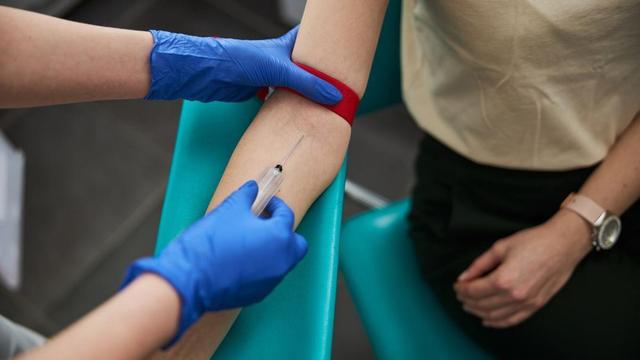
A man in China has been sentenced to two years in prison after breaking into a woman’s home, sedating her with anaesthetics, and drawing her blood — a crime he claimed was motivated by a desire to relieve stress. https://english.mathrubhumi.com/news/world/chinese-man-jailed-two-years-sedating-woman-drawing-blood-atm1qkgs?utm_source=dlvr.it&utm_medium=mastodon #china #homeinvasion #sedation #blooddrawing #crime

Sleep Your Way to Life - Mo Gawdat on The Diary Of A CEO

#reincarnation #sedation #simulation

Nerdkram #Hospizarbeit heute: Ein Thema, zwei Perspektiven, die Abendlektüre ist gesichert:

Zunächst eine ethische "Stellungnahme zur Begleitsedierung bei Behandlungsverzicht mit #Sterbewunsch oder beim #Sterbefasten" in der Zeitschrift für #Ethik in der Medizin.

➡️ https://doi.org/10.1007/s00481-023-00793-3

Nahezu zeitgleich kam von der "Revised European Association for #PalliativeCare (#EAPC) recommended framework on palliative sedation: An international Delphi study [..] to provide evidence- and consensus-based guidance on palliative #sedation for healthcare professionals involved in #EndOfLifeCare, for medical associations and health policy decision-makers.

➡️ https://doi.org/10.1177/02692163231220225

#PflegeEthik #MedizinEthik

Begleitsedierung bei Behandlungsverzicht mit Sterbewunsch oder beim Sterbefasten: eine ethische Stellungnahme - Ethik in der Medizin

Background This paper addresses sedation at the end of life. The use of sedation is often seen as a last resort for patients whose death is imminent and whose symptoms cannot be treated in any other way. This paper asks how to assess constellations, where patients want to hasten their death by refusing (further) life-sustaining treatment, or by voluntarily stopping eating and drinking (VSED), and wish this to be accompanied by sedation. Argument We argue that sedation is ethically and legally permissible not only as a last resort, but in principle. Furthermore, we see a clear obligation to sedate in cases of acute suffering of any kind, while in some other constellations individual physicians’ objections to supposedly premature or unnecessary sedation must be respected. Such possible reservations should, however, be reconsidered in light of the fundamental ethical and legal right to a self-determined death. Conclusion In general, sedation practices should be less restrictive, and existing guidelines should be revised accordingly.

SpringerLink

The messages that revealed healthcare workers were drugging patients to keep them quiet: I’m going to kill bed 5’ | The Independent
https://www.independent.co.uk/news/health/healthcare-workers-blackpool-patients-sedated-b2425147.html

#Hospital
#HospitalSafety
#HealthcareWorkers
#UnnecessarySedation
#DruggingPatients
#Sedation

The messages that revealed healthcare workers were drugging patients to keep them quiet: I’m going to kill bed 5’

The pair exchanged chilling messages joking about tranquilising patients

The Independent
Use of dexmedetomidine in critical-ill patients: is it time to look to the actual evidence? - Critical Care

BioMed Central
#Sedation - The act of calming, or the state of being calm.
of_aic: Inhaled sedation for acute hypoxemic respiratory failure? 
@Becher
#sedation #acuteRespiratoryFailure #AIC #FICS #SRLF
https://zurl.co/pZXR
Isoflurane vs. propofol for sedation in invasively ventilated patients with acute hypoxemic respiratory failure: an a priori hypothesis substudy of a randomized controlled trial - Annals of Intensive Care

Background Acute hypoxemic respiratory failure (AHRF) is a leading concern in critically ill patients. Experimental and clinical data suggest that early sedation with volatile anesthestics may improve arterial oxygenation and reduce the plasma and alveolar levels of markers of alveolar epithelial injury and of proinflammatory cytokines. Methods An a priori hypothesis substudy of a multicenter randomized controlled trial (The Sedaconda trial, EUDRA CT Number 2016-004551-67). In the Sedaconda trial, 301 patients on invasive mechanical ventilation were randomized to 48 h of sedation with isoflurane or propofol in a 1:1 ratio. For the present substudy, patients with a ratio of arterial pressure of oxygen (PaO2) to inspired fraction of oxygen (FiO2), PaO2/FiO2, of ≤ 300 mmHg at baseline were included (n = 162). The primary endpoint was the change in PaO2/FiO2 between baseline and the end of study sedation. A subgroup analysis in patients with PaO2/FiO2 ≤ 200 mmHg was performed (n = 82). Results Between baseline and the end of study sedation (48 h), oxygenation improved to a similar extent in the isoflurane vs. the propofol group (isoflurane: 199 ± 58 to 219 ± 76 mmHg (n = 70), propofol: 202 ± 62 to 236 ± 77 mmHg (n = 89); p = 0.185). On day seven after randomization, PaO2/FiO2 was 210 ± 79 mmHg in the isoflurane group (n = 41) and 185 ± 87 mmHg in the propofol group (n = 44; p = 0.411). In the subgroup of patients with PaO2/FiO2 ≤ 200 mmHg, PaO2/FiO2 increase between baseline and end of study sedation was 152 ± 33 to 186 ± 54 mmHg for isoflurane (n = 37), and 150 ± 38 to 214 ± 85 mmHg for propofol (n = 45; p = 0.029). On day seven, PaO2/FiO2 was 198 ± 69 mmHg in patients randomized to isoflurane (n = 20) and 174 ± 106 mmHg in patients randomized to propofol (n = 20; p = 0.933). Both for the whole study population and for the subgroup with PaO2/FiO2 ≤ 200 mmHg, no significant between-group differences were observed for PaCO2, pH and tidal volume as well as 30-day mortality and ventilator-free days alive. Conclusions In patients with AHRF, inhaled sedation with isoflurane for a duration of up to 48 h did not lead to improved oxygenation in comparison to intravenous sedation with propofol. Trial registration The main study was registered in the European Medicines Agency’s EU Clinical Trial register (EudraCT), 2016-004551-67, before including the first patient. The present substudy was registered at German Clinical Trials Register (DRKS, ID: DRKS00018959) on January 7th, 2020, before opening the main study data base and obtaining access to study results.

SpringerOpen

New podcast from the Noosa meeting of the ANZICS Clinical Trials Group : Dexmedetomidine in NIV with Wisam Al-Bassam

https://osler.app.link/GJDTeYkBOyb

#medtwitter #medmastodon #FOAMed #FOAMcc #ICU #intensivist #intensivecare #sedation #ventilation

Slept for 13.5 hours today. Yup that! On plus after a run of bad nights I slept at night. #neuro #vasculitis #CerebralVasculitis #AtLeastItWasnt18Hours #WhereDidTheDayGo #Sleeping #Sedation #Unconscious