 earthling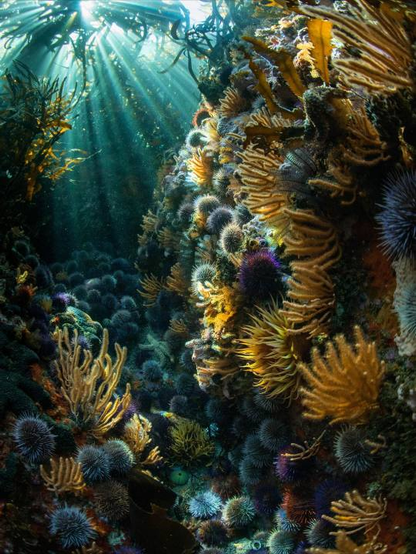
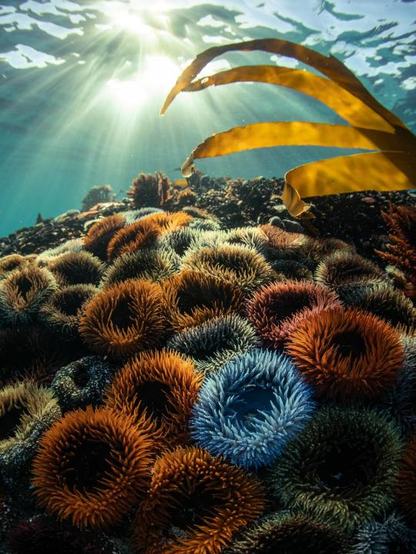
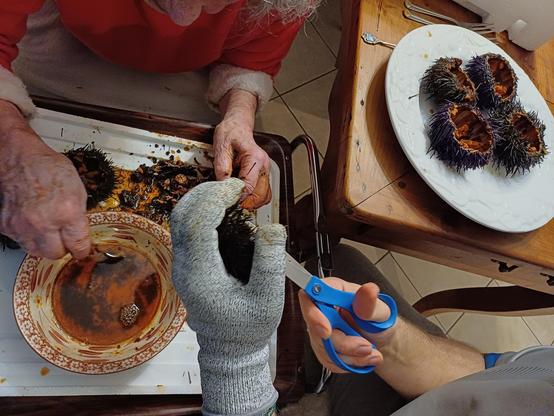
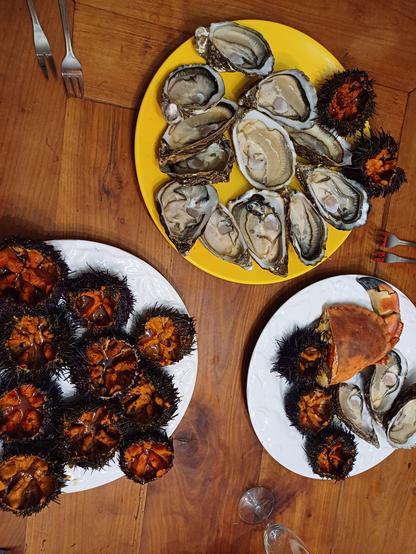
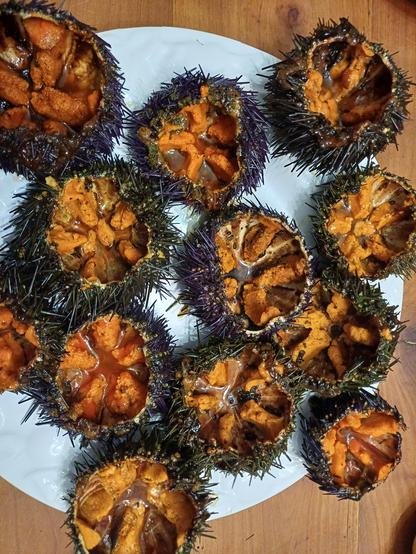
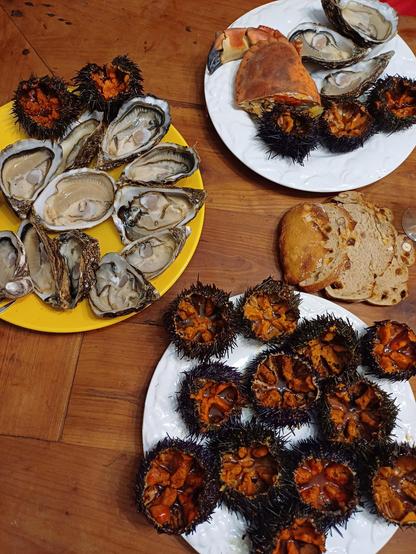
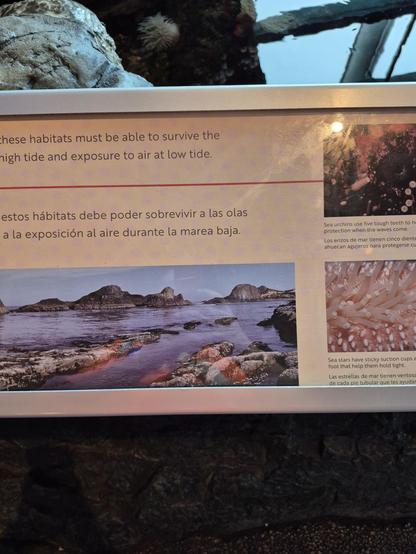
#Seaurchins use five tough teeth to he protection when the waves come.
Los erizos de mar tienen cinco diente ahuecan agujeros para protegerse cu

How Smashing Millions of Sea Urchins Revived California's Kelp Forests
Over the past two decades, a combination of pollution, overfishing, and a growing population of sea urchins has led to the dramatic decline of kelp forests along the California coast. Kelp ecosystems, known for being vital to marine biodiversity and carbon storage, have suffered severe degradation. ... [More info]
Discovery of #SeaStarWastingDisease cause sheds light on #kelp forest collapse and recovery https://phys.org/news/2025-07-discovery-sea-star-disease-kelp.html
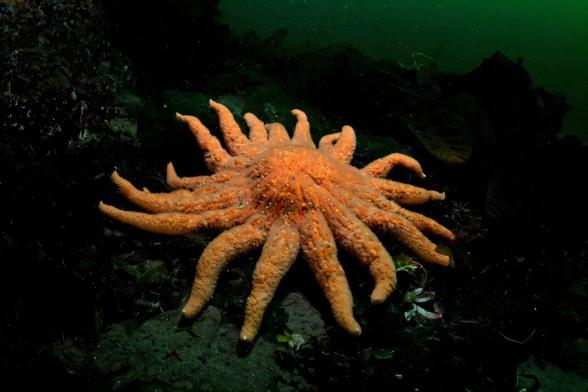
"This comes more than a decade after the start of the marine epidemic that has killed billions of #SeaStars... The 4-year investigation eventually pinpointed the microbial culprit: a strain of the bacterium #Vibrio pectenicida... The loss of #SunflowerSeaStars, which support #KelpForests by feeding on kelp-eating #SeaUrchins, has had widespread and lasting effects on ecosystems"
#Jellyfish are taking over the #oceans due to #ClimateChange
Written by Inaara Thawer
on Nov 1, 2022
"Climate change and human activity have impacts that ripple through all ecosystems. Their negative effects can lead to population imbalances across these various #ecosystems. While populations of many species are declining because they are unable to survive the rapid #EnvironmentalChanges, this is often not the case for venomous aquatic life like #SeaUrchins and jellyfish. In fact, these populations are increasing across the globe, with damaging effects on other living #AquaticOrganisms and human activity."
View slideshow here:
https://inhabitat.com/jellyfish-are-taking-over-the-oceans-due-to-climate-change/
#GlobalWarming #WarmingOceans
#ChangingOceans #OceansAreLife #OceanTemperatures #ClimateCrisis


"When sea otters were reintroduced along the coastlines of islands in Southern California and British Columbia, researchers saw kelp forests return to areas that were destroyed by sea urchins. But how slow or fast they grew back depended on the location—and until now, scientists didn't understand why".
#seaurchins #otters #kelp #forests
https://phys.org/news/2025-03-sea-otters-kelp-forests-recover.html

When sea otters were reintroduced along the coastlines of islands in Southern California and British Columbia, researchers saw kelp forests return to areas that were destroyed by sea urchins. But how slow or fast they grew back depended on the location—and until now, scientists didn't understand why.
 Vee
Vee Charring Auh
 Art History Animalia
 charring auh
 blastoise7229 at KillBait
 Lukas VFN 🇪🇺
 DoomsdaysCW
 Halotis Pourtales
 RashaKamel