Ottawa announces $17M for production and broadcasting of Indigenous content
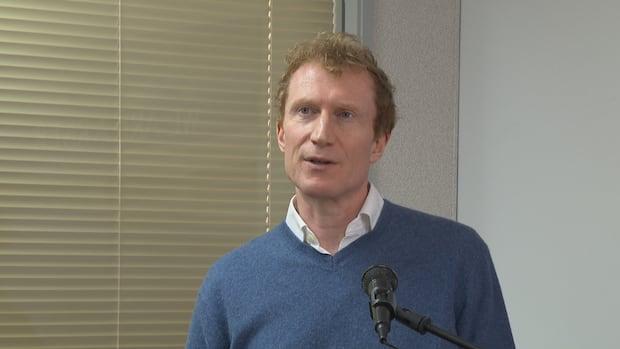
Minister of Canadian Identity and Culture Marc Miller said 23 radio stations across Canada will benefit from the $17 million. He called the funding “critical,” because these stations often broadcast to remote communities where they might not get news from other sources.
https://www.cbc.ca/news/canada/north/ottawa-needs-better-funding-model-indigenous-broadcasting-9.7136500?cmp=rss
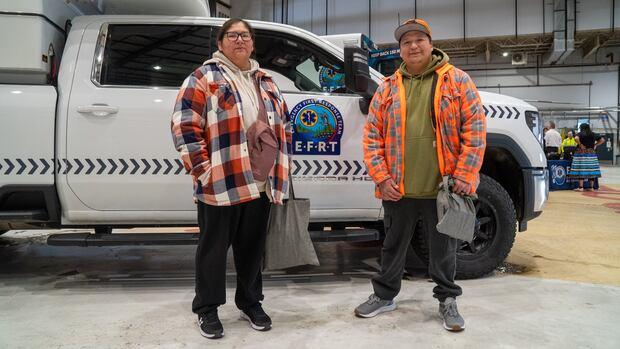
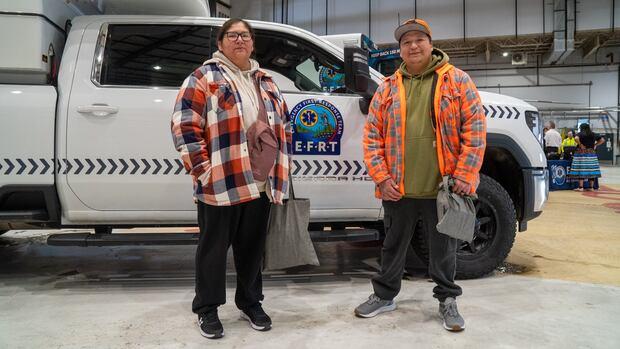
How remote First Nations are working with Ornge to improve medical transportation
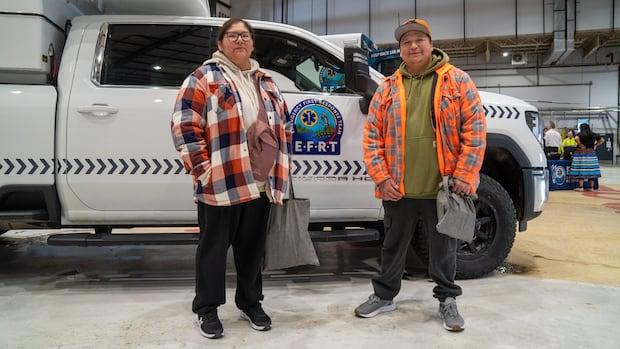
A new program in remote First Nations across northwestern Ontario aims to improve access to medical transportation and emergency medical service training. Communities are leading the emergency first response team (EFRT) program in partnership with the air ambulance service Ornge. Here's how the EFRT aims to...
https://www.cbc.ca/news/canada/thunder-bay/ornge-emergency-first-response-team-program-9.7124502?cmp=rss
How remote First Nations are working with Ornge to improve medical transportation
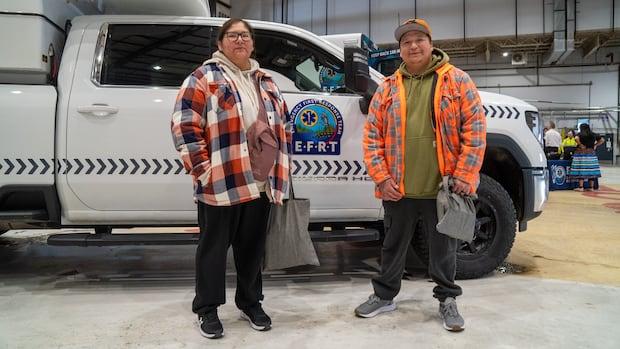
A new program in remote First Nations across northwestern Ontario aims to improve access to medical transportation and emergency medical service training. Communities are leading the emergency first response team (EFRT) program in partnership with the air ambulance service Ornge. Here's how the EFRT aims to...
https://www.cbc.ca/news/canada/thunder-bay/ornge-emergency-first-response-team-program-9.7124502?cmp=rss
How remote First Nations are working with Ornge to improve medical transportation
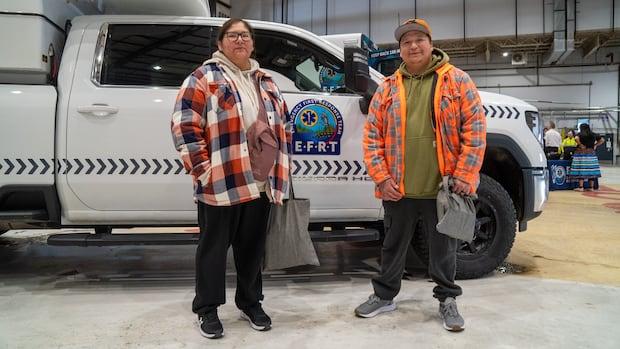
A new program in remote First Nations across northwestern Ontario aims to improve access to medical transportation and emergency medical service training. Communities are leading the emergency first response team (EFRT) program in partnership with the air ambulance service Ornge. Here's how the EFRT aims to...
https://www.cbc.ca/news/canada/thunder-bay/ornge-emergency-first-response-team-program-9.7124502?cmp=rss
How remote First Nations are working with Ornge to improve medical transportation
A new program in remote First Nations across northwestern Ontario aims to improve access to medical transportation and emergency medical service training. Communities are leading the emergency first response team (EFRT) program in partnership with the air ambulance service Ornge. Here's how the EFRT aims to...
https://www.cbc.ca/news/canada/thunder-bay/ornge-emergency-first-response-team-program-9.7124502?cmp=rss
How remote First Nations are working with Ornge to improve medical transportation
A new program in remote First Nations across northwestern Ontario aims to improve access to medical transportation and emergency medical service training. Communities are leading the emergency first response team (EFRT) program in partnership with the air ambulance service Ornge. Here's how the EFRT aims to...
https://www.cbc.ca/news/canada/thunder-bay/ornge-emergency-first-response-team-program-9.7124502?cmp=rss
Connected North brings students from remote First Nations on virtual field trips
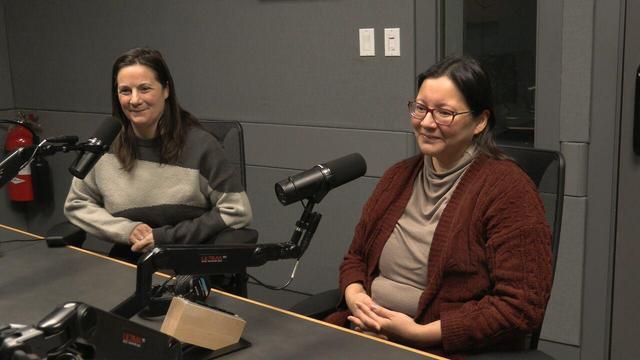
Connected North, a non-profit initiative, takes students from remote First Nations on virtual field trips to places they may not be able to visit in person. Jennifer Manitowabi, Connected North community lead, and Jennifer Corriero, executive director of TakingITGlobal, joined the CBC's Mary-Jean in st...
#education #technology #remotecommunities #remoteFirstNations
https://www.cbc.ca/player/play/9.7064521?cmp=rss

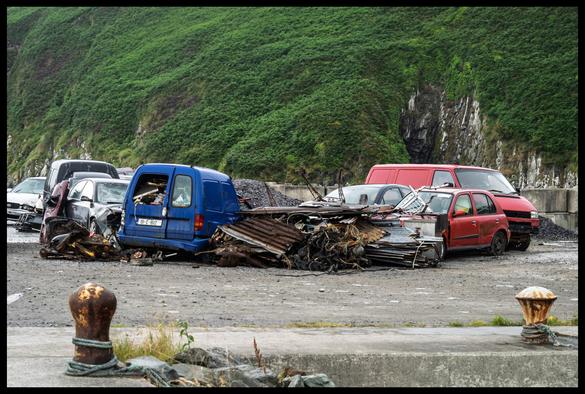
Cape Clear’s Car Graveyard

What happens to old cars is one of the harsh realities of island life that doesn’t make it into the tourist brochures.

Getting a dead vehicle off Cape Clear isn’t as simple as calling a scrap dealer as everything has to go by ferry, which makes the economics of removal pretty grim for islanders already dealing with the higher costs of island living. It’s a stark reminder that even in Ireland’s most picturesque corners, people have to deal with the mundane realities of modern life, including what to do with that blue van that’s given up the ghost and will never make another trip to the mainland.

Cape Clear Island, located about 13 kilometres off the coast of West Cork, has a permanent population of around 120 people and faces unique challenges with waste disposal due to its remote location. All waste, including scrap vehicles, must be transported by ferry to the mainland, making disposal expensive and logistically complex. The island’s small size (just 6.5 square kilometers) means that space for storing unusable vehicles is extremely limited, leading to accumulations like the one shown in this photograph. Irish islands have lobbied for government assistance with waste disposal costs, as the expense of transporting bulky items like cars can be prohibitive for island communities with limited resources.

Apertureƒ/8CameraILCE-7RM5Focal length77mmISO1000Shutter speed1/320s

#abandonedCars #automotiveGraveyard #CapeClear #CapeClearIsland #cars #Cork #CountyCork #environmentalChallenges #Ireland #IrishIslands #islandInfrastructure #islandLife #islandLogistics #OileanChléire #Photo #Photography #remoteCommunities #ruralIreland #scrapyard #vehicleDisposal #wasteManagement

Where can you find remote communities?

Recently, one of our clients approached Kontur Atlas with a request:
"I install solar farms and need to find remote communities in Africa that live without electricity, located more than 5 km away from the nearest power line."

In a few clicks we get the answer.
If you also have any other geospatial interests, let's discuss your case:
https://www.kontur.io/book-a-demo

#GIS #RenewableEnergy #Sustainability #KonturAtlas #RemoteCommunities

Book an Atlas Demo - Kontur Inc.

Kontur Inc.
After all this time there has been little govt movment to solve this: Funding gaps, policy shortfalls keeping rural Canada offline, experts say #rural #Indigneous #Canada #internet #connectivity #remotecommunities https://www.hilltimes.com/story/2024/10/30/funding-gaps-policy-shortfalls-keeping-rural-canada-offline-experts-say/439782/
Funding gaps, policy shortfalls keeping rural Canada offline, experts say

'What has constrained a lot of these rural communities is they still see it as something that either the federal government or big telecommunication companies are going to come and solve,' says University of Alberta professor Michael McNally.

The Hill Times