 An Author's Home
Literary Fiction & Escapism
When the heart wants what the heart wants
My sister likes to tease me about just how steeped in reality I like to be. She contrasts that with her penchant for escaping. Where she’d rather watch movies, I search for the true story the movie is based on. Where she finds comfort in creating a cosy image of everything is alright, I err on the side of highlighting how interesting it is that we create our own miseries, hell is other people’s artificial morals, etc. I jest, sort of; I do see some good things about life and select types of hell. Either way, literary fiction is the closest thing to escape that I seem to indulge in.
Maybe it’s in these differences that I find true escape? To look at how different people perceive life and what shape that life takes because of said perception. Nothing captures humanity quite like literary fiction does. When there is no supernatural entity to hide behind and all we are faced with is the full glare of humanity, that is bliss to me. In literary fiction, the horror is there but it is in some of what people have decided is ordinary and normal, isolation or ostracisation. The science is in the ways people press each other’s buttons, love, hate or are indifferent to someone to the detriment of everyone; the experiments people embark on to prove their own power over someone or anyone; the forces of obsession, tradeoffs and hopelessness.
In this humanity, there are so many other paths a character may have taken. Yet they punish or reward themselves into one or another. It’s the most interesting thing: why and how people are who they are, and everything that leads to.
My favourite book this month (out of the 9 I read) was The Well of Loneliness by Radclyffe Hall. It reminded me why I lean so hard towards literary fiction. I’m asking myself about this bias after spending a whole month forgetting to read fantasy, horror and scifi -again. I even read an essay by Octavia E. Butler, then I put off reading Parable of the Sower. Am I beyond help? But, no worries, I am reading it in October…
In any case, The Well of Loneliness made such an impact that it’s all I write about in the reading journal now. I don’t even know where to begin with my experience getting lost in that book -especially during the last one-third of it. The characters, the characters. The depth. The intricate meanings of pretty much everything. This paragraph is a gross understatement. The book is now on my literary analysis list so that I can get lost in it ten times over because there are so many angles to interrogate.
Toni Morrison’s Tar Baby was an intriguing exploration of home, in my opinion, and what that means to somebody who wants to be ‘more’ than who home is or where home is vs those who have made peace with who or where home is. It was the kind of book where I could detect the hidden meanings but they still stayed with me long after that last page -as if I’d only just discovered them. She described the dynamics we observe frequently in real life and yet… and yet… So that’s another one for deep analysis.
Earlier this month, I read The Sea, The Sea by Iris Murdoch. Got lost in that one too but for different reasons. I enjoyed Iris Murdoch’s writing style. The characters were unbearable but in a way that felt like a trick. And she did a thing where you end up having to come to your own conclusion about the premise. It could be one of two things, in my opinion. Cannot wait to journal about them. Just my brain is stuck on The Well of Loneliness for now.
The classics are reminding me why I enjoy literary fiction and convincing me to accept that bias. They slow all the way down. They take time describing people, scenes, textures of emotions, imprinting themes, projecting what’s important about the story into your brain with gradually increasing intensity. They take their time so well that the reader gets lost in the story, even if nothing much is actually going on. Just people quietly yet loudly living. It ceases to matter how many pages the book has, how much time you have… what else there is to do in life (I jest). It’s becoming benevolently, deliciously addictive reading classics.
Image Credit: picclick.de
#bookReview #books #Escapism #fiction #LiteraryFiction #Reading #ReadingClassics #ReadingJournals #ReadingTastes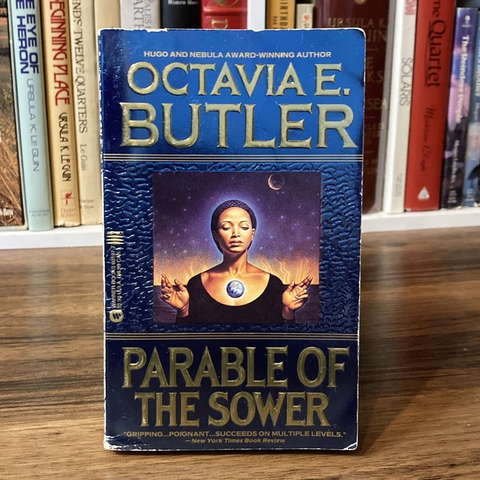
 Rebecca's Reading Room