Do
#epigenetic changes contribute to long-term
#bacterial adaptation? @Rekha_G_Nair &co show that changes in
#DNAmethylation enable rapid adaptation of the crop pathogen
#Ralstonia pseudosolanacearum to novel hosts, stable over 100 generations
#PLOSBiology https://plos.io/3TCW89Q
Changes in DNA methylation contribute to rapid adaptation in bacterial plant pathogen evolution
Do epigenetic changes contribute to long-term bacterial adaptation? This study shows that changes in DNA methylation enable rapid adaptation of the major agricultural bacterial pathogen Ralstonia pseudosolanacearum to novel hosts, stable over 100 generations.

Unlocking plant defense: Bacterial hijacking exposed
Bacterial wilt caused by Ralstonia solanacearum poses a severe threat to agriculture worldwide, affecting numerous crops. The pathogen's arsenal of type III effectors (T3Es) enables it to manipulate host defense mechanisms, aiding infection. One major challenge in managing bacterial wilt is understanding how these effectors interact with plant signaling pathways. This complexity underscores the need for detailed studies on effectors like RipAF1 to devise targeted strategies for effective disease management.

Researchers find that calcium can protect potato plants from bacterial wilt
Scientists have discovered that calcium plays a significant role in enhancing the resistance of potato plants to bacterial wilt. This disease causes worldwide losses of potatoes costing $19 billion per year. The findings open up new avenues for integrated disease management strategies, including the potential for calcium amendments to soil as a part of a comprehensive approach to controlling bacterial wilt in potatoes.
 PLOS Biology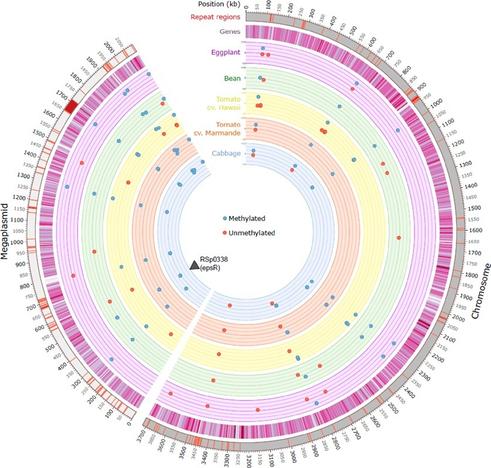
 CellBioNews