 Baaghi TV
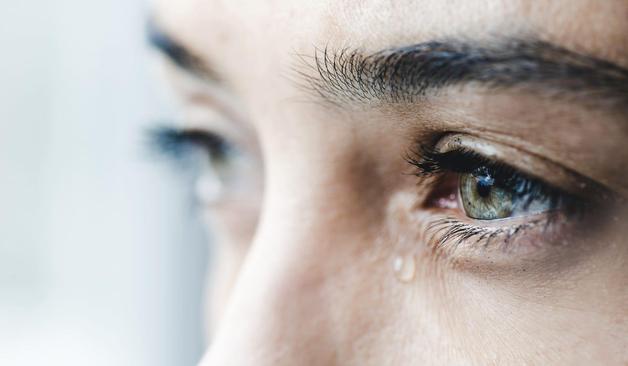
Why the tears don’t come
#BaaghiTV #Opinions #Soulmate #Challenges #DeepBonds #SocialActivities #Peace #Joy #FrozenTears #ProlongedGrief #ChronicEmptiness #Detachment @yasmeenali62
Why the tears don’t come
#BaaghiTV #Opinions #Soulmate #Challenges #DeepBonds #SocialActivities #Peace #Joy #FrozenTears #ProlongedGrief #ChronicEmptiness #Detachment @yasmeenali62
For many who are suffering with prolonged #grief, the holidays can be a time to reflect and find meaning in #loss
#prolongedgrief
https://theconversation.com/for-many-who-are-suffering-with-prolonged-grief-the-holidays-can-be-a-time-to-reflect-and-find-meaning-in-loss-218906
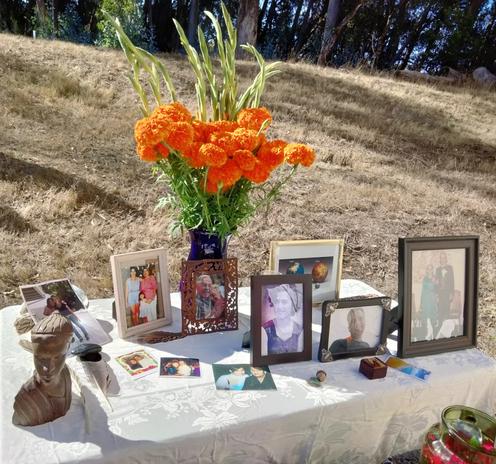
#MondayMourning: Mass casualty disasters and funerals
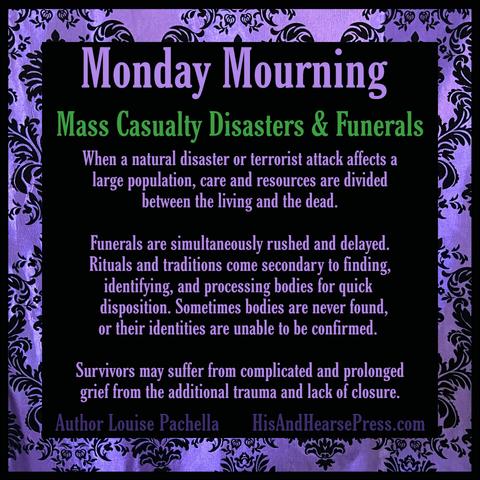
When a natural disaster or terrorist attack affects a large population, care and resources are divided between the living and the dead. Much of the relief efforts are spent feeding and sheltering survivors.
Another crucial aspect of disaster relief is caring for the dead. Unfortunately for bereaved families, the quick identification and disposition of bodies takes precedence over traditional funeral rituals.
In the aftermath of the recent earthquake that devastated Turkey and Syria, many families are having to forgo the ritual washing of their dead and the gathering of friends and families to mourn together. Instead, officials are expediently recording deaths, identifying the dead (or saving fingerprints and blood samples), and marking the locations of graves for relatives to find later.
Strangers in nearby tents are cleansing and shrouding bodies for burial in trenches. Decomposing or heavily damaged bodies are unable to undergo traditional preparation and receive token measures instead. As the death toll rapidly approaches 40,000, the procession of body bags to the cemeteries seems never ending. There is no time to waste, both because bodies are decomposing and because Muslim burials are supposed to occur within 24 hours of death.
Survivors may suffer from complicated and prolonged grief from the additional trauma and lack of closure. Some may never receive confirmation of their loved one's death and are condemned to a lifetime of searching. With the local infrastructure destroyed, a return to normalcy will a long time coming. The long-term effects of mass casualty disasters on the grieving process are still being studied, but it's clear there will be a significant impact.
#HisAndHearsePress #ComplicateGrief #ProlongedGrief #NaturalDisaster #Earthquake #MassCasualty #Funeral

 Denise G
 sparker 🥑
 His & Hearse Press