 Intentional Faith
When Silence Speaks Faith
A Day in the Life of Jesus
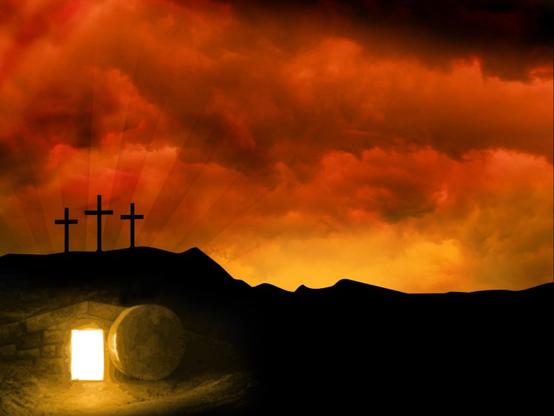
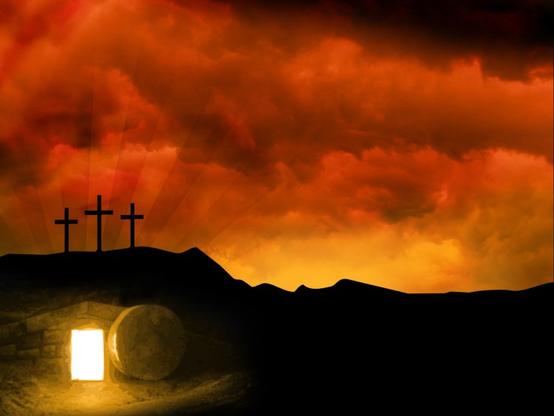
That Saturday stands as one of the quietest yet most searching days in the Gospel narrative. Jesus is no longer teaching, healing, or confronting the powers of His age. His voice has fallen silent, and His body now bears the full weight of death. John tells us with restraint and reverence that “they laid him there” (John 19:42). There is no sermon, no miracle, no resurrection announcement yet—only obedience, grief, and costly courage. I often find that this day forces me to slow my own discipleship down. It asks whether I am willing to follow Jesus not only when His words inspire me, but when His silence unsettles me.
John draws our attention to two men who emerge from the shadows precisely when hope appears lost: Joseph of Arimathea and Nicodemus. Both were members of the Sanhedrin, the very council that condemned Jesus. Both had followed Him quietly, cautiously, fearful of consequences. Yet at the moment when public association with Jesus seemed most dangerous and least rewarding, they step forward. Joseph boldly requests Jesus’ body from Pilate, and Nicodemus arrives carrying an extravagant amount of burial spices—nearly a hundred pounds of myrrh and aloes. This is not minimal devotion; it is lavish, deliberate, and visible. Augustine once observed that “the cross was the pulpit from which Christ preached most eloquently.” For Joseph and Nicodemus, it was the crucified Christ, not merely the teaching Christ, that finally compelled them to act openly.
There is something deeply instructive here. During Jesus’ ministry, crowds followed Him for bread, healing, and wisdom. After His death, most disappear. Yet these two men, once hidden, now come into the light. John’s Gospel subtly reminds us that belief matures through costly obedience. The Greek word for “took courage” implied in Joseph’s action reflects a resolve that overcomes fear, not its absence. Faith does not wait for safe conditions. It responds to truth, even when truth seems defeated. As D. A. Carson notes, “The men who were most hesitant during Jesus’ life become most courageous after His death, for they finally see who He truly is.”
The burial itself is tender and restrained. Jesus is wrapped according to Jewish custom, placed in a new tomb, and laid to rest hurriedly because the Sabbath is approaching. There is no attempt to preserve appearances or manage public perception. Their actions are an act of love, not strategy. In this, I am reminded that discipleship is often expressed in quiet faithfulness rather than visible success. Some of the most meaningful acts of devotion happen when there is nothing to gain and everything to lose. The tomb becomes a place of waiting, not resignation. God is still working, even when all seems still.
The Gospel writers also invite us to notice how Jesus’ death changes people in unexpected ways. Luke records the criminal who, in his final moments, entrusts himself to Jesus’ Kingdom (Luke 23:39–43). Mark tells us that a hardened Roman centurion, trained to witness death without sentiment, confesses, “Surely this man was the Son of God” (Mark 15:39). Joseph and Nicodemus move from secrecy to sacrificial obedience. These transformations did not occur during sermons or miracles, but at the foot of the cross. There is an insightful truth here: suffering often clarifies what comfort obscures. When confronted with Jesus crucified, belief is no longer theoretical. It demands a response.
I find myself asking whether my own faith is more shaped by Jesus’ teachings or by His cross. It is easier to admire Christ than to identify with Him in loss, misunderstanding, or waiting. This day in the life of Jesus reminds me that discipleship sometimes means tending the body when the movement seems over, honoring truth when it appears buried. N. T. Wright has written that “the meaning of Jesus’ death was not obvious at the time, but obedience preceded understanding.” Joseph and Nicodemus did not yet know about resurrection morning, yet they acted faithfully anyway. That kind of faith trusts God with outcomes it cannot yet see.
As we move us closer to Christmas, this day holds an important place in the Church’s memory. The manger and the tomb are not far apart. The myrrh brought by the magi finds its echo in the spices brought by Nicodemus. From birth to burial, Jesus is revealed as both King and sacrifice. To walk with Him today is to learn patience, courage, and reverence for God’s work even when it unfolds in silence.
May you be blessed as you walk with Jesus in the quiet places of faith, learning to trust Him not only in moments of clarity but also in seasons of waiting. May your devotion deepen as you discover that even in the tomb, God is preparing resurrection.
For further reflection, see “The Burial of Jesus: Why It Matters” at The Gospel Coalition, which offers historical and theological insight into the significance of Jesus’ burial and its role in the gospel narrative.
FEEL FREE TO COMMENT, SUBSCRIBE, AND REPOST, SO OTHERS MAY KNOW
#ChristianSpiritualDiscipline #DiscipleshipInSilence #followingJesus #JesusBurial #John193842 #PassionNarrative