Face à l’ascension de la République populaire de Chine et le lent déclin des États-Unis : l ‘ unité arabe totale c’ est maintenant!
Nulle part le déclin de la domination impérialiste américaine n’est plus manifeste qu’en Asie Occidentale . Les vassaux régionaux ne perçoivent plus les États-Unis comme un garant indispensable de leur sécurité et se tournent lentement désormais vers un avenir multipolaire. Cette situation de désengagement pourrait toutefois déboucher sur un retrait de l impérialisme américain précipité et chaotique, laissant leur agent colonial » israel» plus agressif s’imposer comme puissance hégémonique, ou bien provoquer de nouvelles interventions militaires mal préparées, aux conséquences désastreuses.…..Que faire ? une contribution de l’ auteur Ramy Baroud:
La visite d’État du président américain Donald Trump en Chine restera dans l’histoire comme le jour où les États-Unis ont finalement reconnu l’ascension de Pékin au rang de superpuissance mondiale. Cette reconnaissance n’a pas besoin d’être formulée dans une déclaration officielle ; elle se lit clairement dans le sous-texte des comportements diplomatiques, dans la perception mondiale et dans l’évolution de la couverture médiatique.
Lors du sommet, la délégation de Trump — accompagnée de grands dirigeants d’entreprises américaines — a rencontré le président chinois Xi Jinping non pas depuis une position de domination mondiale absolue, mais à travers le prisme d’un pragmatisme défensif. Cette approche transactionnelle visait à obtenir des engagements commerciaux bilatéraux et à éviter des frictions économiques catastrophiques.
Le spectacle du dirigeant du monde occidental évoluant selon les conditions de Pékin, tout en tentant de gérer les inquiétudes économiques internes de son pays, témoigne d’un changement profond. La posture traditionnelle des États-Unis en tant qu’hégémon mondial incontesté s’est transformée en celle d’une grande puissance parmi d’autres, cherchant des conditions stables de coexistence avec un rival devenu incontournable.
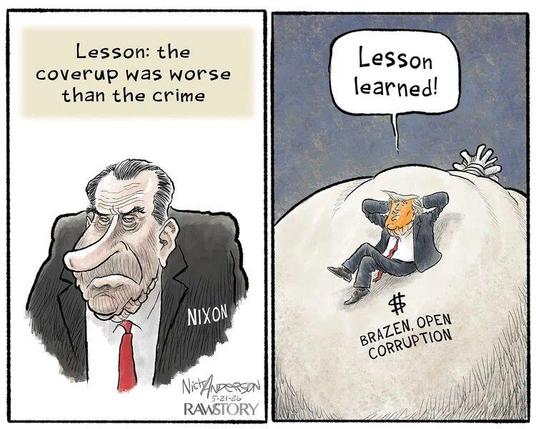
Ce moment n’est comparable qu’à la visite historique de Richard Nixon à Pékin en 1972, bien que les circonstances soient totalement différentes. À l’époque, l’objectif américain était d’exploiter la rupture sino-soviétique et d’obtenir un avantage sur l’Union soviétique en échange de la normalisation des relations diplomatiques.
En 1972, la Chine était une société agricole économiquement isolée, en pleine reconstruction après des bouleversements internes. Aujourd’hui, Pékin est un géant financier doté de la plus grande économie mondiale en parité de pouvoir d’achat, un maillon essentiel des chaînes d’approvisionnement mondiales et un leader dans les technologies de nouvelle génération telles que l’intelligence artificielle.
Sur le plan militaire, l’Armée populaire de libération s’est transformée en une fnixon
orce navale et technologique puissante, capable de contester l’accès au Pacifique occidental. Cette expansion économique et militaire considérable se traduit par une influence mondiale sans précédent, modifiant l’équilibre des puissances en Asie, en Afrique et en Amérique latine.
Dans ce contexte, la visite de Trump en Chine apparaît davantage comme la tentative d’un empire en déclin de gérer sa propre contraction — une démarche qui conduira probablement à d’importantes concessions.
Nulle part le recul du statut américain n’est plus visible qu’au Moyen-Orient. Des décennies de campagnes militaires désastreuses, d’aliénation politique et d’effritement des alliances traditionnelles ont érodé la crédibilité de Washington. Les puissances régionales ne considèrent plus les États-Unis comme un garant de sécurité indispensable et se tournent désormais vers un avenir multipolaire.
La Chine est déjà le principal partenaire commercial du Moyen-Orient. Ses intérêts vont des importations massives de pétrole brut aux investissements d’infrastructure à grande échelle dans le cadre de l’initiative Belt and Road Initiative, en passant par les réseaux de télécommunications de pointe et les réseaux énergétiques propres de plusieurs milliards de dollars.
Cependant, l’approche chinoise du Moyen-Orient est fondamentalement différente de celle des États-Unis. Ces derniers ont hérité de l’héritage colonial du Royaume-Uni et de la France. Bien que Washington refuse de se considérer comme une puissance coloniale, il agit souvent comme telle, utilisant sa puissance militaire pour obtenir une domination politique et des privilèges économiques.
La Chine est différente. Libérée du poids d’un passé colonial régional — et forte de sa mémoire historique en tant que victime de l’impérialisme occidental — elle privilégie un modèle fondé sur l’intégration économique, le développement et les liens commerciaux. Toutefois, ce modèle pourrait évoluer si les circonstances changent. Si Pékin se voit contraint de défendre ses intérêts considérables et ses routes énergétiques, il pourrait adopter une posture plus ferme, semblable à sa stratégie actuelle en mer de Chine méridionale.
L’influence américaine au Moyen-Orient est en déclin depuis des années, et la dernière stratégie de défense nationale américaine, publiée début 2026, en apporte la preuve. Ce document ancre explicitement les priorités militaires américaines dans une logique de protection du territoire national et de containment de la Chine dans la région indo-pacifique. En invoquant officiellement la doctrine Monroe pour recentrer l’attention sur l’hémisphère occidental et en soulignant un soutien conditionnel aux alliés, Washington reconnaît lui-même, à travers ses propres textes stratégiques, une forme de repli et de surextension.
Dans ce contexte, les escalades destructrices menées par les États-Unis et» Israël «contre l’Iran ne peuvent être interprétées comme un retour américain au Moyen-Orient, mais plutôt comme une tentative désespérée de maintenir une certaine pertinence. Cette situation rappelle fortement l’agression tripartite de 1956 contre l’Égypte menée par le Royaume-Uni, la France et «Israël». Tout comme cette campagne malheureuse représentait une tentative désespérée et violente d’empires européens moribonds de démontrer leur importance après les ravages de la Seconde Guerre mondiale, les actions actuelles des États-Unis et d’»Israël» apparaissent comme les soubresauts d’une hégémonie déclinante.
Compte tenu du programme mondial d’expansion et d’intégration de la Chine, Pékin est susceptible de devenir le nouvel acteur majeur de notre région, même si ce rôle peut être façonné de manière à privilégier le partenariat plutôt que la domination.
Aristote, mettant en garde contre l’horror vacui (la peur du vide), soutenait que tout espace finit par être occupé. Si les États-Unis se retirent ou continuent de réduire leur présence, cet espace politique ne restera pas vide. Pour le monde arabe, l’avenir représente à la fois un défi et une immense opportunité. Un retrait américain créera des marges de manœuvre politiques que les pays arabes devront exploiter et remplir selon leurs propres conditions. S’ils ne le font pas, d’autres le feront.
Les nations arabes, comme d’autres pays du Sud global, comprennent parfaitement les dangers de la vulnérabilité lors des grands bouleversements géopolitiques, lorsque les grandes puissances rivalisent pour étendre leur influence. Elles constatent également que le comportement des États-Unis — soutenant Israël tout en étant incapables d’imposer leurs objectifs régionaux — ne fait qu’accentuer le désarroi stratégique de Washington.
Ce désespoir pourrait conduire à un retrait américain soudain et chaotique, laissant un «Israël» agressif s’affirmer comme puissance hégémonique régionale, ou encore provoquer de nouvelles campagnes militaires mal préparées aux conséquences désastreuses. Dans les deux cas, les nations du Moyen-Orient resteraient otages d’une politique étrangère américaine imprévisible, offrant à un Israël expansionniste davantage d’opportunités pour accroître l’instabilité.
Cette période exige donc une clarté politique et une unité arabes totales, fondées sur une souveraineté réelle et sur la liberté d’agir selon les intérêts des peuples. Ce nouvel agenda devrait privilégier le développement humain et la prospérité économique, tout en promouvant l’égalité et la justice sociale.
En outre, les Arabes devraient établir un nouveau contrat politique rejetant toute nouvelle ingérence étrangère ou intervention militaire, et tenir pour responsables les gouvernements qui s’écarteraient de ce principe.
Enfin, une position arabe unifiée doit dépasser la simple rhétorique pour se traduire en actions concrètes visant à tenir «Israël» responsable de ses actes, tout en œuvrant sans relâche pour la liberté de la Palestine et la fin de l’occupation illégale des territoires libanais et syriens.
Les visions politiques arabes doivent intégrer ces enjeux dans toutes les futures relations avec les acteurs mondiaux, y compris la Chine, afin de garantir que le cycle centenaire de violence hérité du colonialisme occidental prenne définitivement fin.
Source: Chronique de Palestine, Ramzy Baroud
@albagranadanorthafrica
Voir aussi notre contribution les 16 et 17 novembre 2024, pour le séminaire international organisé par le Parti des Patriotes Démocrates Socialistes Tunisiens qui a eu lieu pour commémorer le centenaire de la mort physique du révolutionnaire Vladimir Ilitch Lénine, sous le titre « Lénine et le léninisme : une pensée vivante et des leçons actuelles ».
LA LUTTE NATIONALE ARABE EST UN OBSTACLE A l’IMPERIALISMEDescarga https://www.youtube.com/watch?v=5K1m1ZL7nKA&t=248s
#antiImperialism #federationOfArabSocialistRepublic #Israel #nationalLiberation #nixon #palestine #republiquePopulaireDeChine #socialistLiberation #unity getmisch
 der.hans
 MikeDunnAuthor
 Ramesh Gupta
 PugJesus
 Bureau d 'information Alba Granada North Africa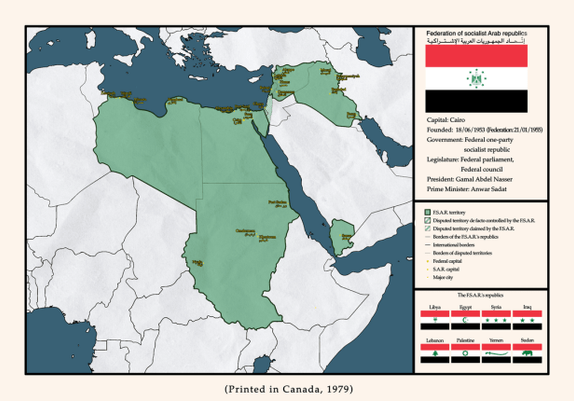
 Script Kiddie
 Filmgalerie Phase IV
 Farhad A.