 🅱🅸🅶🅾🆁🆁🅴.🅾🆁🅶
La météo aéronautique de aéroport d'Aitutaki (Iles Cook) est “METAR NCAI 011200Z 20003KT 9999 SCT016 BKN050 26/26 Q1013” : Ce que ça signifie sur https://www.bigorre.org/aero/meteo/ncai/fr #aeroportdaitutaki #aeroport #aitutaki #ilescook #ncai #ait #metar #aviation #meteoaero #avgeek vl
Aviation weather for Aitutaki airport (Cook Islands) is “METAR NCAI 282200Z 29012KT 9999 BKN018 BKN100 27/25 Q1010” : See what it means on https://www.bigorre.org/aero/meteo/ncai/en #aitutakiairport #airport #aitutaki #cookislands #ncai #ait #metar #aviation #aviationweather #avgeek vl
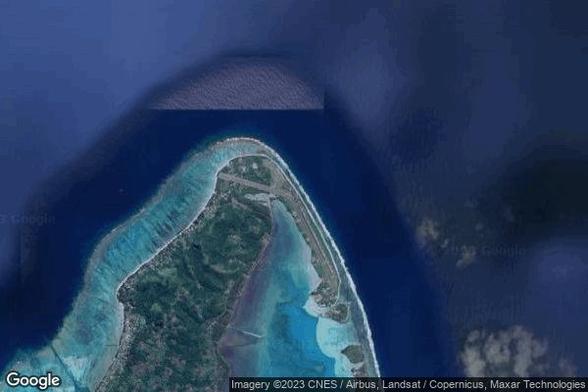
How many runways can you see for Aitutaki airport (Cook Islands) ? : The answer is on https://www.bigorre.org/aero/meteo/ncai/en #aitutakiairport #airport #aitutaki #cookislands #ncai #ait #aviation #avgeek vl
Aviation weather for Aitutaki airport (Cook Islands) is “NCAI 102200Z AUTO 07014KT 9999 FEW023 BKN100 30/24 Q1011” : See what it means on https://www.bigorre.org/aero/meteo/ncai/en #aitutakiairport #airport #aitutaki #cookislands #ncai #ait #metar #aviation #aviationweather #avgeek vl
Aviation weather for Aitutaki airport (Cook Islands) is “NCAI 042200Z AUTO 05014KT 9999 FEW020 30/25 Q1016” : See what it means on https://www.bigorre.org/aero/meteo/ncai/en #aitutakiairport #airport #aitutaki #cookislands #ncai #ait #metar #aviation #aviationweather #avgeek vl
Aviation weather for Aitutaki airport (Cook Islands) is “NCAI 282000Z AUTO 13005KT 9999 FEW030 27/20 Q1013” : See what it means on https://www.bigorre.org/aero/meteo/ncai/en #aitutaki #cookislands #aitutakiairport #ncai #ait #metar #aviation #aviationweather #avgeek #airport vl
Aviation weather for Aitutaki airport (Cook Islands) is “NCAI 282000Z AUTO 13005KT 9999 FEW030 27/20 Q1013” : See what it means on https://www.bigorre.org/aero/meteo/ncai/en #aitutaki #cookislands #aitutakiairport #ncai #ait #metar #aviation #aviationweather #avgeek #airport vii3
Aviation weather for Aitutaki airport (Cook Islands) is “NCAI 302100Z AUTO 07006KT 9999 FEW025 28/25 Q1015” : See what it means on https://www.bigorre.org/aero/meteo/ncai/en #aitutaki #cookislands #aitutakiairport #ncai #ait #metar #aviation #aviationweather #avgeek #airport vl
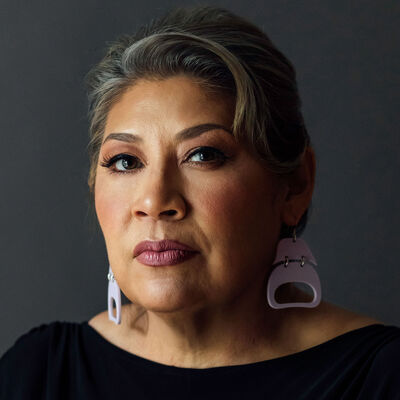 Kim TallBear
Our newest Media Indigena episode 334 is out. I'm on with Rick Harp and my UofA colleague Ken Williams discussing the phenomenon of state (tribal) recognition in the US, recent controversial happenings at the National Congress of American Indians #NCAI, and some comparisons with Assembly of First Nations' politics. #staterecognition #federalrecognition https://mediaindigena.libsyn.com/the-debate-over-state-vs-federal-recognition-of-tribes-in-the-us-ep-334

MEDIA INDIGENA : Indigenous current affairs: The debate over state vs federal recognition of tribes in the U.S. (ep 334)
This week: controversy at the Congress. The National Congress of American Indians, that is. And according to its website, NCAI is “the oldest, largest, and most representative American Indian and Alaska Native organization serving the broad interests of tribal governments and communities.” A little too representative, claim critics, who allege entities are permitted if not encouraged to join the Congress as tribes with insufficient claims to being tribes. The core concern: recognition. Not just how, but by whom. A concern which came to a head last month at NCAI’s 80th annual convention, when a pair of resolutions pushed to restrict full membership rights to federally-recognized tribes, thereby limiting state-recognized tribes to non-voting associate membership. But is federal recognition the be-all and end-all of what makes a tribe truly tribal? Isn’t outsourcing who you are to outsiders itself oppressive? And why would the approval of a colonial country hellbent on your destruction be of help to anyone? Leading host/producer Rick Harp and Ken Williams (University of Alberta department of drama associate professor) through the nitty-gritty of this divisive debate is fellow MI regular (U of A Faculty of Native Studies professor). 100% Indigenous owned + operated, MEDIA INDIGENA is 100% audience funded. you can support our work to keep our content free for all to access. // CREDITS: Our theme is '' by birocratic. Edited by Rick Harp and Cassidy Villebrun-Buracas.
 Ryn
RynWednesday's #NCAI #NCAI80 #IndigenousGulf #Bvlbancha table setup in the Marketplace. Here at the convention center (hall E) vending and giving info all day today and tomorrow, 9-5pm central. #NOLA #Indigenous