Behold the Ritual Axe at #ClevelandMuseumofArt: a masterpiece melding Tibetan spirituality and Ming dynasty imperial artistry. A gift from Yongle emperor, it dazzles with intricate lion heads, serpentine forms, and cloud motifs. How does ritual art inspire you?
#ArtHistory #CulturalHeritage #MuseumTreasures
https://clevelandart.org/art/1978.9.1

Ritual Axe | Cleveland Museum of Art
Ceremonial weaponry was used in tantric rituals to combat obstacles to enlightenment, such as ignorance, delusions, and selfishness. In 1407, a high-ranking Tibetan monastic patriarch visited the emperor of the Ming dynasty, known as Yongle. The Yongle emperor presented him with a number of gifts, of which this ritual axe was probably a component, since the axe bears his identifying inscription in a cartouche. Imperial Chinese workmanship is noted in the lush rendering of the lion heads from which the blades emerge, the calligraphic serpentine forms, and the cloud motifs.
The Legacy of the Czechoslovak Crown: A Symbol of Independence and National Identity
As the First Czechoslovak Republic emerged from the ashes of the Austro-Hungarian Empire, it sought to establish its sovereignty and identity.
Read more: https://now.karacs.com/the-legacy-of-the-czechoslovak-crown-a-symbol-of-independence-and-national-identity/
#CzechoslovakCrown #CurrencyHeritage #NumismaticBeauty #ArtNouveauCurrency #NationalBanknotes #HistoricalCurrency #EzerKorona #MuseumTreasures

The Legacy of the Czechoslovak Crown: A Symbol of Independence and National Identity
As the First Czechoslovak Republic emerged from the ashes of the Austro-Hungarian Empire, it sought to establish its sovereignty and identity. A pivotal aspect of this was the creation of a national currency - the Czechoslovak crown. The journey began with the separation from the Austro-Hungarian currency, a significant move that involved stamping the existing [...]
Discover this exquisite Bottle Cooler at
#ClevelandMuseumofArt! A rare blend of Saint-Cloud porcelain and "famille-verte" Chinese style, displaying vibrant colors and lively figures. What treasures are hiding within?
#ArtLovers #MuseumTreasures #SaintCloudPorcelainhttps://clevelandart.org/art/1944.226.1
Bottle Cooler | Cleveland Museum of Art
The form of these cachepots is entirely typical of Saint-Cloud porcelain of about 1725. Their decoration, based upon Chinese porcelains of the so-called "famille-verte" type, is most unusual. Polychromed enamels were not often employed on Saint-Cloud porcelains, and figural scenes are very rare.
♲ @
[email protected]:A pair of 19th-20th century polychrome porcelain bowls is collected by the Guanfu Museum. Each of them depicts the commander-in-chief of the Eastern Jin receiving a victory message while calmly playing chess with a friend during the Battle of Feishui in 383.
#MuseumTreasures 
China Museums on Twitter
“A pair of 19th-20th century polychrome porcelain bowls is collected by the Guanfu Museum. Each of them depicts the commander-in-chief of the Eastern Jin receiving a victory message while calmly playing chess with a friend during the Battle of Feishui in 383. #MuseumTreasures”
 Hidden Gems
 Discover My Europe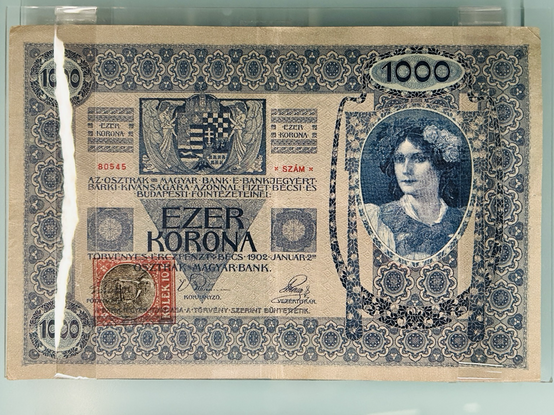

 Ingram Braun

