OBS Studio Gets A New Renderer: How OBS Adopted Metal | OBS

Starting with OBS Studio 32.0.0 a new renderer backend based on Apple's Metal graphics API is available for users to test as an experimental alternative to the existing OpenGL …

Morning Becomes Eclectic Live w/ Novena Carmel | KCRW (9/5)

YouTube

Путь видео в онлайн-кинотеатрах от «стекла до стекла». Часть первая: источники данных и headend

Привет, Хабр! Я Дмитрий Новожилов, техлид в онлайн-кинотеатре KION. Сейчас в России 53 млн человек смотрят онлайн-кинотеатры, но принцип их работы остается загадкой не только для зрителей, но (иногда) и для разработчиков. И это действительно проблема. Если вы не говорите с людьми на одном языке, не оперируете одинаковыми терминами, то бывает довольно сложно не просто сформулировать задачу, а даже передать смысл разработки того или иного узла. Чтобы быстро погружать членов своей команды в нашу профессиональную сферу, я подготовил много разных обзорных материалов о внешнем и внутреннем устройстве видеосервисов. В процессе я понял, что они могут быть полезны широкому кругу читателей. Иногда смотреть кино еще интереснее, если вы понимаете, что происходит по ту сторону экрана. Итак, это первый текст из запланированного цикла. В нем я крупными мазками расскажу основные этапы, через которые изображение проходит от «стекла до стекла»: от камеры у кинооператора на съемочной площадке до вашего смартфона или телевизора. Сразу оговорюсь, я не претендую на истину в последней инстанции. Есть много реализаций для любых из ниже описанных систем. Но существуют индустриальные стандарты, от которых я отталкиваюсь. Это как у транспортных средств: в них обязательно должны быть движитель и двигатель. Двигатель у автомобиля — его мотор, а движитель — колеса. Так и у онлайн-кинотеатров есть пять основных элементов, через которые проходит видеоряд. Одни из них интегрированы так, что их сложно рассмотреть раздельно, а вот другие выделяются достаточно четко. Про каждый из них мы поговорим в этом цикле статей. Но начнем с того, откуда вообще в онлайн-кинотеатрах берется контент.

https://habr.com/ru/companies/ru_mts/articles/862940/

#онлайнкинотеатр #видеоплатформа #видеосервис #encoder #live_streaming #video_on_demand #packager #headend


Путь видео в онлайн-кинотеатрах от «стекла до стекла». Часть первая: источники данных и headend

. Привет, Хабр! Я Дмитрий Новожилов, техлид в онлайн-кинотеатре KION. Сейчас в России 53 млн человек смотрят онлайн-кинотеатры, но принцип их работы остается загадкой не только для зрителей, но...

Хабр
Around The World In 175 Cameras

Explore.org works with amazing non-profits and state agencies across the globe. Take a tour of the amazing wildlife our planet has to offer. Love Animals and...

YouTube
#live_streaming #Παναθηναϊκός Live Streaming: Η γιορτή του Παναθηναϊκού στο ΟΑΚΑ για την 7ο ευρωπαϊκό της ιστορίας του! https://www.zougla.gr/sports/mpasket/pana8inaikos-mpasket/live-streaming-i-giorti-tou-panathinaikou-sto-oaka-gia-tin-7i-evroligka/?utm_source=dlvr.it&utm_medium=mastodon
Live Streaming: Η γιορτή του Παναθηναϊκού στο ΟΑΚΑ για το 7ο ευρωπαϊκό της ιστορίας του! - Zougla

Kατάμεστο είναι το κλειστό των Ολυμπιακών Εγκαταστάσεων...

Zougla
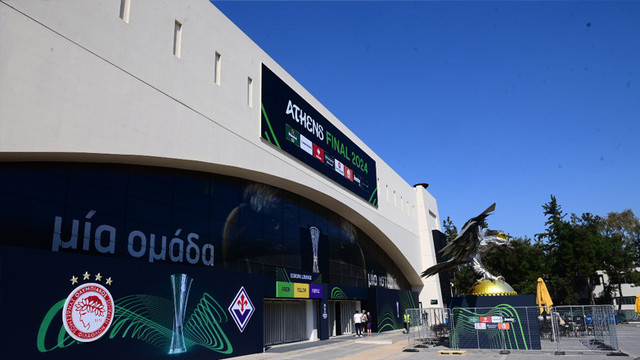
Σε live streaming μετάδοση ο τελικός του Ολυμπιακού με τη Φιορεντίνα - Zougla

Aπό το κανάλι της Cosmote TV στο Youtube...

Zougla
An Exploratory Study of Live-Streamed Programming
(2019) : Alaboudi, Abdulaziz LaToza, Th...
DOI: https://doi.org/10.1109/vlhcc.2019.8818832
#live_streamed_programming #social_coding #live_streaming #screen_cast #pair_programming #my_bibtex
An Exploratory Study of Live-Streamed Programming

In live-streamed programming, developers broadcast their development work on open source projects using streaming media such as YouTube or Twitch. Sessions are first announced by a developer acting as the streamer, inviting other developers to join and interact as watchers using chat. To better understand the characteristics, motivations, and challenges in live-streamed programming, we analyzed 20 hours of live-streamed programming videos and surveyed 7 streamers about their experiences. The results reveal that live-streamed programming shares some of the characteristics and benefits of pair programming, but differs in the nature of the relationship between the streamer and watchers. We also found that streamers are motivated by knowledge sharing, socializing, and building an online identity, but face challenges with tool limitations and maintaining engagement with watchers. We discuss the implications of these findings, identify limitations with current tools, and propose design recommendations for new forms of tools to better supporting live-streamed programming.

An Exploratory Study of Live-Streamed Programming
(2019) : Alaboudi, Abdulaziz LaToza, Th...
DOI: https://doi.org/10.1109/vlhcc.2019.8818832
#pair_programming #live_streaming #live_streamed_programming #social_coding #screen_cast #my_bibtex
An Exploratory Study of Live-Streamed Programming

In live-streamed programming, developers broadcast their development work on open source projects using streaming media such as YouTube or Twitch. Sessions are first announced by a developer acting as the streamer, inviting other developers to join and interact as watchers using chat. To better understand the characteristics, motivations, and challenges in live-streamed programming, we analyzed 20 hours of live-streamed programming videos and surveyed 7 streamers about their experiences. The results reveal that live-streamed programming shares some of the characteristics and benefits of pair programming, but differs in the nature of the relationship between the streamer and watchers. We also found that streamers are motivated by knowledge sharing, socializing, and building an online identity, but face challenges with tool limitations and maintaining engagement with watchers. We discuss the implications of these findings, identify limitations with current tools, and propose design recommendations for new forms of tools to better supporting live-streamed programming.

An Exploratory Study of Live-Streamed Programming
(2019) : Abdulaziz Alaboudi and Thomas D. LaToza
DOI: https://doi.org/10.1109/vlhcc.2019.8818832
#live_streamed_programming #live_streaming #pair_programming #screen_cast #social_coding
#my_bibtex
An Exploratory Study of Live-Streamed Programming

In live-streamed programming, developers broadcast their development work on open source projects using streaming media such as YouTube or Twitch. Sessions are first announced by a developer acting as the streamer, inviting other developers to join and interact as watchers using chat. To better understand the characteristics, motivations, and challenges in live-streamed programming, we analyzed 20 hours of live-streamed programming videos and surveyed 7 streamers about their experiences. The results reveal that live-streamed programming shares some of the characteristics and benefits of pair programming, but differs in the nature of the relationship between the streamer and watchers. We also found that streamers are motivated by knowledge sharing, socializing, and building an online identity, but face challenges with tool limitations and maintaining engagement with watchers. We discuss the implications of these findings, identify limitations with current tools, and propose design recommendations for new forms of tools to better supporting live-streamed programming.

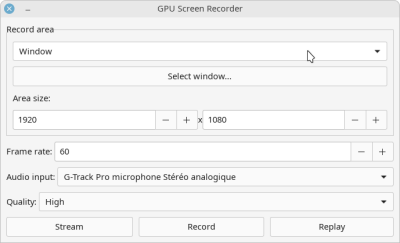
🛠️ Title: gpu-screen-recorder
🦊️ What's: A very fast libre screen recorder for Linux thanks to an exclusive use of the GPU
🏡️ -
🐣️ https://git.dec05eba.com/gpu-screen-recorder/about/
🔖 #linux #tool #video_recording #live_streaming #libre #arch
📖 Our entry: https://bit.ly/bottinNew

🐧 New & 🔍️ Review: 👏️⭐⭐⭐⭐
🐘 From: https://mastodon.social/@gamingonlinux/108113323857880417

🤓️ http://youtu.be/n5tm0g01n6A
🎮️ http://youtu.be/ljUC0nGumzA

gpu-screen-recorder - A shadowplay-like screen recorder for Linux. The fastest screen recorder for Linux