 Jazz FM – Now Playing
Light Of The World - Pete's Crusade
#JazzFM #Jazz #NowPlaying #LightOfTheWorld



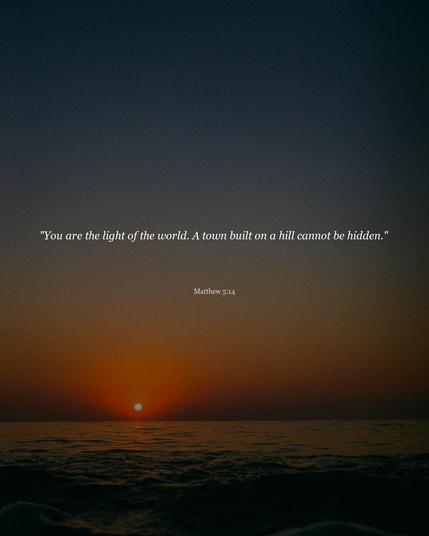
Let your light shine, Matthew 5:14. ✨
#biblians #bibliansapp #verseoftheday #matthew514 #lightoftheworld #shineforth #christianencouragement #godslove #faithjourney
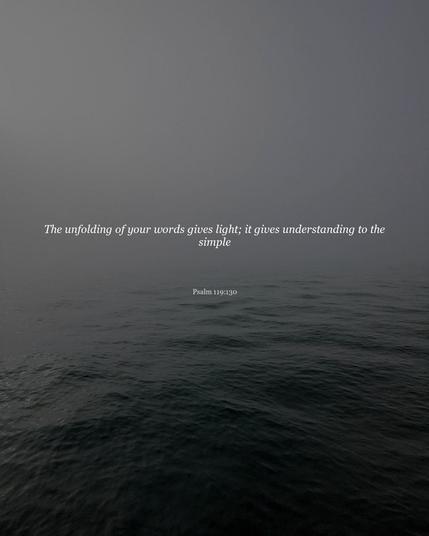
Your words bring light and simple understanding. ✨
#biblians #bibliansapp #verseoftheday #Psalm119 #GodsWord #BibleVerse #LightOfTheWorld #FaithAndUnderstanding #WalkByFaith
When the Light Breaks In
DID YOU KNOW
Did you know that when Jesus said, “I am the light of the world,” He was claiming to be the same guiding presence that led Israel through the wilderness?
In John 8:12, Jesus declares, “I am the light of the world! The one who follows me will never walk in darkness, but will have the light of life.” To His listeners, this was not poetic exaggeration. It was a direct echo of Exodus 13:21, where the Lord went before Israel in a pillar of fire to give them light at night. That pillar was not decorative; it was directional. It meant survival, safety, and progress. Without it, they would have stumbled in confusion across an unmarked desert. When Jesus speaks these words during the Feast of Tabernacles—when large lamps were lit in the temple courts to commemorate that wilderness guidance—He is unmistakably identifying Himself as God’s present, personal light.
Light in Scripture always reveals and directs. It exposes danger and clarifies the path forward. Psalm 119:105 affirms, “Your word is a lamp to my feet and a light to my path.” When Jesus identifies Himself as the Light, He is not offering vague inspiration. He is offering direction in moral, spiritual, and eternal matters. In a world layered with confusion, He does not merely point to truth; He embodies it. To follow Him is to walk with clarity.
Did you know that light not only guides us—it also exposes what we would rather keep hidden?
Leviticus 12 and 13 may seem distant from John 8, yet they share a common theme. Those chapters deal with ritual purity, examining skin conditions and declaring what is clean or unclean. The priest had to inspect carefully; nothing hidden could remain concealed. In a similar way, when the Light of Christ shines upon us, He does not merely comfort—He reveals. Darkness is comfortable because it hides flaws. Light is uncomfortable because it uncovers them.
John tells us elsewhere, “And this is the judgment: the light has come into the world, and people loved darkness rather than the light because their works were evil” (John 3:19). When we elevate ourselves in darkness—building identity on pride, control, or self-justification—it becomes difficult to humble ourselves in the light. The Pharisees in John 8 struggled not because they lacked intelligence, but because they resisted exposure. They questioned Jesus in verse 19, misunderstood Him in verse 22, and debated Him in verse 25. The Light stood before them, but their hearts preferred shadow.
Yet exposure is not condemnation for those willing to respond. The purpose of light is not humiliation but healing. In Leviticus, examination led to restoration when cleansing occurred. In Christ, confession leads to forgiveness. The Light does not destroy us; it restores us when we yield.
Did you know that following the Light requires humility more than intellect?
The Pharisees were religious experts. They knew the Law thoroughly. Yet knowledge alone did not help them recognize the Messiah standing in front of them. John 8:27 tells us, “They did not understand that He was speaking to them about the Father.” Their issue was not lack of data but lack of surrender. Pride is one of the densest forms of darkness.
When we cling to our own opinions and comfort, even spiritual language can become a shield against transformation. We dwell on details, argue interpretations, and protect our position. But light demands something different—it demands openness. Jesus says in John 8:31–32, “If you abide in my word, you are truly my disciples, and you will know the truth, and the truth will set you free.” Abiding is relational. It is not casual acquaintance with truth; it is committed dwelling.
The imagery in Song of Solomon 6:11–13 subtly reinforces this idea. The beloved goes down to the garden to see if the vines have budded and if the pomegranates are in bloom. Growth happens in light. Fruit appears where light penetrates. In the same way, spiritual maturity flourishes when we remain exposed to Christ’s illumination. Humility becomes the soil where transformation takes root.
Did you know that calling out the darkness is the doorway to experiencing the fullness of light?
We often prefer subtle adjustments to honest confession. We sense an “inkling,” as the study suggests, that something in our lives needs realignment. But pride whispers that we can manage it quietly. Yet if we never name the darkness, we never experience the flood of light. First John 1:7 reminds us, “If we walk in the light, as He is in the light, we have fellowship with one another, and the blood of Jesus His Son cleanses us from all sin.” Walking in the light involves transparency—before God and often before trusted believers.
There is freedom in illumination. When we admit our fears, our compromises, our misplaced affections, the Light does not recede. It intensifies. Darkness thrives in secrecy; it dissolves in exposure. The Pharisees’ tragedy was not ignorance but resistance. They could not humble themselves in the light. We are invited to choose differently.
The Light of the world still shines. It is not dimmed by culture, confusion, or complexity. Jesus offers life, grace, and spiritual awakening. He invites us to follow—not partially, not selectively—but fully. The promise remains: those who follow Him will not walk in darkness.
As you reflect on this truth, consider where you may be negotiating with shadows. Is there an area where pride has dulled your responsiveness? Is there a hidden fear keeping you from stepping into clearer obedience? The Light is not harsh toward the repentant; it is welcoming. The same Lord who guided Israel with fire now guides His people through Christ.
Today, do not merely admire the Light. Follow it. Let it search you. Let it guide you. Let it grow fruit in you. When we humble ourselves in the light, we discover that clarity is not threatening—it is liberating.
FEEL FREE TO COMMENT, SUBSCRIBE, AND REPOST, SO OTHERS MAY KNOW
#ChristianDiscipleship #John812 #LeviticusPurityLaws #lightOfTheWorld #spiritualHumility #walkingInTheLight

When Light Walks into the Room
A Day in the Life
“Let your light so shine before men, that they may see your good works and glorify your Father in heaven.” — Matthew 5:16
When I read Jesus’ words in Matthew 5:16, I cannot escape the simplicity and weight of them. “Let your light so shine…” He does not say, “Create your own light,” nor does He say, “Force the world to change.” He assumes that something has already been placed within us. Earlier in the Sermon on the Mount, Jesus declares, “You are the light of the world” (Matthew 5:14). Not “you might be,” not “you should try to become,” but “you are.” That identity flows from our union with Him.
The Greek word for light, φῶς (phōs), carries the sense of illumination, revelation, and moral clarity. It is the same word used in John 1:5: “The light shines in the darkness, and the darkness has not overcome it.” Darkness is not an active force with equal power; it is the absence of light. That truth alone reframes how I see the world around me. When culture seems darker, more confused, or morally unsettled, I am reminded that darkness is simply doing what darkness does. It is not my task to curse it. My calling is to shine.
Jesus Himself fulfilled Isaiah’s promise: “The people who sat in darkness have seen a great light” (Matthew 4:16). Wherever He walked, things changed. Hypocrisy was exposed. The sick were healed. The forgotten were restored. Sinners found forgiveness. There was no mistaking His presence. As D.A. Carson notes, “The good works of Jesus’ disciples are to be so distinctive that they point beyond themselves to God.” That is the key. The light is not for self-display; it is for the Father’s glory.
When I consider this in the rhythm of my own day, I have to ask myself the same question the study presses upon us: Can that be said of me? When I enter a room at work, does tension ease or increase? When I speak, do my words clarify truth or add confusion? When I serve quietly at home, does Christ’s presence radiate outward? These are not abstract reflections. They are daily spiritual disciplines.
Light is not loud, but it is unmistakable. It does not argue with darkness; it dispels it. I think of a single candle in a pitch-black sanctuary. The flame does not strain. It simply burns, and the darkness retreats. In the same way, when Christ’s character is formed in us, we do not need to manufacture impact. The fruit of the Spirit—love, joy, peace—begins to illuminate our surroundings. John Stott once wrote, “We are not to hide our Christianity, but neither are we to advertise it. We are to be like a light, quietly shining.” That insight has guided my own walk for years.
Yet Jesus adds a necessary phrase: “that they may see your good works and glorify your Father in heaven.” The word for good, καλός (kalos), means beautiful, noble, or attractive. Our actions should carry a beauty that draws attention not to our virtue, but to God’s grace. When we forgive instead of retaliate, when we tell the truth with gentleness, when we serve without recognition, something beautiful happens. People may not always articulate it, but they sense a different source of life.
In the Church Calendar, as we move through ordinary days between great celebrations, this calling remains steady. Whether we are in Epiphany’s season of light or in the quiet weeks that follow, the mission does not change. We reflect the Light of the World in kitchens, offices, schools, and hospital rooms. The world was never the same once the Father introduced His light through His Son. That same light now dwells in us through the Holy Spirit.
So how do I live this out today? First, I remain connected to Christ. Jesus later says in John 8:12, “I am the light of the world. He who follows Me shall not walk in darkness, but have the light of life.” Light is not a technique; it is a relationship. Second, I examine whether anything is covering the lamp. Unconfessed sin, bitterness, fear of opinion—these can dim what God intends to shine. Third, I remember that even small acts matter. A quiet word of encouragement may be the very beam of light someone needs in a dark hour.
If you would like further reflection on living as light in a dark world, The Gospel Coalition offers a helpful article on embodying the Sermon on the Mount in daily life: https://www.thegospelcoalition.org/article/sermon-on-the-mount/. It provides theological depth while remaining practical for discipleship.
Today, as I walk with you through this “day in the life,” I am reminded that shining is not about perfection. It is about availability. When I allow Christ to shine through my thoughts, speech, and actions, the Father is glorified. Darkness may remain in the world, but it does not have to dominate my corner of it.
FEEL FREE TO COMMENT, SUBSCRIBE, AND REPOST, SO OTHERS MAY KNOW
#ChristianDiscipleship #lightOfTheWorld #livingAsLight #Matthew516 #SermonOnTheMount
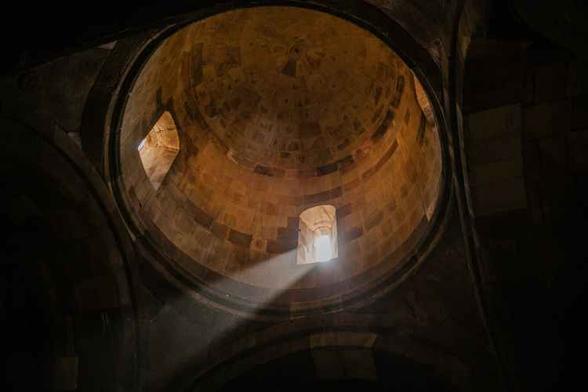
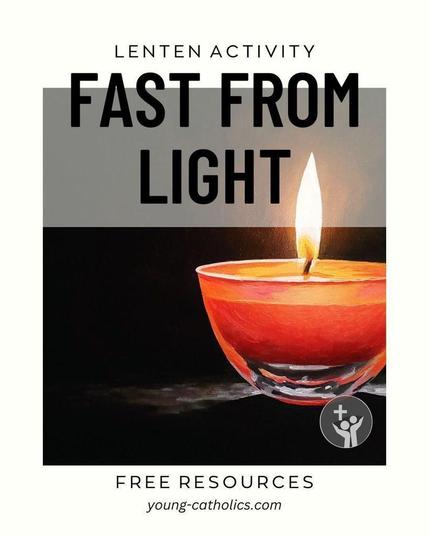
Fasting from light is a quiet Lenten practice that invites stillness and prayer. By turning off lights and stepping away from screens, distractions fade and space opens for God. 🕯️🌿
Sitting in darkness reminds us that Jesus is the Light of the World. Even a short time without light can bring calm, focus, and peace. This practice helps the heart slow down and turn toward Christ during Lent. ✝️
https://young-catholics.com/980/lenten-activities-fast-from-light/
 Biblians
 RevDrMatthewFox
 Intentional Faith
 Young Catholics