 World History Encyclopedia
The Vandals were a Germanic tribe who are first mentioned in Roman history in the Natural History of Pliny the Elder (77 CE). The Roman historian Tacitus also mentions them in his Germania (c. 98 CE), though he also refers to them as the "Lugi". Their name may mean "the wanderers" and was given by both Pliny and Tacitus as "Vandilii". The name "vandal" has now become synonymous with careless de...https://www.worldhistory.org/Vandals/ #LeoI #Stilicho #Vandals

The Vandals were a Germanic tribe who are first mentioned in Roman history in the Natural History of Pliny the Elder (77 CE). The Roman historian Tacitus also mentions them in his Germania (c. 98 CE), though he also refers to them as the "Lugi". Their name may mean "the wanderers" and was given by both Pliny and Tacitus as "Vandilii". The name "vandal" has now become synonymous with careless de...https://www.worldhistory.org/Vandals/ #LeoI #Stilicho #Vandals
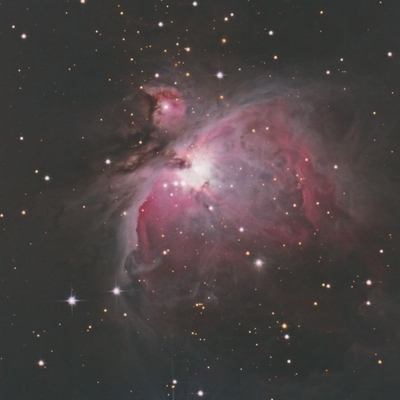 astropage.eu
Auf der Suche nach dem zweitnächsten supermassiven Schwarzen Loch

Auf der Suche nach dem zweitnächsten supermassiven Schwarzen Loch | astropage.eu
Zwei Astrophysiker des Harvard Smithsonian Center for Astrophysics (CfA) haben eine Möglichkeit vorgeschlagen, um ein supermassives Schwarzes Loch zu beobachten, das vielleicht das zweitnächste an der Erde sein könnte: ein Gigant mit drei Millionen Sonnenmassen in der Zwerggalaxie Leo I. Das supermassive Schwarze Loch mit der Bezeichnung Leo I* wurde erstmals von einem unabhängigen Astronomenteam