 Will
WillJeg elsker lugten af fiskegødning om morgenen. Det lugter af sejr.

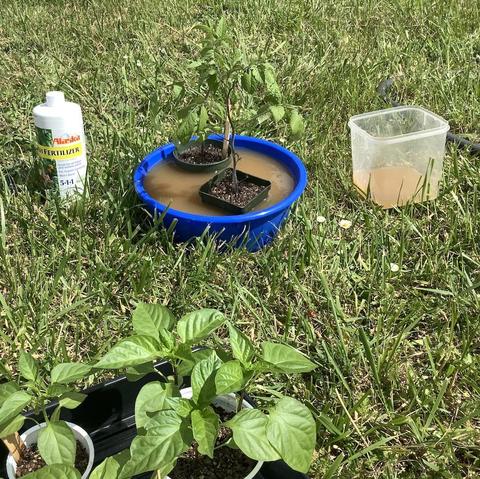
Jeg elsker lugten af fiskegødning om morgenen. Det lugter af sejr.
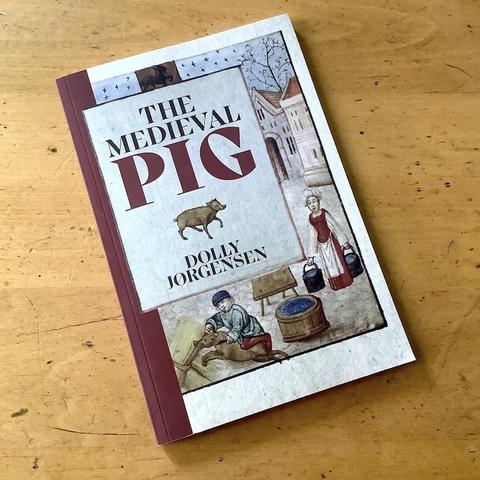
Denne er en behagelig bog. Jeg overraske.
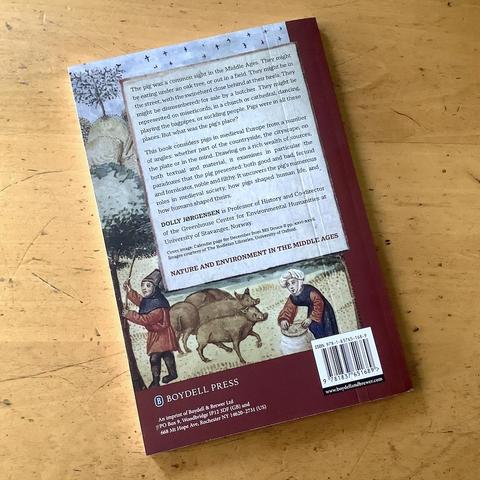
The Medieval Pig
af Dolly Jørgensen
Boydell Press, 2024
(Likely to be some incorrect dansk, here.)
Kære #DKMastodon
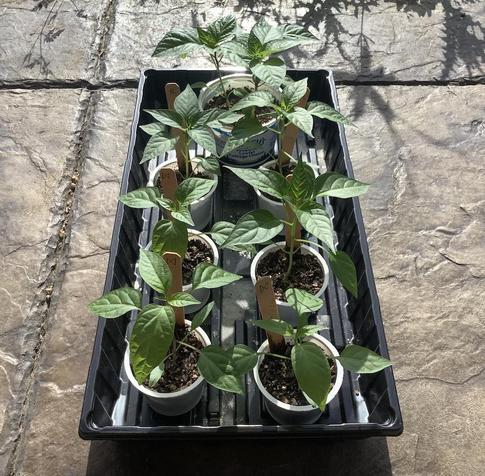
What word do you use to describe chile or pepper plants?
I've seen peber og paprika.
Tak!
Kære #DKmastodon
According to Den Dansk Ordbog (online) the word 'alf' [ˈalˀf] has a slight stød in it. Is the plural form, alfer, pronounced with a stød?
Tak!

I'm trying to restart my Danish language studying (again!).
In the beginner-level book I'm using, they have the phrase "Hvad så?" and translate it as "What's up?".
With whom would you use this phrase with? I'm assuming by the English translation, it would only be used with people you are quite familiar with, such as friends and family members. Is this correct?
Is commonly used?
Is used by certain age groups or by just about everyone?
Tak!
Kære #DKMastodon
What is the proper verb to describe the emergence of new growth from the roots, bulbs, or rhizomes of a perennial plant (such as humle eller krokus)? Are any of these verbs appropriate?
spire
vokse
komme op
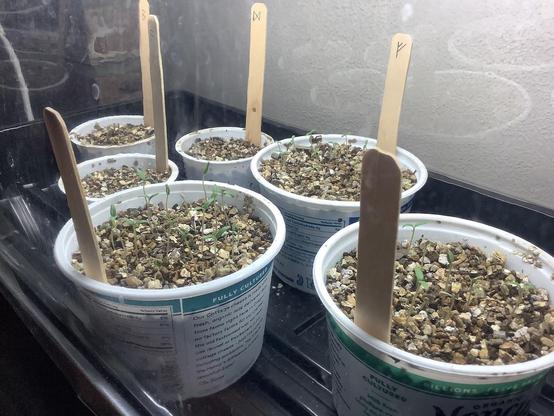
What is the proper verb to describe the emergence of new growth from a seed?
Tak!
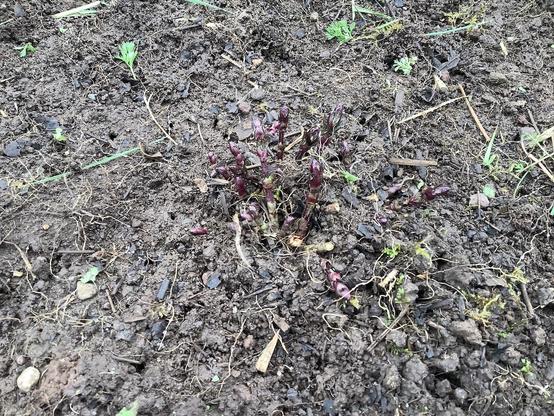
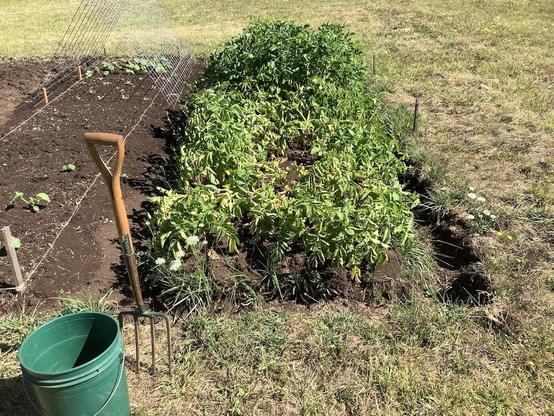
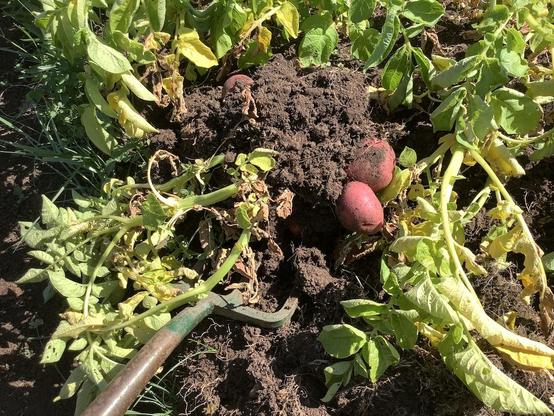
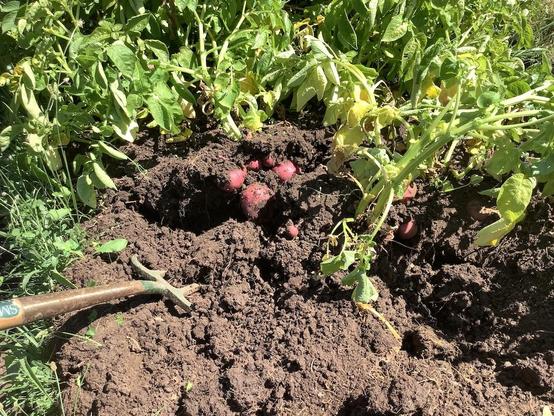
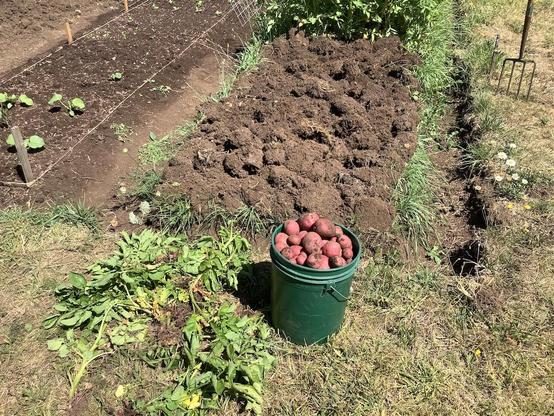
Time to dig some kartofler!
What is the best verb på dansk to describe the act of harvesting kartofler? Would it be 'grave'?
I do worry sometimes about the practicality of #LearningDanish from the United States of America. The number of native Danish speakers is similar to the population of, say, Minnesota or Colorado. I also recognize that most Danish people have some level of familiarity with English, and that most movies, television shows, and video games published in English won't be dubbed, which will make it considerably more difficult to practice from afar.
I am a bit disappointed in myself, but I'm already doubting whether learning Danish would be useful after just one week. I think my immigration prospects are slim and I would probably manage with no language ability if I were a tourist.
Update on #LearningDanish: I have completed 3 of 45 units on Duolingo and 1 of 4 units on Mango Languages. I think I'll run out of content rather quickly; there's not as much as, say, the French course on Duolingo (which has more than 200 units). I'm starting to wonder what could fill the intermediate space between materials for beginners and native speakers, though I still have some time to think about it.
Most of the lessons have been about indefinite, definite, and plural nouns. This seems straightforward, though I do struggle to pick between endings like -erne or -ene; I suppose that comes with practice.
 R
R